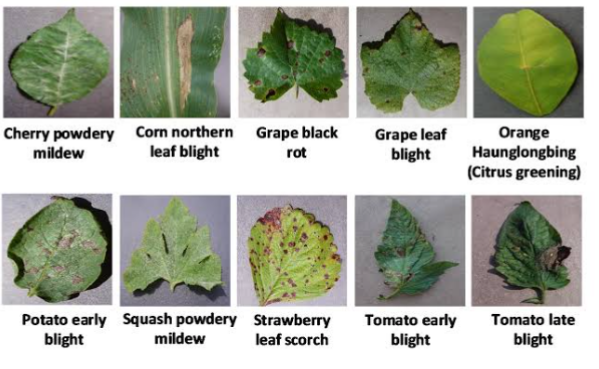
Disease of both crop and Livestock had constituted a major problem to farmers all over the world. Diseases had lead to general reduction in agricultural production over the years. All species of plants (wild and cultivated) are subject to disease.
In crop production, disease can cause total destruction of the crops if they are not Controlled. They are usually caused by pathogens resulting in physiological and anatomical abnormalities expressed in characteristic symptoms. Loss of crops from plant diseases may result in food insecurity.
DEFINITION OF PLANT DISEASES
Plant disease is any abnormal condition that alters the appearance or function of a plant. Such conditions can alter how plant grow; root, leaves and other parts of plant development; photosynthethc abilities; Nutrient absorption and water uptake; fruit formation etc.
Some of such conditions include; soil pH, minerals, water ( soil saturation), extreem weather condition, type of soil etc.
TYPES OF DISEASES
Plant diseases can majorly be grouped into two categories:
i. Biotic or infectious diseases
ii. Abiotic diseases (or disorders).
(This will be discussed below)
CAUSES OF PLANT DISEASES
Plant diseases are caused by microscopic organisms such as fungi, bacteria, viruses and nematodes.
i. FUNGI /OOMYCETES: The Oomycetes are majorly common in brown agae. They are major causes of plant diseases.
ii. BACTERIA: They gain entry into plants through wounds or any opening in the plants.
iii. VIRUSES / VIROIDS: Viruses are genetic material with a protein coat.
iv. NEMATODES: These are tiny worms within the soil.
FACTORS RESPONSIBLE FOR DISEASES
There are three factors responsible for diseases.
1. The pathogen
2. The host
3. The environment
Any reduction of any of the factors leads to a reduction of disease level.
1. HOST CONDITION: The plants at their different age stages are refer to as the host. A plant may be susceptible to a particular disease at different stages. For example, at maturity stage, Cocoa plant is susceptible to late blight and seedling blight at seedling stage.
SUSCEPTIBILITY : This is the degree to which a plant respond negatively to pathogens.
Factors that contribute to plant susceptibility to diseases are: insufficient nutrients and spacing between plants.
2. ENVIRONMENTAL CONDITION: This include temperature, wind, vectors carrying agents like insects, nutrient exudates on plant surfaces, chemical stimuli on wounds or natural openings in plants like stomata and lenticels etc
3. PATHOGENIC CONDITION: Pathogens can gain entry into plants through wounds made mechanically, vectors, fertilisation, through intact plants ( that is, plants without wounds but pathogens like fungi using it’s penetrating structure to gain entry into the plant)
EXAMPLES OF DISEASES THAT AFFECT PARTS OF PLANTS
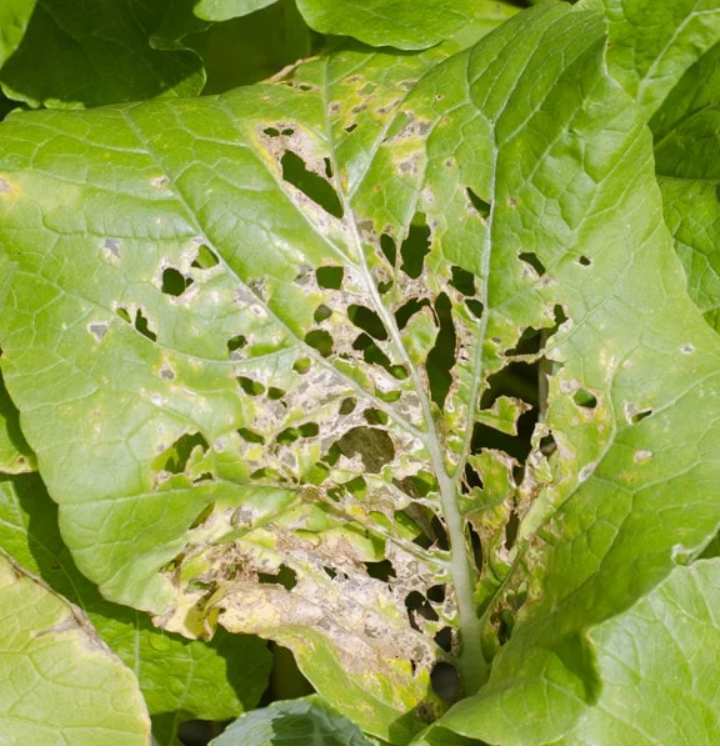
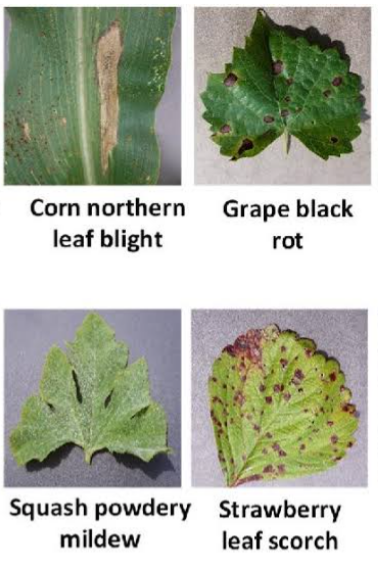
1. Leaves: powdery mildew, rust, necrotic spots, Chlorosis lesions and blight
II. Roots and stems: rot and damping off, Chlorosis
III. Fruits: white mildew, scabs, black knot, blossom End Rot etc.
DISEASE TRIANGLE
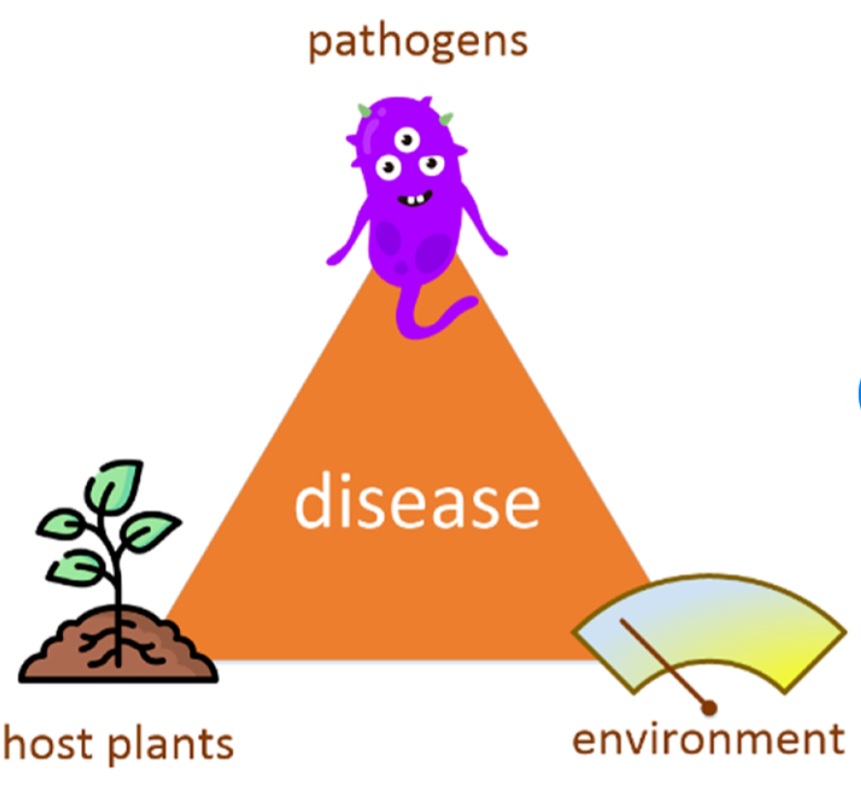
This is a triangle that shows the disease path. It shows the host plants, disease pathogens and their environment, showing how they relate together .The bottom of the triangle shows the interaction between the host and its environment. This is abiotic. While the whole triangle shows the interaction between the pathogen and hosts, pathogen and its environment and also the interaction between the three ( biotic) . Therefore, the disease triangle is a graphical representation that shows the path of the disease, whereby the plant disease caused by the pathogens is only going to develop when there is a susceptible plant host and the pathogens that infect the plant can only do so under a favourable environment condition for the disease to infect the plant. All plants are not susceptible to plant pathogens.The severity of the disease depend on the prevailence and the aboundance of the pathogens, susceptability of the plant to the disease and how conducive the environment is.
CLASSIFICATION OF PLANT DISEASES
Plant Diseases may be classified based on their nature of their Causative agents. Infectious (biotic) and non infectious (abiotic disorders) diseases.
i. BIOTIC OR INFECTIOUS DISEASES : These are diseases caused by bacteria, fungi, viruses, mycoplasmas, higher plants, nematodes, and protozoan etc. They are all plant pathogens. When diseases are released into plant through pathogens, plants respond. These response to plant pathogen are the symptoms that are visible and makes the plants become abnormal. Symptoms are useful in diagnosing a disease but are not definitive. Some symptoms are common to many diseases. Thesefore, giving reasons for consultation of experts called pathologists.
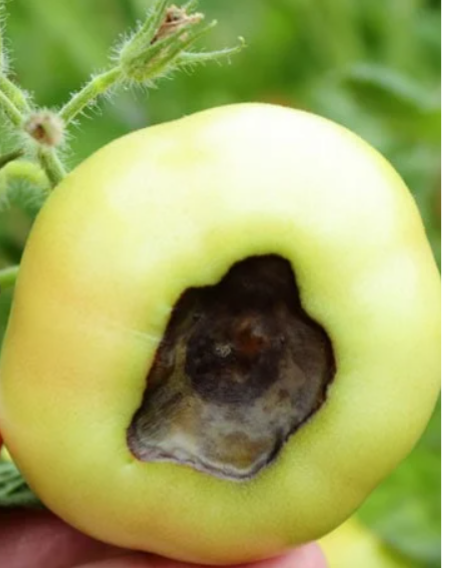
ii. ABIOTIC DISEASES (OR DISORDER) OR NON INFECTIOUS DISEASES : These are diseases caused by nutrient deficiencies, soil acidity, soil alkalinity, mineral toxicity, air pollution, toxicity of pesticides, insufficient or excess of moisture or light, and low temperature etc. without the involvement of pathogens. They are issues within the soil. Meaning they are caused by environmental conditions. This can be controlled by manipulating the environmental conditions around the crop. Example include; bossom end rot caused by hot or dry weather. It affects plants like pepper, tomatoes and squash. etc. Another is aeration dficiency which may be caused by overirrigation, saturated soils etc. When the soil becomes saturated over a period of time, the soil will change colour to bluish grey or black and produce a smell loke rotten egg smell. This can have a shor term effect and also long term effect. Wilting and permanent leaf drops are short term effects. While stunted growth, dieback, cankers etc are chronic effect of the disease.In addition, sunburn also calle scald is an abiotic disorder caused by exposure to excessive solar radiation.
HOW PLANT DISEASES OCCUR
For disease infection to occur in plants, series of events do take place. This can be seen in the disease cycle shown below.The events that causes disease infection in plantd include:
i. Innoculation
ii. Penetration
iii. Infection
iv. Dissemination
v. Overwintering
All these events make up the disease cycle.
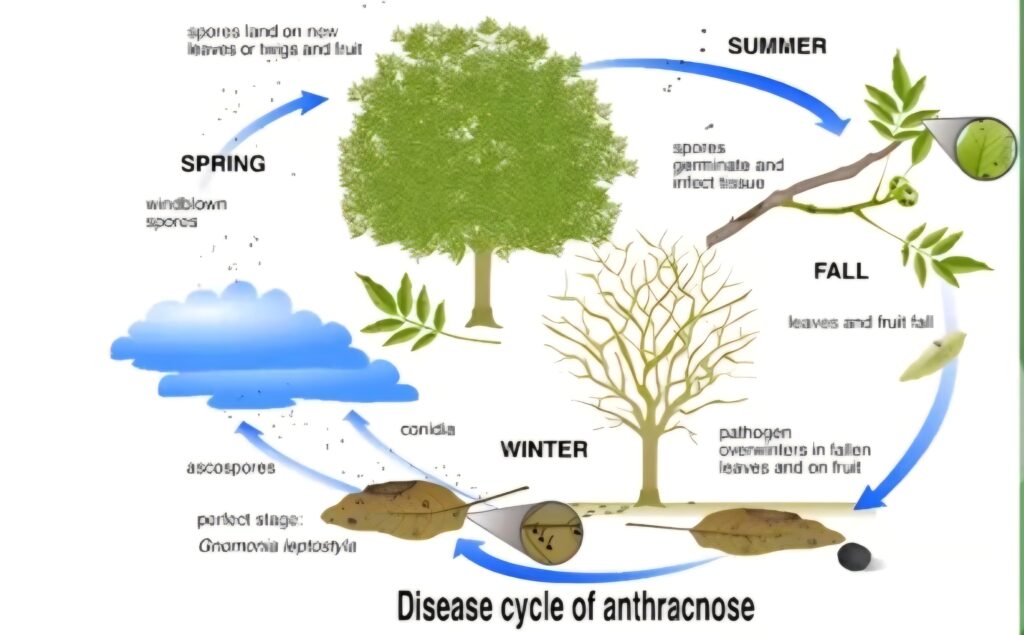
i. INNOCULATION: This is when the pathogens come in contact with the host plants. If the environmental conditions are not favourable, the pathogen may die at this first stage. Thus, the host plants may not be penetrated. Therefore, the plants are not infected by diseases.
ii. PENETRATION: Under favourable environmental conditions, the pathogens can penetrate the plants through wounds and any openings on them such as stomata or lenticels. But some pathogens will stay on the surface of the plant organs and not penetrate. Such is the powdery mildew and mold. They still cause diseases.
iii. INFECTION: This happens when the pathogens moves and grow in the host plants. At this stage, plants begin to show disease symptoms as they react to the presence of the pathogen.
iv. DISSEMINATION: This stage, pathogens move from plant to plants. These pathogens can move in a number of ways. They can move by; water splashing, irrigation water, wind, insect vector, even through human activities around the plants etc. This stage is when the distructive action of the pathogens takes place.
v. OVERWINTERING: This is the pathogen survival mechanism stage. Here, the host plant body is no more susceptible to the pathogen growth again. This occur during cold climatic conditions. Many of these pathogens are at their resting stage and are highly distructive at this stage. This is the best time to control plant diseases.
HOW PLANT PATHOGEN SPREAD INNOCULUM
Plant pathogen spread their innoculum by producing them on residue leftover, in soils, on leaves and other plant parts, in or on seeds planted, in soils sticked to farm implements or tools. These innoculum are carried through wind, by animals, itrigation water, rain splash, human activities, birds, insects etc.
DISEASES OF CROPS
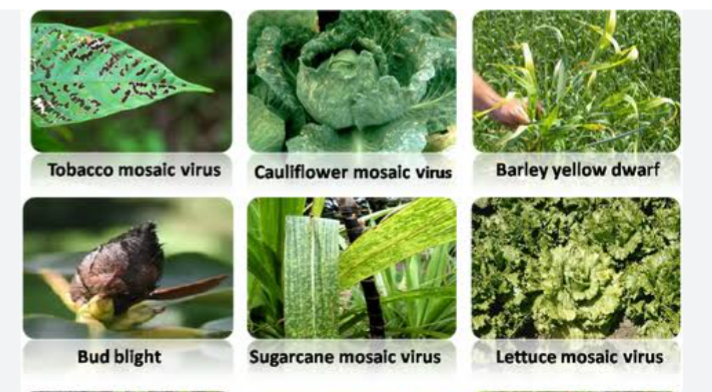
1. DISEASES OF CEREAL CROP.
a) DOWNY MILDEW: It is a fungal disease caused by Peronosclerospora sorghi on maize and sorghum, Sclerospora gramunicola on millet and Erysiphe gramunis on wheat.
Symptoms
-chlorotic streak on leaves
-necrosis
– retarded growth
Control
-destroy infected plants immediately
-In maize, early planting is recommended
– treat seed with fungicides
-plant resistant varieties
2.RUST: It is a fungal disease caused by basidiomycetes. It affect crops like sugar cane, maize, millet etc. Puccinia saccharin on sugarcane, Puccinia polysora on maize and Puccinia penniseti on millet. It is one of the most destructive plant disease that affect leaves, stems and flowers
Symptoms
-rusty brown pustules on leaf surface
-chlorotic leaves
Control
-plant resistant varieties
3. SMUT: It is a fungal disease caused by basidiomycetes. It affect maize and sorghum. Sphaceiotheca reiliana on maize and Sphaceiotheca sorghi on sorghum.
Control:
-treat seeds with fungicides
-plant resistant varieties
4. Streak virus disease
It is a viral disease transmitted by leafhopper (Cicadulina spp). It infest maize plant.
Symptoms
-narrow chlorotic streaks along leaf veins
Control
-plant resistant varieties
Other diseases of cereals are blast disease of rice, blight, honeydew disease, leaf spot, anthracnose, nematode diseases.
DISEASES OF LEGUMES
1. ANTHRACNOSE : it is a fungal disease caused by Collectrichum hindermuthianum. It affect cowpea, other legumes, decideous and evergreen tress and shrubs, fruits and vegetables.
It spread by rain splash, and wind blowing
Symptoms
-lesion on seeds
– pod loss
– purple brown discoloration of petiole, leaf veins and stem
– it usually infect the aerial parts of the plants -Blight -Cankers
Control
-Crop rotation
-plant resistant varieties
-treat seed with fungicides
2.BLIGHT: It is a fungal disease that affect cowpea. It is caused by Corticium solani, and Sclerotium roffsii
Symptoms
-red brown spot on leaves
-lesions on leaves and stem
Control
-avoid overcrowded planting
-avoid sowing in the rain
– plant resistant varieties
3. GROUND NUT ROSTETTE DISEASE
it is a viral disease transmitted by aphids
Symptoms
-chlorotic leaves with mottled appearance
-pale yellow mosaic on veins and stems
– reduced flower and nut formation
Control
– early planting
-close spacing when planting
-destruction of alternative host
4. LEAF AND POD SPOT:
It is caused by Ascochyta pisi on peas. The disease is both soil and seed borne.
Symptoms
-leaves shrivels and dry
Control
-seed dressing
-crop rotation
Other diseases of legumes include fusarium wilt, rust, downy mildew, virus diseases, leaf spot of ground nuts, and nematode diseases etc.
DISEASES OF ROOT AND TUBER CROPS
1. ANTHRACNOSE: It is a fungal disease caused by Collectrichum gloeosporioides. It infect cassava (Manihotis).
Symptoms
– dark brown to black lesions on leaves, petiole and stems
-canker
Control
-plant resistant varieties
-practice mixed cropping
-staking
-crop rotation
2. CASSAVA MOSAIC VIRUS
it is caused by a vector called white fly (Bemisia tabaci).
Symptoms
-mosaic pattern on leaves,
– puckering, distortion and reduced leaves
Control
– plant resistant varieties
-Quarantine
-manipulation of planting date
-sanitation
3. ROT: This is a disease of sweet potato, cocoyam. It is a fungal disease caused by Ceratocystis fimbriata. It infect the roots and tubers.
Symptoms
-sunken black lesions
-brown necrotic lesions on roots.
-plant wilt
Control
-crop rotation
– avoid mono-cropping.
Other diseases of roots and tubers are blight, leaf spots, and nematode diseases
DISEASES OF TREE CROPS
1. FIRE BLIGHT: This is a bacteria disease caused by the bacterium Erwinia amylovera. This bactrria are mostly active during warm weather conditions. It is spread by water splash, rain, and during flower pollination
HOST: The hosts of these bacteria is the pome trees like pear and apple etc.
SYMPTOMS: Sudden wilting, shriveling and blackening of the shoots, blossoms and the fruits.
TREATMENT AND CONTROL: Because the bacterium is a water loving organism, water usage should be reduced to the crop needs only. Splashing of water during plant growth and production shold be discouraged, planting of resistant varieties, and cutting of infected parts of plants and disposing properly.
. Diseases of vegetable crops : blight, damping off, leaf spot, virus diseases, and bacterial diseases etc.
PLANT DISEASE MANAGEMENT
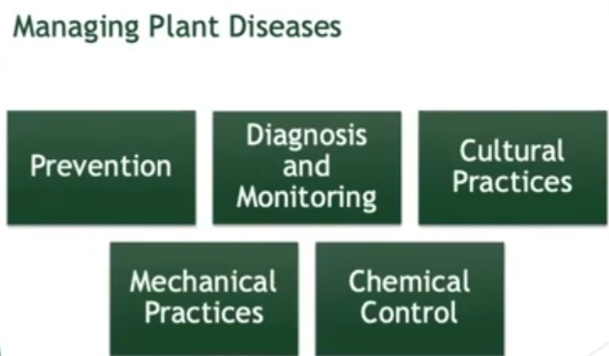
Management practices used to overcome any plant disease outbreak include: Prevention, diagnosis and monitoring, cultural practices, mechanical practices and chemical control methods. A combination of these practices can also be used to control diseases.These plant disease control can be categorized into two contro measures.
i. prophylaxis
ii. Disease resistance
i. PROPHYLAXIS: This involves the protection of the host plants from exposure to pathogens, from infection and environmental factors favourable to disease development. Disease management begins with accurate diagnosis.
ii. DISEASE RESISTANCE: This means improvement on the resistance of the hosts to infection and to disease development
a. PREVENTION: One of the prevwntive measures used to manage plant diseases is the planting of resistant varieties. Resistant plant varieties are plant varieties with natural tolerance or resistance to diseases. Some varieties bred for resistance include; Root knot nematode resistance or tolerance vegetable varieties, Apple varieties resistant to apple scab, powdry mildew and fire-blight.
b. DIAGNOSIS AND MONITORING: Diagnosis and monitoring start from visual observation and identification of the disease right on the field during the plant growth period. After which proper planing to manage the disease can then be carried out. Regular monitoring of plant must be carried out. Note that not all plants are susceptible to all plant diseases. Some are not. A guess can be made based on disease symptom. But a laboratory diagnosis can be made to be sure of the type of disease and its symptoms. To diagnose, the plant host and the possible diseases must be known. This is because different diseases may produce thesame or similar symptoms and also symptoms vary with plants, the environments and pathogen. For example, during dry periods, plants may wilt. Likewise, some disease infection shows sign of wilting. Therefore, plants should be checked regularly for symptoms and signs so as to administer the proper treatment. . The plant roots should be checked occationally as roots lie within the soil horizons and not exposed. Some examples of disease symptoms include; wilting, chlorosis or yellowing of leaves, some plants may develop bigger leaves while others are small, necrotic tissues may occur, curlness of leaves, stunted growth, colour patches on leaves, rottening of fruits etc.It is imporant to respond quickly to any disease outbreak as diseases spread quickly and faster.(READ MORE ON PLANT DISEASE DIAGNOSIS BELOW)
c. CULTURAL PRACTICES: An example is sanitation. Maintaining a clean environment around the plant and the farm is important. Not only inanaging diseases but also in preventing pests from causing damages. It helps reduce innoculum and prevent spread of diseases. Working on infected areas may redult to the disease spreading to the plants from the area When seeds are to be sown, analyse the soil for infection free areas and sow the seeds in uninfested areas first. Other sanitation operations that can be carried out include; cleaning of shoes, farm tools and implements, disinfect all tools as they may carry inocculum, and any diseased plants should be rogued or uprooted and and disposed properly by burning or through any other disposable methods that will prevent further spread of the diseases. Another cultural practice is irrigation management. Moisture is a major medium through which most pathogens like fungi and bacteria thrive and cause their damage especially the soil borne pathogens. Therefore, one major way of managing them is to reduce or prevent moisture build up around or on the plants. Also, overhead watering can splash pathogens from the soil to underneath the plant leaves. Thus, causing infection.It is important for farmers to know their plants, amount of water the plants need and not apply in excess is important, what type of soil are they using for their planting operation, is the soil a poorly drained soil or a well drained soil,what type of root does the plant has etc. Note that plant root needs oxygen and water. The soil in which the plant is growing must not be saturated, even though some crops can survive is saturated soils. Therefore, knowing the water requirement of crop will help keep the plant is healthy conditions. When watering the plants, water should be applied close to where the roots are and not on the trunks. Watering the trunk can expose the plant to rot diseases. The best type of irrigation recommended is drip irrigation.
d. MECHANICAL CONTROL: One of the mechanical prevention practices is Prunning. Its one of the ways to reduce pathogen infection on plants. Use of prunning at the wrong time of the year can result to plant damage or futher spread of diseases on infected plants.Prunning can be carried out on plants by cutting through the healthy uninfected parts of the plant part and not through the infected areas. This can further spread the diseases as the tool may become infected and the left over infected part on the plant still spread the diseases. Cut off diseased parts of the plant should be disposed off properly away from any other plants. It can be burnt, decomposed or buried etc.
Prunning has many advantages to the plant. It induce succulent new growth, prevent disease spread, proper aeration etc.
e. CHEMICAL CONTROL: Pesticides used on pathogens include; fungicides, bactericides, nematicides etc. They kill the pathogens that causes diseases . Apart from these their wonderful benefits, they also have harmful effects on the environment if not applied properly. Accurate identification of the disease and proper timing of application of the chemicals are crucial when spraying pesticides to kill pathogens . For example foliage infection like powdery mildew can be controlled by spraying the leaves with appropriate fungicides at the appropriate timing. Note that most of these pesticides like fungicides only protect the infected plant and not to cure them with exception to powdery mildew.
PLANT DISEASE DIAGNOSIS: It is possible to diagnose plant disease by visualising the symptoms alone. But to determine whether the disease is caused by infectious agents or not, detailed site, plant information and laboratory analysis are required. To diagnose a plant disease, plant samples must be collected from the field and analysed in the diagnostic laboratory after which the disease can be identify and managed
The best management practices is to avoid the diseases before their outbreak. Disease Prevention on the other hand is not always possible.
There are some principles to adhere to in disease management. This disease management principles include:
1. Exclusion : preventing pathogen introduction to areas where they do not currently exist
2. Avoidance : to inhibit establishment of pathogens that exist in other areas.
3. Resistance : selecting plants with increase tolerance to pathogens
4. Protection : steps taken to protect plants form infections
5. Eradication : limiting pathogen spread once a plant is infected
The most important plant disease management practice is sanitation.
TERMINOLOGIES
PATHOGENS : These are disease inducing organisms which passes through a regular cycle of development and reproduction
PHYSIOLOGICAL FACTORS: These are inanimate objects which may be physical, chemical and or environmental factors which are essential for normal growth of plants but when deficient or in excess lead to diseases. Examples are water, heat, inorganic salts.
CHLOROSIS : yellowish colouration of green plant parts due to failure of chlorophyll formation or destruction
LESION: This is a viral disease symptom showing intermingled patches of green parts of plants
DAMPING OFF: Destruction of seedlings close to parts near the soil which result to falling over or decay of seeds in soil
DOWNY MILDEW: This is a fungi spore growing on the lower surface of leaves, stems and fruits or on upper surface of leaves
PUSTULE: Small raised blisters on plants epidermis as a result of emerging spores of disease agents
NECROSIS: process of killing (death) plant tissues.
BLIGHT: rapid discoloration, wilting and death of plant tissues
BLOTCH: Large spot on leaves, shoot or fruits
BRONZING: leaves or needles turn bronze in colour
DIEBACK: Progressive death of shoots, branches or roots starting from the tip.
WILTING : drooping of leaves or other plant parts
MOSAIC : non uniform foliage coloration. Normally intermingling of green colour and yellow patches
MOTTLE: irregular pattern of light and dark area on plant.
ROT: decomposition and destruction of tissues
RUSSET: yellowish brown or reddish brown scar tissues on a fruit surface
SCAB: crust-like disease lesion
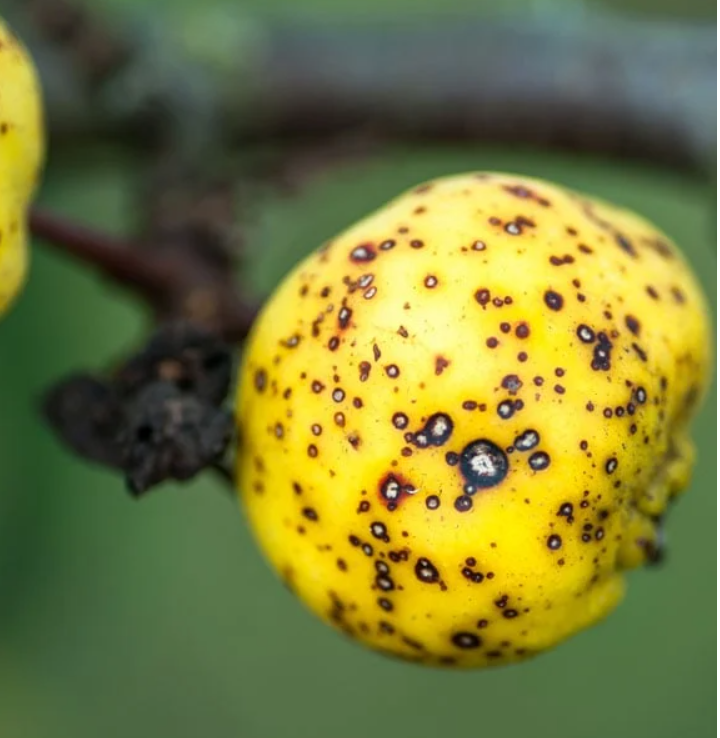
RING SPOT: lesion with a dark outer ring and lighter center
SCORCH: browning and necrosis of leaf marging
STUNTING: reduced growth of a plant, where plant or plant parts are smaller than normal
GALL : abnormal, localised swelling on leaf, stem and root tissues
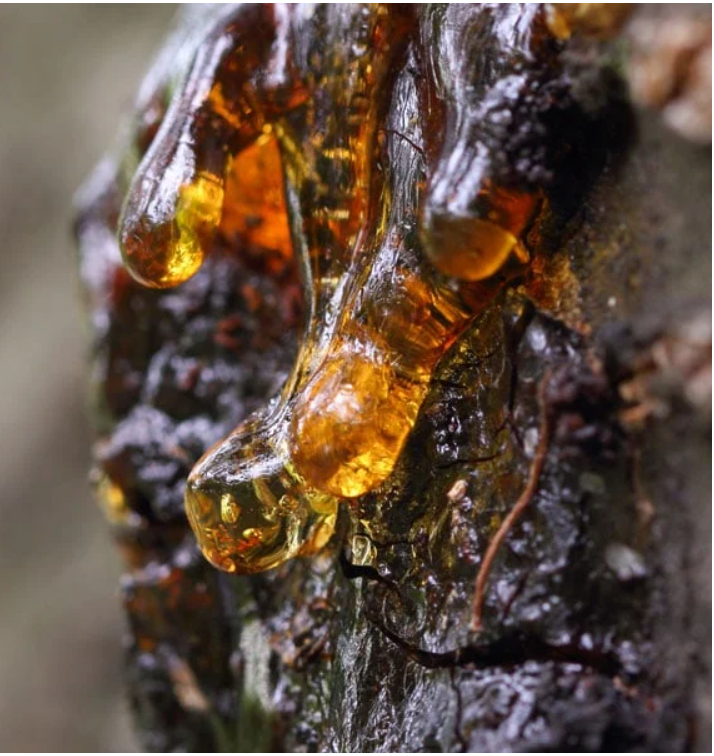
GUMMOSIS: production of sticky gum that is extruded by the plant
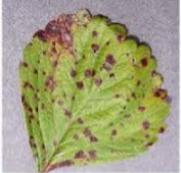
LEAF SPOT: lesion on a leaf, which may vary in size, colour and shape.
SYMPTOMS: These are the visible effects of diseases on plants. It is useful in defining plant diseases.
PATHOGEN: These are disease causing organisms like fungi, bacteria, nematodes etc.
SIGNS: These are the physical evidence of the pathogen shown on the plant. It is caused by a biotic plant disease.
INNOCULUM: This is the part of the pathogen that can infect the host plant. Example is the spores.