INTRODUCTION
Today, farmers are looking for alternative cultivation inputs that will reduce the cost of crop cultivation and increase yield and profit. Since the introduction of inorganic fertilizers as an alternative to organic fertilizers, an increase in yield has being experienced. But with the use of these chemical fertilizers, a lot of side effects has being experience. Residual effects of these chemical fertilizers in food stuffs and feeds, illnesses like cancer, loss of tastes, quick spoilage of stored produce etc has being experienced. Also with these, eventhough the amount reqiured for application is so little to create its effect, the cost of purchase is unbearable for poor farmers or subsistence farmers. In Nigeria for example, farmers now resort to alternative nutrient source that reduce costs of production by using rice straw, maize cobs, poultry droppings, and cassava peels and even compost these listed materials.
Thanks to researchers, scientists and agronomists who have devices several other alternative technologies of which mushroom compost is one of such.
To have a better understanding of mushroom compost, let’s dive into how mushrooms are cultivated.
What is mushroom compost?
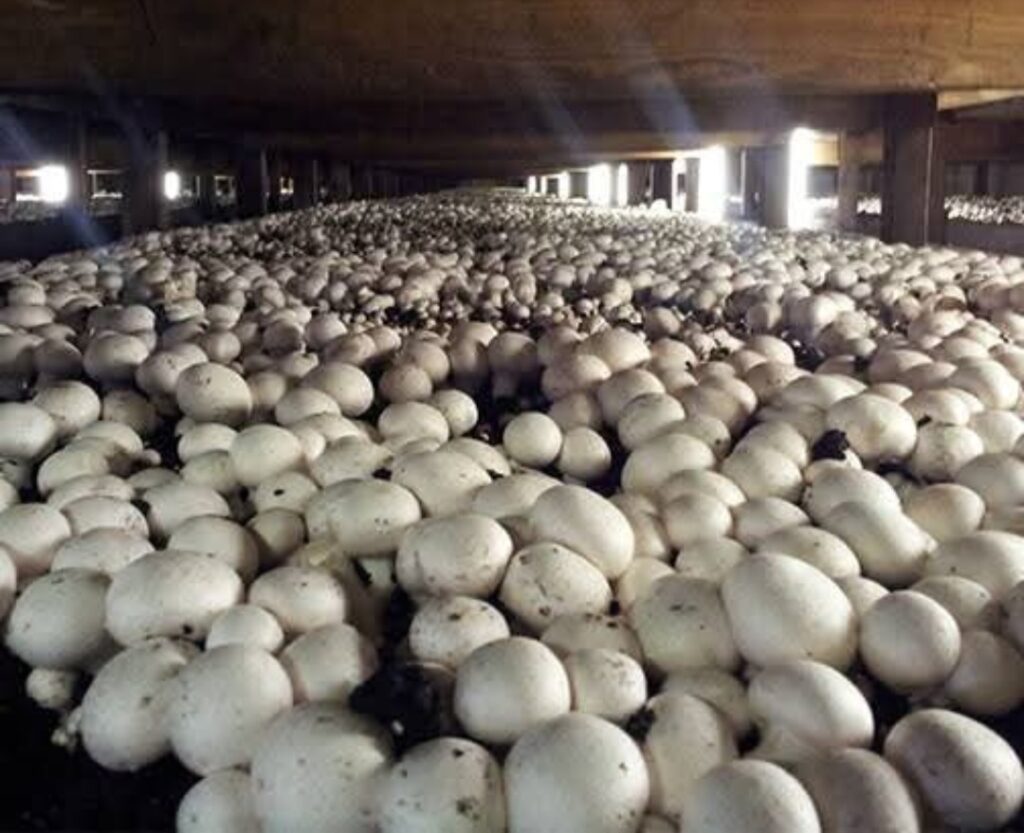
Mushroom compost is a by-product of mushroom farming. When the substrate in which mushrooms are grown is no longer suitable, it is still valuable for gardeners. This mushroom substrate contains hay, straw, poultry or horse manure, and crop residues such as corn cobs and cocoa shells. The exact composition of the growth substrate varies from grower to grower. The substrate is composted for about 30 days at 160 degrees to kill weed seeds, pests, or disease pathogens. Additionally, it is steam-pasteurized at about 140 degrees F to kill any pests and pathogens that could cause surface diseases. Then the medium is inoculated with mushroom spawn, or mycelium, and covered with sphagnum moss and ground limestone to support the mushroom growth.
After mushrooms have been harvested for about three to four weeks, the medium’s ability to sustain mushroom growth is exhausted and replaced with fresh mushroom soil for a new batch of mushrooms. The substrate is then sold in bags or bulk, often labeled as SMC.
AN OVERVIEW OF MUSHROOM CULTIVATION
Mushrooms are the fruiting bodies of fungi, organisms that belong to the kingdom Fungi. Unlike plants, mushrooms do not contain chlorophyll and therefore cannot produce their own food through photosynthesis. Instead, they obtain nutrients by breaking down organic matter such as wood, straw, leaves, and manure. This process makes mushrooms important decomposers in natural ecosystems, helping recycle nutrients back into the soil.
Mushrooms have been used by humans for food, medicine, and cultural purposes for thousands of years. Today, they are widely cultivated because of their nutritional value, economic potential, and environmental benefits.
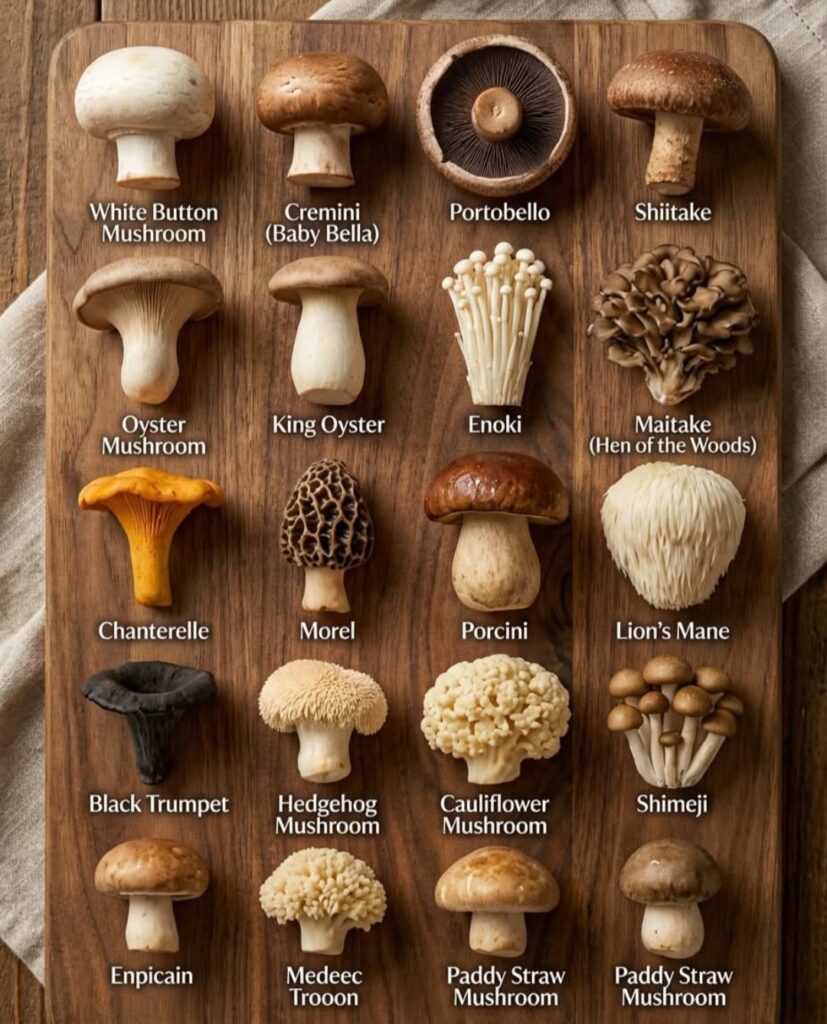
The most widely cultivated edible mushrooms in the world include:
Agaricus bisporus – commonly known as the button mushroom.
Pleurotus ostreatus – known for its fast growth and adaptability.
Lentinula edodes – popular in Asian cuisine and medicinal uses.
These species are cultivated commercially because they grow well on agricultural waste materials and produce high yields.
IMPORTANCE OF MUSHROOM CULTIVATION
Mushroom farming has become an increasingly important agricultural activity worldwide. It contributes significantly to food security, income generation, and environmental sustainability.
1. NUTRITIONAL IMPORTANCE
Mushrooms are considered highly nutritious foods. They contain:
i. High-quality proteins
ii. Essential amino acids
iii. Vitamins (B-complex, D)
iv.Minerals such as potassium, phosphorus, and iron
v. Dietary fiber
vi. Antioxidants
Because of these nutrients, mushrooms are often described as “functional foods”, meaning they provide both nutritional and health benefits.
2. ECONOMIC IMPORTANCE
Mushroom farming is one of the most profitable small-scale agricultural enterprises because:
i. It requires little land space
ii. It has short production cycles
iii. It uses cheap agricultural waste materials
iv. It provides quick financial returns
For entrepreneurs and farmers, mushroom production offers an opportunity to establish a sustainable agribusiness with relatively low capital investment.
3. ENVIRONMENTAL IMPORTANCE
Mushrooms play a key role in waste recycling. Agricultural by-products such as:
Rice straw
Wheat straw
Corn cobs
Sawdust
Banana leaves etc
all can be converted into valuable food through mushroom cultivation. This helps reduce environmental pollution while producing nutritious food.
GLOBAL STATUS OF MUSHROOM PRODUCTION
Mushroom cultivation has expanded rapidly over the past few decades. Several countries dominate global mushroom production, especially in Asia and Europe.
The leading producer of mushrooms in the world is China, which accounts for more than half of global production. Other major producers include:
United States, Netherlands, Poland and India.
These countries have developed advanced mushroom cultivation technologies and large-scale commercial farms.
In Nigeria, mushroom farming is still developing but has significant potential due to the availability of agricultural waste and increasing consumer demand.
HISTORY OF MUSHROOM CULTIVATION
The history of mushroom cultivation dates back many centuries.
Ancient civilizations in China and Japan cultivated mushrooms as early as 600–1000 AD.
Early cultivation techniques involved growing mushrooms on decaying wood logs.
In the 17th century, commercial cultivation of mushrooms began in France, particularly around Paris, where mushrooms were grown in underground caves.
Since then, mushroom cultivation has evolved into a scientific and commercial industry using controlled environments, sterilized substrates, and improved spawn technology.
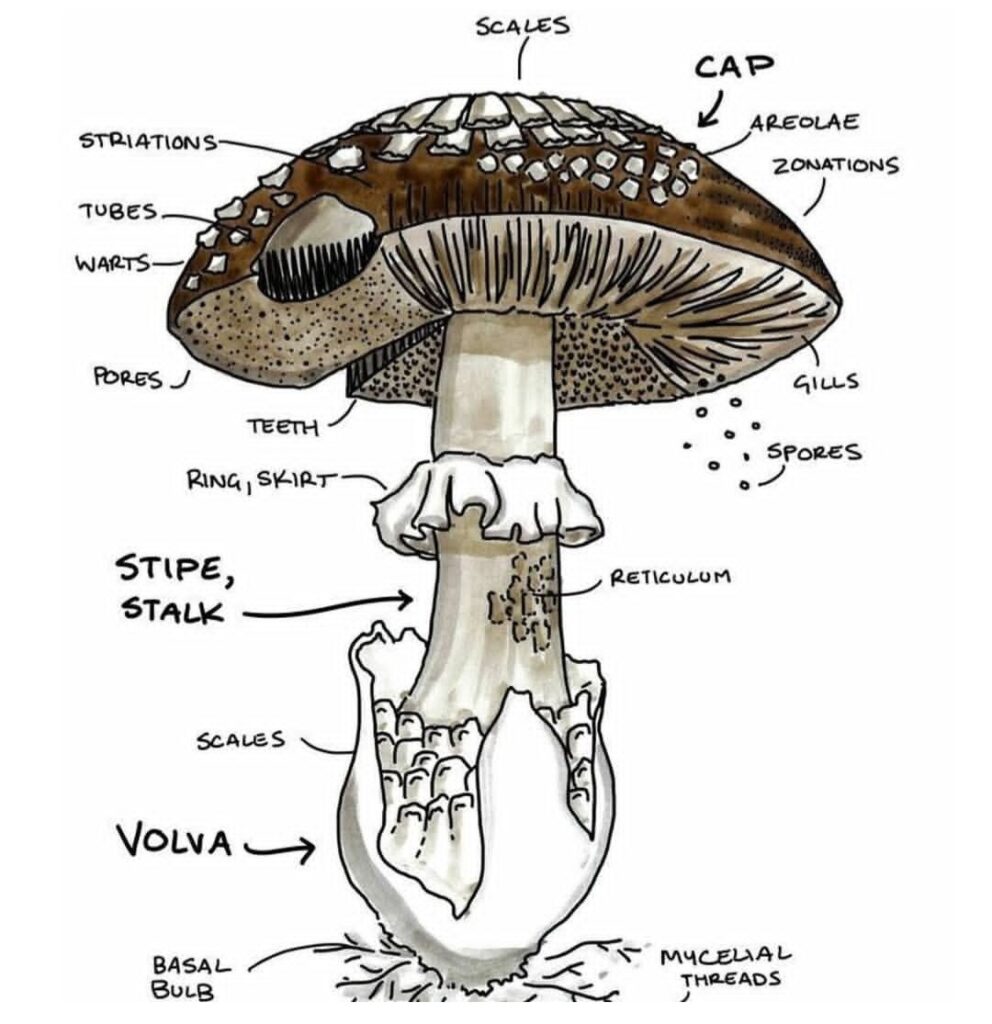
CHARACTERISTICS OF MUSHROOMS
Mushrooms possess several unique biological characteristics:
1. Fungi Organisms – Mushrooms belong to the kingdom Fungi rather than plants.
2. Mycelium Growth – The vegetative part of a mushroom is called mycelium, which grows inside the substrate.
3. Spore Production – Mushrooms reproduce through spores instead of seeds.
4. Rapid Growth – Many mushroom species grow very quickly, sometimes within days.
5. Substrate Utilization – Mushrooms grow on organic materials such as straw, wood, or compost.
These characteristics make mushrooms highly suitable for controlled indoor cultivation.
ADVANTAGES OF MUSHROOM FARMING
Mushroom cultivation offers many advantages compared to traditional crop farming.
1. Low Land Requirement
Mushrooms can be grown in small spaces, including rooms, sheds, or containers.
2. Short Production Cycle
Some species such as oyster mushrooms can be harvested within 3–4 weeks after planting.
3. Waste Recycling
Mushrooms convert agricultural waste into valuable food products.
4. Employment Opportunities
i. Mushroom farming creates jobs in:
ii. Spawn production
iii. Mushroom cultivation
iv. Processing
v. Marketing
5. High Market Demand
Mushrooms are increasingly demanded in restaurants, supermarkets, and health food markets.
CHALLENGES IN MUSHROOM CULTIVATION
Despite its benefits, mushroom farming also faces some challenges:
Lack of technical knowledge
Poor quality spawn
Pest and disease problems
Limited storage and processing facilities
Market access issues
However, with proper training, improved technology, and good management practices, these challenges can be minimized.
MAJOR CONSIDERATIONS FOR REUSING MUSHROOM COMPOST
Mushroom compost (also called mushroom substrate) is a nutrient-rich growing medium used for cultivating mushrooms. It is made by composting organic materials such as straw, manure, and agricultural waste so that they become suitable for mushroom growth. This mushroom compost can be recycled and use for growing crops like vegetables, potted plants, flowers etc.
The major considerations for recycling mushroom compost include:
Best Uses: Ideal for amending garden beds, top-dressing, or mixing into container soil for vegetables, fruits, and flowers.
Mixing Ratios: Do not use it straight; blend it with other materials, usually at a 50/50 or 75/25 ratio (soil/compost to mushroom compost) to prevent waterlogging and manage salt levels.
Soil Benefits: Improves water retention in sandy soils and breaks up heavy clay.
Avoid: Do not use on acid-loving plants (e.g., azaleas, rhododendrons) or delicate seedlings, as it can be too alkaline or salty.
Nutrient Profile: Contains essential nutrients, though it is lower in nutrients than when first used for growing mushrooms, making it a great organic matter source.
MUSHROOM COMPOST AND SUBSTRATE PREPARATION
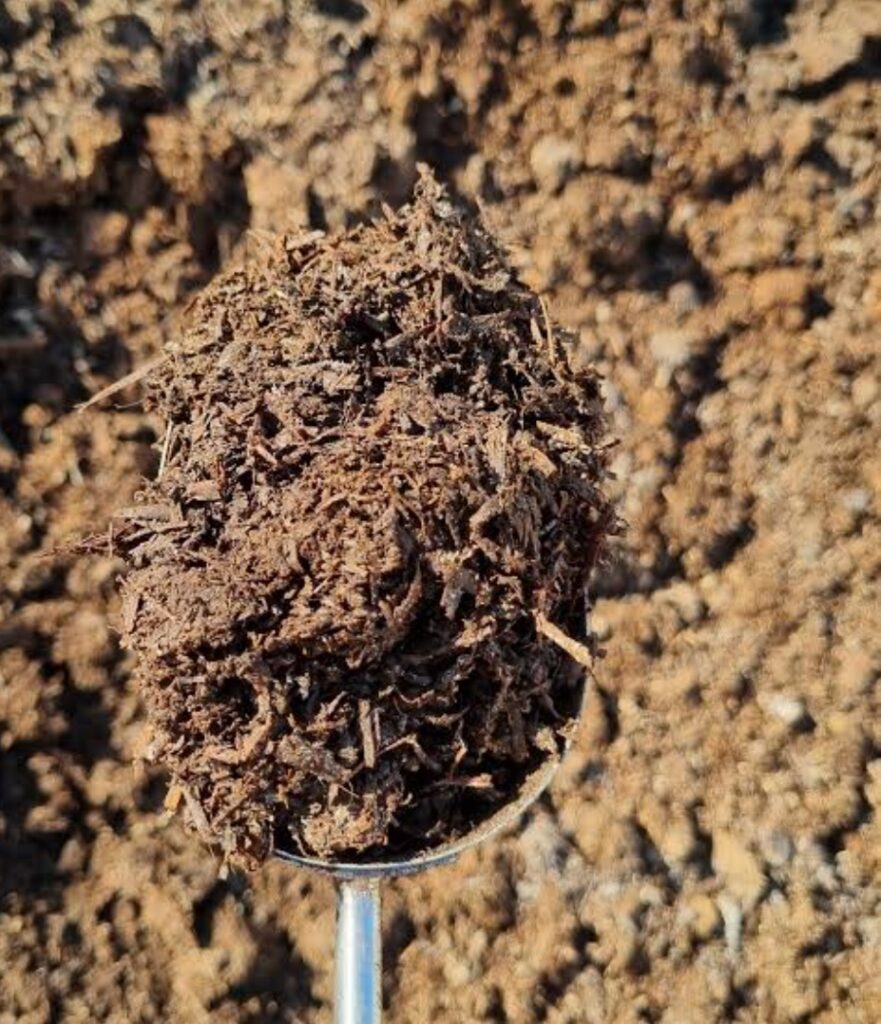
Mushroom Compost ( Spent mushroom substrate) reused as growing media.
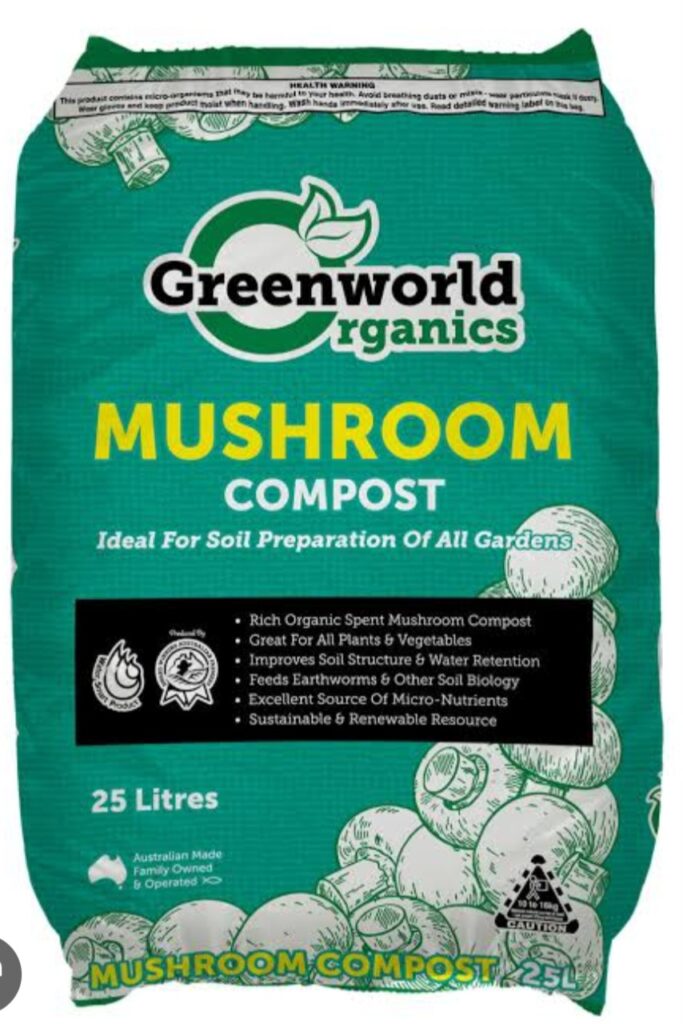
Mushroom compost, also called Spent mushroom substrate is a valuable by-product from mushroom farming, made from the growth medium left after mushrooms are harvested and more accurately called mushroom soil. Similar to regular compost, it is often praised as “black gold” because it can enhance the soil and boost plant growth when used effectively. This is due to the fact that it is an excellent, nutrient-rich soil amendment for recycling as growing media, best used as a 25%–50% mix with potting soil, compost, or sand rather than alone. It improves moisture retention, breaks up clay, and suits vegetables, but its high pH and salts make it unsuitable for acid-loving plants. For example, most garden crops benefit from mushroom compost as a soil amendment, especially plants that tolerate higher salt content and benefit from additional calcium, such as tomatoes.
ADVANTAGES OF MUSHROOM COMPOST
Rich in nutrients
Improves soil structure
High water-holding capacity
Supports healthy mycelium growth
Can later be reused as organic fertilizer
DETERMINANT OF MUSHROOM YIELD
Unlike green plants that produce food through the process called photosynthesis, mushrooms depend entirely on organic materials for their nutrition. Therefore, the quality of the substrate used in mushroom cultivation plays a major role in determining mushroom yield, quality, and profitability.
Different mushroom species require different types of substrates. For example, composted substrates are commonly used for Agaricus bisporus, while non-composted substrates such as straw or sawdust are widely used for Pleurotus ostreatus.
Substrate preparation involves collecting, mixing, conditioning, and sterilizing organic materials to create an ideal environment for mushroom mycelium growth.
After harvesting the mushroom, most farmers descard the grow media. This grow media left is called the mushroom compost, which can be recycled for growing crops.
IMPORTANCE OF MUSHROOM COMPOST
The substrate used in mushroom farming performs several important functions:
1. NUTRIENT SUPPLY
It provides essential nutrients such as carbon, nitrogen, minerals, and vitamins needed for mushroom growth.
2. WATER RETENTION
A good substrate holds sufficient moisture to support the growth of mushroom mycelium.
3. STRUCTURAL SUPPORT
The substrate supports the mushroom mycelium and developing fruiting bodies.
4. MICROBIAL ACTIVITY
Proper composting encourages beneficial microorganisms that help break down organic materials into nutrients accessible to mushrooms.
CHARACTERISTICS OF A GOOD MUSHROOM SUBSTRATE
A good mushroom growing medium should have the following qualities:
Adequate nutrient content
Good water-holding capacity
Proper aeration
Suitable pH level (6.0–7.5)
Free from harmful microorganisms
Soft and fibrous texture
Poor-quality substrates can lead to low yields, contamination, and poor mushroom growth.
TYPES OF SUBSTRATES USED IN MUSHROOM CULTIVATION
Various agricultural wastes can be used as substrates for mushroom cultivation.
1. STRAW-BASED SUBSTRATES
Straw is one of the most widely used materials in mushroom farming.
Common straw materials include:
Wheat straw
Rice straw
Barley straw
These materials are commonly used for cultivating Pleurotus ostreatus and Volvariella volvacea.
ADVANTAGES OF STRAW-BASED SUBSTRATES
i. Easily available
ii. Low cost
iii. Good structure for mycelium growth
2. SAWDUST SUBSTRATE
Sawdust from hardwood trees is commonly used for mushrooms that grow naturally on wood.
Examples include:
Lentinula edodes
Auricularia auricula-judae
Sawdust substrates are often mixed with supplements such as:
Wheat bran
Rice bran
Soybean meal
These supplements increase the nutrient content of the substrate.
3. COMPOST-BASED SUBSTRATES
Composted substrates are mainly used for growing Agaricus bisporus.
Typical compost materials include:
Wheat straw
Poultry manure
Horse manure
Gypsum
These materials undergo a controlled composting process before use.
4. AGRICULTURAL WASTE SUBSTRATES
Many agricultural residues can be used for mushroom cultivation, including:
Corn cobs
Sugarcane bagasse
Banana leaves
Cotton waste
Groundnut shells
Cassava peels
These materials are abundant in tropical regions such as Nigeria and can significantly reduce production costs.
SUBSTRATE PREPARATION METHODS
Proper preparation of mushroom substrates is essential to eliminate contaminants and promote healthy mycelium growth.
1. CHOPPING OR SHREDDING
Large materials such as straw should be chopped into 3–5 cm pieces. It’s benefits include:
i. Increased surface area
ii. Improved moisture absorption
iii. Better mycelium colonization
2. SOAKING
Substrate materials should be soaked in water for 12–24 hours. This process:
i. Softens the material
ii. Increases moisture content
iii. Activates microbial activity
3. DRAINING
After soaking, excess water should be drained. Ideal moisture content of the substrate should be between 60–70%.
Too much water can cause contamination and poor aeration.
4. PASTEURIZATION OR STERILIZATION
Substrates must be treated to destroy harmful microorganisms. This can be done through two processes. Pasteurization and sterilization.
a. PASTEURIZATION: Pasteurization involves heating the substrate at 60–70°C for several hours.
This method is commonly used for: Straw and Agricultural wastes.
b. STERILIZATION: Sterilization involves heating the substrate at 121°C in an autoclave or pressure cooker.
This method is often used for sawdust substrates and laboratory spawn production.
SUPPLEMENTATION OF MUSHROOM SUBSTRATE
Sometimes the substrate is enriched with additional nutrients to improve mushroom yield.
Common supplements include:
Wheat bran, Rice bran, Corn flour, Soybean meal, Cottonseed meal.
However, excessive supplementation may increase the risk of contamination.
FILLING SUBSTRATE INTO CONTAINERS
Prepared substrates can be placed into different cultivation containers.
Common containers include:
Plastic grow bags
Wooden boxes
Plastic trays
Shelves or beds
Grow bags are widely used because they are cheap, convenient, and easy to manage.
COMMON PROBLEMS IN SUBSTRATE PREPARATION
Several issues may arise during substrate preparation.
a. CONTAMINATION
Contamination may occur due to:
i. Poor sterilization
ii. Dirty equipment
iii. Unclean environment
Common contaminants include bacteria and molds.
2. INCORRECT MOISTURE LEVEL
Too much moisture may cause:
i. Bad odor
ii. Mold growth
iii. Poor mycelium growth
Too little moisture may slow down mushroom development.
3. POOR AERATION
Compacted substrates reduce oxygen supply and hinder mushroom growth. Proper substrate structure is therefore important.
ENVIRONMENTAL BENEFITS OF MUSHROOM SUBSTRATES
Mushroom farming contributes to environmental sustainability by recycling agricultural waste materials. Some of its
benefits include:
i. Reduction of farm waste
ii. Production of organic fertilizer
iii. Improvement of soil fertility
Spent mushroom substrate can be used as organic compost for crop farming.
THE PROS AND CONS OF MUSHROOM COMPOST
Mushroom compost is not a cure-all for garden soil. It has benefits and disadvantages.
THE PROS AND CONS OF MUSHROOM COMPOST
i. Mushroom compost supplies macronutrients (nitrogen, phosphorous, potassium), and micronutrients (calcium, magnesium, iron) to the soil Nutrient composition varies depending on the materials used
ii. It is high in organic matter, which increases the water-holding capacity of the soil, and boosts the activity of beneficial soil microbes
iii. It is high in soluble salts and other nutrients, potentially kills germinating seeds, harms young seedlings, and causes damage to salt-sensitive plants
iv. It improves the structure of clay and compacted soils, which increases drainage
v. It is pricey and not readily available
vi. It is suitable for most garden plants, both edibles and ornamentals
vii. It contains high calcium content, thus, increases the soil pH and makes it too alkaline. This high levels of calcium benefit some crops, such as tomatoes.
DIFFERENCES BETWEEN MUSHROOM COMPOST AND REGULAR COMPOST
MUSHROOM COMPOST vs. REGULAR COMPOST
Mushroom compost and regular compost are not interchangeable due to some differences between them.
i. All compost varies in composition, unlike commercial fertilizer, where the label gives a detailed analysis of the nutrients. Mushroom compost which has already been used as a growing medium, had been analyzed and discovered to generally contains less nitrogen than regular compost. It may be a good choice for soil already rich in nitrogen since excess nitrogen leads to overgrowth of foliage and stunted roots.
ii. Mushroom soil also contains more calcium than regular compost due to the addition of chalk. Plants like tomatoes do well in a calcium-rich soil which helps tamp down blossom-end rot. However, calcium increases the soil pH level which is problematic for plants like blueberries that need acidic soil.
MUSHROOM COMPOST vs. MANURE
Mushroom compost and manure are two different soil amendments, not only in their composition but also in their use.
i. Mushroom compost contains a wide range of organic materials, including horse manure, which has been sanitized before the mixture is used for growing mushrooms. It is less dense, lighter than manure, and ready to be spread in the garden. Manure, on the other hand, regardless of the type (cow, horse, or poultry), only contains animal dung and straw or sawdust from the animal’s bedding or litter areas. Fresh manure is very high in nitrogen and needs to mature before being used, otherwise it will burn the plants.
ii. Fresh mushroom compost has an average pH of 6.6. So it falls right into the ideal pH range for most crops between 6.0 and 7.0. Manure has a higher pH (above 7.0), and makes soil more alkaline.
If you are an organic gardener and want to ensure the mushroom source is fully organic, select mushroom compost from certified organic mushroom farms that practice organic fertilization, in addition to pest, and fungal disease management.
WHEN TO USE MUSHROOM COMPOST
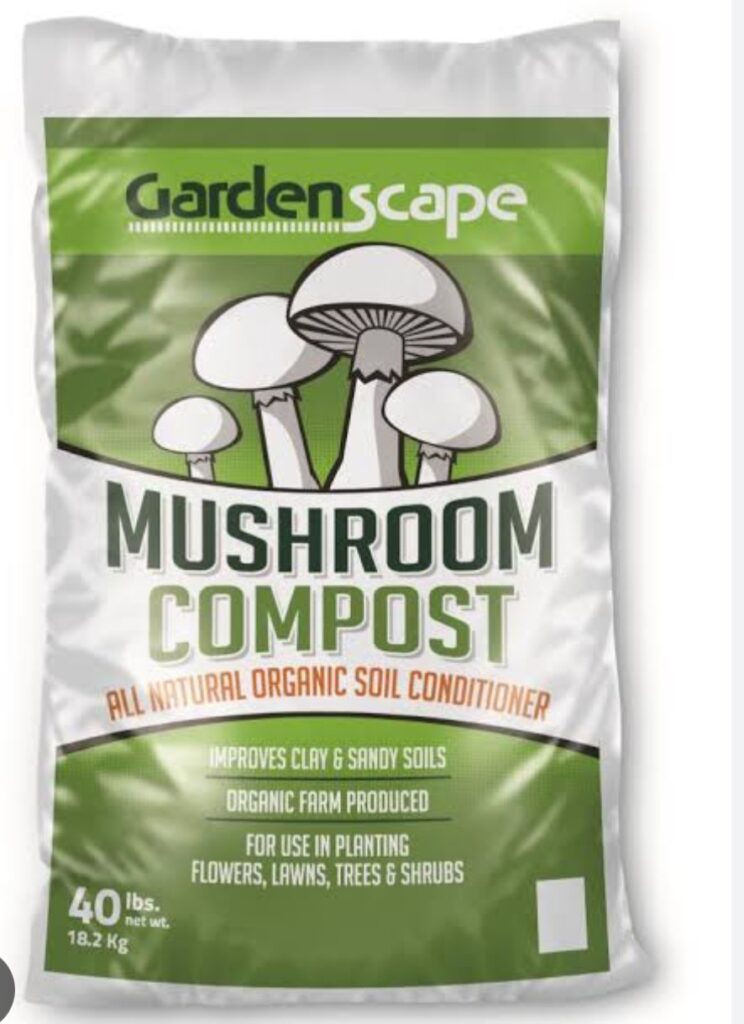
Most mushroom compost sold in the trade has been aged or cured but if the bought mushroom compost is still fresh, it needs curing before adding it to the soil. Purchase fresh material in fall, winter, or early spring to give it ample time to sit and cure before planting or spreading it around plants. Rain and snowfall leach excess salts from the substrate and the already low pesticide residue that might be in the substrate from the mushroom growing may have sufficient time to decompose.
METHODS OF APPLICATION OF MUSHROOM COMPOST
i. TOPDRESSING APPLICATION IN THE CASE OF LAWN
Apply aged, cured mushroom compost any time in the spring or summer. Application is most effective when the soil is fairly dry, which avoids compacting the soil while tilling in amendments.
ii. SIDE PLACEMENT
Aged mushroom compost, either worked into the soil or spread around the base as mulch, can be added to a wide range of plants, including:
Lawns, also as a top-dressing for newly seeded lawns
Vegetable gardens
Orchards
Perennials, trees, and shrubs
Container plants
iii. BROADCASTING APPLICATION
For flower beds and vegetable gardens, evenly spread one to three inches of mushroom compost over the surface and till it into the top six inches of soil. For container plants, blend a ratio of 1/4 of aged mushroom compost with 3/4 of a potting medium.1
CAUTION: Farmers should never adopt the idea of use mushroom compost as their only growth medium, but work it into the soil. It should be noted that if it should be used for raising seedlings, tender seedlings and seeds are sensitive to the high salt levels in the mushroom compost, so it is better to wait until the plants are established before working some mushroom soil into the soil around the plants.
Also overapplication of mushroom compost may be harmful to crops. The recommended rate is: 1- to 3-inch layer or 3 to 9 cubic yards per 1,000 square feet soil.
Mushroom compost should not be used on salt-sensitive plants such as azaleas, rhododendrons, camellias, and other members of the Ericaceae family because the high salt content can harm the plant. Also, mushroom compost shoild be kept away from seedlings, and must not be added to soil especially when seeds are just planted or germinating. This is due to the fact that the high salt in the mushroom soil do impact germination.
STEP-BY-STEP GUIDE TO PRODUCING MUSHROOM COMPOST AS A GROWING MEDIUM.
Mushroom compost (also called mushroom substrate) is a nutrient-rich growing medium used for cultivating mushrooms. It is made by composting organic materials such as straw, manure, and agricultural waste so that they become suitable for mushroom growth.
It can be produced by:
1. MATERIALS NEEDED
Common raw materials include:
i. Wheat straw or rice straw – main carbon source
ii. Poultry manure or horse manure – nitrogen source
iii. Gypsum (CaSO₄) – improves structure and prevents stickiness
iv. Water – for moisture
Optional supplements
Corn cobs
Cottonseed hulls
Soybean meal
Urea (small amount for nitrogen)
Typical ratio example:
MATERIAL QUANTITY
Wheat/Rice Straw. 100 kg
Poultry manure 50 kg
Gypsum 5 kg
Water As needed
2. COMPOSTING PROCESS
Phase 1: Outdoor Composting (Fermentation)
Step 1: Wet the Straw
Soak straw in water for 24–48 hours.
This softens the straw and prepares it for microbial activity.
Step 2: Pile the Compost
Build a pile in layers:
1. Wet straw
11. Manure
111. Gypsum
Repeat layers until pile height reaches 1.5–2 meters.
Step 3: Maintain Moisture
Moisture should be 65–75%.
The compost should feel moist but not dripping.
Step 4: Turn the Compost
Turn the pile every 2–3 days.
Purpose of turning:
Aerates the compost
Mixes materials evenly
Prevents overheating
Total outdoor composting period: 10–14 days. During this period the temperature may rise to 70–80°C.
3. Phase 2: Pasteurization (Indoor Conditioning)
After initial composting:
1. Transfer compost to a pasteurization room or tunnel.
2. Heat compost to about 58–60°C for 6–8 hours.
Purpose:
Kill harmful bacteria
Kill pests and weed seeds
Stabilize nutrients
After pasteurization, allow compost to cool gradually.
CHARACTERISTICS OF FINISHED MUSHROOM COMPOST
Good mushroom compost should have:
Dark brown color
Pleasant earthy smell
Moist but not sticky texture
Ammonia smell removed
Temperature around 25–30°C
HOW TO USE MUSHROOM COMPOST AS A GROWING MEDIUM
1. Fill compost into growing bags, trays, or beds.
11. Compress lightly.
111. Add mushroom spawn.
1V. Maintain:
Temperature: 20–28°C
Humidity: 80–90%
COMMON MUSHROOMS GROWN ON COMPOST:
Agaricus bisporus
Pleurotus ostreatus
In summary, mushroom compost and substrate preparation in mushroom cultivation are important and an alternative cheap grow media farmers can adopt. We have been able to explain the different types of substrates used for growing mushrooms, including straw, sawdust, compost, and agricultural wastes. Proper substrate preparation methods such as soaking, chopping, pasteurization, and supplementation are essential for successful mushroom production. Farmers who prepare high-quality substrates can significantly improve mushroom yield and profitability.
Mushroom substrate has proven to be a sustainable growing media and at thesame time farmers can utilize it to improve soil health and fertility.