SOIL AERATION AND IT’S IMPORTANCE
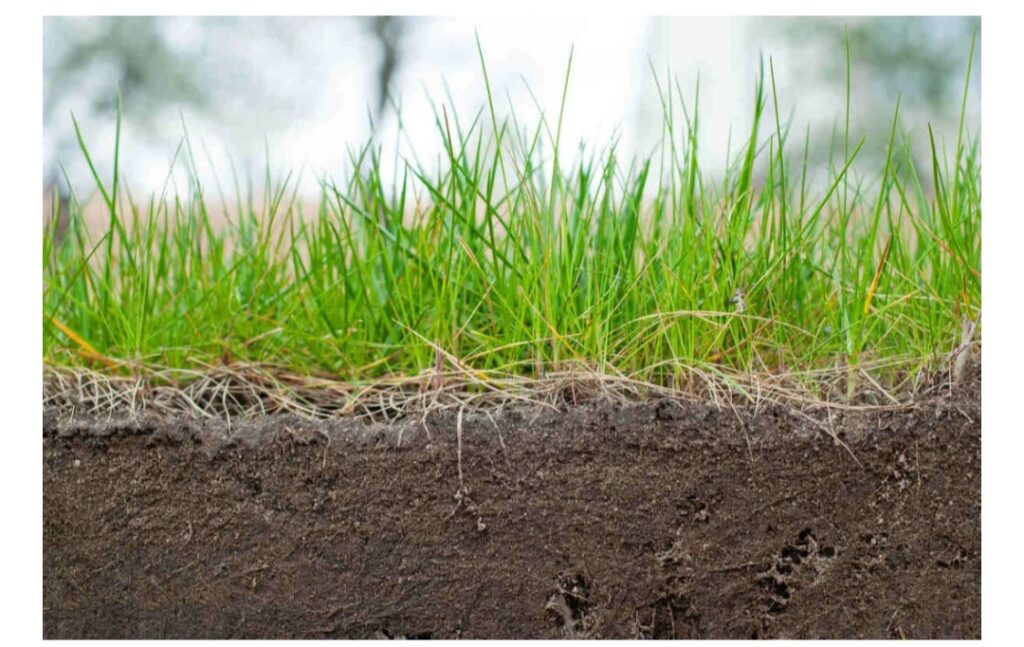
Farmers keep their soil healthy and productive by using methods that help improve soil management. Such methods include; soil fertilization, irrigation and aeration etc. These are primary practices required for lawn management, optimal plant production and development.
Soil aeration is an important practice often underestimated when discussing about soil health and crop production. It affect root growth and healthy vegetation, thus, bringing about high yields.
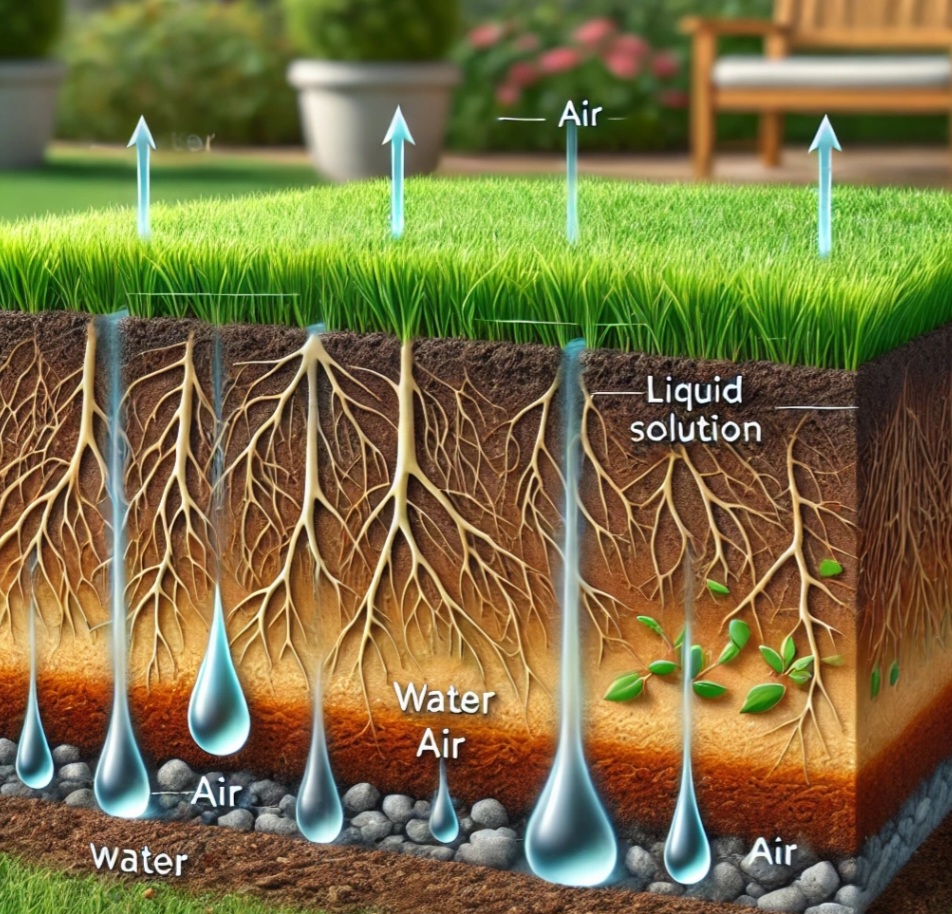
By definition, soil aeration is the process of creating air pockets in soil, allowing essential gases (like oxygen) to reach roots and microbes, water to drain, and nutrients to penetrate the soil. It is primarily done by perforating compacted soil with tools to promote deep root growth, better drainage, and overall soil health, crucial for plants to “breathe” and thrive.
Soil aeration processes provides air to the soil from the atmosphere. The supplied O2 and CO2 move between the soil pore spaces and the atmosphere. It helps avoid oxygen starvation in crops and reduce harmful carbon dioxide levels in the subsurface air if they rise too high. It is an important factor plant roots, soil micro and macroorganisms use for respiration. For example, plants uses atmospheric oxygen to respire and release energy for their needs from the glucose-oxygen reaction.
In poorly aerated or waterlogged soils, roots are deprived of oxygen and fade because they cannot breathe properly. However, roots are essential to absorb nutrients and water, so the plant eventually dies.
In aerating the soil, different periods of the year are required to aerate poorly aerated soils. For the cool-season, lawns can best be aerated during the fall and spring. During the fall period, grasses typically put down their roots. While during the spring period, lawn aeration gives the roots all they need to help the grass grow strong and healthy. The soil will be broken up, so the roots receive the necessary amount of water, nutrients, and oxygen.
Apart from the above, during the spring, aerating the lawns ahead of the growing season can prove to be a boon for the lawn. Springtime aeration is often done in conjunction with overseeding grass. Aeration allows these seeds to reach the soil instead of getting caught up in the layer of thatch. Once the seeds are in the soil, they are able to grow and thrive.
REASONS FOR AERATING LAWNS
1. STRONGER ROOTS: More oxygen in the soil brings about deeper roots that can survive during summer droughts.
2. BETTER NUTRIENT UPTAKE: Well aerated soils means the soils have well developed pore spaces that support nutrient uptake. Applied fertilizers will not just sit on top of the soil but or wash into the street, but percolate to the root zones in the soil.
3. LESS RUNOFF: Well aerated soils gives room for water percolation. The water soaks in instead of creating mini-lakes on the lawn.
4. FEWER BALD SPOTS: Compacted soil causes grass to thin out or stop growing in certain areas, thus, creating a bald spot on the ground.
5. HEALTHIER SOIL: Soil aeration encourages earthworms and microbes to keep the lawn thriving and can lead to greener grass.
SIGNS OF POOR AERATION
1. Water pools on the soil surface.
2. Shallow root systems.
3. Plants turn yellowish or wilt, despite watering.
4. High CO2 levels in the soil air.
CAUSES OF POOR SOIL AERATION
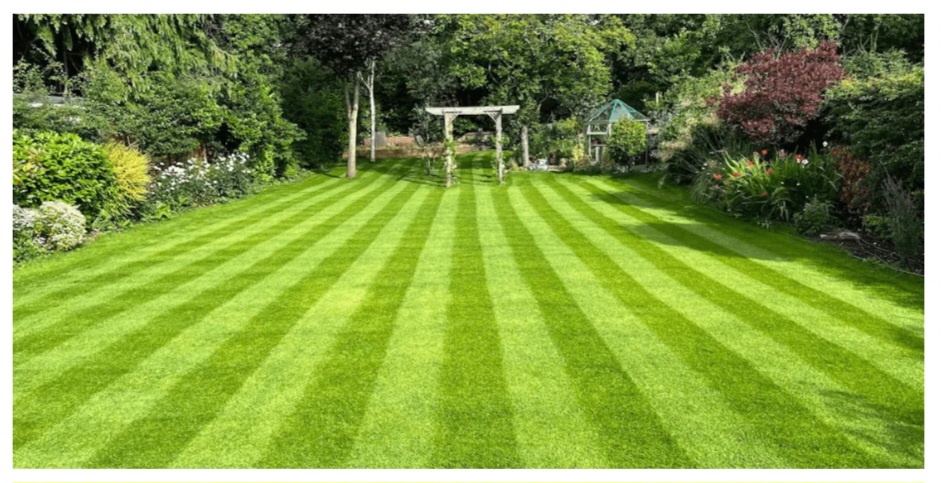
To ensure proper aeration of soil, it is critical to outline what affects and causes it. These causes makes farmers understand how to implement it and mitigate its negative consequences.
The factors affecting soil aeration include:
i. Soil moisture
ii. Soil texture
iii. Infiltration properties
iv. Machinery traffic
v. Organic matter application
vi. Grazing etc.
These factors may lead to soil compaction, excessive carbon dioxide build up, and poor oxygen saturation.
a. SOIL COMPACTION
In most cases, poor soil aeration is caused by compaction. The finer the earth, the more prone it is to compaction. For example, clay soils. The smaller its particles, the more densely they attach to each other, leaving less space for oxygen. When oxygen level is too low in the soil, neither plants nor aerobic earth biota can survive.
Compaction may be an adverse consequence of irrational irrigation and other field operations.
Due to compaction, plant roots will not develop properly, causing yield losses on the long run.
The situation is critical when compaction combines with dry weather conditions. In this case, roots not only can not breathe but cannot also absorb water and nutrients. On the contrary, when compaction combines with wet weather conditions, it hampers grazing and promotes soil erosion with fast liquid runoffs.
b. WATERLOGGING
Waterlogging can be caused by natural forces or anthropogenic factors. It is a major factor that tampers with soil aeration. After downpours, floods, or excessive irrigation, water fills up the earth’s pore space, displacing the air and reducing the oxygen level nearly to zero. Thus, the air can no longer penetrate the earth due to the pore spaces occupied with water. However, when the water dries up again, the balance is restored. Water evaporates, and the air gets back to earth.
c. SOIL ORGANIC MATTER
Organic matter boosts soil fertility and improve soil health. Nonetheless, the decomposition of organic matter brings about a strong carbon dioxide release. Correspondingly, when organic matter content is too high, the production of CO2 may be too fast. Consequently, its removal slows down and may reach toxic levels. Also, carbon dioxide retention also interferes with oxygen supply. This oxygen are needed by plant roots and also for exchange of gases between the atmospheric air and the soil. Due to this, it is necessary to add organic matter at moderate level or in an already decomposed state.
d. GRAZING WITH LIVESTOCK
Grazing practices contribute to soil fertility with organic manure released by the animals as they graze. However, trotting around the pasture, animals also cause soil compaction with their hoofs. In this regard, rotational pastures prove to be an efficient problem solution to the effect brought by in grazing.
e. REGULAR VEHICULAR TRAFFIC
Usage of heavy machinery to till farm land contribute to compressed farmland soils, thus, leading to soil compaction. For this reason, the movement of massive field equipment like forage harvesters, manure spreaders, etc., should be limited, and alternative field operations and crop treatment should be employed. Usage of these heavy duty machines can get even worse when the earth is wet.
TOOLS REQUIRED FOR SOIL AERATION
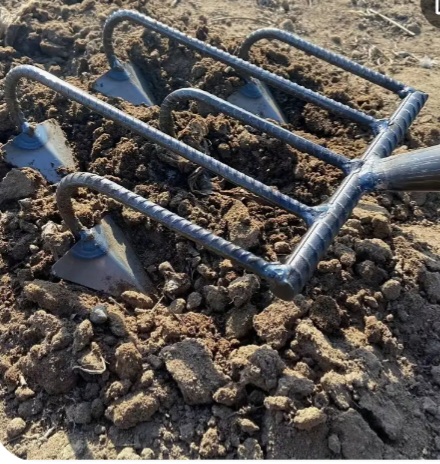
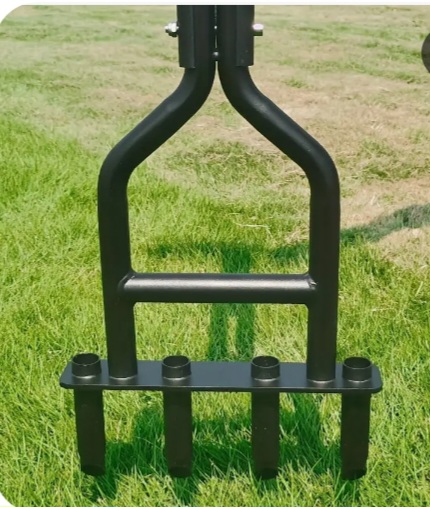
Various soil aeration tools and methods allow maintaining proper air circulation in the subsurface, bringing vital oxygen to the root zone. Some of these tools include, plug aerators (manual or powered) for removing soil plugs, spike aerators (handheld or spiked shoes) for poking holes, or simpler options like a garden fork, plus prep items like a lawnmower, hose, and markers for irrigation lines. Plug aerators are best for heavy soil, while spike aerators suit lighter soils or quick fixes, but the goal is always to improve air, water, and nutrient flow to the roots.
SOIL AERATION METHODS
The aim of soil aeration is to supply oxygen to the topsoil to make it available for crop roots and soil microorganisms. Aeration also makes the topsoil softer and improves its infiltration properties. It is carried out with a number of methods, each of which depends on the area scope and land specifics.
Some standard techniques used include : spike, plug (core), and liquid aeration.
a. SPIKE AERATION
The spike aeration method produces the least land disturbance by making holes for the air to penetrate. However, it applicable to a relatively small area due to limited coverage of applicable tools, which include soil aeration shoes, prongs, rollers, and mower attachments. They all contain spikes which can pierce into the soil. The first three options operate by walking or manual operations, by pushing or rolling. On the one hand, they are the least sophisticated. They require considerable physical strength. Mower attachments demand less human efforts since they are adjusted to machinery.
Note: Such a technique is perfect for sandy soils. It is not suitable for clay soils because the clay soil will take the spike shape, which results in compaction.
b. CORE AERATION
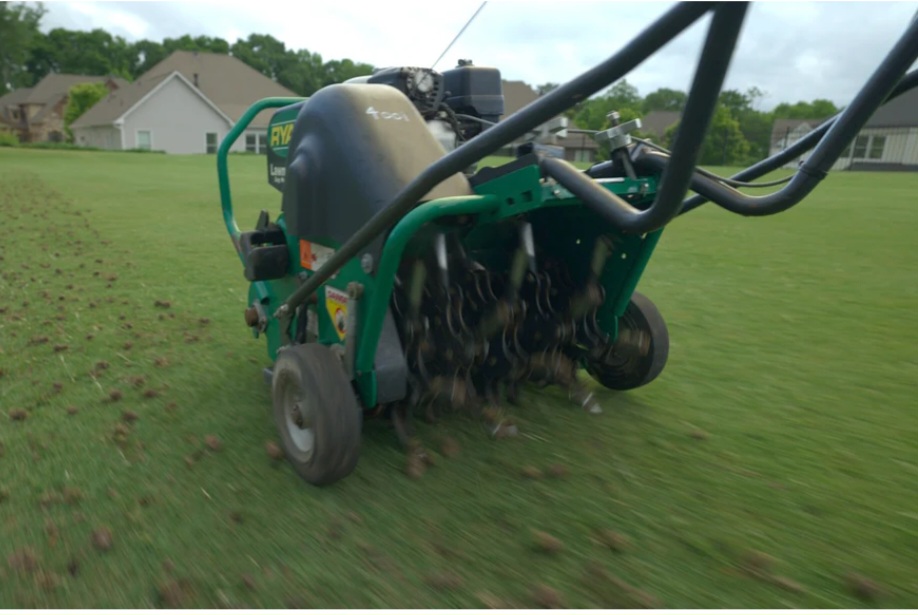
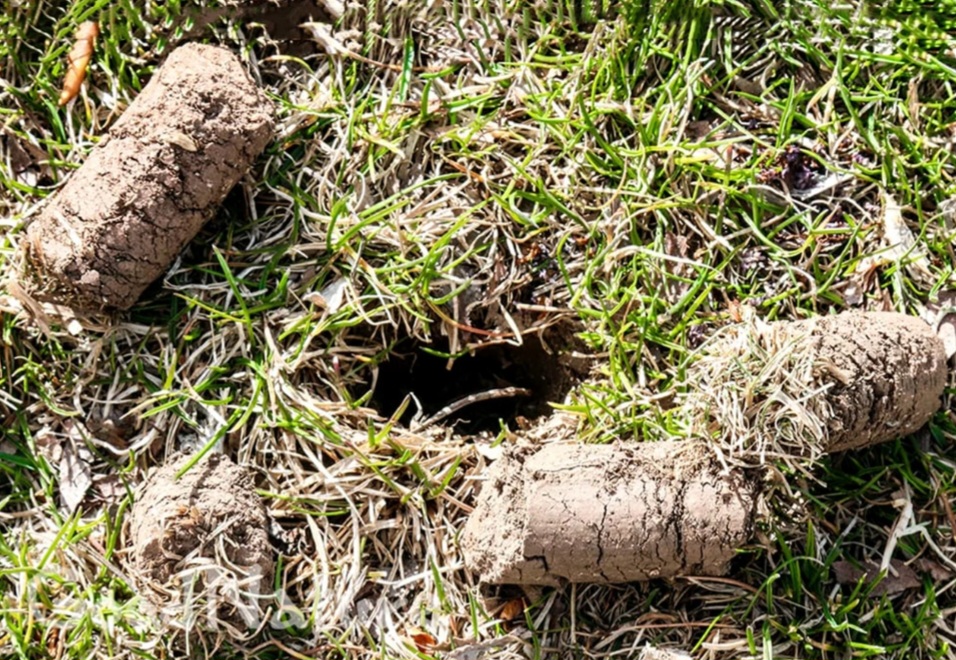
The core soil aeration method involves the creation of “cores” or “plugs”. It is relevant for compacted clay soils. Cores consist of clay, roots, thatch, etc., in the topsoil layer. Unlike the previous method, it suggests not piercing the earth but pulling its parts out, leaving them on the surface.
Core aeration makes the field somewhat messy yet has certain advantages. This will be discussed later.
c. LIQUID AERATION
Unlike the core method that work with the soil directly, liquid aeration utilize a liquid aerators which consist of a wetting agent and nourishment for earth-dwelling biota. The wetting agents improve infiltration, and water reaches deeper levels of the soil profile. It enables microorganisms to dig deeper into the soil. By digging, they improve soil aeration and allow water to seep even lower as well, which boosts root development.
Furthermore, liquid aerators contain food for bacteria (mainly seaweed extract) to boost their activity. In its turn, this is beneficial for worms that move underground adding to earth porosity. It helps air and water penetrate farther through the prepared “ways”. Besides, worms and insects process organic matter, Hence, boosting soil fertility.
REASONS TILLAGE IS NOT THE BEST OPTION FOR AERATION
Tilling is the most intensive earth disturbance operation that involve; digging the soil, turning it upside down, and breaking huge parts into smaller pieces. Obviously, tilling operations reduce compaction and enhance oxygen supply, but they are helpful in the short run only. The adverse effects of heavy earth disturbance make this operation to be repeated. Some other effect of tillage include;
i. It disrupte soil health due to risks of wind and water erosion
ii. It destroy beneficial microorganisms (however, tillage also impacts pests and their larvae as part of integrated pest control)
iii. It uncover weed seeds from the subsurface layers (yet, at the same time, tillage places the seeds from the surface underground and destroys weeds, being a mechanical method of integrated weed management);
iv. Polluted atmosphere with fossil fuel emissions from tilling machinery contributes to climate change.
v. It can subject lands to erosion, which is a significant advert consequence of its usage.
HOW DIFFERENT SOIL TYPES AFFECT SOIL AERATION
Typically, there are three types of soil. Such soils include : clay, sand, and silt. These are the three main components of the soil.
Clay soils are soils with fine particles and with small pore spaces. It is perfect to retain nutrients and moisture. Due to its small pore spaces, it absorbs water slowly, so it requires moderate irrigation. Soil aeration is particularly beneficial for clay fields, improving porosity and water absorption.
Sand soils on the other hand is coarse and more gritty with larger pore spaces. It can not retain much nutrients and moisture. The large pore spaces allow quick water loss from the soil.
Apart from the fact that different soil types affect soil aeration, also a decrease in soil aeration depends on the moisture level in the ground, when the soil is fully saturated, this means all the pore spaces are filled with water and no air exist in the soil. This result to an anaerobic condition. But when the water percolate freely through the soil, enough air from the atmosphere enters the soil and the soil becomes productive. Therefore, it is necessary to maintain the optimal moisture content within the soil.
Therefore, waterlogging is among the causes of poor aeration.
IMPORTANCE OF SOIL AERATION
The availability of nutrients to crop root uptake has a direct relationship with the degree of soil aeration. Well-aerated soils (meaning lesser water content ) provide more favorable growth conditions, while nutrient imbalance and poor aeration impede plant development. Therefore, it can be stated that soil aeration has great impact on nutrient supply to plants.
Some of the importance of soil aeration include;
1. OXYGEN FOR ROOTS: Roots need oxygen for respiration to release energy for growth and nutrient/water uptake. Compacted soil suffocates them.
2. NUTRIENT AND WATER ACCESS: Aeration allows water and nutrients to soak deeper into the soil, thus reducing runoff and making them available to roots.
3. MICROBIAL ACTIVITY: Healthy aerobic microbes need oxygen to break down organic matter, releasing nutrients and carbon dioxide.
4. COMPACTION RELIEF: It alleviates soil compaction, a major barrier to root growth and drainage.
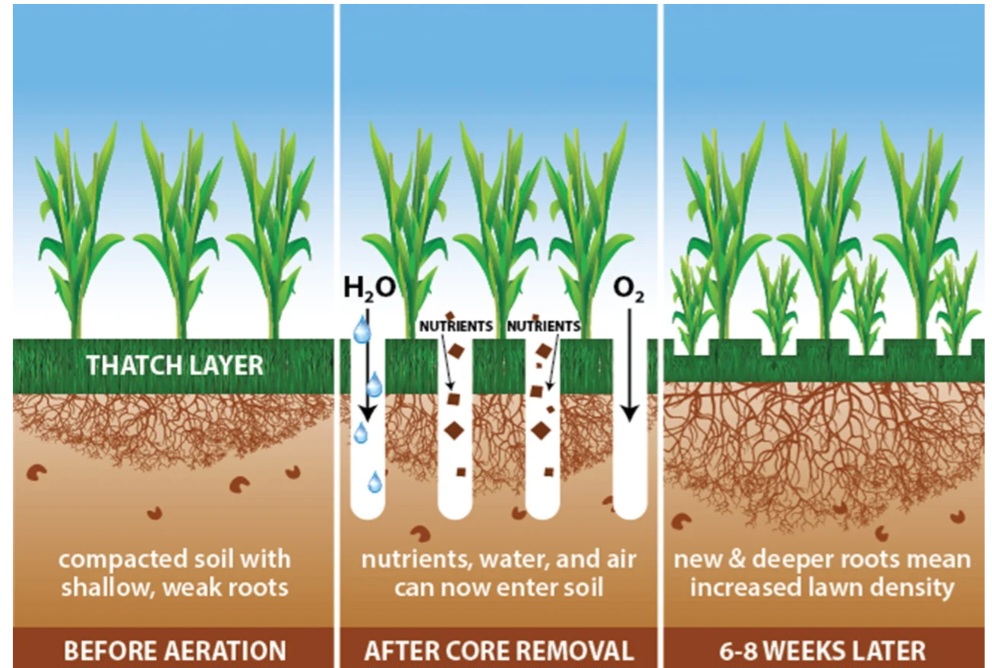
5. BREAKS THATCH LAYERS: Grass, like any other plant, needs water and nutrients to thrive. However, the development of thatch on a lawn makes it difficult for water and nutrients to reach the grass’s roots.
Thatch is a collection of roots, stems, and other plant matter that amasses near the soil. In addition to being a water barrier, thatch is also a hotbed for insects and other pests.
Aeration breaks up this layer of thatch so the grass’s roots can get the water and nutrients they need. It’s also a soil loosener, allowing freshly planted grass seeds to take hold.
IMPACT OF SOIL AERATION ON NUTRIENT SUPPLY TO PLANTS
1. NITROGEN: Organic nitrogen fixation and mineralization are carried out by nitrogen-fixing bacterias living in plants (especially legumes) and soil microorganisms etc. These organisms assist in fixing atmospheric nitrogen to the soil, decompose organic materials and livestock wastes.
Aerobic bacteria assist in breaking down nitrogen containing materials to plant-digestible forms only under sufficient soil aeration.
Poor aeration induces a split of nitrates to nitrous oxide (N2O), which is among the potent gases contributing to the greenhouse effect. Besides, denitrifying bacteria are more likely to deprive crops of nitrates in poor earths. This happens because most denitrifying bacteria are facultative aerobic. It means that when O2 is available, they will use it (aerobic respiration). When the O2 level is poor, they will switch to NO3 or NO2 (anaerobic respiration).
2. MANGANESE AND IRON: Both nutrients have high valence in well-aerated soils and low valence in poorly-aerated ones. Although plants can consume only low-valency forms, their excessive absorption is harmful to crops. For this reason, excessive access to low-valency forms must be limited, and toxicity risks are mitigated with aeration.
3. SULFUR: This nutrient is represented by sulfate in aerated soils, which is suitable for plants. Sulfate turns into sulfide under poor aeration (waterlogging). Hydrogen sulfide is harmful to crops.
Nutrient imbalance results in the deviance of root formation, which will inevitably affect the whole plant and cause yield losses. Signs of poor aeration include thick, short, dark roots of abnormal shapes with poorly developed hairs, etc.
DISADVANTAGES OF INSUFFICIENT AERATION
1. Poorly aerated soils causes; thick, short, dark roots of abnormal shapes with poorly developed hairs, etc.
2. Crops become higherly susceptibility to pathogens and root-rotting fungi, in particular. Correspondingly, aeration becomes an effective prevention technique, decreasing crop and tree disease risks.
METHODS OF AERATING THE SOIL
1. MECHANICAL AERATION: This involves the use of tools like plug aerators (which pull out soil cores) or spikers/forks to make holes in lawns or gardens.
2. SOIL AMENDMENTS: Add materials like compost, peat moss, sand, or perlite to loosen dense soil, making it well aerated.
3. COVER CROPS: Growing and crimping cover crops can naturally improve soil structure and aeration over time.
TYPES OF SOIL AERATION
There are different types of soil aeration. But the major ones are the core aeration and the liquid aeration.
A. CORE AERATION
Core aeration is a lawn care practice in which a machine called lawn aerator is used. This machine has hollow tines used to pull small plugs (cores) of soil, thatch, and grass from the ground to relieve compaction and create channels for air, water, and nutrients to reach the roots. It also promote deeper root growth and a healthier, thicker lawn. It is best done in spring or fall when grass is actively growing, leaving the soil plugs on the surface to decompose and enrich the soil, making it superior to spike aeration for significant soil improvement.
Apart from this machines pulling small plugs in the soil to aerate it, other ways can be used to aerate the lawn. For example, some lawn aerators drive solid tines into the earth. But that method is not considered as effective as core aeration.
It is important to note that core aeration should not be carried out during hot and dry periods of the year. But should be carried out during early spring (March–April). The grasses should be prepared for the stress of summer while also blocking out weeds with thicker turf. By early fall (September–November), roots would have had enough time to recover before winter.
It is generally preferred for cool-season grasses like Kentucky bluegrass, fescue, ryegrass or lawns with severe compaction issues.
BENEFITS OF CORE AERATION
1. It enhances gaseous exchange between the atmosphere and the soil.
2. It intensifys oxygen saturation to the root zone.
3. It raises water infiltration.
4. It improves soil structure.
5. It incorporate organic matter into the soil.
6. Fast improvement
7. Enhances the absorption of nutrients and water retention
8. Lessens the accumulation of thatch
9. Gets the soil ready for fertilization and overseeding
10. Increases drought resistance and root depth
Core-removing soil aeration equipment includes manual aerators and mower attachments.
ADVANTAGES OF CORE AERATION
1. Holes created for core aeration allow oxygen, water, and fertilizer to penetrate better into the soil, while the plugs break down, adding organic matter.
2. Relieves Compaction: Loosens hard, compacted soil, especially in clay areas.
3. Deeper Roots: Encourages grass roots to grow deeper and stronger.
4. Manages Thatch: Helps break down thick layers of dead grass.
5. Improves Absorption: Increases water and fertilizer uptake by roots.
6. Core aeration creates those pockets of air that allow oxygen, water, and nutrients to move through the ground.
7. It Helps With Moss Problems: Moss plants are major challenges growing in lawns eapecially when some areas of the lawn are saturated with water or pool of water forms on it. Most of the managers of the lawns believe the only way to stop this growth of moss is by applying herbicide. This is a misguided policy. When lawns drain poorly due to compacted soil and/or thatch might be displaying “Moss challenge.” Compacted soil is a common problem for lawns subjected to excessive foot traffic (as when kids play on the lawn frequently).
DISADVANTAGES OF CORE AERATION
If not done at the right time, even the best-laid lawn care plans can backfire. Avoid using the aerator in periods of intense heat or drought (your grass is already under stress), freezing temperatures (frozen soil can ruin aerator tines), and periods of soggy, wet weather (you’ll only worsen compaction).
LIQUID SOIL AERATION
Liquid soil aeration is a technique used in agriculture and lawn care to enhance soil quality by applying a liquid solution directly to the soil.
The goal is to breakup compacted soil and enhance water penetration and improve soil structure without using heavy machinery.
Lawns are used for recreation and sports etc and it requires different management practices to keep it available for its purposes. Some of the management operations
required for it to achieve its tasks include; mowing, fertilizing, and clearing them of leaves and debris. Also, an important operation most people overlook in the management of this lawn is soil aeration.
Aeration is an essential aspect of lawn care. Core aeration and liquid soil aeration are best used for lawn aeration.
Liquid soil aeration is a lawn treatment that sprays a solution, often with surfactants, humates, and enzymes, onto compacted soil to break it down at a microscopic level, improving water, oxygen, and nutrient penetration for healthier roots, without removing soil plugs like traditional methods. It is easier and less disruptive, creating micro-channels for better soil health, but often requires repeated applications for lasting results. Typically, It can be applied with a hose-end or pump sprayer for even coverage. After application, gradually it began to show its effectiveness. The effect can be seen over weeks or months as the soil structure changes.
The best times for liquid aeration is during late spring to early summer (April–June). That is, right before grass starts growing more quickly. By early fall (September – October), grasses would begin to put down roots as the soil becomes slightly cooler .
Liquid soil aeration is usually recommended for warm-season grasses like Bermuda, Zoysia, St. Augustine or lawns with mild to moderate compaction issues.
SUBSTANCES REQUIRED TO PREPARE THE LIQUID.
Liquid soil aeration is an innovative alternative to traditional core aeration featuring a specialized liquid spray that loosens soil over time at the microscopic level and encourages microbial activity. It may take longer to work, but it often delivers more effective results.
The formulated liquid solution can be applied using a sprayer to evenly distribute the formulated liquid. This allows the solution to penetrate the soil evenly, making it less disruptive than mechanical methods.
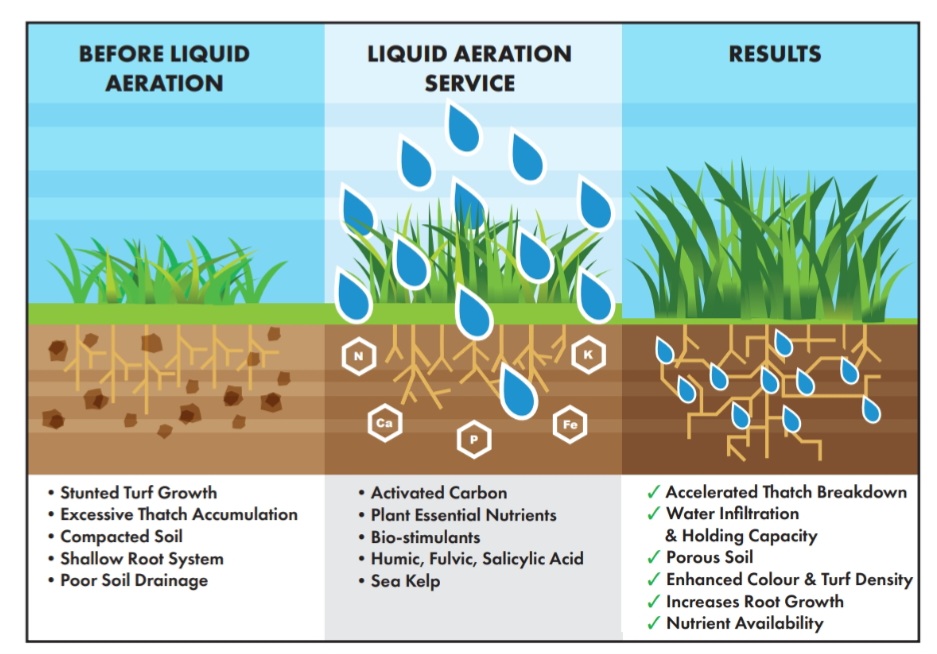
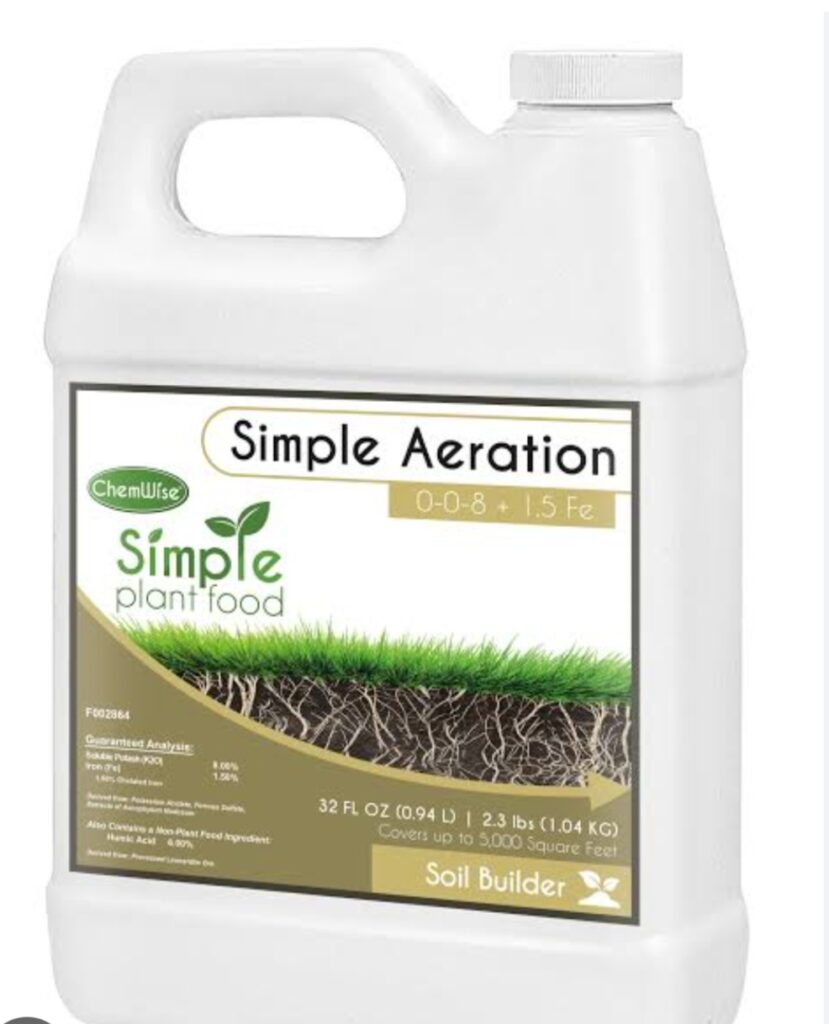
Several substances are required to prepare the liquid for the aeration. Some of these substances include ; surfactants, humic substances, enzymes and nutrients etc.
1. SURFACTANTS (WETTING AGENTS): It reduces the soil water surface tension, allowing for deeper penetration into the soil instead of pooling or running off and it is more efficient nutrient uptake. The results of using liquid aeration are often visible within a few weeks, with grass becoming greener, thicker, and more resilient against external stresses such as drought or high foot traffic.
2. ENZYMES: Enriched organic matter that improves soil structure, feeds microbes, and helps break down thatch. It breaks down the organic matter, and the nutrients support overall plant growth.
3. YUCCA EXTRACT: It serves as a wetting agent. Its purpose is to help the mixture coat the grass all the way down to the roots.
4. HUMATES, COMPOST, AND SEAWEED: These materials contain vital nutrients and enzymes that enrich the lawn and help decompose the thatch layer. It retains the nutrients and assist in microbial activities.
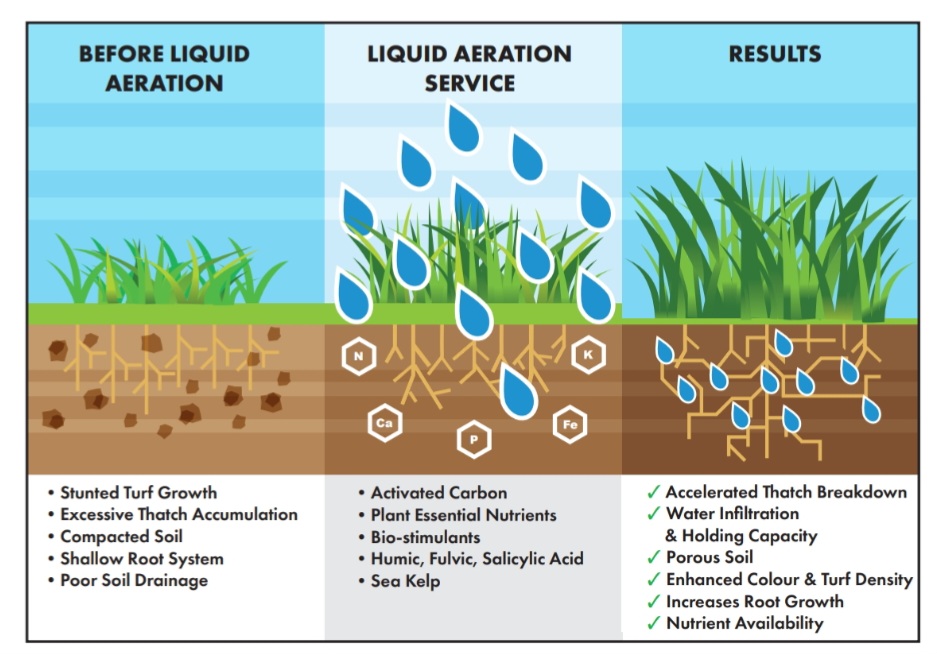
MICRO-CHANNEL CREATION: The solution loosens tightly packed soil particles, creating tiny pathways for air, water, and nutrients to reach the root zone
BENEFITS OF LIQUID SOIL AERATION
1. REDUCES COMPACTION: Loosens soil from heavy foot traffic or environmental factors.
2. IMPROVES WATER INFILTRATION: Helps water soak in more effectively, preventing runoff.
3. BOOSTS NUTRIENT UPTAKE: Better air and water flow means roots can absorb more nutrients.
4. LESS INVASIVE: No need for noisy machinery or plugging the lawn.
SOIL COMPACTION
Soil compaction occur when soil particles are compressed together, hindering water and air movement. This can occur due to poor soil management practices, heavy machinery usage, foot traffic or grazing animal foot.
Compacted soils negatively affect plant growth, making liquid soil aeration a helpful solution in tackling soil issues.
DIFFERENCES BETWEEN LIQUID AERATION AND CORE AERATION
1. APPLICATION OF BOTH LIQUID AERATION AND CORE AERATION
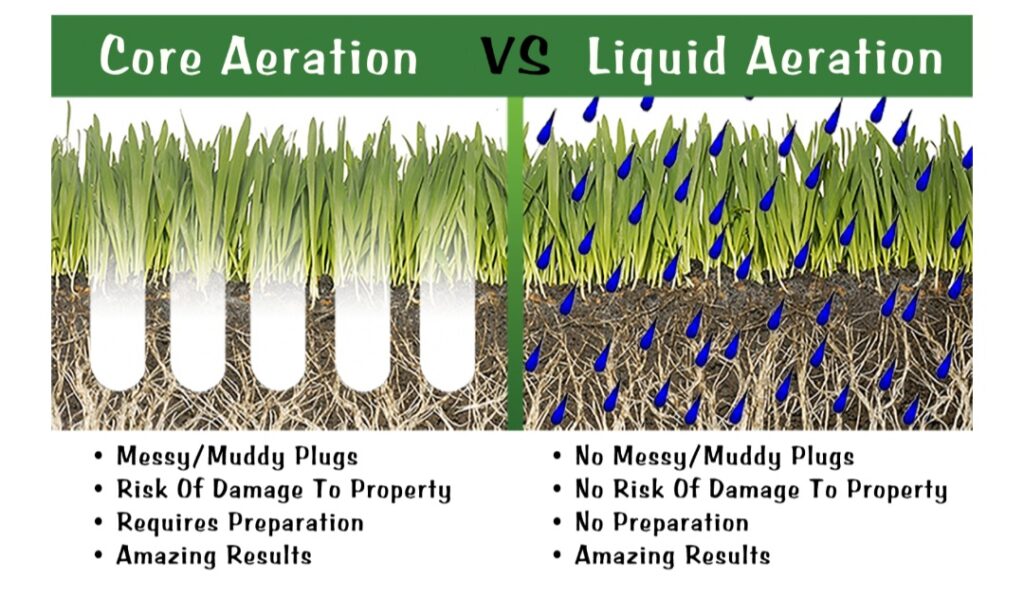
Core aeration is mechanical (hollow tines remove soil plugs using machines). Liquid aeration uses a chemical spray and organic liquid additives.
2. TIME OF ACTION: Core aeration offers immediate results . While liquid aeration provide a long-term soil improvement (like a week).
3. DISTRUCTIVE ABILITY: Core aeration causes disruption to soil structure while liquid aeration has minimal disruptive effect.
4. PERIOD OF APPLICATION: For maintaining a green and healthy lawn through out the summer period, liquid aeration is far superior. While during winter period, core aeration is the best.
5. Liquid aeration is an important part of Lawn Science’s organic lawn care system. While core aeration is a mechanically or manual based lawn care system.
6. Core aeration has been the go-to way of aerating for many years, but liquid aeration has proven more advantageous as a new-school method.
7. Core aeration, sometimes called manual aeration, is performed by a spike aerator or a plug aerator. With its purpose is to create holes in the soil and break up thatch.
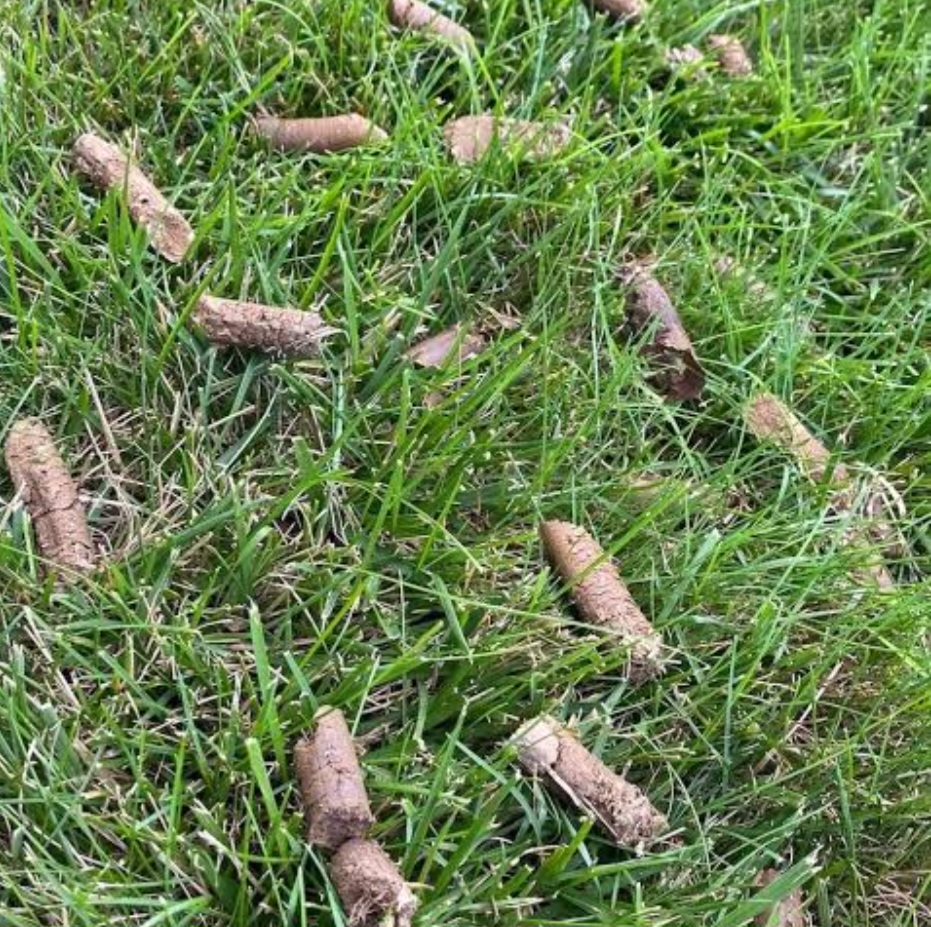
Plug aerators are generally more effective, but they produce unsightly cores of dirt that sit on the lawn. It can take weeks for these cores to break down, and many find that these soil cores resemble goose droppings. While on the other hand, liquid aeration is effective without the need to bore holes in the lawn. With this method, an organic mix of chemicals is applied to the grass. It gets to work, breaking down the thatch layer and allowing the grass’s roots to breathe.
8. SOIL COVERAGE
Because traditional aeration methods create individual punctures or plugs in the soil, they may not provide even treatment coverage. However, liquid aeration covers the entire lawn surface uniformly
9. SURFACE DISRUPTION
Core aeration leaves behind visible soil plugs that take time to break down, while liquid aeration is far less disruptive, leaving no unsightly residues on the lawn.
10. OVERSEEDING COMPATIBILITY
Core aeration is ideal for those wanting to also overseed. Liquid aeration is not highly recommended in combination with new seeds.
11. LONG-TERM IMPACT
Core aeration is generally performed once or twice a year, while liquid aeration can be applied more frequently to address ongoing compaction issues and build soil health over time.
12. COST AND TIME: In terms of cost and time, liquid aeration is generally quicker to apply than core aeration. It requires less equipment and labour, making it a practical choice for farmers.
However, multiple application may be needed to achieve a desired result which can increase cost over time.
With these differences, Liquid aerators had proven to be superior to core aeration. Its effects last longer, and it doesn’t leave behind ugly cores on the lawn. However, that doesn’t mean that manual aeration methods do not have their place. In some instances, it may be beneficial to use both methods at the same time.
SIGNS THAT A LAWN NEEDS AERATION
Lawns can be aerated once-per-year. Aside from checking the calendar, there are a few other signs that reveals that a lawn needs aeration.
1. THE SIMPLE POPULAR SCREWDRIVER TEST: This is a type of test used to determine if the lawn needs aeration or not. This is done by simply taking a screwdriver and sticking it into the soil. If it is difficult to drive the screwdriver in, that means the soil is too compacted for grass to grow properly.
2. PUDDLES FORMATION AFTER A RAIN DROP: This is another simple and easy way to determine if a lawn needs to be aerated or not. After a rainstorm, if puddles collect on the lawns and the soil cannot soak up this water, that means the soil cannot supply water to the grass roots.
3. SYMPTOMS OF POOR GROWTH: When grasses show signs of poor growth or looks unhealthy, it could require aeration. There are a number of things that can contribute to unhealthy grass, but aeration is often the remedy. This is especially true if the yard has not been aerated in a year or more.
Unhealthy grass can take on many forms. It could be patchy and thinning in certain areas, could change colour from green to a shade of yellow or brown, or stop growing entirely.
4. THATCH BECOMING VISIBLE: In some cases, the layer of thatch may actually be visible. This is a sign the soil need to be aerated. Aeration is the only way to break up this overgrown thatch layer.
OPERATING PRINCIPLES OF LIQUID AERATION
Lawn Science’s liquid aeration efforts are an organic lawn care method. The mix of compost, humates, yucca extract, and seaweed is all-natural and completely safe.
The liquid aeration formula is sprayed directly onto the lawn. Without boring any holes, it can remove the layer of thatch. It also introduces much-needed nutrients to the lawn.
The liqud mixture starts working as soon as it is applied to the grass, but it may take a month or more to see its effects in action. If the layer of thatch is thick or if the soil is especially compacted, the lawn may need more than one treatment.
THE BENEFITS OF LIQUID AERATION
Maintaining a vibrant evergreen lawn goes beyond regular watering and mowing. It requires a deep understanding and application of expert lawn care techniques, one of which is liquid aeration. This process is vital in achieving not only an aesthetically pleasing landscape but also one that is healthy and resilient.
While manual aeration can be a valuable practice for lawn management, there is no doubt that liquid aeration is the better option. It offers many distinct advantages over manual aeration.
Some of its benefits include;
1. EFFECTS LAST LONGER
Liquid aeration is an ideal lawn care treatment for those who want the beauty of their lawn to stand the test of time. Its effects can last for months.
On the other hand, the benefits of manual aeration are often short-lived. The thatch layer comes back in a hurry, leaving the lawn desperate for water and air.
This can have a catastrophic impact on the health of the lawn. It will not be able to resist the summer heat or drought conditions. It can also become discoloured, leaving a brownish lawn while the neighbor’s grass is still wonderfully green.
2. NO CORES LEFT BEHIND:
To many, the cores left behind from core aeration methods are an eyesore. They dot a landscaping effort that lawn service manager work tirelessly to maintain.
No one likes seeing these on their lawn. They make it difficult to enjoy spending time in the grass and can hamper a home’s general appearance.
Fortunately, liquid aeration does not require digging cores or disturbing the soil. The aeration mixture leaves behind no evidence of the aeration efforts, aside from a healthy lawn.
3. MUCH EASIER TO APPLY:
Traditional aeration methods take time to apply and can be back-breaking work. It can take hours for lawn care professionals to manually aerate a medium-sized lawn, even with professional-grade equipment.
On the other hand, liquid aeration can be done quickly. In this instance, saving time also saves money. The lawn care technician can apply the liquid aeration with ease, leaving the solution to get to work.
4. COVERS A WIDER SURFACE AREA:
During manual aeration, the technician may need to make multiple passes over the same area of grass with their aeration machine. This makes the job even more difficult and takes even more time.
However, thanks to the ease of application, liquid aerating a larger lawn is no issue. The technician will easily be able to cover even the largest lawns with the liquid aeration solution.
5. REACHES MUCH DEEPER SOIL HORIZON: Manual aeration methods can only penetrate about three inches deep into the soil. While this is good enough to see some results, liquid aeration can reach much deeper horizons. With liquid aeration, the solution can reach around a foot below the surface. This is especially beneficial, as it ensures that water and nutrients can reach the deepest roots.
6. AN ECO-FRIENDLY SOLUTION: The blend of seaweed, compost, yucca, and humates is all-natural and organic. This means that it is safe for the environment and can be applied to a lawn without harming the natural ecosystem.
7. LIQUID AERATION FROM A LOCAL EXPERT
Every lawn can benefit from aeration. It clears away the layer of thatch that prevents a grass’s roots from receiving water and sunlight and helps loosen compacted soil.
Manual aeration and liquid aeration are both common ways to aerate a lawn, but those looking for long-term results with a deep reach should opt for liquid aeration services.
8. PERIOD OF EXISTENCE: Liquid aeration is an innovative method that involves the application of a liquid solution to penetrate the soil, improving its structure by breaking down compacted soil layers and promoting oxygen circulation. This technique enhances root growth, nutrient uptake, and overall soil health. Unlike traditional mechanical aeration, which has being existing over years requires puncturing the soil to create air pockets, liquid aeration offers a less invasive yet highly effective solution to soil compaction problems.
9. Timing is equally important when considering liquid aeration. The effectiveness of this treatment depends significantly on when it is applied. The optimal timing can vary based on climate, grass type, and soil condition. In the upcoming sections, we will delve deeper into the benefits of liquid aeration, how it works, and guide you on the best practices for timing this essential lawn care service to ensure your yard remains in peak condition year-round.
10. ENHANCING SOIL STRUCTURE WITH LIQUID AERATION
Liquid aeration is a groundbreaking technique in lawn care that significantly improves soil structure without the need for mechanical disruption. This method involves applying a specially formulated liquid solution that penetrates deeply into the soil. As it moves through the soil, it fractures compact layers, creating microscopic channels through which air, water, and nutrients can freely move. This process is vital for promoting strong root development and overall plant health.
The surfactant reduces the soil’s surface tension, allowing for deeper penetration and more efficient nutrient uptake. The results of using liquid aeration are often visible within a few weeks, with grass becoming greener, thicker, and more resilient against external stresses such as drought or high foot traffic.
11. IMPROVING AIR AND NUTRIENT PENETRATION
Compacted soil can suffocate the roots of your grass, preventing essential air and water from circulating properly. This can lead to numerous lawn problems, including weak growth, patchiness, and increased susceptibility to diseases. Liquid aeration addresses this issue directly by loosening the soil, thus improving airflow and making it easier for roots to absorb nutrients.
By enhancing the soil’s porosity, liquid aeration ensures that fertilizers and water reach the root zone more effectively. This increased efficiency not only supports healthier grass growth but also contributes to the overall sustainability of your lawn care regimen by reducing the need for excessive watering and fertilization.
11. OPTIMAL TIMING FOR LIQUID AERATION
The timing of liquid aeration is crucial for achieving the best results. Generally, the best times to perform liquid aeration are during the growing seasons of spring and fall. This timing allows grass to heal and fill in any open areas after the soil improves, which is especially important in active growth phases.
In spring, applying liquid aeration can help wake up your lawn from dormancy by encouraging deeper root growth and preparing it for the vigorous growing months ahead. In fall, it helps strengthen the roots in preparation for the colder months, ensuring that your lawn remains healthy and robust throughout the winter.
Avoid applying liquid aeration during the hot summer months or when the lawn is dormant in winter, as extreme weather conditions can hinder the effectiveness of the treatment and the recovery process of the grass.
12. LONG-TERM BENEFITS OF REGULAR LIQUID AERATION
Implementing liquid aeration as a regular part of your lawn care routine can have several long-term benefits. Firstly, it gradually alters the soil structure to become more resilient against compaction. With ongoing applications, your lawn can maintain optimal conditions for air and water movement, which are crucial for sustaining healthy grass.
Additionally, lawns that undergo regular liquid aeration tend to have better drought tolerance. The improved soil structure allows for deeper water penetration and retention, which means that during dry periods, your grass has access to moisture that would otherwise not be available in compacted soil. Furthermore, by fostering a healthy root system, liquid aeration decreases the need for chemical treatments. Healthy lawns are less prone to pests and diseases, reducing the necessity for pest control and fungicides.
Through frequent application of liquid aeration, especially in the advisable periods of spring and fall, your lawn can continuously operate at its best. Over time, this not only enhances the visual appeal of your yard but also contributes to a more sustainable and ecologically balanced lawn care practice.
13. ENHANCING THE EFFICIENCY OF WATER USAGE
One of the key advantages of liquid aeration is its ability to improve the efficiency of water usage. By creating a more porous soil structure, water can infiltrate the soil more deeply and reach the root zone where it’s most needed, rather than pooling on the surface or running off. This increased water penetration helps to ensure that water, which is a vital resource for a healthy lawn, is used more effectively.
During periods of drought or limited rainfall, a lawn that has undergone liquid aeration can better retain moisture, reducing the frequency and amount of watering needed. This not only conserves water—a crucial consideration in many regions—but also saves homeowners on water bills and contributes to a more environmentally sustainable gardening practice.
14. REDUCING SOIL COMPACTION AND ITS CONSEQUENCES
Soil compaction is a common issue that can severely restrict the growth of grass by impeding the flow of air, water, and nutrients to the roots. Various factors, including heavy foot traffic and the regular use of lawn equipment, can cause this compression. When the soil is compacted, roots struggle to expand, water drainage is poor, and air has less room to circulate, leading to unhealthy lawn conditions like yellowing leaves and stunted growth.
Liquid aeration combats soil compaction effectively by breaking up the compacted layers with a penetrating liquid solution. This method is particularly beneficial because it reaches deeper into the soil than mechanical aeration, addressing compaction at its core. With regular application, liquid aeration can transform a dense, compact lawn into a loose, breathable environment where grass can grow lush and strong.
15. SUPPORTING ECO-FRIENDLY LAWN CARE PRACTICES
By enhancing the natural structure and health of the lawn, liquid aeration lays the foundation for more eco-friendly gardening practices. Healthier lawns are less dependent on chemical treatments because they are better equipped to fight off pests and diseases naturally. This means fewer pesticides and herbicides are necessary, which is better for the environment and the local ecosystem.
Moreover, as soil health improves, the biodiversity beneath the surface flourishes as well. Earthworms and beneficial microbes, which play an essential role in nutrient cycling and organic matter decomposition, thrive in well-aerated soils. Their increased activity helps naturally aerate the soil and enhance its fertility, creating a positive feedback loop that sustains the health of the lawn.
16. Minimal disturbance of the soil (no mess or plugs)
17. Lowers the chance of utility line and sprinkler damage
18. It promote beneficial soil microorganisms that aid nutrient cycling and decomposition. Thus, contributing to a balanced soil ecosystem that support plants growth.
APPLICATION OF LIQUID AERATION
For optimal results, liquid aeration should be applied during the cooler times of the day, such as in the early morning or late evening. This timing helps reduce the evaporation rate of the liquid solution, ensuring it has time to penetrate deeply into the soil. It is also crucial to consider the weather conditions before application. Ideally, the lawn should be dry, and no rain should be forecasted for at least 24 hours after treatment to prevent wash-off.
The frequency of its applications depends on several factors, including the type of soil, the level of usage the lawn receives, and the specific grass species. Generally, for most residential lawns, applying liquid aeration twice a year—once in the spring and once in the fall—is sufficient to maintain good soil health and ensure robust grass growth ( as stated above).
For those who prefer a guided approach or are unsure about the specifics of their soil type and lawn needs, consulting with professional lawn care services is advisable. They can assess the specific conditions of the lawn and provide a tailored liquid aeration schedule that fits the unique requirements of your landscape.
PROFFERING SOLUTIONS TO DIFFERENT SOIL TYPES
Different types of soil respond distinctively to liquid aeration. Clay soil, for instance, tends to be heavy and dense, and can greatly benefit from aeration as it helps to create space for air and water to move freely. Sandy soil, while naturally more porous, can also profit from liquid aeration as it helps to bind the soil particles slightly, improving nutrient retention. Loamy soil, being an ideal mix, generally shows the most immediate improvement in terms of root development and moisture retention.
It is important to identify soil type to tailor the aeration process for its specific needs. This customization can enhance the effectiveness of the treatment, promoting superior lawn health and vigour. A soil test can be conducted to obtain accurate information about the soil composition and pH level, which can further guide the customization of the lawn care routines, including fertilization alongside aeration.
ENHANCING GROWTH POST-AERATION
After liquid aeration, checking on the lawn is necessary. The newly created channels in the soil help seeds penetrate the soil more effectively, thereby improving seed-to-soil contact and germination rates. This step is especially effective in the fall when temperatures are cooler and there is ample moisture – conditions that are conducive to seed germination.
Moreover, following up the aeration with light fertilization can be beneficial. Since the soil is less compact and has improved nutrient pathways, the added nutrients from fertilizers can be more readily absorbed by the grass roots. However, it is crucial not to over-fertilize, as excessive nutrients can lead to rapid, weak growth and greater susceptibility to diseases.
TIMING AND WEATHER CONSIDERATIONS
As previously mentioned, the two most effective times to apply liquid aeration are during the spring and fall. These periods represent the peak growing times for most types of grasses, which helps ensure that lawns recover quickly and fully benefit from the treatment. Additionally, ensure that there is no forecast of heavy rain immediately after application to prevent the solution from washing away before it has had time to work into the soil.
Temperature is another crucial factor to consider, as the efficacy of the liquid aeration solution can diminish in temperatures that are either too high or too low. Moderate temperatures between 50°F and 75 °F are ideal for liquid aeration as they ensure the solution remains active and effective from application until it has been fully absorbed into the soil.
REGULAR MAINTENANCE FOR OPTIMAL RESULTS
To maintain the benefits of liquid aeration over time, regular upkeep of the lawn is essential. Consistent mowing, watering, and periodic reapplication of liquid aeration can keep your lawn healthy and prevent the soil from becoming compacted again. Monitoring your lawn’s condition and responding to issues such as brown spots, thinning grass, or signs of pest infestations promptly can help sustain the lush, green appearance of the turf.
Incorporating these aeration practices into a comprehensive lawn care plan will significantly contribute to the long-term health and resilience of the lawn. By maintaining a schedule that includes bi-annual liquid aeration, timely overseeding, appropriate fertilization, and regular monitoring, lawn owners can enjoy a vibrant and robust lawn that enhances the curb appeal of their home and provides a safe, enjoyable space for outdoor activities.
SEASONAL AND REGIONAL CONSIDERATIONS
For those cool-season grasses (Kentucky bluegrass, fescue, ryegrass), mark your calendar for fall aeration. As temperatures cool, those soil plugs relieve summer compaction, strengthening roots before winter hits, and creating the perfect bed for overseeding. Spring works too if the window is missed, but fall is where the magic happens. This is prime time for lawns across the Northeast and Midwest, where cool-season grasses thrive.
OVERSEEDING AND FERTILIZATION AFTER AERATION
Patches or other exposed areas in the yard can be covered with overseeding. Maximize the benefits of a seeding application by combining aeration with the increased root growth of autumn and spring can be carried out.
By creating a fertile bed, aerating the lawn allows new seeds to germinate. Air, nutrients, space, and water all work together to help new seeds grow and cover bare spots.
Core aeration provides an excellent opportunity to put down fertilizer or seed within 48 hours since the lawn is extra “open” to nutrients during this time. For liquid aeration, there may need to wait a week before using fertilizer.
TERMINOLOGIES IN SOIL AERATION
1. AIR-FILLED POROSITY (AFP): The percentage of pore space filled with air; higher is better.
2. OXYGEN LEVELS: Higher oxygen concentration in soil pores means better aeration.
3. THATCH : This is a collection of roots, stems, and other plant matter that amasses near the soil.
In conclusion, soil aeration is vital for soil to function like a living system, supporting healthy roots, beneficial organisms, and efficient water/nutrient cycles. When soil is saturated with water, no air exist in such soil, but when unsaturated, air has ability to flow freely within the pore spaces for optimal plant growth and soil organism survival.