
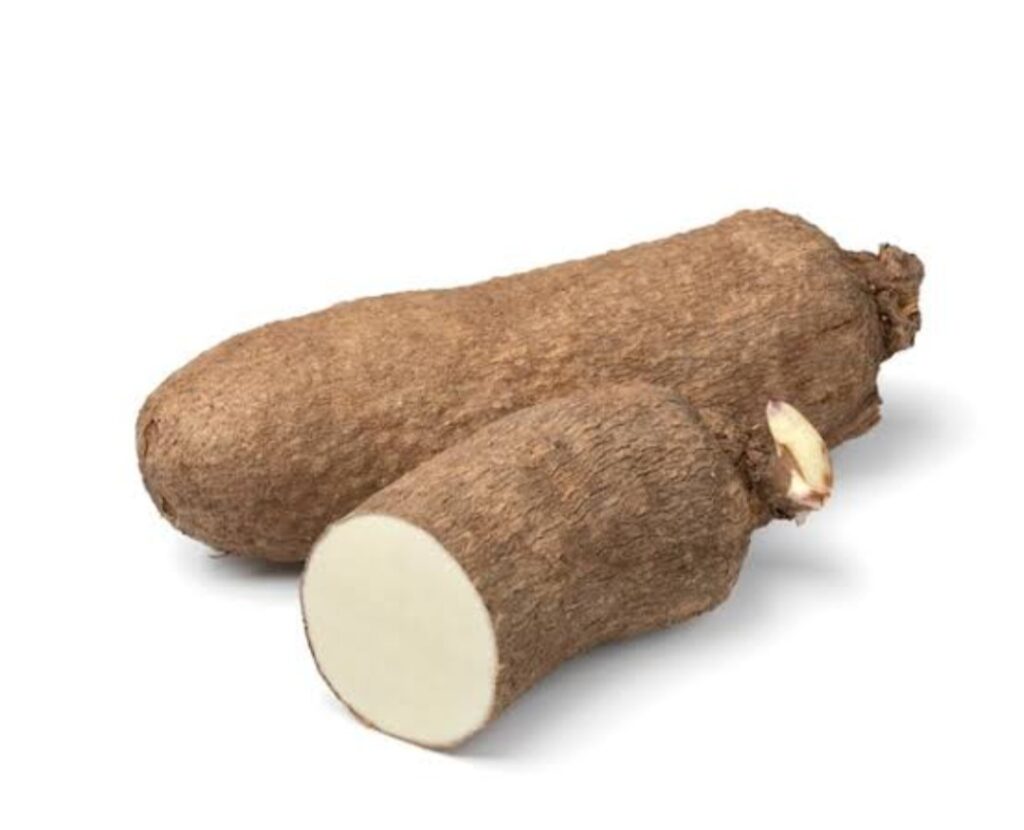
In the humid rain forest, tuber crops are important staple food crops. Tuber crops are crops that store their food in underground tissues. Example of such underground tissues is the root. Also underground stem is another example. Examples of root crops include yam, cassava, cocoyam and sweet potatoes. These tuber crops are good source of calories.
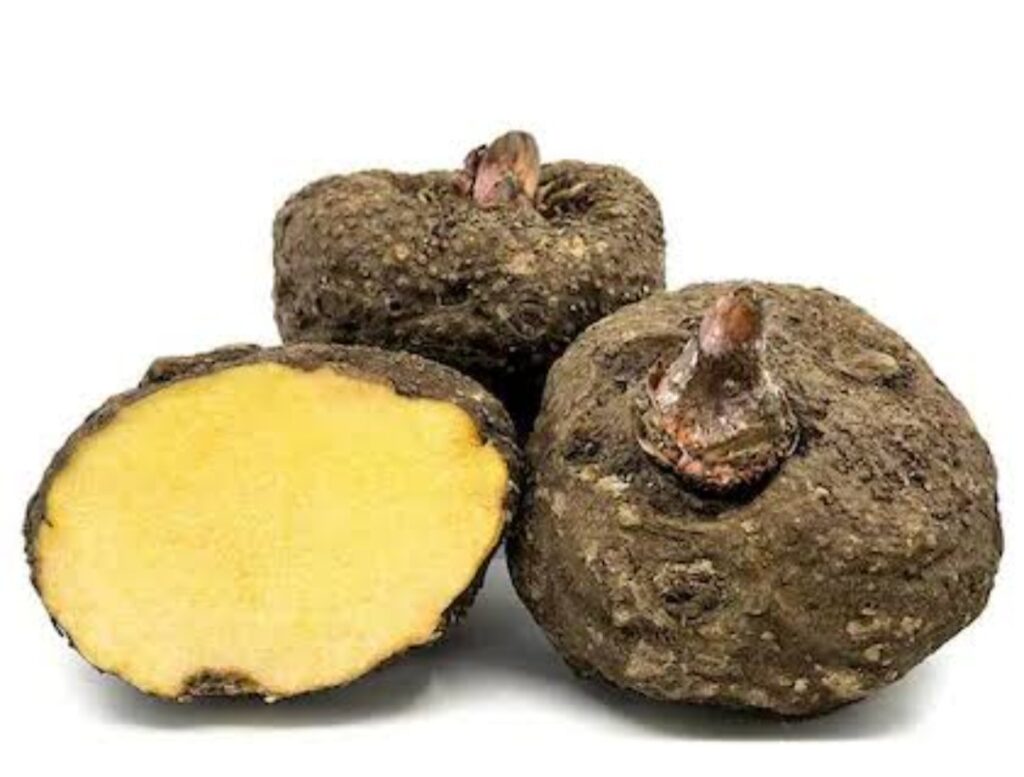
Yams are often referred to as the “king of root crops,” and are a rich source of essential nutrients. They are starchy staples in the form of large tubers. They produce annual and perennial vines, majorly grown in Africa, America, Caribbea, South Pacific and Asia. They exist as wild and domesticated species.
There are hundreds of these wild and domesticated Dioscorea species.
In 2017, yam production in the world amounted to 52 million tons, of which Africa produced 96%. Most of the world’s production comes from West Africa representing 94%, with Nigeria alone producing 71%, equalling more than 37 million tons. African countries imported more than 2,000 tons in 2002, and exported 15,500, of which Nigeria exported 12%.
As at today ( 2025), yam production amount to 88,257 kilotonnes with Nigeria alone producing about 70%, being the world producer.
Also, there has being a decline in yam production in some producing areas due to population increase, fewer farmers engaging in its production , declining soil fertility, increasing pest pressures and the high cost of labour etc.
The majority of producers, often intercrop yams with cereals and vegetables.
IMPORTANCE OF YAM PRODUCTION
1. Yams are primary agricultural commodities
2. They are major staple crops in Africa and some other parts of the world

3. In West Africa, they are major sources of income
4. They have high cultural value such as used in fertility and marriage ceremonies, and a festival is held annually to celebrate its harvest.
5. Some varieties are used for yam flour
6. The head, setts and minisetts are used as propagules
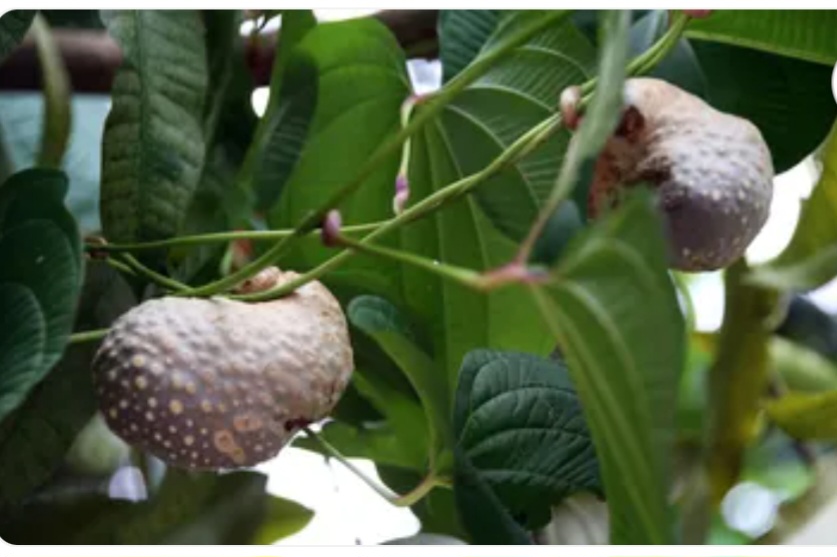
7. Some yam like D. bulbifera can be grow and be harvested on the vines ( Arial development)
CONSUMPTION OF YAM
Yam tubers consist of about 21% dietary fiber and are rich in carbohydrates, vitamin C and essential minerals. Worldwide annual consumption of yams is 18 million tons, with 15 million in West Africa. Annual consumption in West Africa is 61 kilograms per capita. Yams are boiled, roasted, baked or fried. In Africa they are also mashed into a sticky paste or dough after boiling.
SPECIES OF YAM
There are various species of YAM. They include;
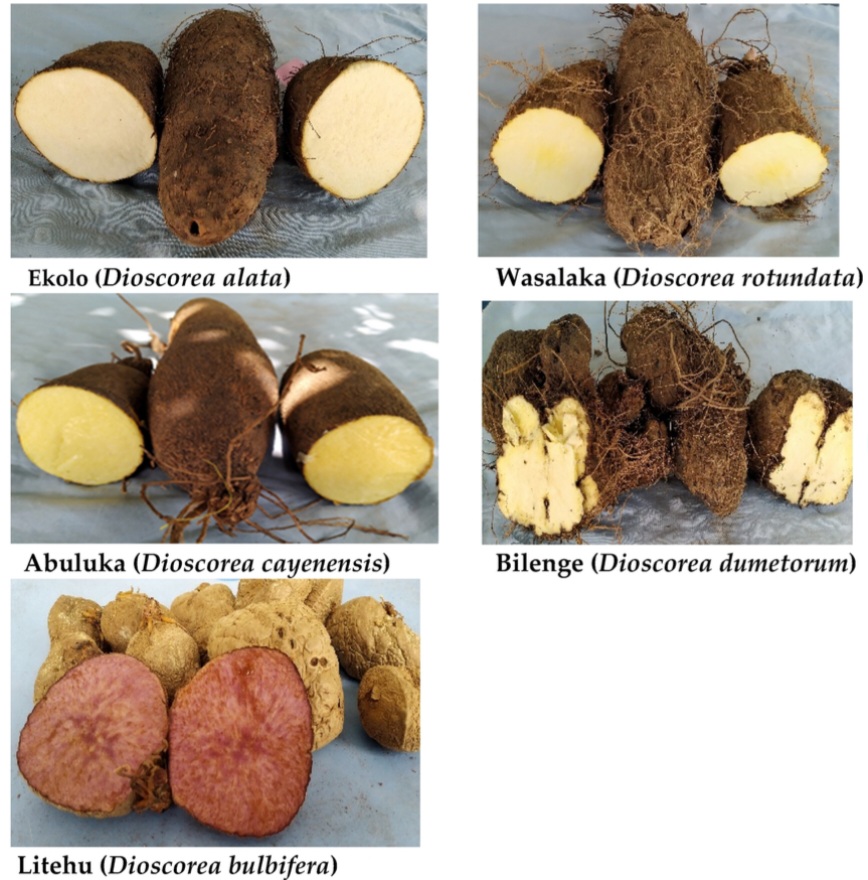
a. Dioscroea rotundata Poir ( white yam)
b. D. cayenensis Lamn (Yellow yam)
C. D. alata Linn ( Water yam)
d. D. dumetorum Pax ( Trifoliate yam)
E. D. esculenta Burkill (Chinese yam)
f. D. bulbifera Linn ( bulbil or potato yam).
FEATURES OF SOME OF THE YAM VARIETIES
Dioscorea alata (Water Yam): Known for its smooth, tender flesh and sweet flavour.
Dioscorea rotundata (White Yam): Has a dry, starchy texture and is often used in traditional dishes.
Dioscorea cayenensis (Yellow Yam): Features a yellowish flesh and a milder flavour.
White Guinea yam ( D. rotundata) is the most important species especially in the dominant yam production zone in West and Central Africa. It is indigenous to West Africa, as is the Yellow yam (D. cayenensis). Water yam (D. alata), the second most cultivated species, originated from Asia and is the most widely distributed species in the world.
Other varieties of yam include; D. trifida, D. hispida, D. compositea, D. japonica. etc
THE NUTRITIONAL VALUE OF YAMS
Yams are powerhouse of essential nutrients such as fibre, vitamins A, B6, C and minerals such as potassium and manganese. They are also a great source of energy, support digestive health, and have antioxidant properties that contribute to overall well-being.
AREA OF PRODUCTION
Root crops like yam and others are mainly grown in African countries, especially in West African countries. They are also popular in West indies.
ENVIRONMENTAL REQUIREMENT
Dioscorea species are mainly tropical crops. They complete their life cycle between 7-9 months till harvest.
a. TEMPERATURE REQUIREMENT:
Dioscorea crops prefer a temperature of about 20°C, especially temperature between 25 -35°C.
b. MOISTURE REQUIREMENT
Dioscorea requires moisture throughout their growing cycles. They require rain that will fall for 3 to 4 months. To grow them in dry season, supplemental irrigation is required.
C. SOIL REQUIREMENT
Dioscorea species require soils that are very fertile. Marginal soils used for planting cassava and sweet potatoes should not be used for yam production as the crop will perform poorly. Newly ploughed virgin soils or land left on fallow for long period of time which are rich in organic matter can be used for yam production. Thus, yam prefer loamy soils. Sandy soils are low in cation exchange capacity, therefore are poor soils for yam production. Clayey soils can easily become water logged and will have poor aeration, is not good for yam production neither. Apart from this, they make harvesting difficult.
It is important that soils to be used for yam production must not be stony, and must be well drained, not waterlogged or with poor aeration as these may result in tuber rot.
d. SUNLIGHT: Light is a critical factor in yam production. The day light is critical for tuber formation and growth. During vegetative development, high light intensity is required. This gives reason why staking is required in yam production, so as to spread the leaves out to produce photosynthates that are stored in the tubers. Apart from this, without staking the vines on which the leaves are formed will not be spread out, thus, making the plant to produce small tubers.
In addition, senescence and die back of the vines may occur due to the variation in photoperiodic periods. Reduced availability of water coupled with onset of dry season do accelerate the senescence of the yam leaves.
PLANTING AND PROPAGATION
a. PLANTING DATE: In the tropics, early planting is done in November when the raining season just ended. While late planting start between February and April.
During early planting in November, the soil is still moist and soft. While in late planting between February and April, the soil is still hard and dry .
In riverine areas, planting is done as soon as possible after the flood had receded.
For production of seed yam, planting can be done in May.
LAND PREPARATION
In traditional farming, land is cleared using hand tools like cutlass and hoe. Farmers will clear the land and select the slender, upright tree stems for staking the vines. The land clearing involves felling and cutting of trees, uprooting of undergrowth, burning of the cut tree parts and shrubs, and collection of the leftover chars after burning.
Also, mechanical clearing of the land can be done in the case of commercial farming. Bulldozers can be used to uproot the shrubs and small trees, while the bigger trees are cut down first with a chain saw and evacuated from the land.
SEEDBED PREPARATION
The soil on which tubers must grow must be friable and without any obstruction like stones, so that it can easily penetrate into the soil during growth. The soil must be loose enough. Therefore, tillage operation is required after land clearing.
There are four tillage operations used for growing yam. They include
a. mounds
b. ridges
C. holes
d. planting straight into the flat soil.
Both mounds and ridge making for yam production is common among traditional peasant farmers.
a. MOUND MAKING: Mound making is the most common tillage operation method among traditional farming practices. The farmer uses a hoe to gather top soil to form a conical heap along the length of the field. The size and distance of the heaps and the number of yam stands to plant on each heap vary with soil type and location. The bigger the mounds the larger the space between the mounds.
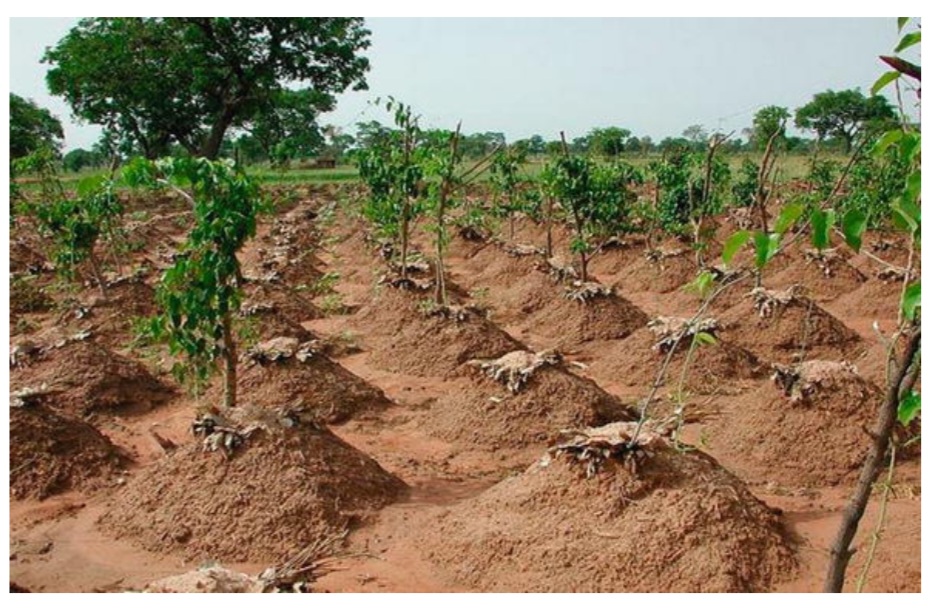
b. HOLES: This is another method used in some yam producing areas. Only one yam sett is planted per hole compared to mounds. The bigger the mounds, the higher the number of yam sets planted per mounds. Therefore, a mound can have up to five yam setts plated in it.
Holes are usually used when yam are intercropped with other crops. Each hole is about 30 by 30 by 20 cm. The spacing of the holes depend on the intercropping operations carried out with the yam.
c. RIDGES: YAM production can also be done on ridges. Ridge making requires some degrees of mechanization. After ploughing, harrowing is done. Then ridges are made using a tractor drawn ridger. The ridges can also be constructed traditionally using hoe. The ridges are commonly made at a spacing of 1-1.2m apart. The higher and broader the ridges, the better since a high ridge provides good depth of loose soil for the tuber and root penetration. After ridge making, the yam sets are planted in it. The yam sets are inserted in holes of 10cm deep made on the ridge at 1m spacing. After planting, the hole is covered.
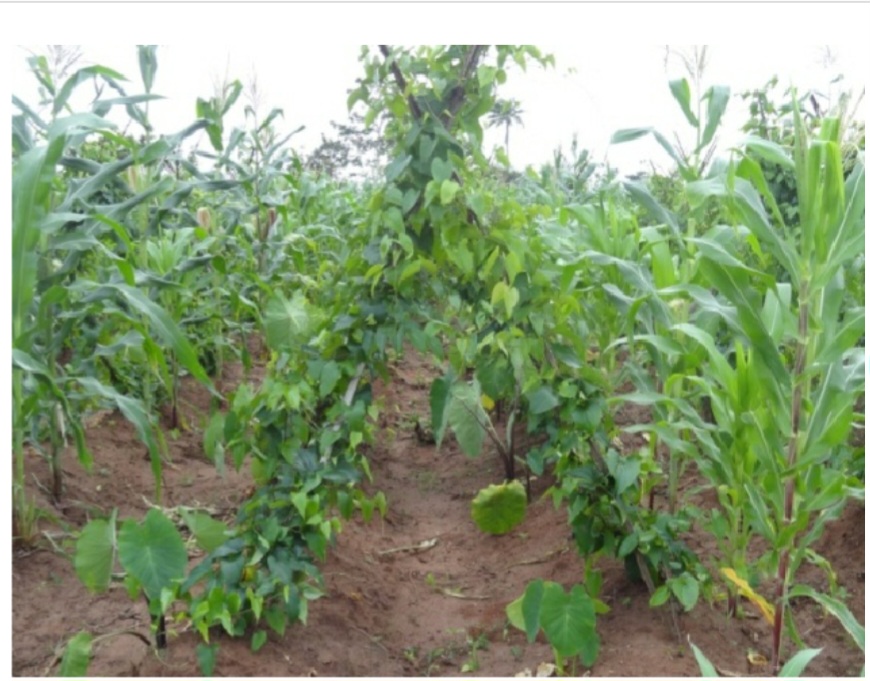
d. PLANTING ON THE FLAT: YAM setts can also be planted directly on the flat without mound or ridge making. The land is cleared, ploghed and harrowed. Then the yam sett is planted in holes dug on the flat.
e. SACK PLANTING: As technology began to advance and people do not have enough space around their houses for planting, sack planting is then carried out.
This method of planting yam is an innovative and space-efficient method of growing yams. It allows those with limited space to enjoy the benefits of growing yams at homegardens. it is also an eco-friendly and resource-efficient method and it promote sustainable agriculture at home.
It requires the use of a standard sack that is about 2-3ft deep and 1.5-2ft in diameter for growth and development.
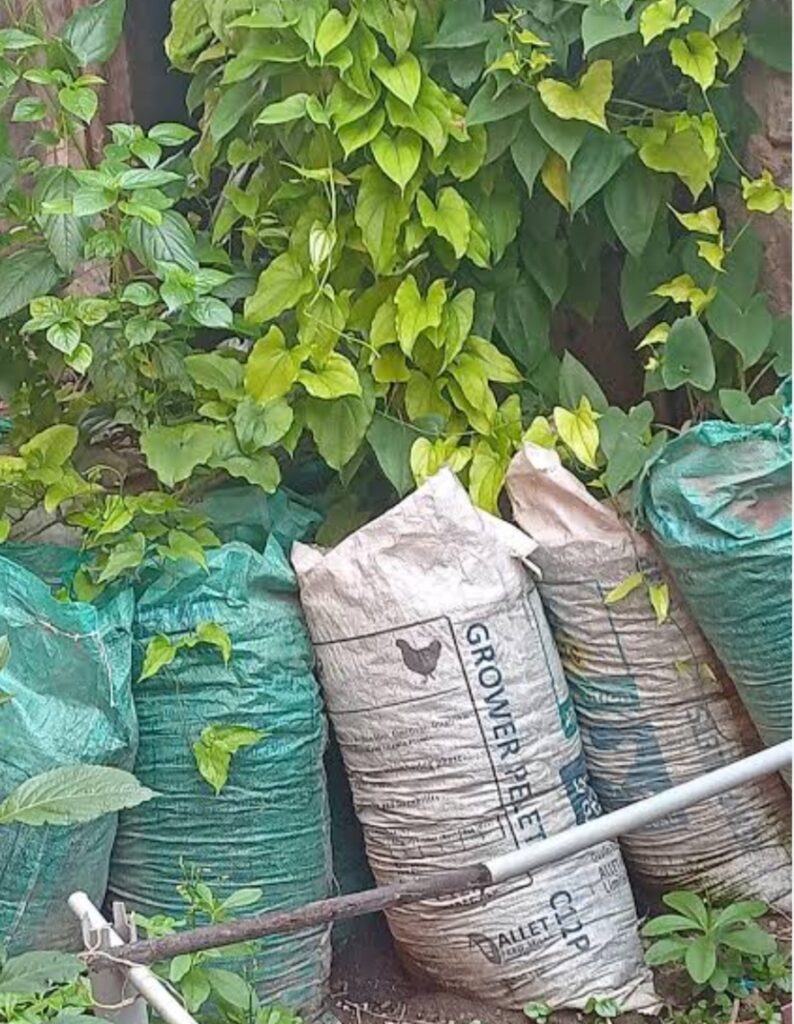
The sack should be filled with a mixture of well-draining soil with cured manure or compost and/or charged biochar. The yam cuttings or yam setts are planted, ensuring they have enough space. The top of the sack should then be mulched.
Mulching, watering, staking and fertilization are essential in this method.
PLANTING MATERIALS
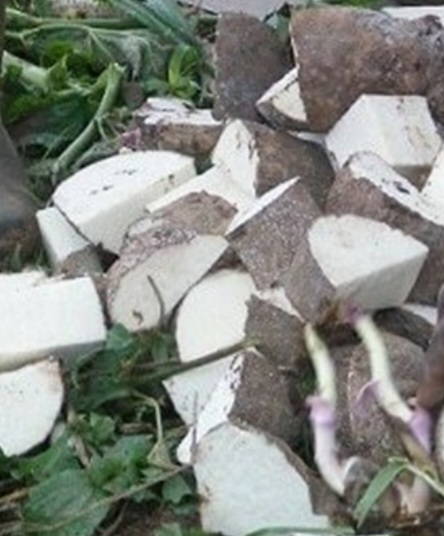
Yam is propagated by means of tubers. The large yam tubes can be cut into small tuber pieces called minisetts. Also, the tuber can be small in size and used as a propagule. In this case, the small whole tuber is called a wholes while the large tuber cut into tuber pieces is called a sett.
For yam consumption, the sett to be planted should weigh between 150 to 300g. For seed production, the sett should weigh between 85 to 100g.
Also, the yam tops (head) with buds can be used as propagule. This is the most common practice in Nigeria.
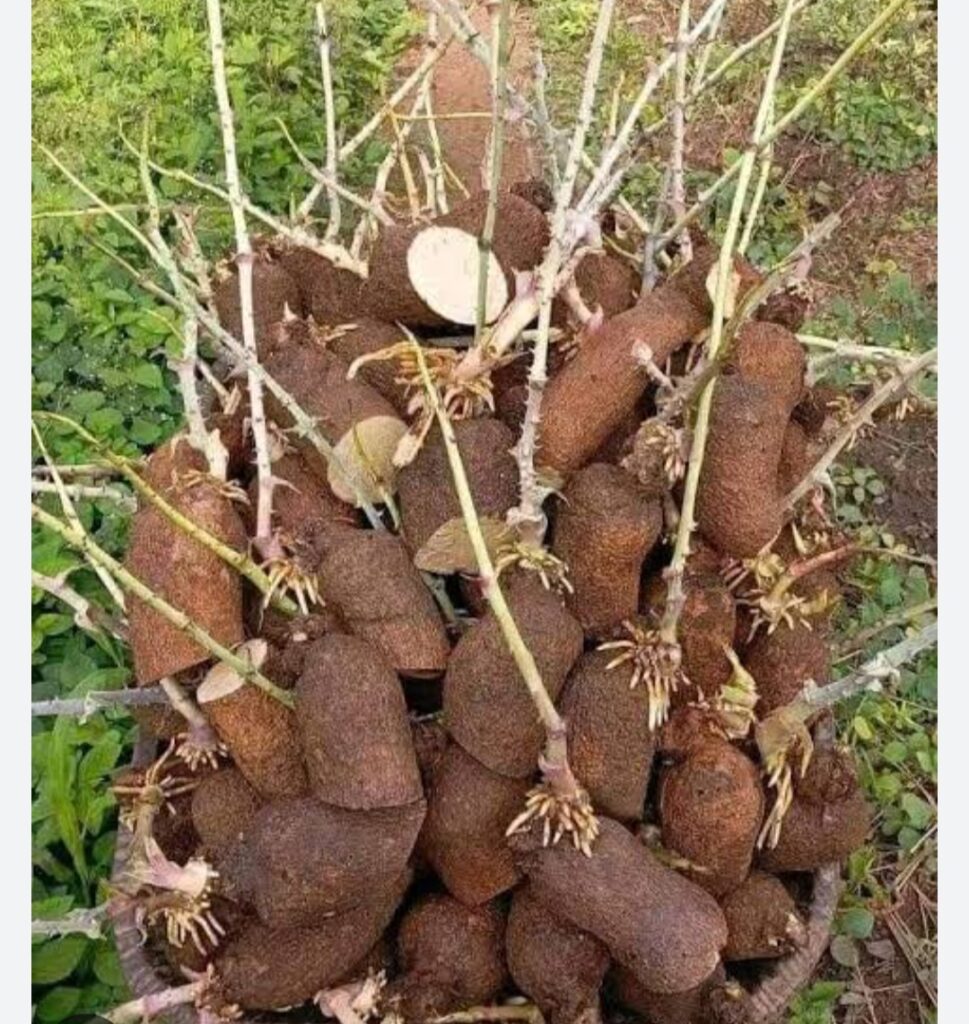
When using whole tuber pieces as propagules, it is adviceable to plant early maturing tops than selecting the bottom and middle pieces. This is because the bottom and middle sprout very late with non uniformity in sprout. Therefore, to prevent this, most farmers pre- sprout the yam sets before planting on field. In this case, the setts are collected three months before planting them in the field, they are then spread on open soils and buried in the soil with top soil. This is done under a shade without watering. Plant litters are then spread on top of the covering. After two and half months, the setts are checked for sprouting. It is the sprouted setts that are planted on the field. This method simulate nursery planting before planting on the field.
CROP MANAGEMENT
a. MULCHING: Yam propagules covered with soil as pre planting propagules and those planted in mounds needs mulching especially in the dry months. Applying mulch helps retain moisture and suppress weeds. It also helps reduce soil temperature.
Mulching of the ridge top is also important as this is better than capping.
b. FERTILIZATION: Fertilizers are applied based on soil analysis to ensure adequate nutrient supply.
c. WEEDING: Regular weeding is essential to control competition for resources. It is usually done immediately after staking.
Weeding must be done with care because of the shallow root system of the yam.
d. STAKING: Plants are staked to provide support for the vines. Yam vines are usually staked when it is about 1 meter tall. The vines twine around the stakes rather than trailling on the ground. One stake per sett is usually done. The vines must be trailed up the stake.
FERTILIZER APPLICATION.: generally, yam respond well to nitrogen and potassium fertilizers. Most recommended ratios in Nigeria include: 10:10:20, or 12:12:18 at the rate of 125kg to 250kg per hectare of the compound fertilizers . Organic manure or compost may also be applied to the mounds . The best time to apply the fertilizer is when the plant changes from dependence on the sets to the true autotrophy. Or best apply at a month after emergence . At this time, the root system would have being extensive enough to absorb and utilise the soil nutrients with active shoot expansion just starting .
HARVESTING:
Yams are harvested after a period of about 6-7 months or even longer, depending on the variety.
In West and Central Africa tubers are planted between February and April, depending on whether in humid forest or on the savanna, and are harvested 180 to 270 days later.
The early yam matures at the end of July to mid September and the main yam from mid October to January.
To harvest the yams, two general practices are embacked upon,
A. DOUBLE HARVESTING: The plant in the field is harvested twice. After exhuming of the yam from the soil, the head of the yam connected to the vine is cut off and replanted. It is later harvested again after development.
B. SINGLE HARVESTING: Each plant is harvested only once .
Care is needed during harvesting to minimize damage to tubers that lead to rot and a decrease in market value. Harvested tubers normally stay dormant (do not develop sprouts) for 30 to 120 days depending on environmental conditions, the date of harvest, and the species. This means that only one crop cycle is possible per year, possibly restricting supply
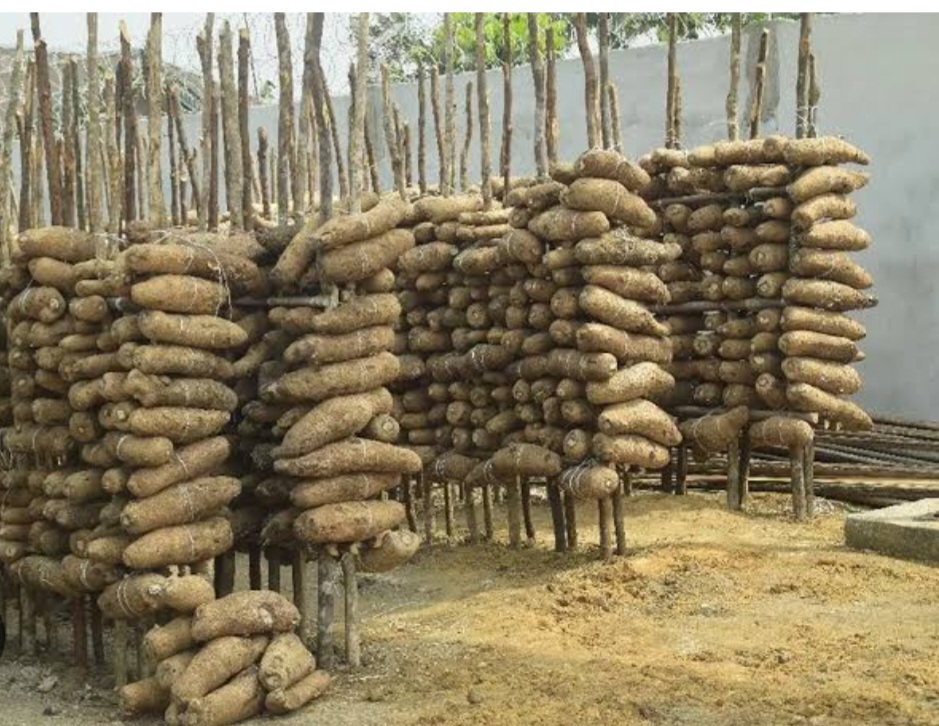
STORAGE: yam harvested are stored in barns or buryed. Also, they can be stored by platform storage or underground storage.
PEST AND DISEASE MANAGEMENT:
Common pests and diseases should be monitored and controlled using organic methods or professional advice.
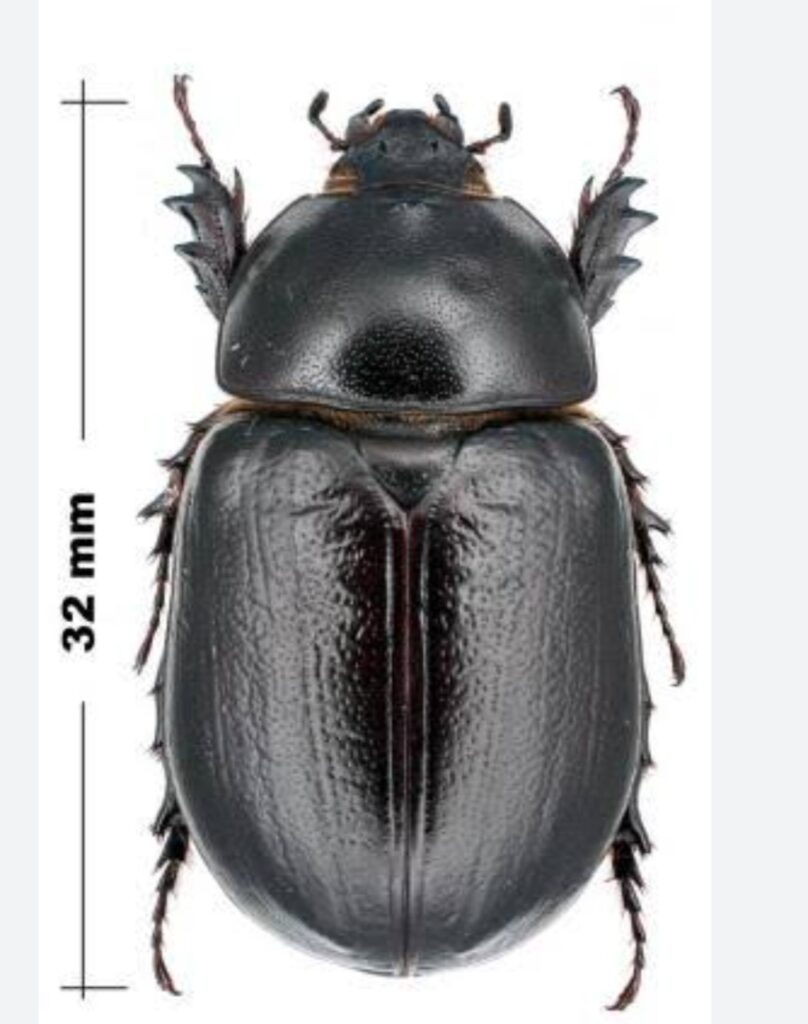
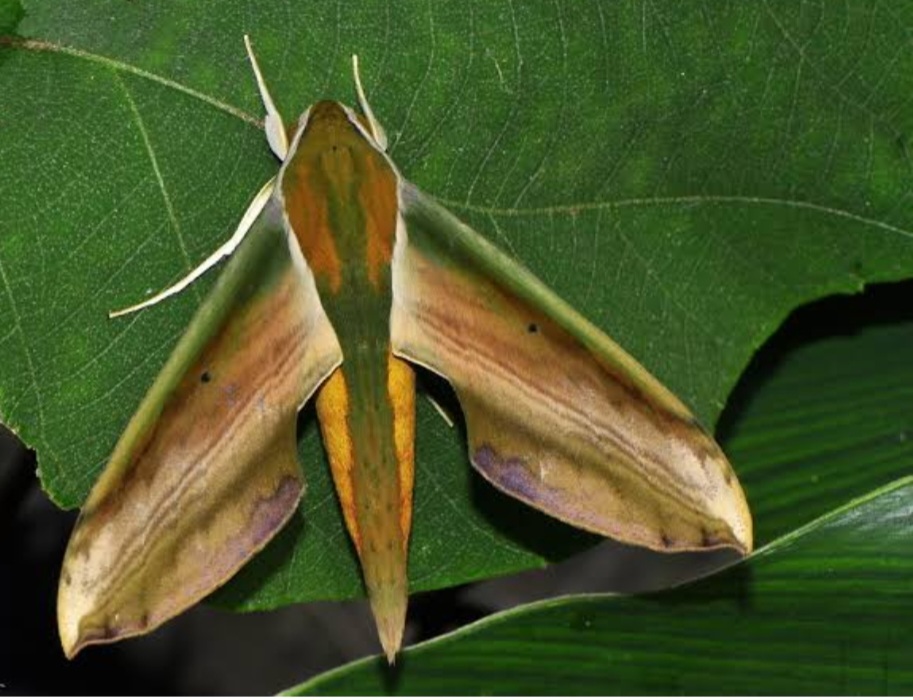
The major pests that affect yams include insects such as leaf and tuber beetles, mealy bugs, termites and scales, and also parasitic nematodes
DISEASES OF YAM:
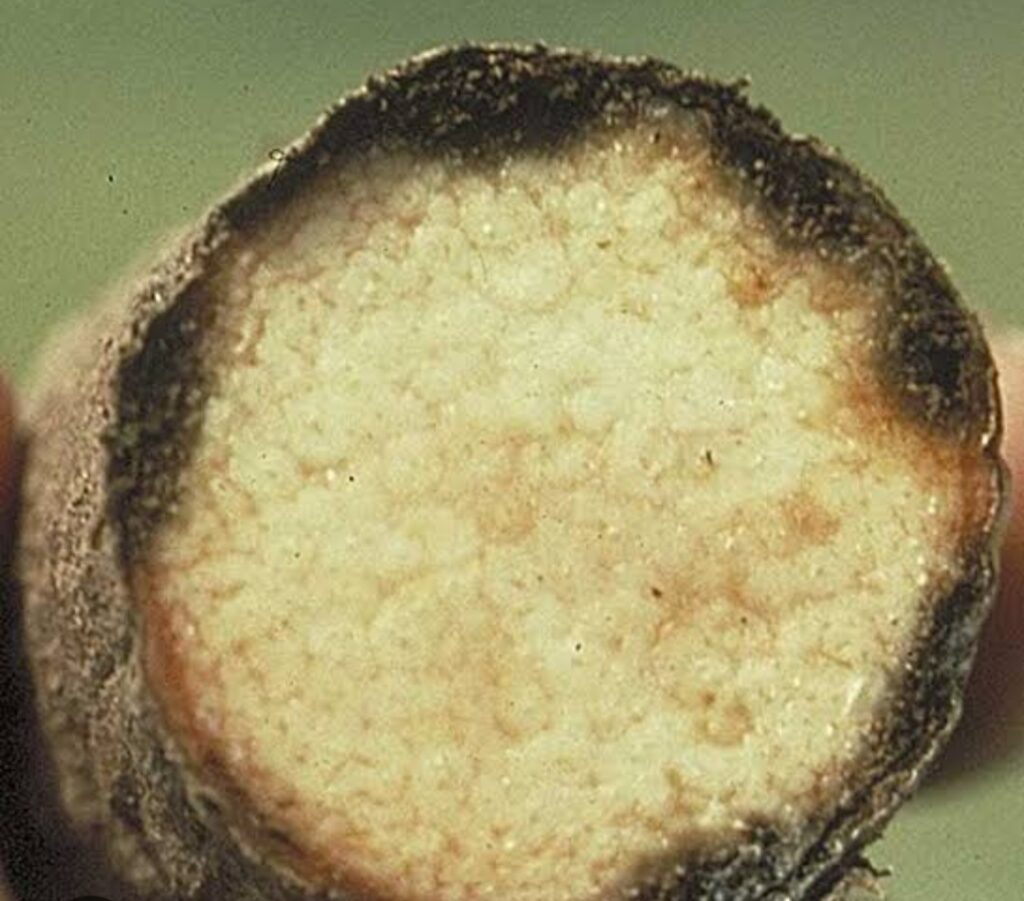
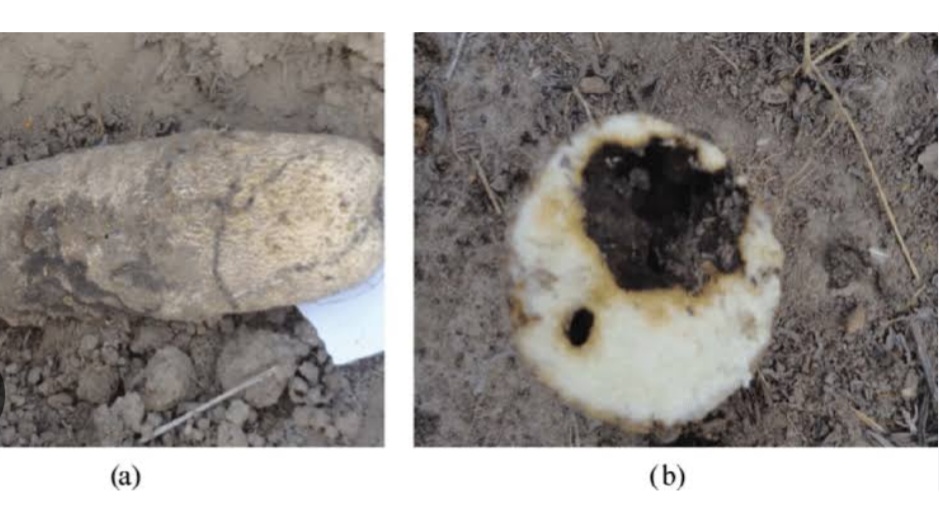
fungi causing anthracnose, leaf spot, leaf blight, and tuber rot; and viruses, especially the yam mosaic virus (YMV).
PROBLEMS OF YAM PRODUCTION :
a. Planting materials are bulky, b. production operations are labour intensive
c. shelt life of yam is very short therefore short storage is recommended
