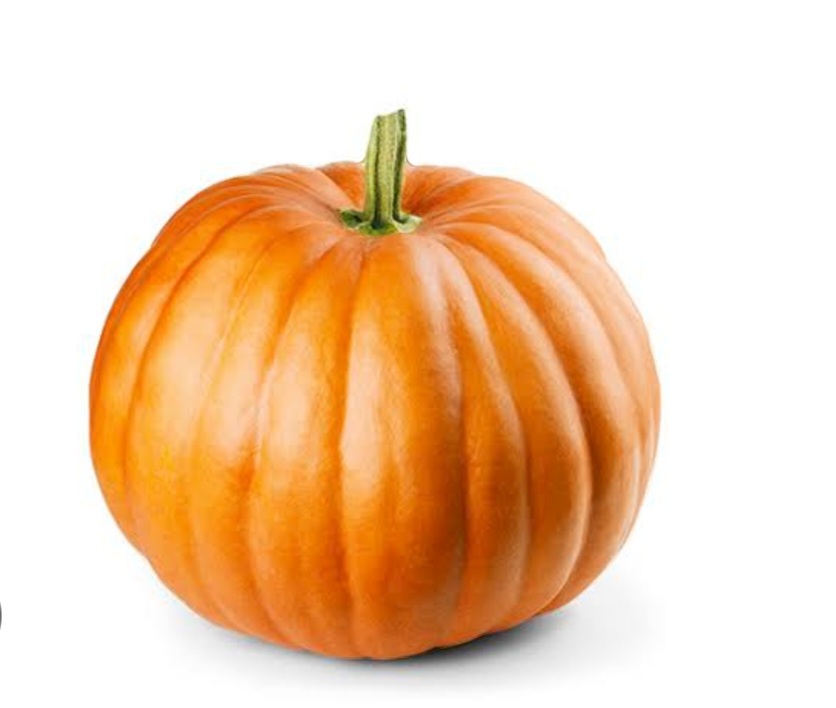
Pumpkin may also be referred to as squash or marrow and is believed to have originated in Mexico and South America. They are in the gourd family, which means they have a hard skin, or shell, and grow on vines.
Pumpkin belongs to gourd family called cucurbitaceae. This squash exist in varieties like ; Cucurbita pepo, C. moschata, C. mixta and C. maxima.
Some people believe that they are vegetable crop but pumpkins are a fruit because they develop from a flower and hold the seeds of the plant. They are grown during the rainy season or summer.
In hindu, it is known as “HalwaKaddu” or “Kaddu. It is also Commonly called ; Budho (Luo), Malenge (Kiwahili), Lisiebebe (Luhya), Marenge (Kikuyu), Risoa (Kisii), Ulenge (Kamba). India is the second largest producer of pumpkin. It is used for cooking purpose, the seeds can be eaten raw or mixed with other prepared food and is used to make sweets. It is good source of Vitamin A and potassium. Pumpkin helps to boost eye vision, lowers blood pressure and has antioxidant properties. Its leaves, young stems, fruit juice and flowers contain medicinal properties.
DESCRIPTION OF PUMPKIN VARIETIES
THE VINES: Pumpkin plants are short-lived annual or perennial vines with branching tendrils and broad lobed leaves. The vines are capable of reaching 15 m (50 ft) in length if vines are allowed to root.
THE LEAVES: Pumpkins leaves are carried at the internodes along the long-running, bristled stems. The leaves are large, deeply-lobed and often containing white blotches, and yellow or orange flowers separated into male and female types on the same plant
THE FRUIT;
Pumpkin fruits are a type of berry known as a pepo. They are generally large, 4–8 kg (9–18 pounds) or more, though some varieties are very small. The largest pumpkins are varieties of C. maxima and may weigh 34 kg (75 pounds) or more. The most massive pumpkins ever grown have exceeded 907 kg (2,000 pounds). The pepo are often yellowish to orange in colour. They can also be red, blue, gray, white, and green in colour. They vary from oblate to globular to oblong. Some possess feature of white rind. The rind is smooth and usually lightly furrowed or ribbed. The fruit stem is hard and woody, ridged, and angled.

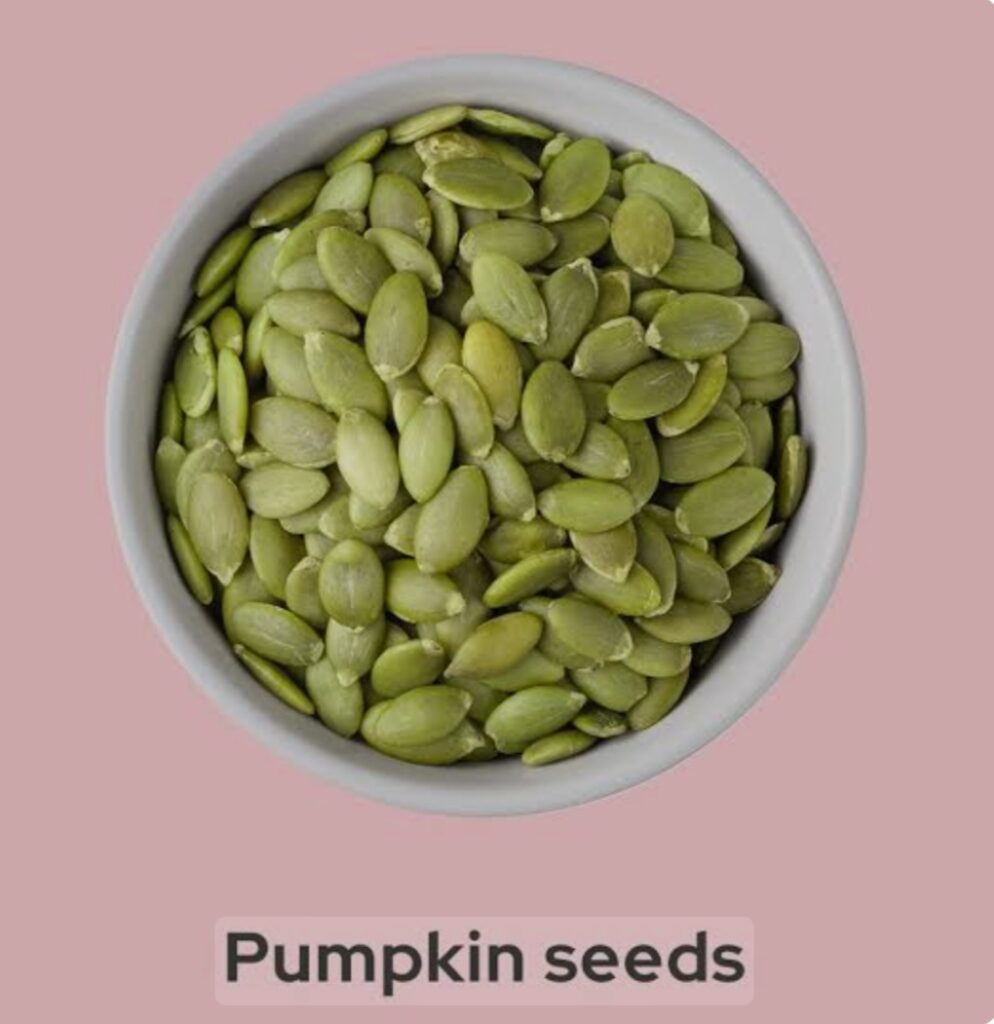
THE SEEDS: The seeds of all pumpkin species are edible and are commonly roasted. In the United States they are known as pepitas. They appear in green and white coats.
VARIETIES
Hybrid varieties:
Punjab Samrat (Released in 2008): They have medium long vines, angular stem and dark green colour leaves. It contains small fruits which are round in shape. The fruit is mottled green in colour when immature and at maturity stage it becomes pale brown in colour. Fruit contains golden yellow color flesh.
PAU Magaz Kaddoo-1: Released in 2018. The variety is also used for making Magaz and snacks. It has hull-less seeds, dwarf vines and dark green colour leaves. It has medium sized fruits which is round and turns golden yellow at maturity. The seed contains 32% omega-6, 3% protein and 27% oil content.
PPH-1: Released in 2016. Extra early maturing variety. They have dwarf vines, short internodal length and dark green colour leaves. It contains small fruits which are round in shape. The fruit is mottled green in colour when immature and at maturity stage it becomes mottled brown in colour. Fruit contains golden yellow colour flesh.
PPH-2: Released in 2016. Extra early maturing variety. They have dwarf vines, short internodal length and green colour leaves. It contains small fruits which are round in shape. The fruit is light green in colour when immature and at maturity stage it becomes smooth brown in colour. Fruit contains golden yellow color flesh.
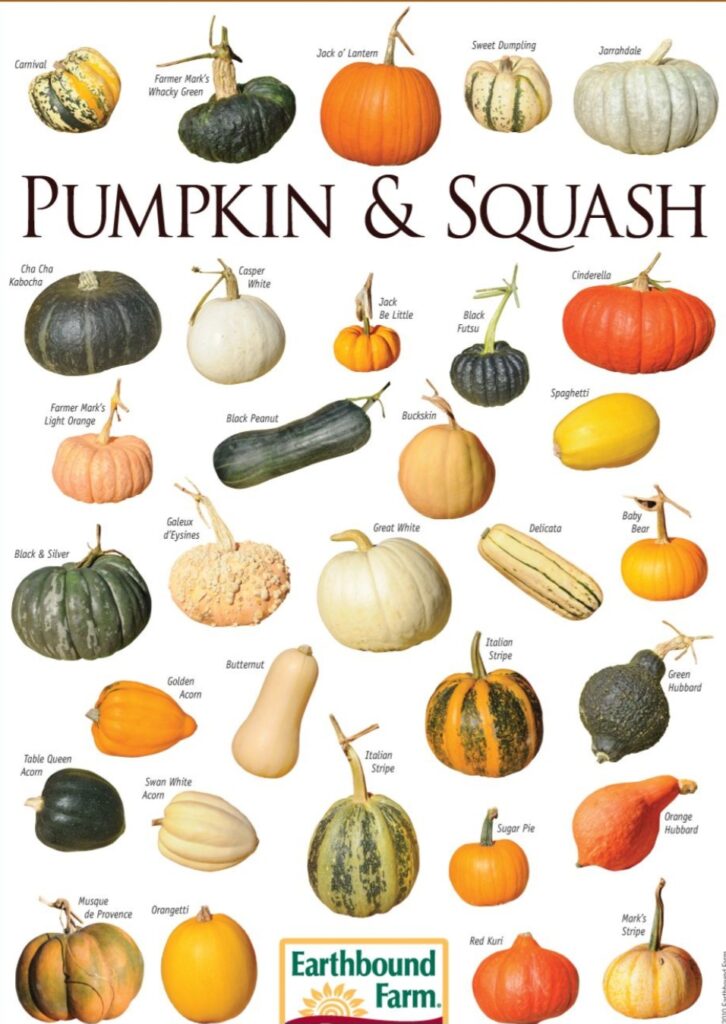
Other varieties include:
CO 2: Released in 1974. The average weight of each fruit is 1.5-2kg. The fruit contains orange colour flesh. The variety gets mature in 135 days.
CO1, ArkaSuryamukhi, PusaViswesh, TCR 011, Ambilli and ArkaChandan are the important varieties of Pumpkin.
RESISTANT VARIETIES
Butternut 401: It has resistance to powdery mildew
Bugle: It has resistance to powdery mildew.
Early Butternut F1: It has resistance to powdery mildew.
Ultra F1: It has resistance to Fusarium wilt and powdery mildew.
Waltham: It has resistance to powdery mildew.
BENEFITS OF PUMPKIN
1. Pumpkins are commonly grown for human consumption, for decoration, and also for livestock feed.
2. In Europe and South America, pumpkin is mainly served as a vegetable and used interchangeably with other winter squashes.
3. In the United States and Canada, pumpkin pie is a traditional Thanksgiving and Christmas dessert.
4. Pumpkins are popular autumn decorations, especially C. pepo, the common field pumpkin. In some places, pumpkins are used as Halloween decorations known as jack-o’-lanterns, in which the interior of the pumpkin is cleaned out and a light is inserted to shine through a face carved in the wall of the fruit after the seeds and stringy goo have been taken out.
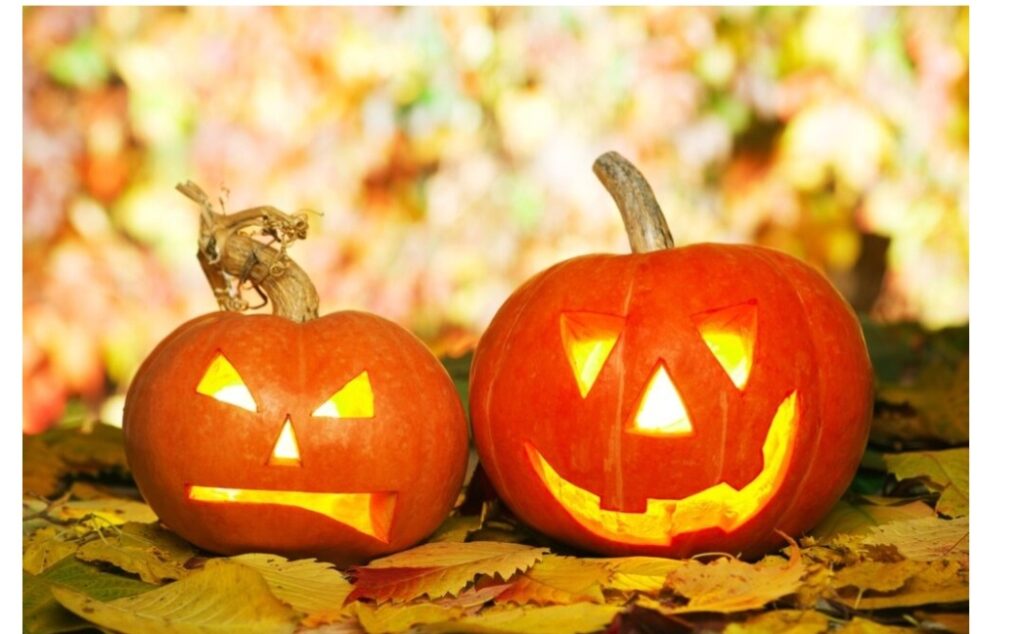
5. The inside flesh of some pumpkins is used to make pumpkin pie
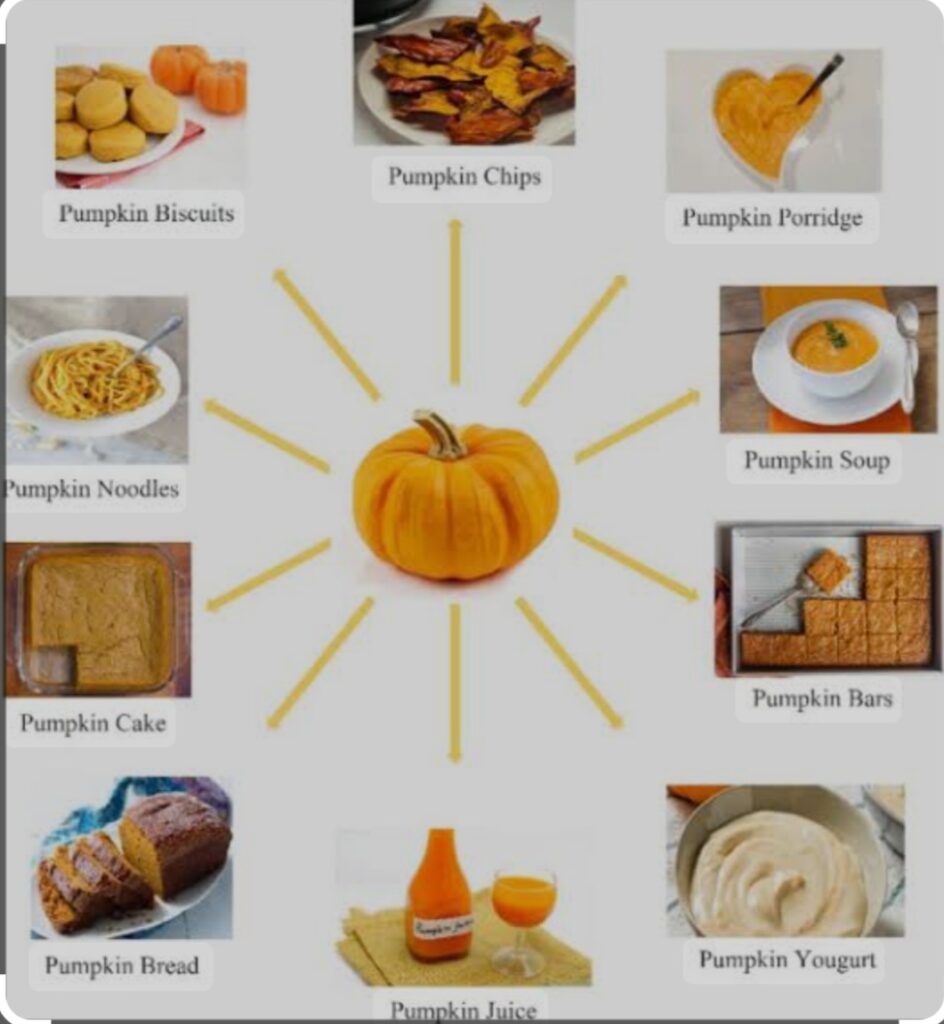
6. The seeds can be roasted and eaten as a healthy snack.
7. Pumpkin flesh, leaves, and flowers can be cooked and eaten in a variety of dishes
8. Canned pumpkin is commonly made from C. moschata and may be mixed with other squashes, such as butternut squash (also C. moschata).
BENEFITS OF PUMPKIN SEEDS
1. It is full of valuable nutrients
2. High in antioxidants
3. high in magnesium
4. It is linked to a reduction in the risk of certain cancer
5. It improves prostrate and bladder health
6. it improves heart health
7. it can lower blood sugar
8. help improve sleep
9. It can increase sperm quality
10. high in fiber
11. easy to add to diet
12. The pumpkin has been used as a medicine in Central and North America. The seeds are widely used as an anthelmintic. The complete seed, together with the husk, is used to remove tapeworms.
13. The fruit and seed decoctions have been reported to be used as diuretics and to reduce fevers, and are used for curing indigestion.
14. The pulp is applied to burns and scalds, inflammation, abscesses, and boils.
15. It is also used in the treatment of migraine and neuralgia.
CLIMATIC REQUIREMENT:
TEMPERATURE REQUIREMENT: Pumpkins and squarsh (various Cucurbita spp.) are grown in the temperate and tropical regions. In the tropics, pumpkins are grown from the lowlands up to 2500 m altitude. They are warm-season crops adapted to monthly mean temperatures of 18-27°C. C. maxima is the most tolerant of low temperatures, C. moschata and C. argyrosperma the least, with C. pepo intermediate. C. maxima and C. pepo have long been cultivated in temperate regions. Butternut appreciates part shade in very hot conditions, such as can be obtained when intercropped with other crops or grown under fruit trees.
HUMIDITY: Excessive humidity is harmful because of the development of leaf diseases, so none of the species do well in the humid tropics.
SOIL REQUIREMENT: It requires loamy soil having good drainage system and is rich in organic matter. Soil pH of 5.5-7 (soil with a neutral or slight acid reaction ) is optimum for pumpkin cultivation. It respond very well to medium to heavy applications of compost or well-decomposed manure. They can be cultivated on almost any fertile, well-drained soils.
WATER REQUIREMENT: They are drought-tolerant crop. They require relatively little water, and are sensitive to waterlogging.
PROPAGATION
Pumpkins and other squashes are grown from seed. Seeds may be grown in greenhouse or sown in containers and transplanted to the field when they are 10 cm high. Direct seeding of 2 to 3 seeds per mound is commonly practiced. Seeds from plants where edible pumpkins and ornamental gourds are grown close together should not be used because the fruits from the offspring produced will be bitter or even inedible.
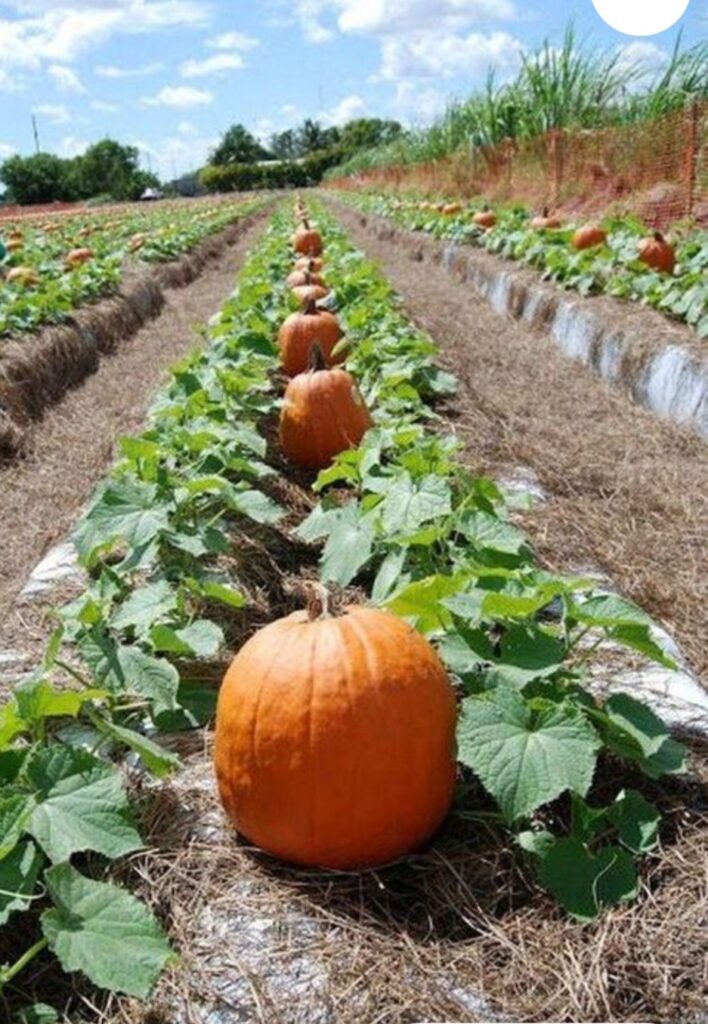
LAND PREPARATION
Well prepared land is required for pumpkin farming. To bring the soil to fine tilth, ploughings with tractor is required.
SOWING
a. Time of sowing:
February-March and June-July is an optimum time for seed sowing.
SPACING:
Sow two seeds per mound and use spacing of 60cm. For hybrid varieties, sow seeds on both side of bed and use spacing of 45cm. Trailing types are planted at distances of 2-3 m either way; the seed requirement is 2 to 3 kg/ha. The bushy types (mainly C. pepo) are planted closer, for example, plants spaced 60 to 120 cm in rows 1 to 1.5 m apart; the seed requirement is 3 kg/ha for pumpkin and 7 kg/ha for summer squash (C. pepo).
SOWING DEPTH:
Seeds are sown 1 inch deep in the soil.
SEED TREATMENT:
Treatment with Benlate or Bavistin @2.5 gm/kg of seed is used to cure from soil borne diseases.
INTERCROPPING: Sole cropping is sometimes used for commercial production. Pumpkins and squashes are also planted in home gardens or mixed with field crops such as maize.
DECAPITATION: shoot tip removal is done to improve growth and development. It involves the removal of growing tips (in trailing varieties) to check growth.
FRUIT BAGGING AND PROTECTION: the bagging of fruits in paper to protect against fruit flies and other pests are done to improve growth and development. . Fruit sets may be stimulated by manual pollination. The fruit may rot when in contact with moist soil, so often cut grass or leaves are placed beneath the fruit.
FERTILIZER REQUIRMENT (kg/acre):
Pumpkins require nitrogen, phosphorus and potassium fertilizers N:P:K 40:20: 20. In an acre of land, urea: SSP: MOP ,90:125: 35 is also required. Also, well rotten FYM at 8-10tonnes/acre should be applied before preparation of beds and fertilizer dose of Nitrogen at 40kg/acre in the form of urea at 90kg/acre, Phosphorus at 20kg/acre in the form of SSP at 125kg/acre and Potassium at 20kg/acre in the form of MOP at 35kg/acre should be applied. Nitrogen dose is applied in 2 equal splits. First half dose is applied before sowing and then remaining dose of nitrogen is applied as top dressing within one month.
WEED CONTROL
Frequent weeding or earthing up operation should be done. Weeding can be done with the help of hoe or by hands. First weeding is done after 2-3 weeks of seed sowing. In total, 3-4 weedings are required to make the field weed free.
IRRIGATION
Pumpkin requires regular supply of water, not waterlogging the soil. Immediate irrigation is required after seed sowing. Depending upon the season, subsequent irrigations at the interval of 6-7 days is required.
HARVESTING
Squashes and pumpkins are picked when mature in a once-over harvest or in several rounds, about 90 to 120 days after planting depending on the variety.
Harvesting is mainly done when skin of the fruits turns pale brown in colour and the inner flesh becomes golden yellow in colour. Mature fruits having good storage capacity therefore can be used for long distance transportation.
SEED PRODUCTION
In seed production, isolation between fields of different Cucurbita species is recommended, not only for the reason of purity but also for obtaining maximum yields (pollen of other species may cause reduced fruit set). All diseased plants should be removed from field. When fruits are mature i.e. they changes their colour into dull. Then they are crushed with hands in fresh water and then separate seeds from pulp. Seeds which are settled at the bottom are collected for seed purpose.
PEST AND DISEASES AND THEIR CONTROL:
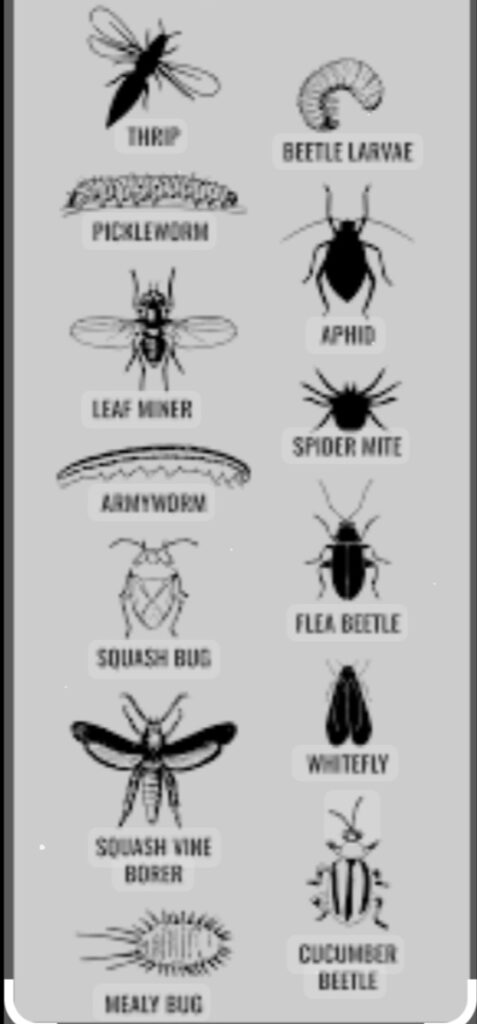
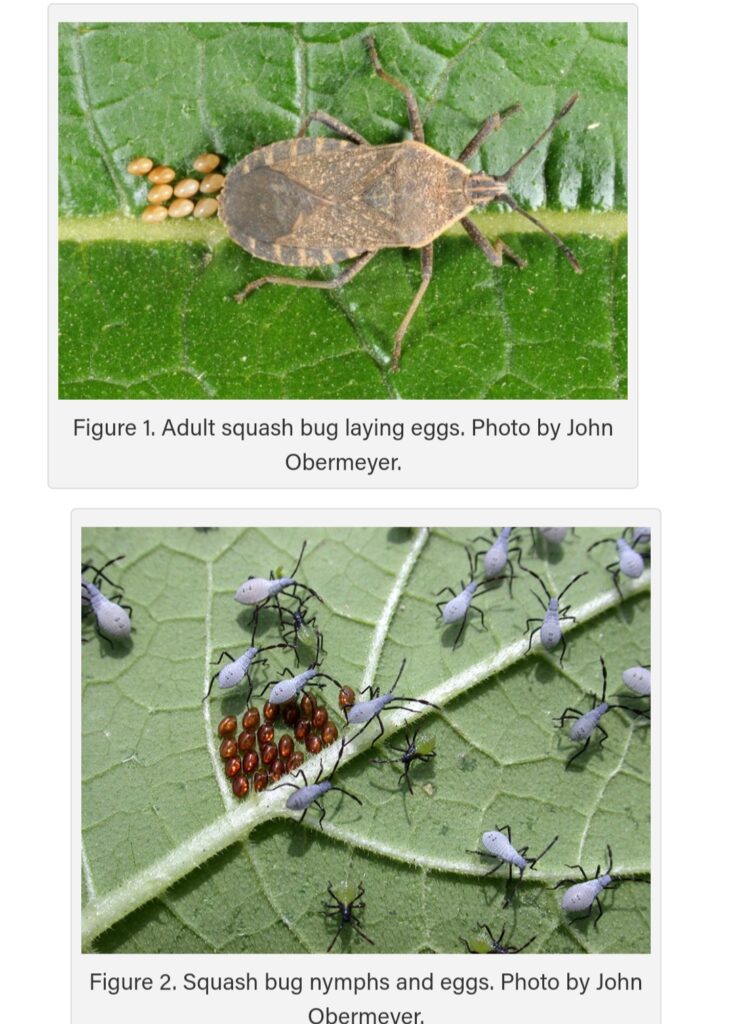
APHIDS AND THRIPS: Aphis gossypii and Myzus persica are the most common. Aphids are small, soft-bodied insects that can grow in large populations quickly. They can usually be found on the underside of the leaves and can cause direct and indirect damage to the plants infested. They suck the sap from the leaves resulting in drooping of leaves as a result of chlorosis, decreased fruit quality and plant development, and in severe infestations, wilt. The honeydew released by the insect can cover the plant canopy and favor secondary fungal infections, reducing fruit yield and quality even more. Thrips results in curling of leaves, leaves become cup shaped or curved upward.
If infestation is observed in field, to control spray the crop with insecticides (mercaptothion, mevinphos, fenthion, dimethoate or Thiamethoxam@5gm/15Ltr of water).
CUCUMBER BEETLE
There are 2 types of cucumber beetles that affect pumpkin plants.
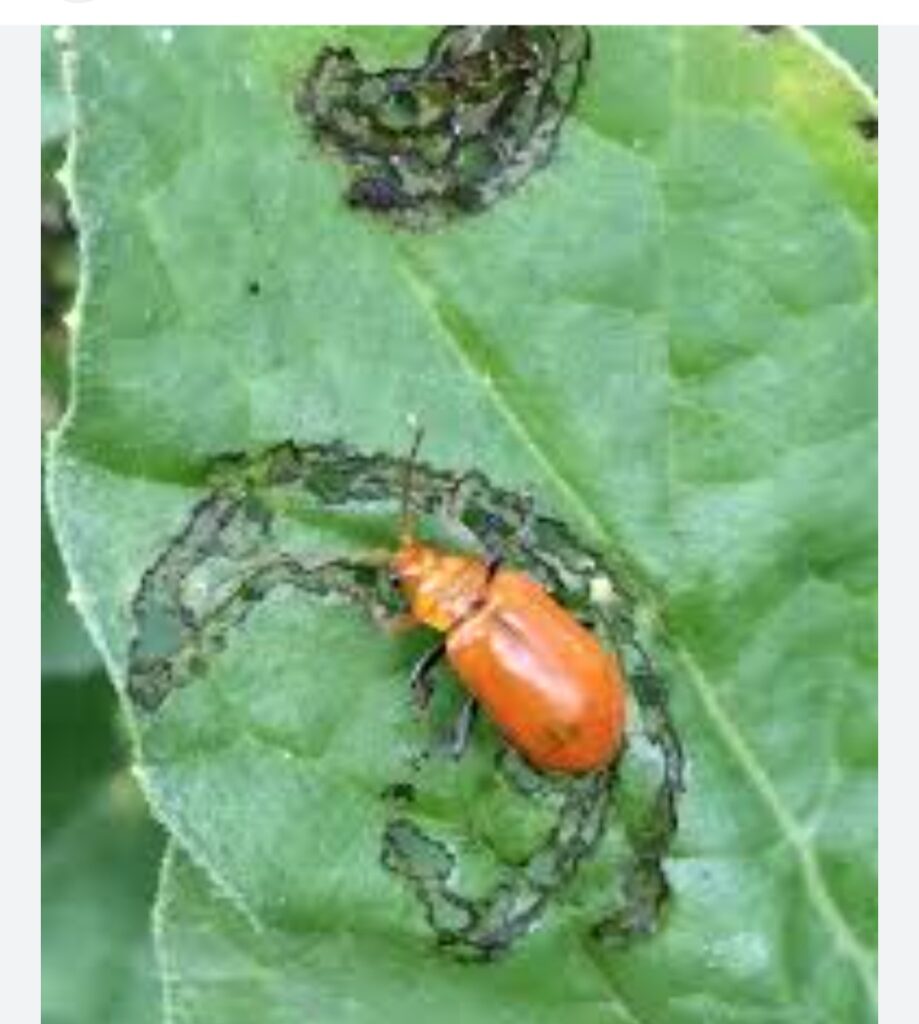
a. The striped cucumber beetle, Acalymma vittata (is yellow and has 3 black strips on its back), and
b. The spotted cucumber beetle Diabrotica undecimpunctata howardi (is yellow with 12 black spots on its back).
The adult beetles chew and feed on the foliage, flowers, vines, and fruit of pumpkins, causing severe damage. The larvae also feed on the stems and roots, leading to plant defoliation, wilt, and death. Striped cucumber beetles can also feed on flowers and pollen, reducing yields. Apart from these, they also cause damages by transmitting a dangerous pathogenic bacterium called Erwinia tracheiphila that can cause Bacterial wilt disease in pumpkins and other Cucurbita species. Furthermore, the beetles are vectors and can transmit the squash mosaic virus.
CONTROL: Some pumpkin farmers use yellow sticky cup traps, spray with kaolin clay or combine these methods with the technique of “trap crops” like dark green zucchini or blue hubbard squash (they are more attractive to the insect than pumpkins).
PUMPKIN FLIES: They cause sunken brown colour spots on fruits and white maggot gets develop on the fruit.
Foliar application of Neem oil at 3.0% is given to cure the crop from fruit fly pest.
DISEASE AND THEIR CONTROL:
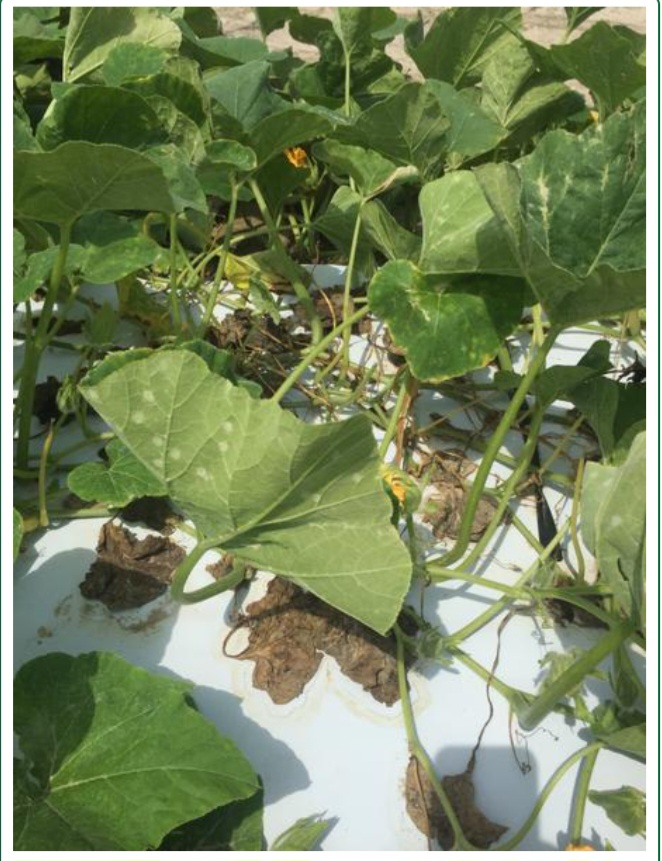
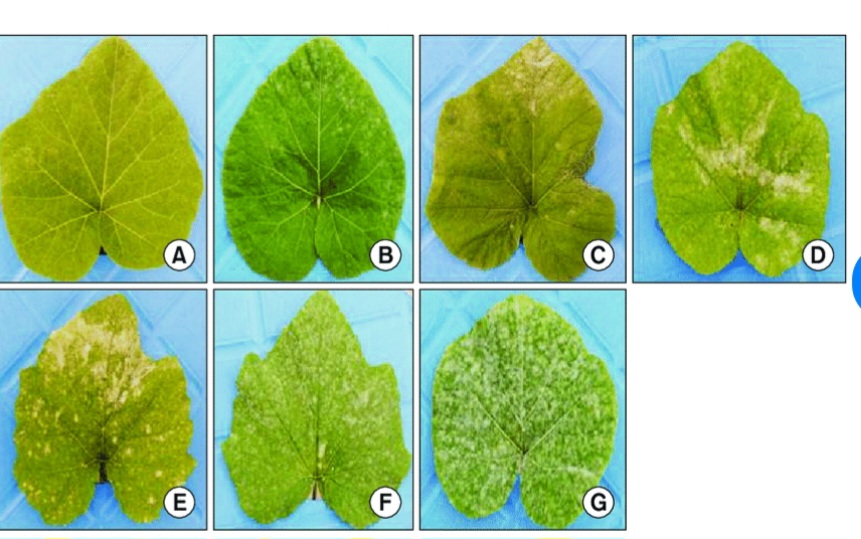
POWDERY MILDEW (Podosphaera xanthii or Sphaerotheca fuliginea): Powdery mildew is generally a more common disease than Downy mildew and is caused by many different species of fungi, with the Erysiphe cichoracacearum and Podosphaera xanthii (or Sphaerotheca fuliginea) being the most dominant. The plant shows Patchy, white powdery growth appears on upper surface of leaves also on main stem of infected plant. It parasitizes the plant using it as a food source. In severe infestation it causes defoliation and premature fruit ripening.
If infestation is observed spray preventive fungicide combined with the cultivation of tolerant pumpkin varieties are the most effective protection and control measures for powdery mildew.
DOWNY MILDEW: Caused by Pseudopernospora cubensis. Symptoms are mottling and purplish colour spots are seen on lower surface of the leaves.
If infestation is observed, 400gm Dithane M-45 or Dithane Z-78 is used to get rid of this disease.
ANTHRACNOSE: Anthracnose affected foliage appears scorched.
As a preventive measure, treat seed with Carbendazim@2gm/kg of seed. If infestation is observed in field, take spray of Mancozeb@2gm or Carbendazim@3gm/liter of water.
WILT: Root rotting is a result of wilt disease.
If infestation is observed then drenching with M-45@400gm mixed 100ltr of water is done.
LEAF BLIGHT : Alternaria leaf blight is a fungal disease caused by Alternaria spp (species) such as Alternaria cucumerina. The infection is favored by warm, wet weather with high humidity levels for an extended period. At first, the farmer may observe the characteristic small, brown spots on the oldest leaves. These spots will become necrotic lesions on leaves as the disease progresses. During the last stages, the entire leaf will eventually die. The disease can lead to severe problems in a pumpkin field if uncontrolled. Since no resistant pumpkin cultivars are available, most farmers invest in preventing measures (e.g., increasing aeration within the crop, drip irrigation, etc.), or in the case the local authorities recommend (or symptoms are observed) they can spray with suitable fungicides (chlorothalonil is the most effective substance).
MOSAIC VIRUSES – Curcubita viruses
There are 4 important mosaic viruses that can cause problems in pumpkin crops: papaya ringspot virus or watermelon mosaic virus, watermelon mosaic virus 2, cucumber mosaic virus, and zucchini yellow mosaic virus. Most of these viruses are usually transmitted by aphids. Symptoms include curling of the foliage and the formation of a characteristic yellow mosaic on the leaves. We may also observe underdeveloped leaves and green and distorted petals. If the infection happens in early developmental stages, these plants may produce low or no fruit yield. In later stages, symptoms may also appear on the fruits (smaller fruits with spots, discoloration, or a mosaic pattern.
Management includes the control of the aphids population on the field and hygiene measures such as tools disinfection, removal of infected plants from the field, and using healthy propagation material. Like for other crop diseases and pests, it is essential to avoid planting Cucurbita species consecutively in the same field. There are only a few tolerant pumpkin varieties to specific of these viruses.
