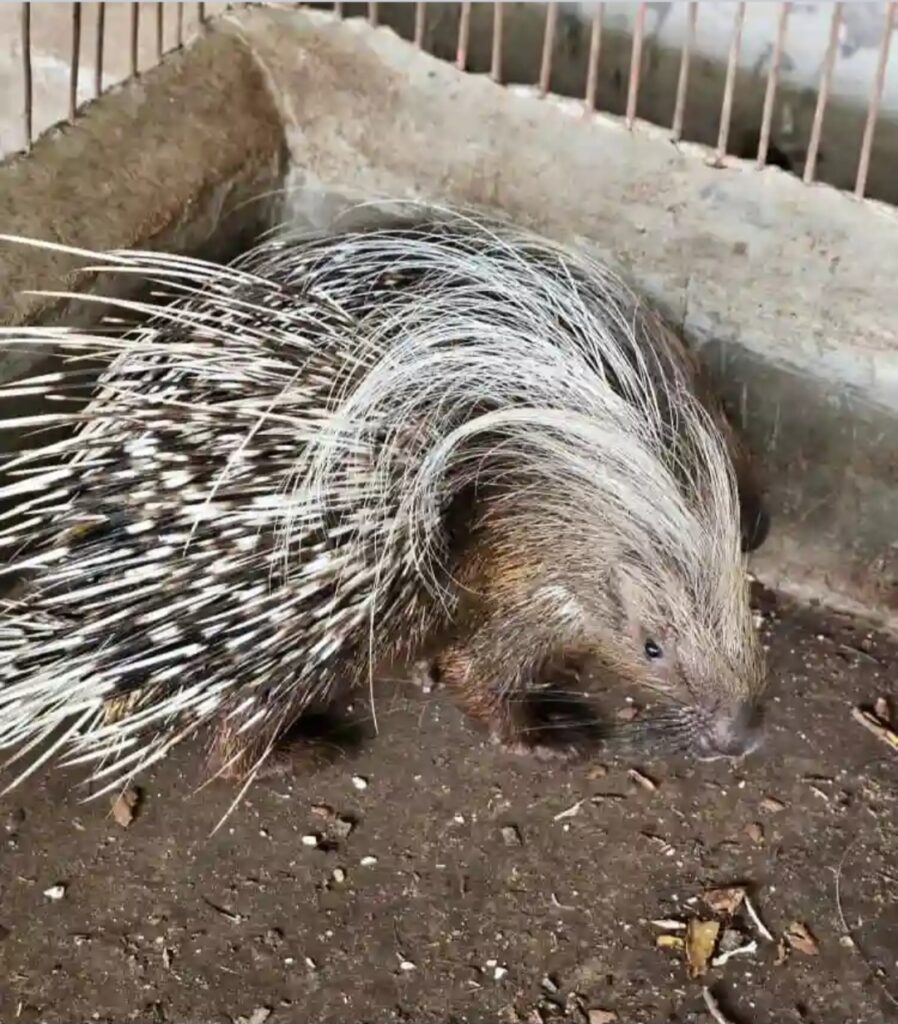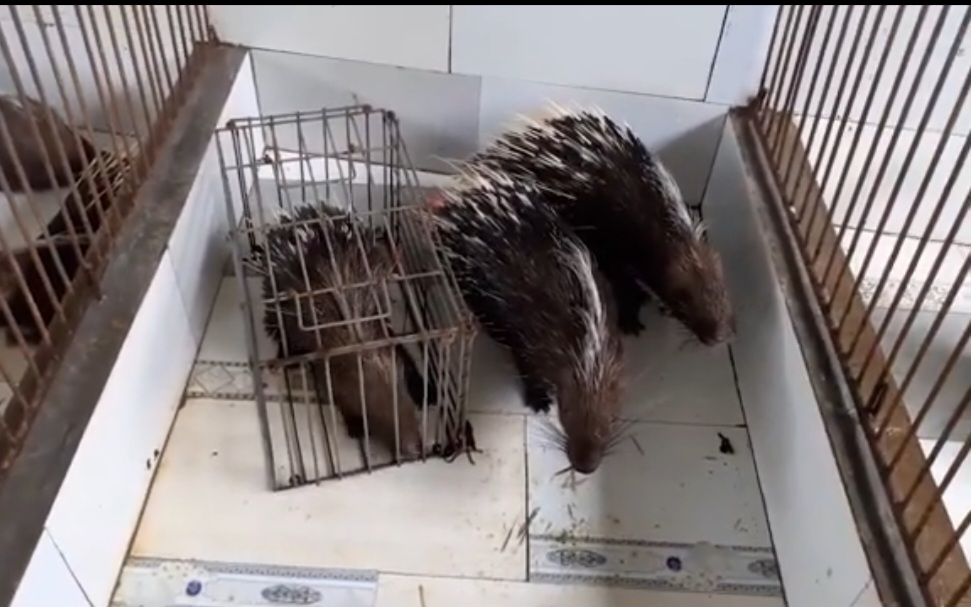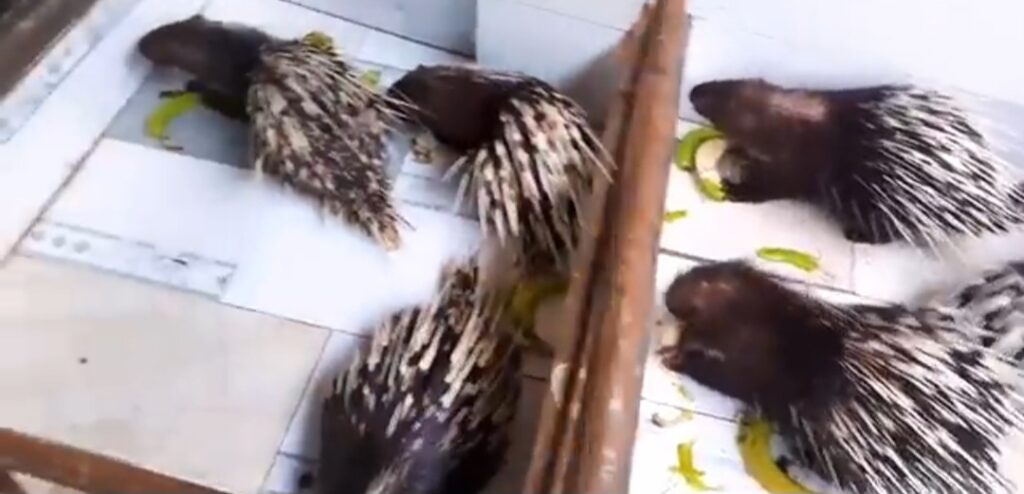
The word porcupine comes from the Latin porcus meaning ‘pig’ and spina meaning ‘spine. These spines are called ‘ quills ‘. When these two words merge together, they form the word from the Old Italian porcospino, meaning ‘thorn-pig’. The regional American name for the animal is quill-pig.
Porcupines are large rodents with coats of sharp spines, or quills, that protect them against predators. These quills are in abundance and protruded, found all over their body and the head. Some species have quills that extend from the tail as well.
The term porcupine covers two families of animals: the Old World porcupines in the family Hystricidae, and the New World porcupines in the family Erethizontidae. Both families display superficial similar coats of rigid or semi-rigid quills, which are modified hairs composed of keratin, and belong to the infraorder Hystricognathi within the diverse order Rodentia. The two groups are distinct and are not closely related to each other within the infraorder.
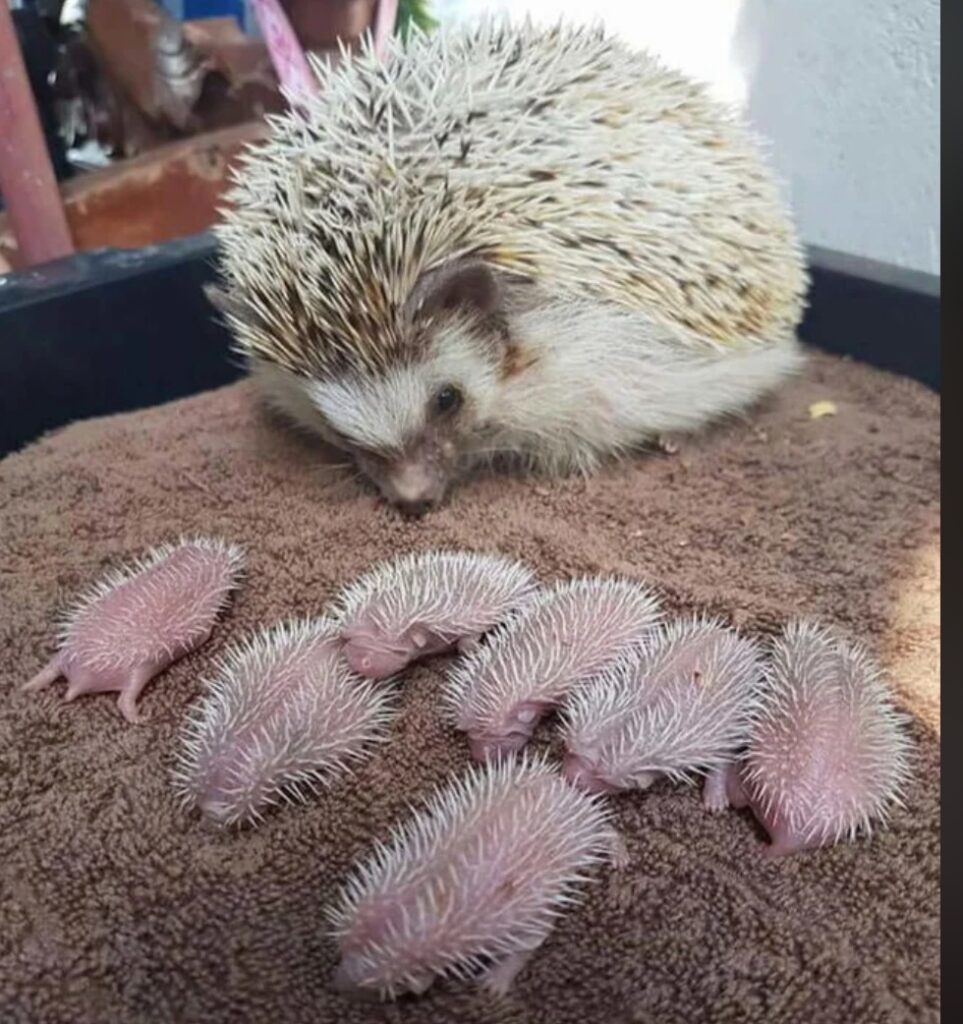
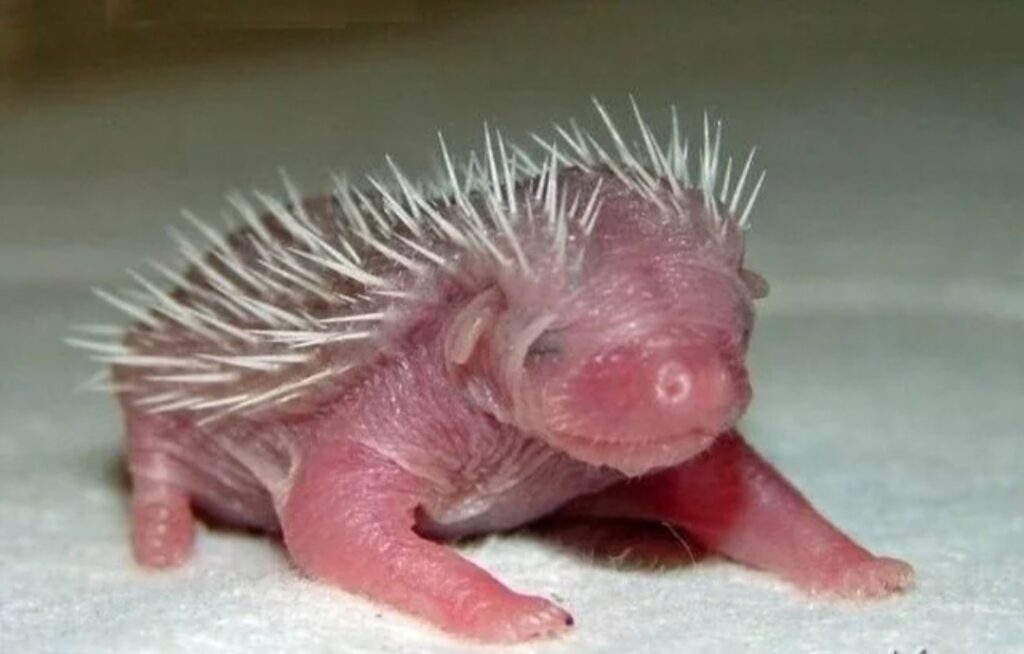
Porcupines do give birth to babies. A baby porcupine is known as a porcupette. When born, a porcupette’s quills are soft hair, they harden within few days after birth, forming the sharp quills of adults.
The largest species of porcupine is the third-largest living rodent in the world, after the capybara and beaver.
Table 1: SCIENTIFIC CLASSIFICATION (TAXONOMY) OF A PORCUPINE
| RANK | CLASSIFICATION |
| Domain | Eukaryota |
| Kingdom | Animalia |
| Phylum | Chordata |
| Class | Mammalia |
| Order | Rodentia |
| Suborder | Hystricomorpha |
| Infraorder | Hystricognathi |
| Family | Hystricidae .(Old World porcupines) Erethizontidae (New World porcupines) |
Major Porcupine Families
Porcupines are divided into two main families:
Old World Porcupines
Family: Hystricidae
Found in: Africa, Europe, and Asia
Example species: Crested Porcupine (Hystrix cristata)
New World Porcupines
Family: Erethizontidae
Found in: North and South America
Example species: North American Porcupine (Erethizon dorsatum)
Classification (Crested Porcupine)
| RANK | NAME |
| Domain | Eukaryota |
| Kingdom | Animalia |
| Phylum | Chordata |
| Class | Mammalia |
| Order | Rodentia |
| Family | Hystricidae |
| Genus | Hystrix |
| Species | Hystrix cristata |
THE PORCUPINE FAMILIES
A porcupine is any of 29 species of rodents belonging to the families Erethizontidae (genera: Coendou, Erethizon, and Chaetomys) or Hystricidae (genera: Atherurus, Hystrix, and Trichys).
These two families are quite different, and although both belong to the Hystricognathi branch of the vast order Rodentia, but are not closely related. Early studies on the physical characteristics of New World porcupines initially described them as being the most basal (earliest to diverge) group among the hystricognaths, and fossil records point to a common ancestor of Erethizontidae and all other hystricognaths occurring 37.2 to 33.9 million years ago in the early Oligocene.
DESCRIPTION OF THE PORCUPINE
Porcupine or “quill pig” are large rodents and have no relation to pigs. They are the largest and heaviest of all African rodents.
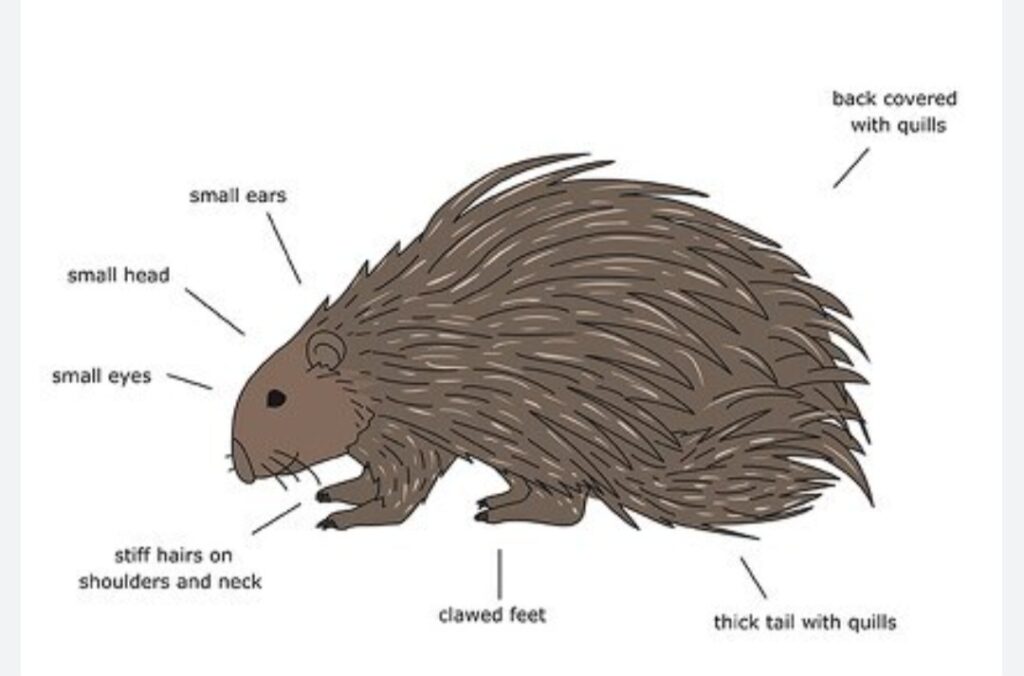
a. THE HEAD : The head is roundish and rather domed, with a blunt muzzle and small eyes and ears.
b. THE LEGS AND FEET: The legs are short and sturdy, and each foot has five toes, all equipped with powerful claws. Their feet have unique soles that are pebbly textured with fleshy knots and long curved claws. Both help the porcupine to grip trees to climb. Their front paws have four claws and a vestigial thumb, and their back paws have five claws.
Porcupine tracks are approximately three inches in length, toe curved in with claw indentations appearing ahead of the pad of the foot.
Porcupines have a distinctive gate, appearing to totter from side to side. Their short legs and chubby bodies keep them low to the ground as they slowly meander.
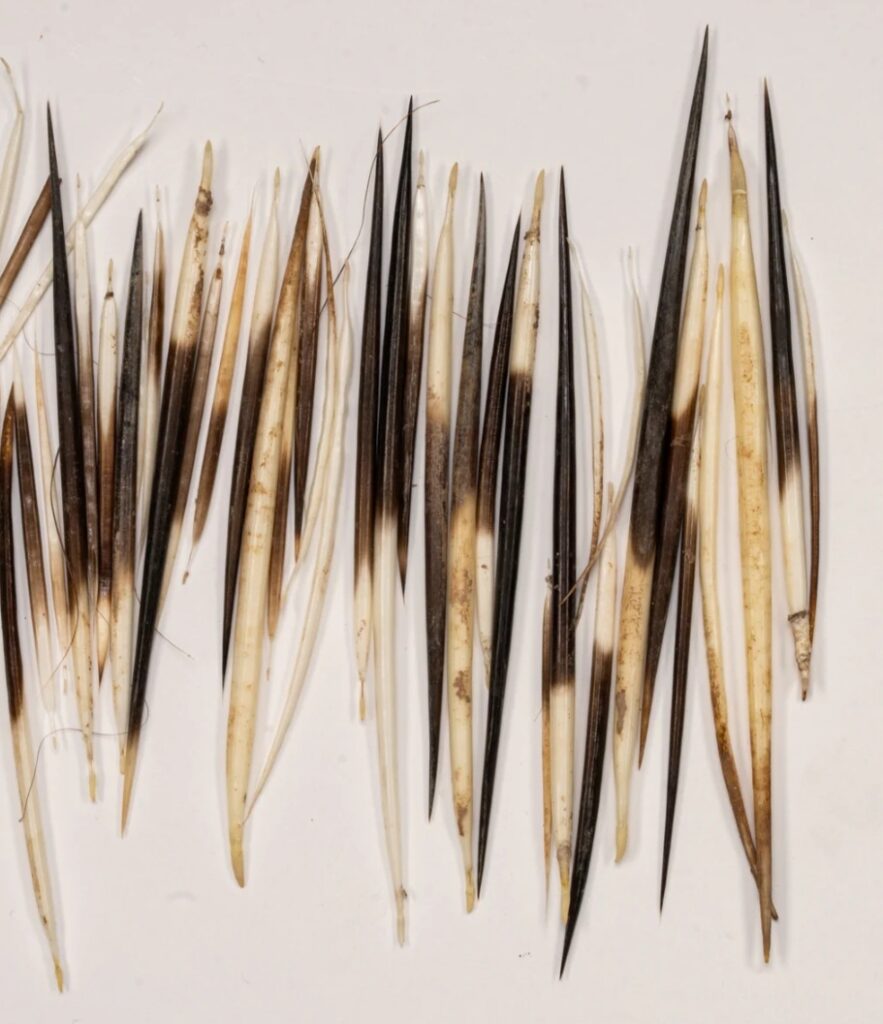
c. THE QUILLS: Their most recognizable feature is, of course, its quills. Quill length varies on different parts of the body, ranging from 2.5 to 30.5 centimeters (1 to 12 inches). Usually, the quills lie flat against the body, but if danger threatens, they raise and spread them. Thus, use them against any predator.
The quill tips has scales that enable it lodge in the skin like fishhooks and are difficult to pull out. New quills grow in to replace lost ones. Furthermore discussions will be done about the quills.
d. OTHER HAIR
Porcupines do not have quills on their faces, feet or bellies and are instead covered in more traditional and softer fur as well as coarser hairs known as guard hairs. When the porcupine is not tensing their quills, the guard hairs are the more visible covering along their backs. Under their tail, porcupines also have stiff bristles that point backwards. When climbing, these bristles help to prevent slippage.
e. SIZE
Porcupines may weigh from 10 to 30 kilograms (22 to 66 pounds) and about 60 to 93 centimeters in length (23 to 37 inches). The male porcupines growing larger than females. They have a life span of 15 years in the wild and up to 20 years in captivity. Their gestation period is between 90 to 110 days.
f. TEETH
Porcupines have 20 teeth ( four incisors and 16 molars). The incisors are used for cutting and their molars for grinding down plant material. Like most rodents, a porcupine’s front two incisors continue to grow throughout their life allowing for and necessitating extreme use to keep their teeth from overgrowing. Their incisors, like beavers, have a reddish-brown colour from iron oxide in the enamel. The iron in their teeth makes them stronger for gnawing on wood.
f. SOCIAL/ MATING ACTIVITIES
Porcupines mate around October/November. After a seven-month gestation (a long period for a mammal of this size), porcupines will give birth to one (rarely two) young around May/June. Porcupines are born with quills, but they are soft and will harden after a few days.
The porcupettes are fairly mobile at birth and will double their size in the first two weeks. The young will spend 4 to 5 months with mom (a long time for a rodent) while she teaches them about den sites and food before striking out on their own in the fall. Porcupines will not grow to be sexually mature until around the two-year mark. Porcupines often live to be seven or eight in the wild.
CHARACTERISTICS OF THE PORCUPINES
1 Porcuines are very family animals. They are very protective of their space and also recognize their family members.
2. Male porcupines live with only the offspring they born. It is important to keep baby porcupines with their male fathers as they become secured and safe and will prevent them from reacting aggressively.
3. When the female becomes prgnant for another male which is not the male it normally mates with, the offspring she gives birth to will be beaten to death by the new male.
The female produces two litters per year with about two to three babies per litter. Thus, farmers can expect an annual yield of about 200 porcuipines if about 50 porcupines pairs are raised in the farm. This makes the farming a lucrative business especially for meat.
4. Cost of feeding porcupines is lesser to about a quarter of that required to feed other livestock .They eat about 2kg of food per day.
5. Technicallities on breeding: Porcupines get preganant for a period of 90 – 95days. During this time, both the male and female should be separated so that the pregant mother and her baby can devwlop well and the mother give birth easily.
6. Three months after given birth, the the porcupette will be weaned from her mother, and the mother will pair with the male Porcupine. One male can pair with about 3 or 4 females to achieve better reproductive efficiency.
7. Inbreeding should avoided because the genwrations of the inbred porcupines will be suaceptible to diseases, death at birth, have many defects, grow slowly and have poor reproductive ability.
To avoid inbreeding, it is necessary to mark the animals and take information of each brweding processes.
THE TWO TYPES OF PORCUPINE
A. THE OLD WORLD PORCUPINES
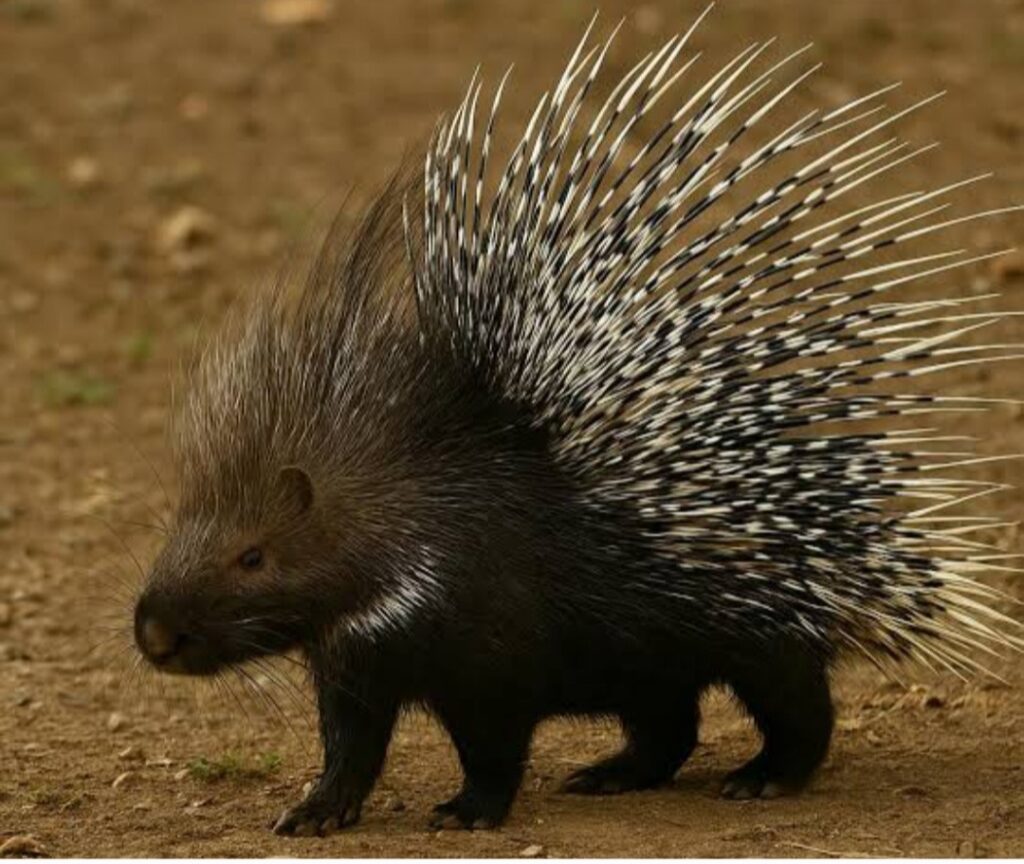
The Old World porcupines (Hystricidae) live in Italy, West and South Asia, and most of Africa. They are large, terrestrial, and strictly nocturnal.
This order rodentia is divided into the Parvorder: Phiomorpha and Family: Hystricidae ” of the Old World porcupines”. In this family are the following species of porcupine found all over the world:
-African brush-tailed porcupine (Atherurus africanus)
-African crested porcupine ( Hystrix cristata)
-Asiatic brush-tailed porcupine (Atherurus macrourus)
-Cape porcupine (Hystrix africaeaustralis)
-Indian crested porcupine (Hystrix indicus)
-Malayan porcupine (Hystrix brachyura)
-Sunda porcupine (Hystrix javanica)
-Sumatran porcupine ( Hystrix (Thecurus) sumatrae)
-Thick-spined porcupine [Hystrix (Thecurus) crassispinis]
-Philippine porcupine [ Hystrix (Thecurus) pumilis]
-Long-tailed porcupine, (Trichys fasciculata)
THE NEW WORLD PORCUPINES
New World porcupines (Erethizontidae) are indigenous to North America and northern South America also called Canadian porcupine. They live in wooded areas and can climb trees, where some species spend their entire lives. They are generally smaller than their Old World counterparts and are less strictly nocturnal.
In this rodentia order with Parvorder Caviomorpha and Family Erethizontidae ” The New World porcupines” are the following types of porcupines found in different regions of the world:
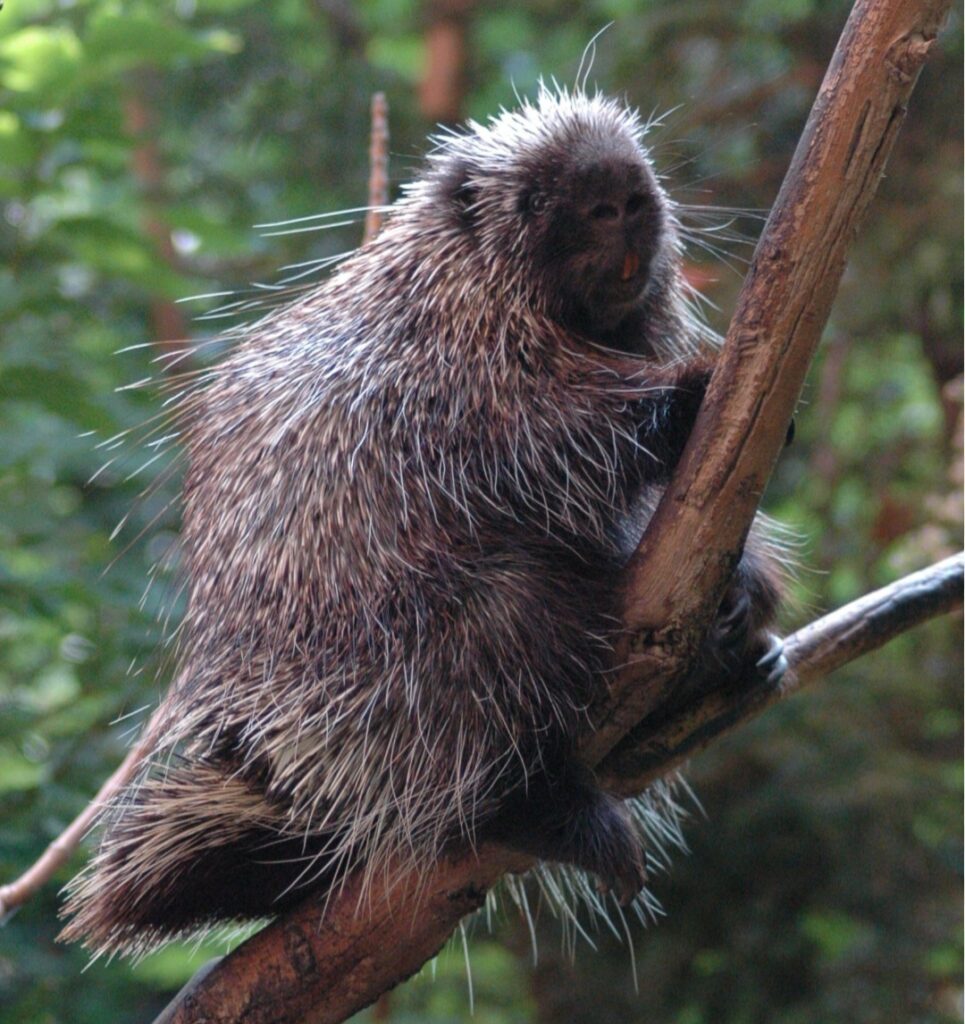
-North American porcupine (Erethizon dorsatum)
-Brazilian porcupine ( Coendou prehensilis)
-Bicolored-spined porcupine (Coendou bicolor)
-Andean porcupine ( Coendou quichua)
-Black dwarf (Koopman’s) porcupine ( Coendou nycthemera)
-Rothschild’s porcupine (Coendou rothschildi)
-Santa Marta porcupine ( Coendou sanctemartae)
-Mexican hairy dwarf porcupine (Coendou mexicanus)
-Paraguaian hairy dwarf porcupine (Coendou spinosus)
-Bahia porcupine (Coendou insidiosus)
-Brown hairy dwarf porcupine ( Coendou vestitus)
-Streaked dwarf porcupine (Coendou ichillus)
-Black-tailed hairy dwarf porcupine (Coendou melanurus)
-Roosmalen’s dwarf porcupine (Coendou roosmalenorum)
-Frosted hairy dwarf porcupine (Coendou pruinosus)
-Stump-tailed porcupine (Coendou rufescens)
-Bristle-spined porcupine ( Chaetomys subspinosus )(sometimes considered an echimyid)
Porcupines have a tail of about 20–25 cm (8–10 in) long. They are rounded, large, and slow when moving. Their colouration consists of various shades of brown, grey and white.
Porcupines have various methods to defend themselves from predators, the most prominent being the use of their quills, which advertises their unsuitability for being preyed upon. This strategy is known as aposematism. To some degree, the spiny protection resembles that of the hedgehogs, echidnas, and tenrecs, none of which share any spiny ancestors. All of them and also the old-world and new world porcupines, are products of convergent evolution. The spines of the various groups also vary markedly.
Humans have a varied history with porcupines, with some cultures considering a symbols of self-defense or cautiousness. Porcupines appear in mythology in regions where the animal has economic significance, such as for food or in the production of quillwork textiles.
DIFFERENCES BETWEEN THE OLD WORLD PORCUPINES AND NEW WORLD PORCUPINES
The are 11 Old World porcupines which tend to be fairly large and have spines grouped in clusters.
The two subfamilies of New World porcupines are mostly smaller (although the North American porcupine reaches about 85 centimetres or 33 inches in length and 18 kilograms or 40 pounds), have their quills attached singly rather than grouped in clusters, and are excellent climbers, spending much of their time in trees. The New World porcupines evolved their spines independently (through convergent evolution) and are more closely related to several other families of rodents than they are to the Old World porcupines.
Apart from the above, the quills of the New World porcupines are unique among spined rodents. The spines are stiff with a circular cross section that is small in proportion to their length, which allows them to penetrate further into a potential predator before breaking off near the base. In contrast, the spines of the Old World porcupines are similar to those of other rodents with spiny hair, such as the bristly mouse and short-tailed spiny rat, in that they have a concave cross-section and are shorter and softer, making them break off closer to the tip.
g. DIET
All porcupines are herbivores. Some porcupines like the North American porcupine often climbs trees for food. It eats leaves, herbs, twigs, and green plants such as grasses and clovers. In the winter, it may eat bark.
The African porcupine on the other hand is not a climber, instead, it forages on the ground. It is mostly nocturnal but will sometimes forage for food during the day, eating bark, roots, fruits, berries, acorns, beechnuts and farm crops etc.
They also eat tubers and cultivated root crops such as cassava, potatoes, and carrots. Sometimes, they take carrion back to the burrow to nibble on.
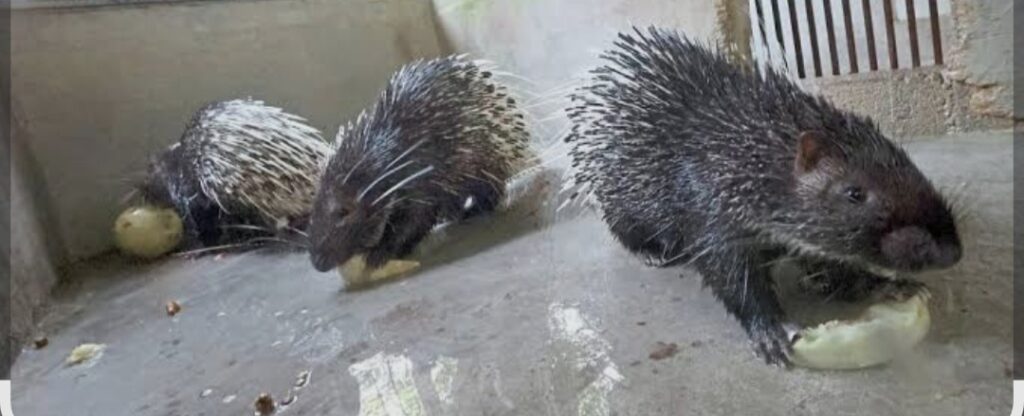
DEFENSE (THE PORCUPINE RETALIATION TOWARDS ENEMY ATTACK)
Defensive behaviour displays in a porcupine depend on sight, scent, and sound. Often, these displays are shown when a porcupine becomes agitated or annoyed. There are four main displays seen in a porcupine: (in order from least to most aggressive)
i. quill erection,
ii. teeth clattering,
iii. odour emission, and
iv. attack.
i. QUILL ERECTION: A porcupine’s colouring, aids in part of its defence mechanisms as most of the predators are nocturnal and colour-blind. A porcupine’s markings are black and white. The dark body and coarse hair of the porcupine are dark brown/black and when quills are raised, present a white strip down its back mimicking the look of a skunk. This, along with the raising of the sharp quills, deters predators.
ii. TEETH CLATTERING: The raising of the quills can be accompanied with clattering of the teeth to warn predators not to approach. The incisors vibrate against each other, the strike zone shifts back, and the cheek teeth clatter. This behaviour is often paired with body shivering, which is used to further display the dangerous quills. The rattling of quills is aided by the hollow quills at the back end of the porcupine.
iii. ODOUR EMISSION: The odour defence mechanism is used when the sight and sound have failed. An unpleasant scent is produced from the skin above the tail in times of stress and is often seen with the quill erection.
iv. ATTACK: If these above mechanisms fail, the porcupine will attack by running sideways or backwards into predators. A porcupine’s tail can also be swung in the direction of the predator, if contact is made, the quills could be impaled into the predator causing injury or death.
The porcupine give warning to their potential enemies using their defense system and then attack. They stamp their feet, click their teeth, and growl or hiss while vibrating specialized quills that produce a characteristic rattle. If an enemy persists, then they run backward until they ram their attacker with their quills. The reverse charge is most effective because the hindquarters are the most heavily armed, and the quills are directed to the rear.
BENEFITS OF PORCUPINE FARMING
1. There are some possible antibiotic properties within the quills, specifically associated with the free fatty acids coating the quills. The antibiotic properties are believed to aid a porcupine that has suffered from self-injury.
2. Porcupines are slow-moving animals. All porcupines are social to some degree, though only Old World porcupines are known to form clans or family units.
3. Porcupine quills are used for guard hair headdress, made by native peoples from Sonora displayed at the Museo de Arte Popular in Mexico City.
4. Porcupines are seldom eaten in Western culture but are eaten often in Southeast Asia, particularly Vietnam, where the prominent use of them as a food source has contributed to declines in porcupine populations. Also, in Africa, they are good source of bush meat.
5. In China, the Chinese porcupine (Hystix brachyura hodgsoni), a subspecies of the Malayan porcupine, was one of several wild animals that was widely farmed for its meat, but a broad ban on the consumption of many wild animals in 2020 led to stoppage of this practice across the country.
6. They are good tourist attraction animals especially in zoos where children find them fascinating and attractive.
7. The quills and guard hairs are used for traditional decorative clothing. For example, their guard hairs are used in the creation of the Native American “porky roach” headdress.
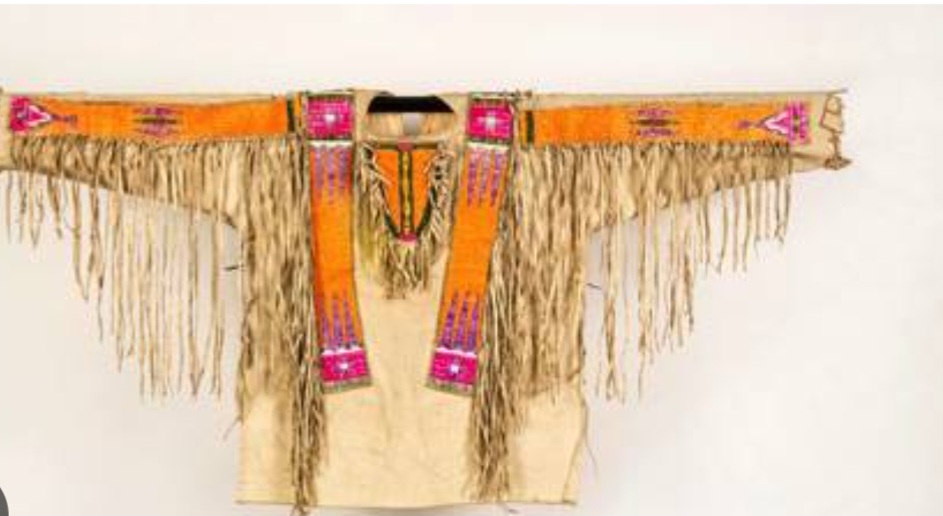
8. The main quills may be dyed and then applied in combination with thread to embellish leather accessories, such as knife sheaths and leather bags.
9. Lakota women would harvest the quills for quillwork by throwing a blanket over a porcupine and retrieving the quills left stuck in the blanket.
10. At the end point of the quill is a barb-like structure which act like anchor, causing increased pain when removing a quill that has pierced the skin. The barbs shape makes the quills effective for penetrating the skin and for remaining in place. Due to this, researchers have designed the hypodermic needles and surgical staples to take the shape of the barb. This design of the needle and staples has cause less damage to the skin when used and removed.
11. Porcupines are sometimes kept as exotic pets. They are also raised in captivity for research purposes and to aid in conservation efforts.
12. The porcupine is seen as a pest in some areas due to their salt-seeking behavior. Porcupines will seek out any source of sodium to replenish their reserves after consuming significant amounts of plant matter, and will resort to gnawing on anything that has residues of sodium on or in it, including those from human perspiration. They may chew on tool handles or salt licks, and bite marks are often found in plywood and rubber tires or hoses due to the sodium salts in adhesives used in their manufacture.
13. Porcupine quills have long been a favorite ornament and good-luck charm in Africa. The hollow rattle quills serve as musical instruments and were once used as containers for gold dust. In addition to being targeted for their quills, they are illegally hunted for their meat.
14. Porcupines are good ecosystem engineers, They shape the plant communities through selective food choices and ground disturbances.
15. They are natural “tree pruners,” dropping branches that can provide habitat for other animals.
16. Birds may use their abandoned dens for nesting.
17. Porcupines are good tree trimmers or tree pruners.
18. The North American Porcupine (Erethizon dorsatum) as the second largest rodent in Acadia after the beaver is used in Wabanaki art for generations.
19. They are prey for other animals such as bobcats, great horned owls and wolves. Due to their quills, the predator flips the porcupine on its back since its belly has no quills and eat them. Meaning source of food for other wild animals.
20. The porcupine meat has a delicious and healthy taste. Animal meat that is found in many mountain stiffs is indeed processed as satay in the Karanganyar area. But, this time it’s not any satay satay. However, satay is full of benefits.
21. Behind the delicious taste, porcupine satay is believed to be able to treat asthma, impotence, premature ejaculation and various other diseases.
22. Accelerate wound healing: Not only soft and delicious, porcupine meat also contains genes that can accelerate wound healing. The high protein in it will also help speed up cell regeneration.
23. Source of meat intake for people with cholesterol:
Every human being definitely needs meat to meet his nutritional needs. But, sometimes someone cannot eat meat because they suffer from high cholesterol. In conditions like this, porcupine meat is the best solution to meet the nutritional needs of cholesterol sufferers. This is because this spiny animal meat does not have cholesterol or non-koleseterol.
24. Treating Asthma:
Liver porcupine is believed to be able to treat asthma and other respiratory diseases. If it is burnt out of oil, the porcupine liver is believed to be able to cure respiratory disease regularly. This is because the porcupine liver contains kitotefin, a compound that prevents smooth muscles in the airways from contracting so that the airways become wider.
Kitotefin compounds will work better if taken with omega 3 and omega 9. In fact, omega 3 and omega 9 are also contained in porcupine meat so the benefits of porcupine meat to treat asthma are no doubt.
25. Strengthen the immune system: Besides being able to treat asthma, kitotefin compounds can also stimulate anti-body formation. Therefore, consuming bermoncong animal meat can also strengthen the immune system.
26. Increase male vitality:
For those people who have vitality problems, porcupine meat in the tail may be an effective alternative treatment. Meat near the hedgehog’s tail is believed to be able to overcome impotence and premature ejaculation.
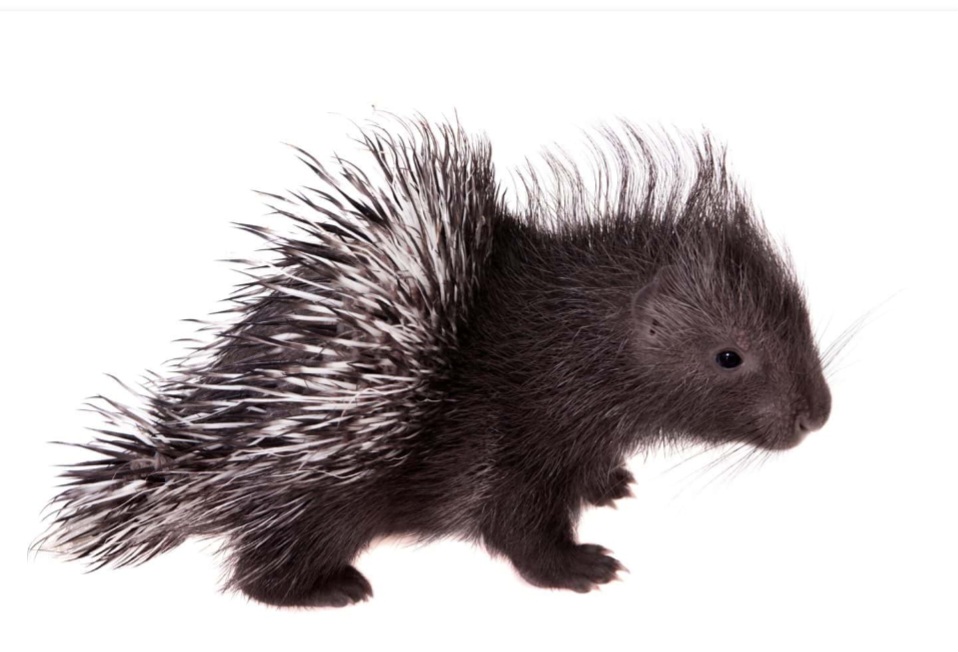
27. Porcupine tommy is a valuable medicinal material used to soak materials such as wines. This is used to treat tommy pains, stimulation of appetite and digestion.
28. The quills are used for jewelry making
29. The bile is used to treat eye pain, also used as a massage medicine for trumar
30. The meat , the liver and the large intestine are used to treat heat wine diseases
31. Porcupines are source of employment to people. Traders do buy them from hunters and resell to farmers to rear.
32. The meat is protein rich and has a profile similar to that of beef, making it ideal for small dishes like stew.
THE QUILLS
Porcupine may have over 30,000 quills on their body. These quills grow in varying lengths and colours, depending on the animal’s age and species.
These quills comes in varying forms depending on the species, but all are modified hairs coated with thick plates of keratin and are embedded in the skin musculature.
Old World porcupines have quills embedded in clusters, whereas in New World porcupines, the quills appear singly, interspersed with bristles, underfur, and hair. This quills can be used as defence mechanism substances against predators. They release it when an enemy approaches or may drop out when the porcupine shakes its body. As this is done, new quills grow to replace the lost ones. Despite all the myths, assumption and notions in media, porcupines cannot launch their quills at range unless they are annoyed to anger.
THE SUPERPOWERS OF PORCUPINE QUILLS
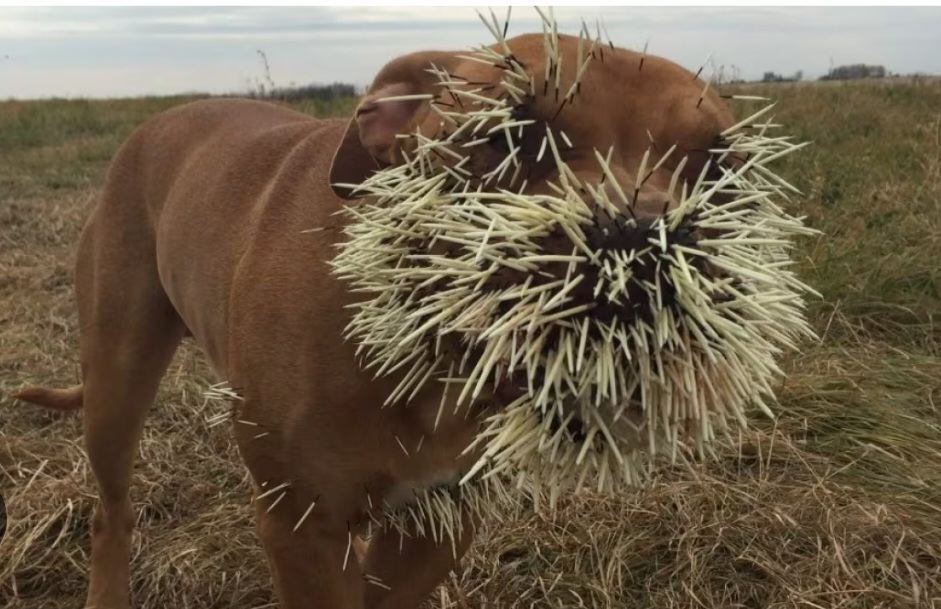
American porcupines are good tree climbers because they love to feed on the newly developing leaf buds. As they climb to feed on these newly developing leaf buds, they climb to the tender stems of the tree and fall off the tree and land on all their quills. Thus hurting themselves. This is where their superpowers come into play. Each quill is coated with antibiotics that heals the impaled skin. Not only do they heal themselves from these self-inflicted wounds, dog also if impaled will also heal quickly.
HABITAT AND RANGE
Porcupines occupy a small range of habitats in tropical and temperate parts of Asia, Southern Europe, Africa, and North and South America. They live in forests and deserts, rocky outcrops, and hillsides. Some New World porcupines live in trees, but Old World porcupines prefer a rocky environment. Porcupines can be found on rocky areas up to 3,700 m (12,100 ft) high. They are generally nocturnal but are occasionally active during daylight.
They set up their homes in burrows. They burrow this holes beside the plant roots and rocks, or inhabit holes made by other animals, or dig their own hideaways. These burrows are most commonly occupied in family units.
They give birth to between one and four young in the grass-lined burrow. They are well-developed when born with open eyes. The young leave home for the first time at about two weeks of age, as their quills which are soft at birth begin to harden up. They are quite playful and, outside the burrow, they run and chase one another. The young are suckled from six to eight weeks of age and then begin to eat vegetable matter.
PORCUPINE FARMING
Porcupine farming is quit easy compared to pig, poultry and other livestock farming. This farming has not yet being widely established or commonly practiced. These animals are solitary animals that are difficult to manage and breed in captivity. They are naturally nocturnal and have a slow growth rate, with slow maturation and a lifespan of up to 10 years. They are also strictly herbivorous, with their diet consisting of bark, twigs, and other plant matter. Apart from them feeding on plants, they also feed on insects, beetles ,snails, and earthworms which provide essential proteins for their growth. This wide range of food makes them easy to farm and reduce cost of feeding. Farmers also feed them with readily available agricultural by products, vegetable scrapes and corn husks to suppliment their diet.*
Therefore, to raise a porcupine, an environment that will mimicking all the above mention character in the wild must be adopted on the farm.
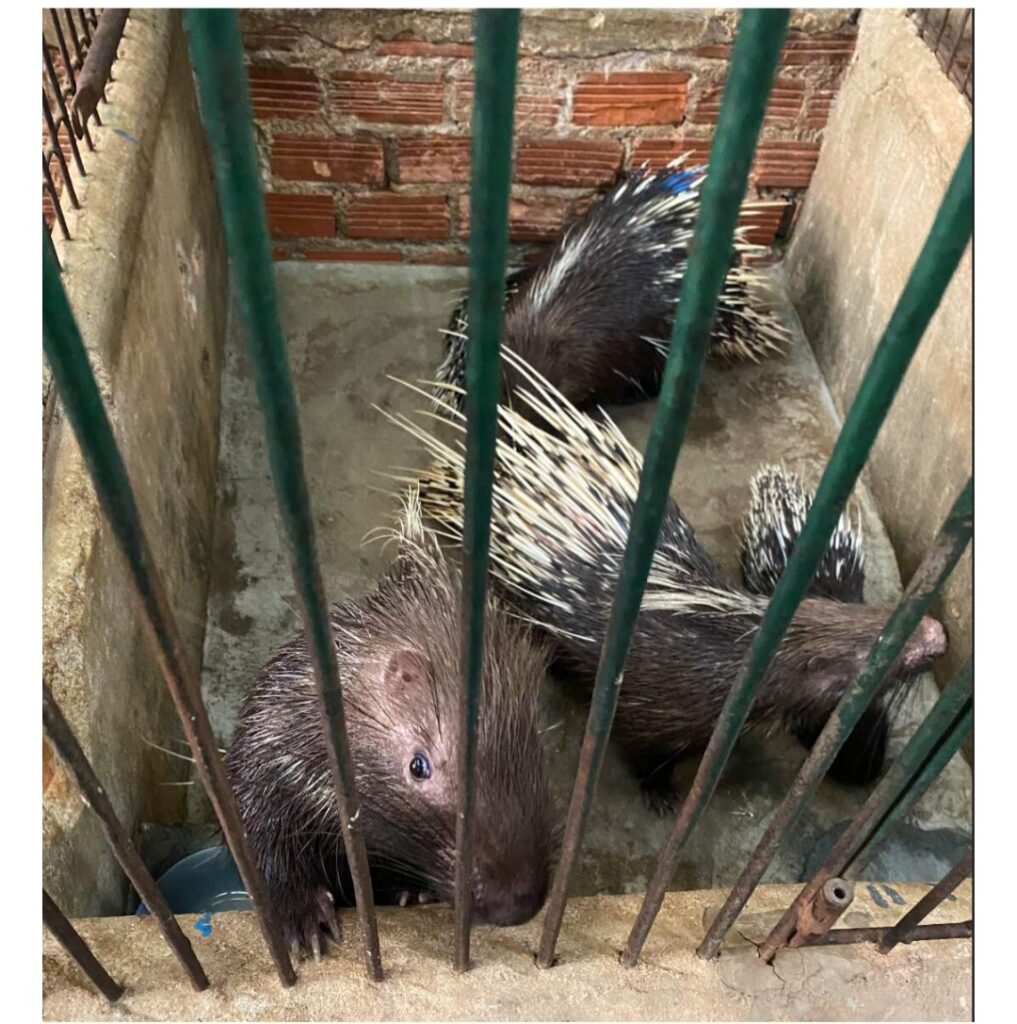
CONSIDERATIONS FOR FARMING PORCUPINES
i. SOCIAL BEHAVIOR : Porcupines are solitary and may fight, so housing them together can be challenging.
ii. BREEDING: They only breed once a year, with females giving birth to a single offspring after a 7-month gestation period.
iii. DIET: They are strict herbivores that eat tree bark, twigs, and other plant matter, which could require a significant and specific food source. Refer to the diet above.
iv. NOCTURNAL ACTIVITY: Being nocturnal, they are most active at night, which might make them difficult to monitor and manage during the day.
v. SLOW GROWTH: They are slow to mature, reaching adulthood in their second year, and have a long lifespan.
CLIMATIC CONDITION: Porcupines cannot survive much under cold weather. During winter, especially in the wild, porcupines dig deep holes and stay in it for months. Farmers also need to simulate this by creating holes in their pen and add dry grasses in it to keep them worm.
HOUSING UNIT: Porcupines require a space of about 1m2/porcupine. The enclosure should be designed in a way to balance with light and dark environment.
THE FLOOR: The floor of thw pen should be made of thick concrete and slightly slopy to drain off water and to prevent the animal from digging holes.
THE WALLS: The wall can be made of thich concrete, thick wire mesh or short thin poles. These materials will prevent the porcupines from gaining acess into other porcupine pens to prevent fighting.
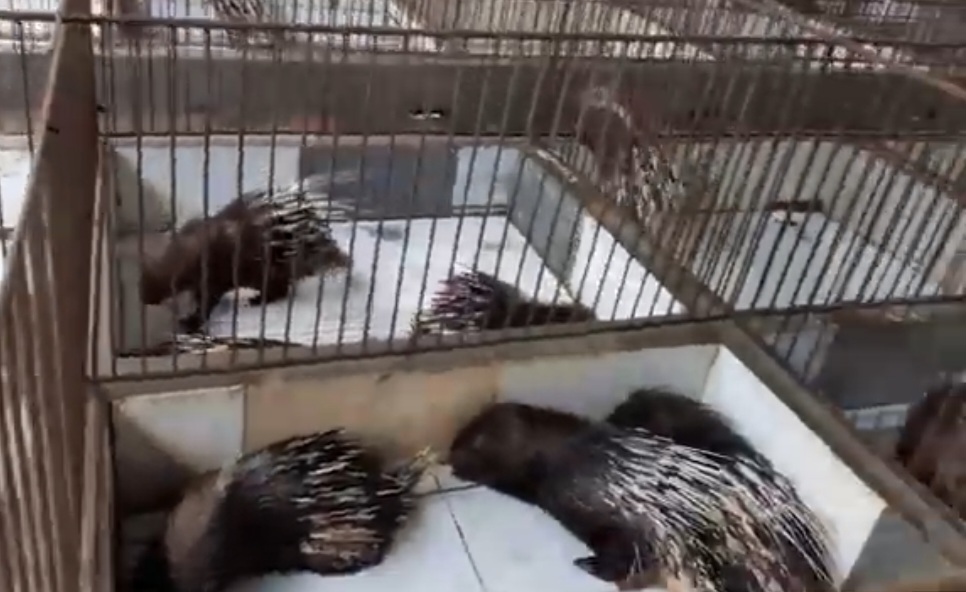
REPRODUCTION: Porcupines have a unique aurge for mating. Both male and female are usually kept in separate pen to prevent mating. Thus, to achieve control mating. When the female show signs of heat, the male is introduced into the females pen for mating. Porcupines do reach sexual maturity a year after birth and ready to mate. At this time, they would have reached approximately 10kg by weight.
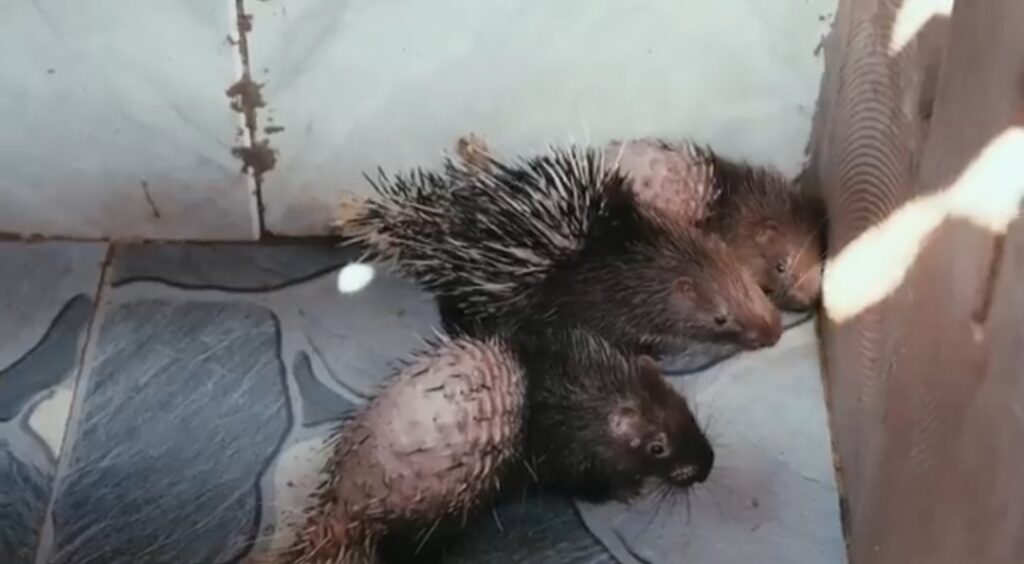
TEETH GRINDING: Farmers can put bones, woods, mineral blocks and stones in the pen of the porcupines so that they can grind their teeth on them.
HANDLING: Handling porcupine require care because of their sharp quills which can cause sevwre injury. Protective clothings like gloves, shoes and eye wears etc are needed when rearing and processing after killing the animal are required.
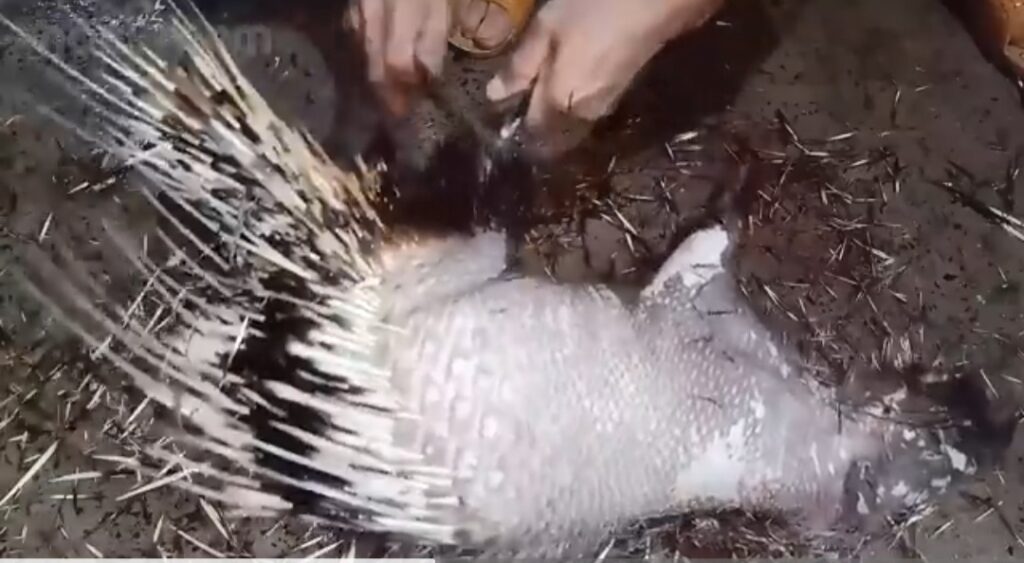
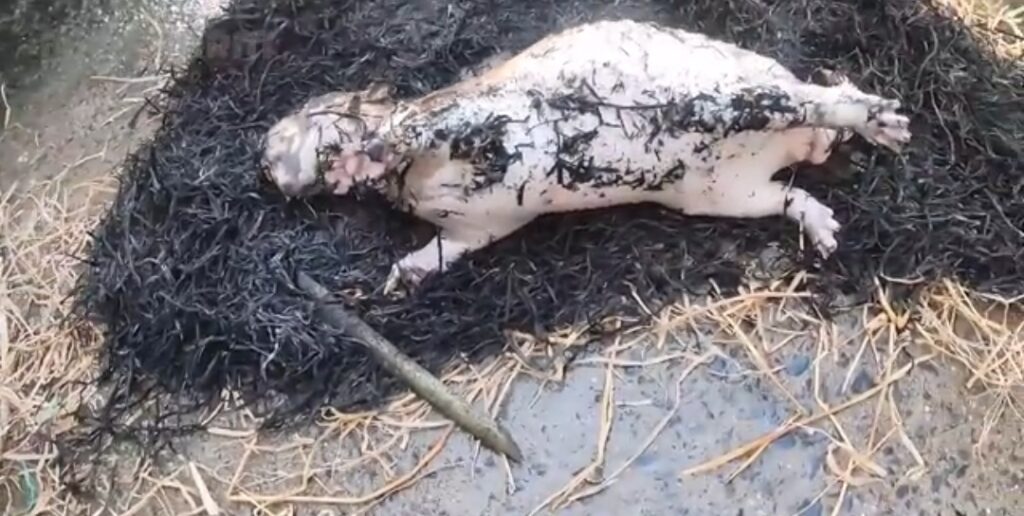
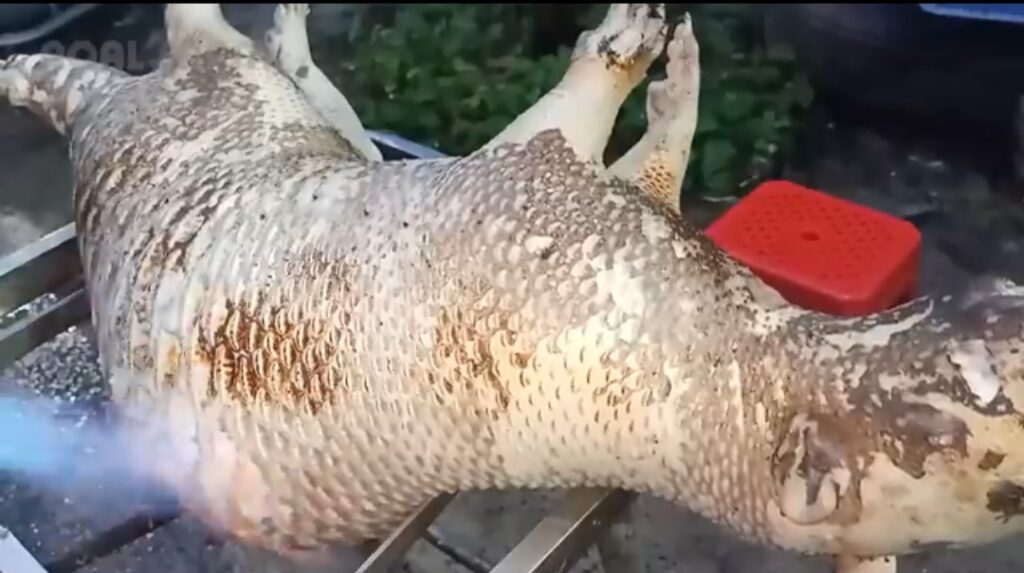
PROCESSING AFTER SLAUGHTERING: Once slaughtered, sevwral methods can be used to remove the quills efficiently. These include: Singing over the open flame to weaken the quills, use of a blow touch to loosen them, soaking in hot watet to soften the skin for ease of removal or using specialized tools like pliera or manual removal with hand.
PORCUPINE MYTHS
There are many false myths about these incredible animals. Such include;
Myth 1: They throw their quills at people or animals when threatened. This is not so. People and predators have to come in contact with the porcupine quills to have them stick up in them.
Myth 2: Porcupine quills will fall out on their own if attached. This is not true. Such quills impaled have to be pulled out which is not an easy or painless task. If a person or his/her animal gets impaled, seek help quickly so the quills do not become further embedded.
Apart from these myths, there are certain facts that all porcupine farmers need to know for profitable porcupine farming. When a porcupine has babies, they are called porcupettes. American porcupines usually only have one baby born each year and their quills harden about an hour after birth.
As porcupines are herbivores and are good climbers, they often can be found in trees. How much time they spent in trees is highly dependent on food sources and predators. In places where ground cover is scarce, offering little food and shelter, porcupines will spend more time foraging and sheltering amongst the canopies. They also have an intense craving for salt.
They also like to eat outhouses. This outhouses collect a lot of urine which is loaded with salt.
When threatened, the porcupine will give off a strong odour to warn off predators. If that does not work, they will squeeze the muscles near the skin, making their quills stand out. If the predator gets too close, they will get a face full of porcupine quills.
They are also god swimmers. They achieve this through their quills which are hollow, making them to float on waters.
PREDATORS
Porcupines are slow movers, however, predators certainly have a speed advantage in the retreat strategy. Some of their predators include; Pythons, leopards, large owls, coyote, fox or bobcat, fishers etc.
Climbing trees helps to protect porcupines from these predators. Also, their defensive mechanisms also help out.
CHALLENGES IN WILD AND REARING OF PORCUPINES
i. Human-wildlife conflict threatens porcupines’ existence.
When porcupine populations increases around cultivated areas, they can become serious agricultural pests.
ii. They can be smoked out of their burrows and hunted with spears, nets, or dogs. These practices have eliminated them from densely settled areas.
iii. They are targeted for their quills. These quills have long been a favorite ornament and good-luck charm in Africa and served other purposes as mentioned in the benefits. Thus, causing their illegal hunting and reduction in number in the wild.
SOLUTIONS TO THESE CHALLENGES
Solutions to protecting the porcupine include;
i. Provide education on sustainable growth.
African Wildlife Foundation educates communities about the importance of sustainable practices for agricultural and settlement growth by providing training on best practices and incentivizing conservation agriculture when appropriate.
ii. Set aside land for wildlife.
AWF engages local communities to set aside land for wildlife to live undisturbed. In the Laikipia region of Kenya, which has no formal protected areas, institutions partner with the Koija community and with other private operator to construct the Koija Starbeds Lodge. Koija Starbeds sets aside land for wildlife while, at the same time, creating jobs and income for the local community.
iii. Wild life rangers have intensified efforts in protecting the wild animals from poachers.
iv. Today, farming and rearing porcupines has help relief the load on hunting the animals from the wild and protect them from going extinct.
TERMINOLOGY IN PORCUPINE FARMING
i. PORCUPINE: A large rodent with a coat of sharp spines, or quills, on its back and tail.
ii. QUILL: A modified hair that is sharp, needle-like spine used for defense. They often have microscopic barbs at the tip which cause them to stick and work deeper into a predator’s skin.
iii. PORCUPETTE: The specific name for a baby porcupine..
iv. QUILLPIG: Another common name for the porcupine, derived from its quills and foraging habits.
v. HYSTRICOMORPH: The suborder of rodents that includes Old World porcupines and several other species, often a focus of farming in Africa and Asia.
vi. MINILIVESTOCK : A term used in tropical regions for the production of small-sized, economically useful wild animals raised in small-scale farming units. Porcupines are a prime example in some regions
vii. BREEDING PAIR: The male and female porcupines selected and housed together for reproductive purposes. To avoid inbreeding, farmers need to carefully manage breeding pairs.
viii. INBREEDING: The mating of closely related individuals, which in porcupine farming can lead to health problems, defects, and poor reproductive ability in the offspring.
ix. GESTATION PERIOD: The duration of pregnancy, which is typically 90–95 days in porcupines.
x. ENRICHMENT: Porcupines need items like wooden logs, bones, or mineral blocks in their enclosures to grind their constantly growing teeth and prevent them from chewing on the enclosure structures.
xi. AGRICULTURAL BYPRODUCTS: Waste materials from farming (e.g., banana peels, corn husks, roots) that are often used as an easy and low-cost food source for farmed porcupines.
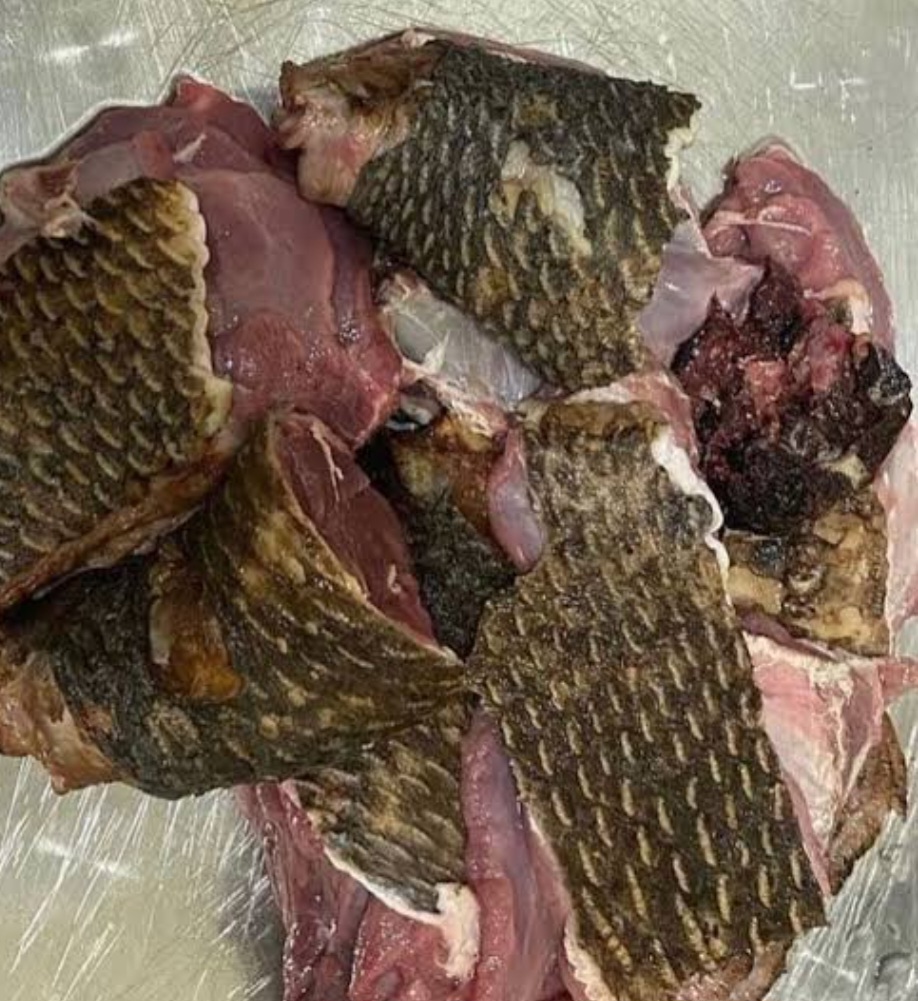
xii. CARCASS/MEAT: The primary product of porcupine farming in many regions, valued for its flavor and nutritional profile (high in protein and fat).
xiii. BEZOARS: Calcified masses found in the digestive systems of porcupines, which are highly valued in traditional Chinese medicine and contribute to poaching of wild populations.
xiv. NOCTURNAL: Porcupines are naturally active at night, which influences farming practices related to enclosure design and management.
xv. CONSERVATION IMPACT: A term used in literature regarding the effect of commercial farming on wild populations, often discussing whether farming reduces or increases pressure on wild porcupines.
xvi. RODENTICIDE: A type of chemical used to control porcupines when they are considered agricultural pests.
xvii. PRICKLE: The collective noun for a group of porcupines