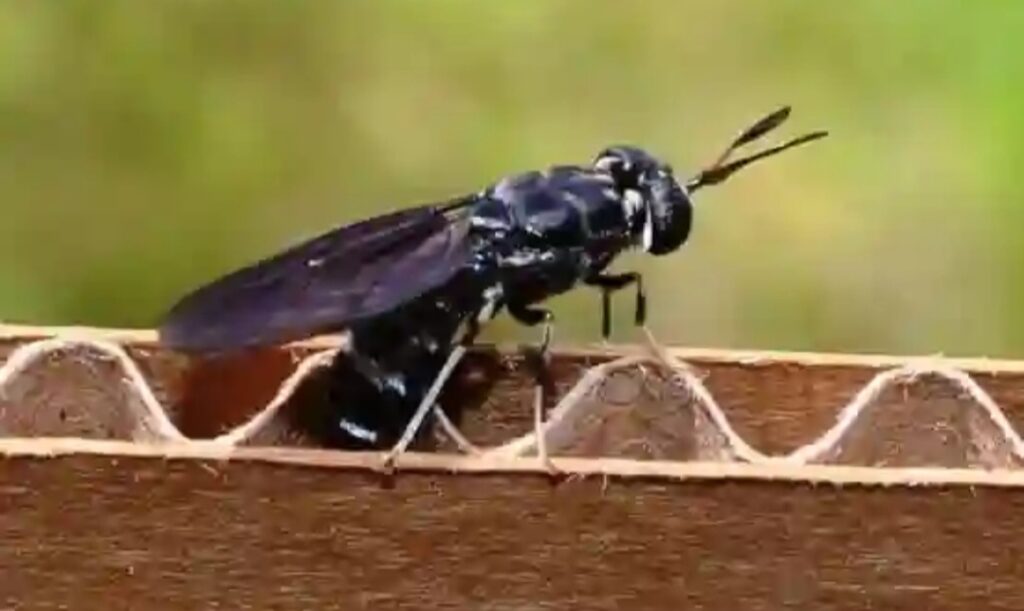
Black Soldier Fly ( Hermetia illucens) farming is an innovative agricultural practice in which BSF are bred and their larvae also raised, which are rich in protein and fat.
Black Soldier Fly (BSF) farming sometimes called black soldier ant farming is not just about insects, it’s about turning waste into wealth, cutting costs for farmers, creating new jobs, and building a sustainable future for food and agriculture. Several opportunities lies in rearing Black Soldier Fly. These opportunities in Black Soldier Fly (BSF) farming is huge and growing globally because it solves two major problems at once: waste management and affordable protein production.
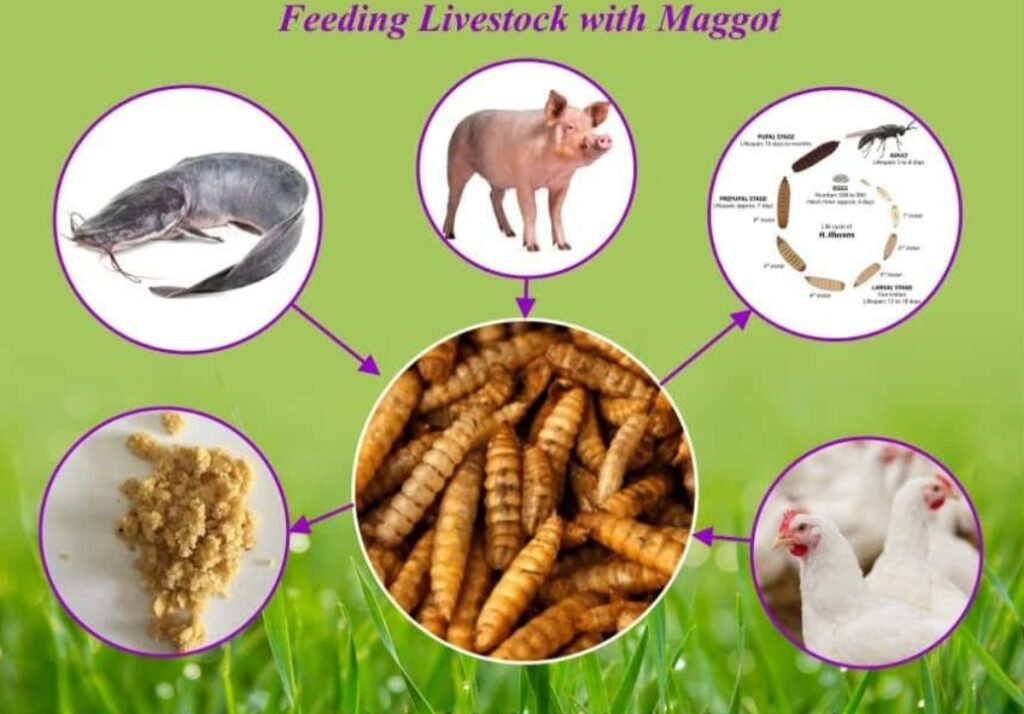
In the farming practices, farmers raise the Fly to lay eggs, which hatches to larvae. The larvae are harvested and used as animal feed for poultry, fish, pigs, and even pets. They serve as a sustainable and cheaper alternative to fishmeal and soybeans.
1. ALTERNATIVE PROTEIN SOURCE: Protein is an essential nutrient source in livestock and fish feed. It is required for proper growth and development, egg development, repair of worm out cells and tissues etc. Most of the sources of protein in livestock and fish feed include; Soybeans, blood meal, fishmeal, etc.
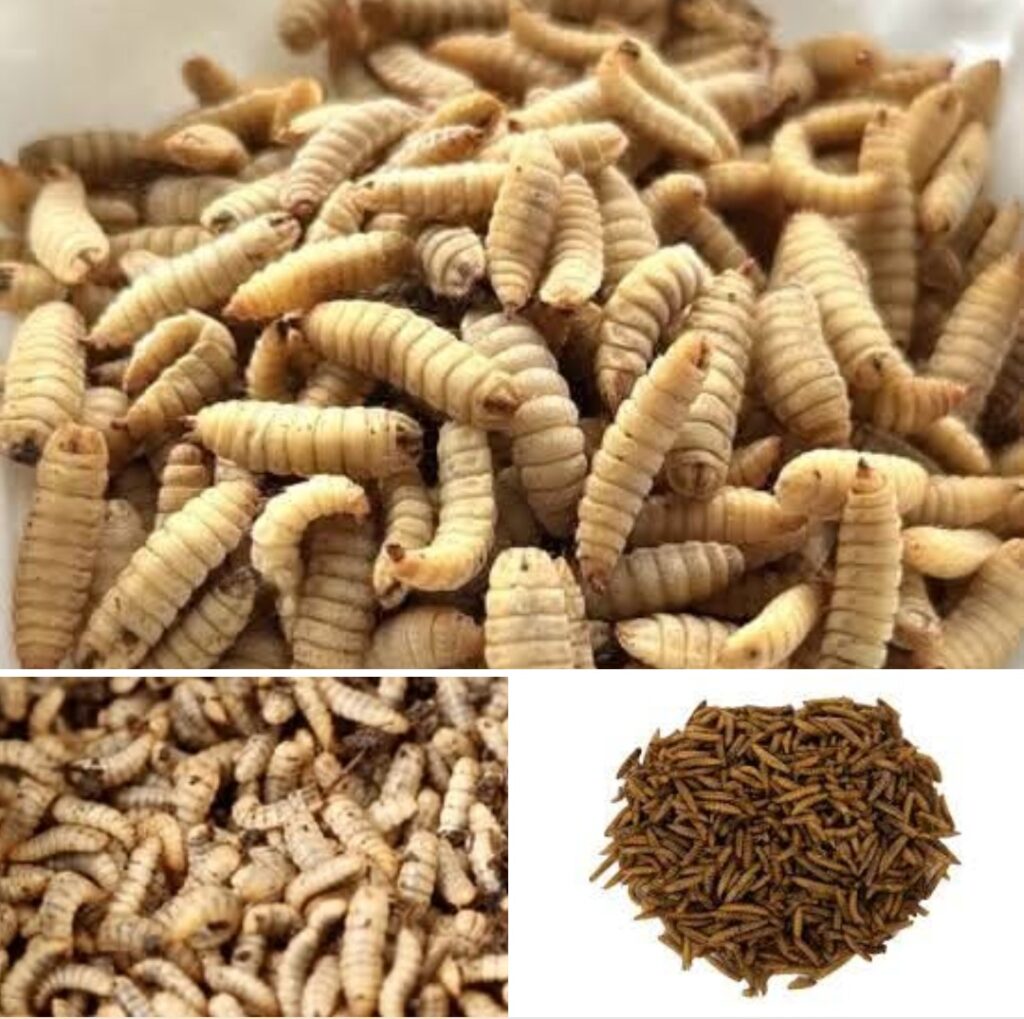
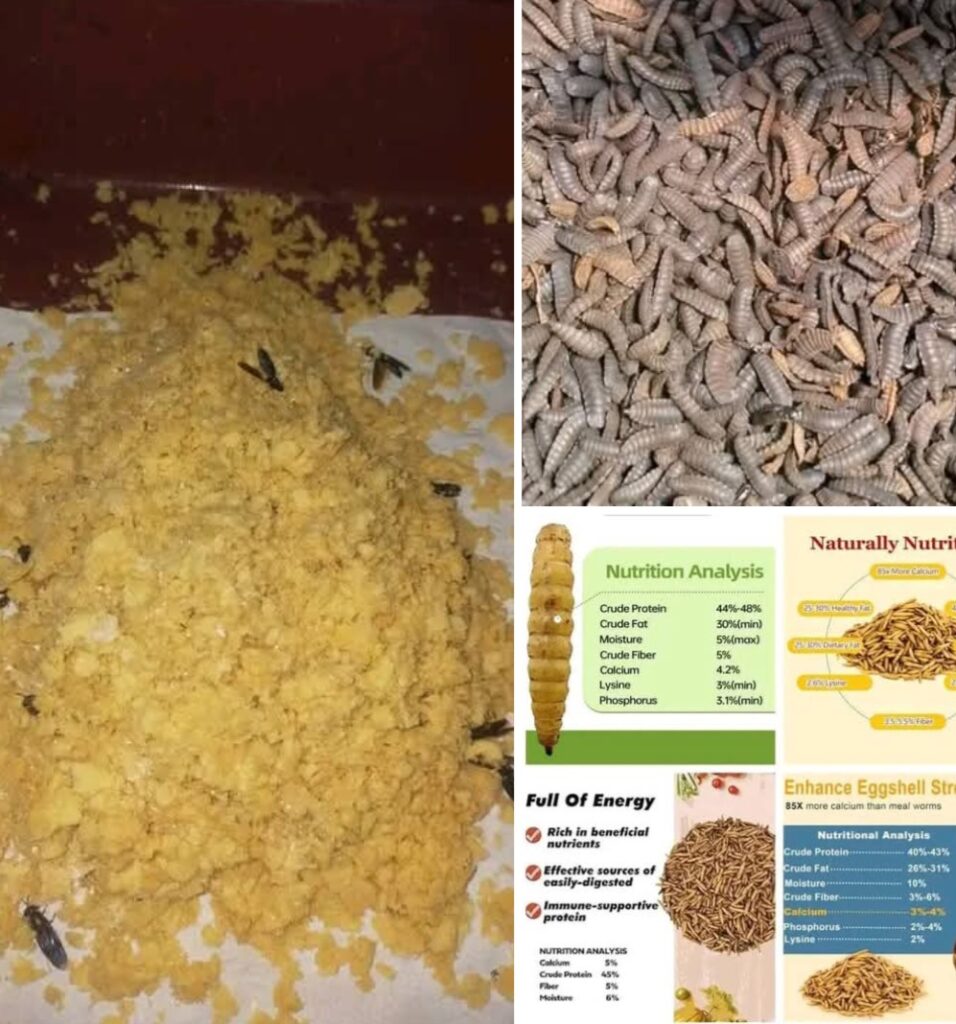
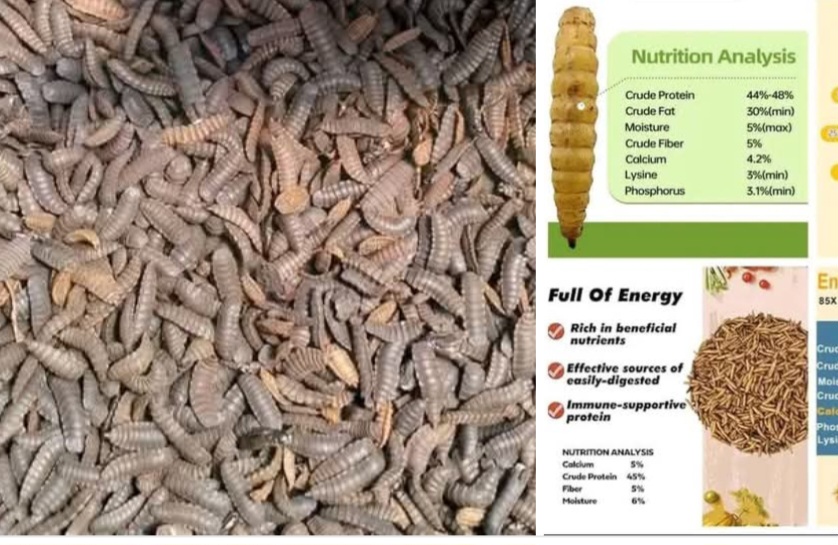
BSF, an alternative source of protein, produce eggs which hatch to larvae. This larvae are rich in protein (40–60%) and fat (30–35%), making them a sustainable replacement for other sources of proteins in fish meal and livestock ( For example; poultry, pig, fish, and pet feed) meal.
Rising global demand for sustainable animal feed creates an ever-growing market for BSF products.
2. WASTE-TO-VALUE SOLUTION
Black Soldier Fly farming has the ability to reduce organic waste. It thrives on organic waste like food scraps, market waste, farm byproducts, manure, etc. The larvae especially, are voracious and are highly efficient at converting organic matter into nutrient-rich biomass, making them ideal organism for waste management solutions. Instead of waste being a problem in the environment, it becomes a free raw material to produce valuable feed and fertilizer.
Industrial food waste, and agricultural by-products, which are organic wastes are not only diverted from landfills but also converted to generate valuable resources that can be used as animal feed, fertilizer, or renewable energy sources. Thus, forming a clise loop system. This closed-loop system helps to minimize waste generation and promotes a more circular approach to waste management.
3. MULTIPLE INCOME STREAMS
From one BSF farm, farmers can generate:
BSF larvae/dried meal → animal feed industry
BSF oil → livestock feed, biodiesel, and cosmetic potential
Frass (BSF manure) → organic fertilizer for crops
Chitin & chitosan (from exoskeletons) → biomedical, industrial, and agricultural uses
4. COST SAVINGS FOR FARMERS
Livestock and fish farmers can cut feed costs by 30–60% by substituting part of their feed with BSF larvae, an alternative to protein source. This cut off the price for protein sources needed to compound the feed, Thus, making farming more profitable and sustainable, especially for small-scale farmers.
5. ENVIRONMENTAL AND SOCIAL IMPACT
Reduces greenhouse gas emissions from waste.
Creates green jobs in insect farming, feed processing, and fertilizer production.
Contributes to food security by providing affordable feed ingredients.
6. GLOBAL MARKET GROWTH
The BSF industry is projected to reach billions of dollars globally in the coming years.
Countries in Africa, Asia, and Europe are investing heavily in scaling BSF production.
IMPORTANCE OF BSF
The importance of the Black Soldier Fly (BSF) lies in its role as a sustainable solution for waste management and a source of valuable resources like protein and fertilizer.
1. FAST GROWTH: In less than 2 weeks, they grow from tiny eggs to fat larvae ready for harvest.
2. WASTE MANAGEMENT: BSF larvae are voracious consumers of organic waste. They feed on food production, kitchen waste, farm residues, manure, markets wastes, and restaurants etc, reducing their volume and the risk of landfill. They convert the wastes into protein. They effectively break down this waste, reducing the amount on landfills.
3. COST-EFFECTIVE FEED: Reduces dependency on expensive fish, poultry and other livestock meal.
4. ENVIRONMENT-FRIENDLY: BSF farming helps reduce methane emissions that would otherwise be released from decomposing organic matter in landfills. They also lowers other greenhouse gases that may be emitted compared to traditional feed sources.
5. POULTRY: Increases egg production and faster growth.
6. USES IN ANIMAL FEEDS. For example: apart from improving poultry production mentioned above,
i. FISH (AQUACULTURE): Replaces fishmeal with excellent growth results.
ii. PIGS: Boosts weight gain and digestion.
iii. PETS (dogs, birds, reptiles): Nutritious protein soumanur
7. BY-PRODUCTS LIKE FRASS (Larvae manure): The larvae produce a by-product called “frass,”. This frass are leftover waste after the larvae feed on the wastes. This is an effective organic fertilizer , rich in nutrients. The fertilizer can be used in agriculture to improve soil structure, water retention, and nutrient content.
8. BSF OIL: Extracted from larvae are used in feed formulation.
9. BSF larvae assist in processing and reduce landfill waste to useful products.
10. The larvae assist in decreasing the release of greenhouse gases, and supports the principles of a circular economy.
11. SUSTAINABLE PROTEIN SOURCE: BSF larvae are a rich source of protein and fat, making them a valuable and sustainable alternative to traditional feed ingredients like fish meal and soy for animal feed.
12. ECONOMIC BENEFITS: BSF farming can create new economic opportunities by providing a low-cost, high-quality protein source for farmers and offering a way to turn waste into wealth.
13. RESOURCE EFFICIENCY: The process requires fewer inputs compared to traditional livestock farming and uses waste materials that would otherwise be discarded
14. As a sustainable alternative to traditional feed sources, Black Soldier Fly larvae offer a nutritious, healthy and sustainable option for farmers and animal feed producers looking for eco-friendly options to optimize their animal nutrition programs.
15. AQUACULTURE:
In aquaculture, BSF have an exceptional nutritional profile. Its larvae is rich in protein, essential amino acids, and healthy fats, making it an ideal feed source for fish. Studies on Trout and shrimp have shown that diets supplemented with Black Soldier Fly larvae can enhance fish growth rates, improve feed conversion ratios, and boost overall fish health.
16. PET FOOD:
BSF has being used as a sustainable and nutritious ingredient in pet food formulations. According to recent data, over 43 brands of pet food already include insect protein source. This innovative approach to pet nutrition has addresses both environmental and health benefits to all animal companions. These health benefits include improved digestion, enhanced immune function, healthier skin and coat, and overall vitality.
17. Additionally, Black Soldier Fly-based pet foods are often free from common allergens and fillers, making them suitable for pets with sensitivities or dietary restrictions.
18. POULTRY AND SWINE
BSF protein is also a valuable source of ingredients in poultry and piglet feed. It offers an impressive nutritional composition needed for sustainable production of the feeds. Industrial research has reported that the larvae are rich in essential amino acids, protein, and healthy fats, making them an ideal dietary supplement for poultry and piglets.
19. Black Soldier Fly frass, the nutrient-rich excrement produced by BSF larvae, is rich in nitrogen, phosphorus, potassium, and essential micronutrients.
20. The frass enhances soil health and promotes robust plant growth and soil biodiversity while reducing the environmental impact associated with synthetic fertilizers.
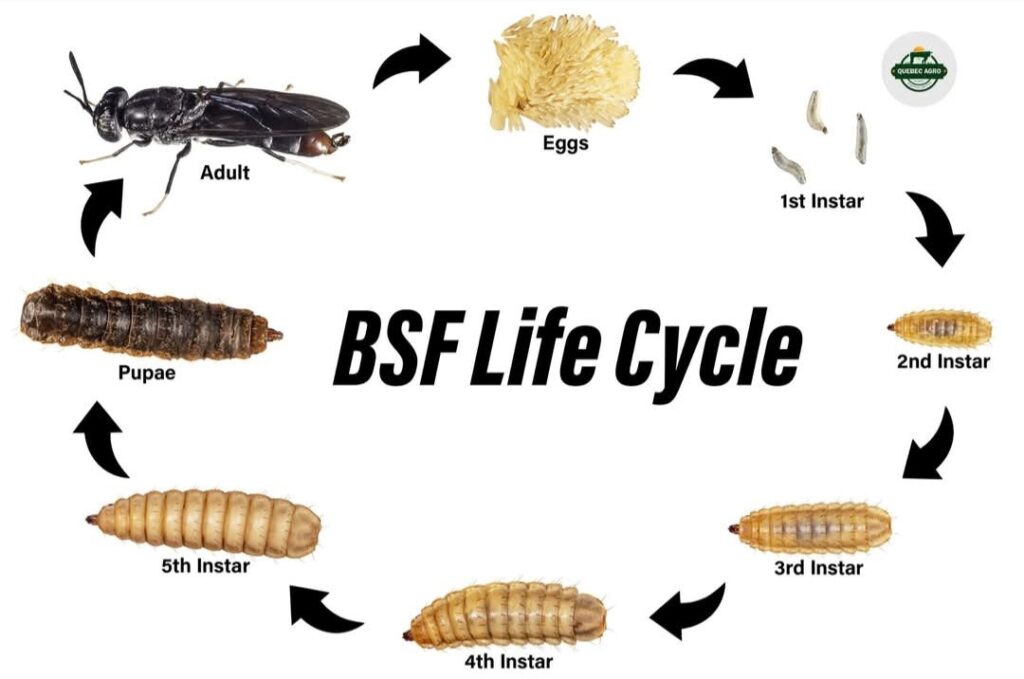
THE BSF LIFE CYCLE
1. EGGS : Laid by adult flies in crevices near waste (takes 4–5 days to hatch).
2. LARVAE : This is the main stage used for animal feed (lasts 14–18 days). Farmers main focus is this larvae stage, as it is the most nutritious part of the cycle needed for its oil and protein content. The black bsf maggots is called prepupal stage,
3. PUPA : The larvae transform into pupae (7–10 days).
4. ADULT FLY :Lives for about 5–8 days, mates, and lays eggs (does not eat, only drinks water). They are bred to produce eggs, which are then collected and placed in appropriate containers for incubation.
The male mate with the female and the female lay the eggs
COMMON REARING METHODOLOGIES
1. BSF rearing methodologies involves different stages, which include; nursery stage and rearing phases, often utilizing tray-to-tray or batch nursery systems.
A. NURSERY STAGE
In the nursery stage, BSF eggs are incubated and hatch into larvae, which are then transferred to rearing trays or containers.
B. REARING PHASE.
The rearing phases can be divided into two subphases.
a. TRAY-TO-TRAY NURSERY SYSTEMS : This involves a continuous transfer of larvae from smaller to larger trays as they grow, allowing for efficient space utilization and management of larval densities.
b. BATCH NURSERY SYSTEMS:
The batch nursery systems involve rearing larvae in larger containers or tanks without transferring between trays. This simplifys the rearing process but requiring careful monitoring of larval development and overcrowding.
Each of these methodologies have their own unique advantages and challenges. Also, the methodology to use by a farmer depends on factors such as space availability, labour efficiency, and optimal larval growth conditions.
BSF BREEDING AND REARING
Black Soldier Fly farming involves two main distinctive parts:
a. The breeding (reproduction) and
b. Rearing/processing.
a. BREEDING: Breeding of BSF focuses on producing a steady supply of healthy larvae using specialized knowledge. This phase requires a deep understanding of biology to optimize the conditions for mating and egg production. Breeders set up a laboratory, maintain colonies, and adjust environmental factors to encourage the production of healthy larvae. Incubated eggs then hatch into larvae, which are fed food waste “formulas” to stimulate growth.
b. THE REARING AND PROCESSING: This part of the farming aims to convert the larvae into valuable products. It is similar to a traditional food chain, mature larvae are harvested and processed into products such as protein, fertilizer, and oil. Rearing focuses on managing the larvae’s environment and feed, ensuring constant growth. Processing involves converting the larvae into a saleable form, mirroring traditional food production principles.
The Breeding relies on techniques and best practices to increase breeding productivity. The correct methods can help improve insect production, keep insect colonies healthy, and produce top-quality insect-based products.
Under the breeding techniques, the following are embarked upon:
COLONY MANAGEMENT: Proper management ensures healthy and productive insect colonies. These management practices includes;
I. Providing housing with conditions that mimick the insects’ natural habitat. Such conditions include; suitable temperature, humidity, and ventilation.
ii. Regular monitoring of the colonies to detect signs of stress, diseases, or overcrowding. These safeguard the insects’ well-being.
These two practices assist in managing the colonies.
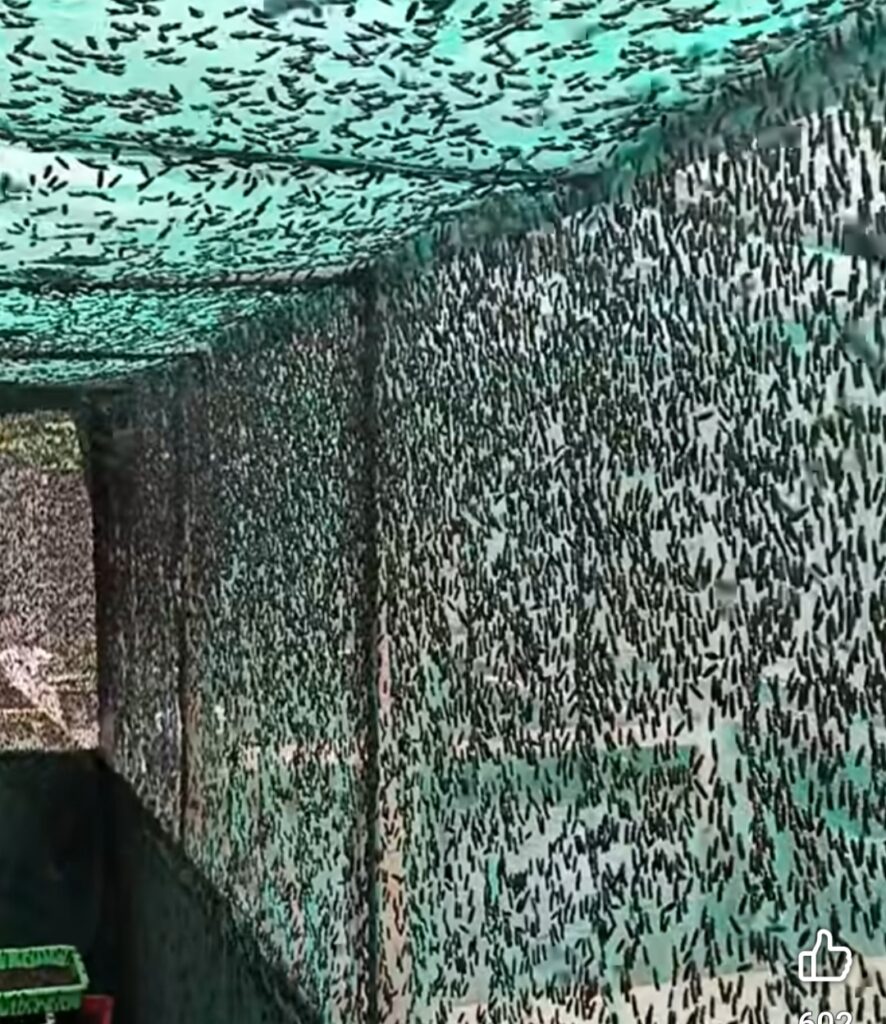
Several challenges are faced in the management of the BSF colonies, especially in ensuring a stable egg output for consistent production. Any alteration of the environmental factors can disrupt egg-laying cycles, leading to irregular egg production. Additionally, managing colony hygiene and preventing the buildup of pathogens or pests is essential to sustain a healthy and productive BSF population.
ENVIRONMENTAL CONDITIONS
Farming facilities used for the rearing of BSF must be designed to regulate environmental factors like temperature, humidity, and lighting. All of these factors significantly affect the insect growth and productivity. Monitoring and adjusting these parameters creates optimal conditions for the insects as also found in livestock rearing. Good hygiene in the farming facilities should also be maintained so as to prevent diseases and ensure the quality of insect-based products. In addition, all equipment, housing units, and feeding areas used should be regularly cleaned and disinferied so as to minimize contamination risks.
COLONY HEALTH
Maintaining a healthy and genetic diversity BSF colony is paramount for sustainable insect production. Best practices for colony health include regular monitoring of population dynamics, disease prevention through biosecurity measures, and maintaining optimal environmental conditions. Introducing genetic diversity through periodic introductions of new genetic material or strains helps prevent inbreeding depression and promotes robustness within the colony. Additionally, implementing strict hygiene protocols, providing balanced nutrition, and minimizing stressors such as overcrowding contribute to overall colony health and longevity.
TYPES OF BREEDING
There are three Flexible Breeding Models. The in-house model was preferred to others, especially in the early days of the industry.
a. OUTSOURCED BREEDING
These breeding type requires specialized personnel with expertise in biology, entomology, and genetics.
b. HYBRID BREEDING MODEL
When taking a hybrid in-house and outsourced reproduction approach, farmers can choose to replace a significant part of their breeding with outsourced supply to make their in-house breeding processes more efficient and more standardized, ensuring production contingency.
c. IN-HOUSE BREEDING MODEL
This is a vertical integrated farms that include additional breeding processes in-house. It requires strict control over colony management, environmental control, and colony health. It is a good practice for supplying BSF colonies with periodic genetic boosts from different BSF lines. Such genetic enrichment results in a healthier colony, with improved neonates’ robustness, growth, and stability
REARING THE INSECT IN BLACK SOLDIER FLY FARMING
In recent years, technological advancements have transformed how Black Soldier Fly farms operate, paving the way for improved efficiency, productivity, and scalability. From automation and machinery to digital monitoring and data analysis, these innovations have revolutionized how Black Soldier Fly larvae are produced and harvested.
TYPES OF FACILITIES
BSF rearing can be approached at different scales, ranging from container modules suitable for small-scale farms to large-scale factories. Each approach to BSF rearing scale has its advantages and considerations, depending on factors such as available space, production volume, investment capacity, and market demand.
In BSF rearing, it is important to note that the larvae are brought to the waste rather than transporting the waste to the larvae. This approach minimizes logistical complexities and ensures efficient utilization of organic waste streams. Therefore, these facilities are ideally implemented near waste sources such as food processing plants, agricultural operations, or urban centers to facilitate easy and cost-effective transportation of waste materials to the BSF rearing facilities. This proximity not only lowers transportation costs but also reduces the carbon footprint associated with waste disposal and insect production.
The BSF rearing modules include:
a. CONTAINER MODULES
Container modules are compact systems that can be set up in limited spaces, making them ideal for urban or backyard farming setups. These modules typically consist of trays or containers for rearing BSF larvae. It facilitate the controlling of conditions and efficient management of small batches of the insects.
b. SMALL FARMS
Small farms are slightly larger setups than container modules. It utilizes multiple container modules or dedicated rearing areas to produce BSF larvae in moderate quantities.
c. LARGE FACILITIES
On the other end of the scale, large-scale factories employ sophisticated rearing facilities with automated systems, climate control, and optimized processes to produce BSF larvae on a commercial scale
CONSIDERATIONS DURING REARING
i. TEMPERATURE: Maintain a stable temperature between 27-32°C for optimal larval growth.
ii. MOISTURE: The relative humidity of between 50-70% must be maintained in the rearing unit and the substrate should be prevented from getting waterlogged.
iii. SUNLIGHT: Ensure the breeding cage receives natural sunlight for optimal mating and egg production.
iv. LOCATION: Place the bins in a stable, well-ventilated area protected from rain. The north side of a building is often a good option because it receives less direct sunlight and rain, but this is not always an option. Choosing the Right Location is crucial for BSF farming. BSF larvae thrive in warm environments,
BLACK SOLDIER FLY FARMING SETUP
Generally, BSF production is carried out in two steps. The first one is carried out in an insectarium/ love cage. This is where both the adult and egg production takes place. While the second is carried out in a cage netting or a container.
Heavy equipment are not needed to set up a BSF farm. A small space with basic housing unit is required.
The materials needed to operate a Black soldier colony include:
i. Love cage/ breeding cage
ii. cracks for laying egg/ wooden planks (eggies).
iii. atractant to invite BSF to lay egg. The attractant are decaying organic matter,
iv. water bowl for BSF drinking
v. short knife to collect eggs
vi. small bowl and moisture food -for hutchery
vii. Rearing bins.
A black soldier fly farming setup involves a breeding cage for adult flies to mate and lay eggs, and separate rearing bins for larvae to grow. The breeding cage requires warmth light, and an attractant like decaying organic matter to encourage egg-laying on a provided surface like wood. Once eggs are harvested, they are transferred to a hatching area and then to rearing bins with food waste where the larvae grow, after which they can be separated for processing or re-breeding.
a. BREEDING CAGE:
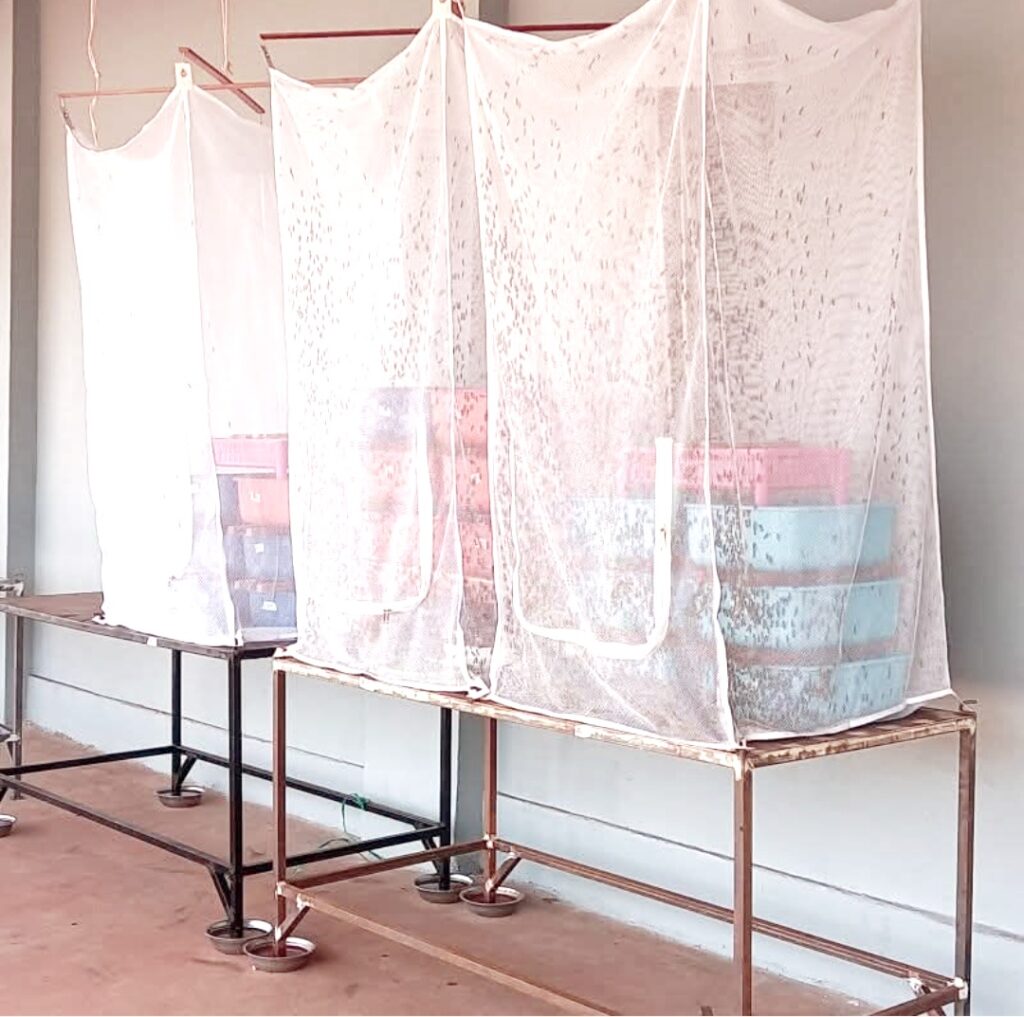
The breeding unit can be a container or cage where adult flies mate and lay eggs. In case of the cage system, It should be constructed using a mosquito mesh net. And the construction can be as follows:
Construct the mesh cage with legs to elevate it. Place the legs in containers of oil to act as an ant trap. The cage should be in a location that provides natural sunlight and maintains a temperature between 25–30°C
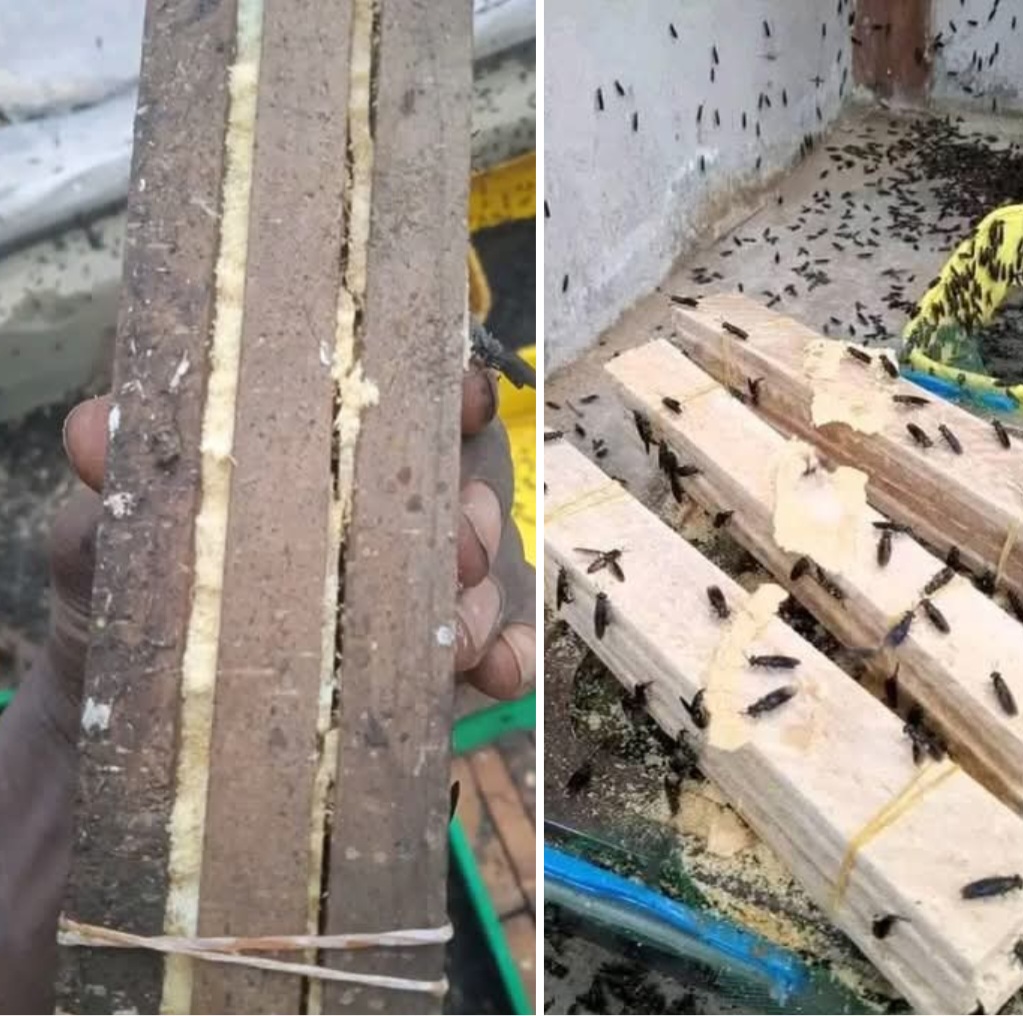
EGG-LAYING SURFACE: Provide a rough, dark surface like wood inside the cage for the flies to lay eggs. Place a smelly substrate nearby to attract the flies to the egg-laying surface.
b. LARVAE REARING UNIT: The rearing unit can be plastic bins, trays, or wooden boxes filled with organic waste where eggs hatch and larvae feed.
c. SUBSTRATE (FEED FOR LARVAE): These can be kitchen scraps, animal manure, market waste, agro-waste like cassava peels or maize husks and also industrial wastes.
Other things needed for the success of the BSF farming operations;
a. MOISTURE: Waste should be moist but not waterlogged.
b. SHADE AND VENTILATION: Flies thrive in warm, humid environments (25–30°C).
c. LIGHT: The light is to keep the cage unit warm as this is required by the insects.
HATCHING AREA:
The black soldier flies are bred to produce eggs, which are then collected and placed in appropriate containers for incubation. The male mate with the female and the female lay the eggs. The following steps are followed after collection of the eggs;
-Collect the eggs every few days by gently scraping them off the surface of the wood.
-Place the collected eggs in a container with a mesh bottom to prevent them from touching the moist substrate.
HATCHING CONTAINERS: Label and store the hatching containers in a warm area.
-The eggs typically hatch in 3 to 4 days.
REARING BINS: Transfer the newly hatched larvae to larger containers called the rearing bin.
-Start with a moist substrate made from materials like coconut coir or coffee grounds to maintain moisture levels.
FEEDING THE LARVAE: Feed the larvae a mixture of organic waste, such as kitchen scraps, rice bran, or coffee husks. Ensure the waste is not too thick (no more than 3 inches) to allow for proper processing.
HARVESTING: Mature larvae can be harvested after 8 to 14 days. They will naturally crawl up and away from their food source, making it easy to separate them using a sieve or a specialized coffee tray mesh.
STARTING THE BLACK SOLDIER FLY FARMING
The first step in starting a BSF farming is by collecting eggs from wild flies and rearing the larvae until they reach the prepupae stage. The prepupae stage must grow to reac the pupae stage before farmers can harvest and use them
SOURCE OF BSF FOR REARING
BSF can be sourced from the wild or purchase of pupae or larvae from a reputable breeder farm which will develop into adult flies.
i. SOURCING FROM THE WILD
The adult black soldier fly can be sourced from the wild and reared on the farm.
There are several ways of trapping the fies from the wild for rearing. The most simplest method is to attract the BSF.
HOW TO ATTRACT BSF FROM THE WILD
Materials needed: To attract BSF from the wild, the following are needed. Attractant, eggies and buckets or trays.
i. ATTRACTANTS: The attractant is a smelly liquid substance that attract the BSF. Mostly, the attractant can be banana or pineapple or mixture of both. Other fruits can also be used.
ii. EGGIES: This is a wooden media or paper box. The wooden media are arranged in layers with cravities inbetween for the BSF to lay eggs. It is from here that eggs are harvested.
PREPARATION OF THE ATTRACTANT
-Collect a bunch of ripe banana and pineapple
-In the tray or bucket, mash the banana and the pineapple with their peels into the tray or bucket.
-Level both mashed materials at the base of the tray or bucket.
-Prepare the eggies by arranging the short wooden media in layers and with cardboard layed inbetween the wooden planks. Tie both with a rubber band or thiny rope at both ends.
-Allow to ferment for about 2-3 weeks. By this time, the attractant would have produced a foul smell that can attract the fies.
-Place the eggies on top of the attractants in the bucket or tray.
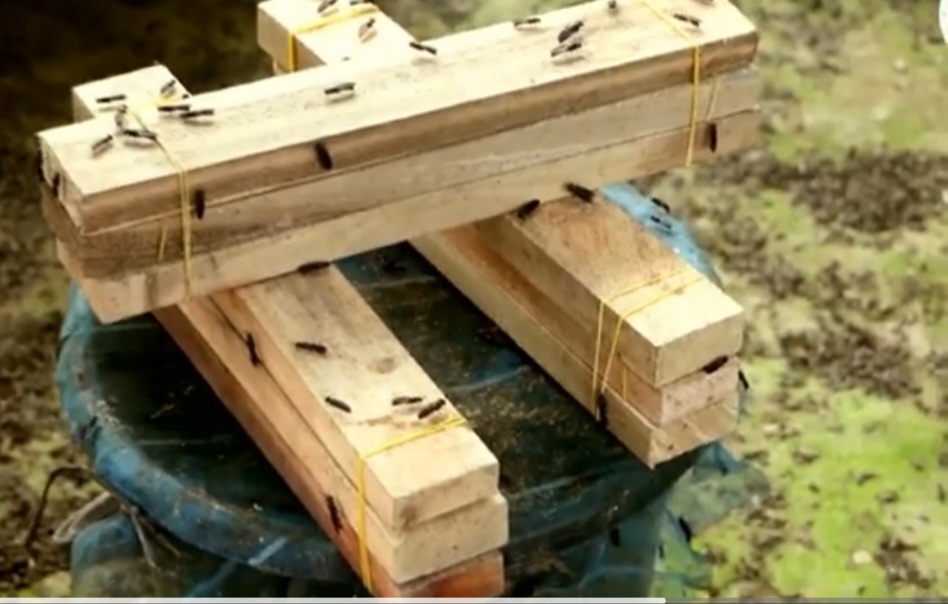
-The bucket or trays should be taken to where there is no direct sunlight, just at a shaddy location. The attractant now the substrate must not get dry.
-Check after 3 weeks and after every 5 days. The BSF would have laid eggs inbetween the eggies. The eggs will begain to hatch by 4-5 days.
-Wait till the larvae are seen dropping into the substrate to feed.
-Remove the bucket or tray to raise the larvae so that they devwlop to give the BSF.
Apart from this, larvae or pupae can be purchased from a reputable breeder and grown to develop into the black soildier flies.
HOW TO COLLECT BLACK SOLDIER FLY EGGS ON THE FARM
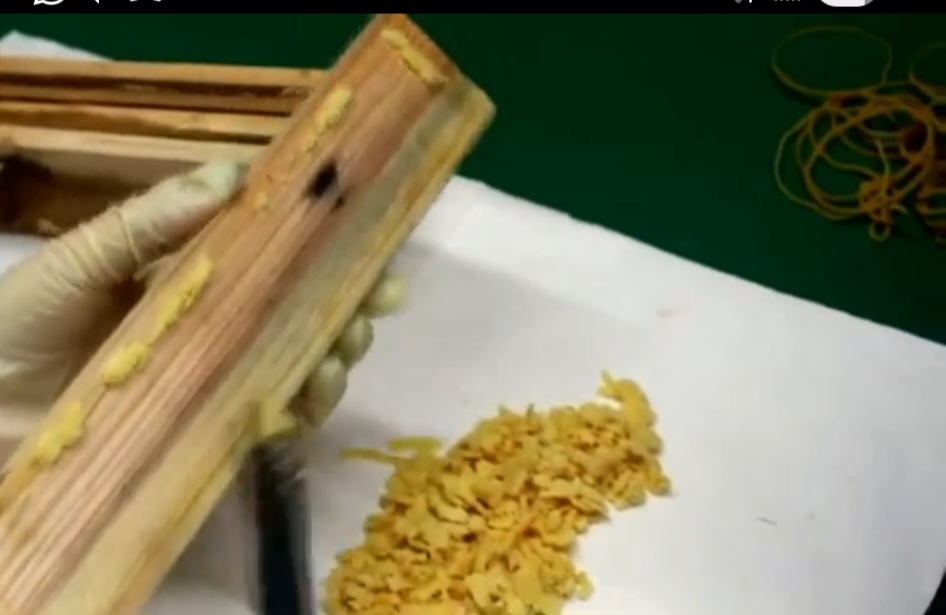
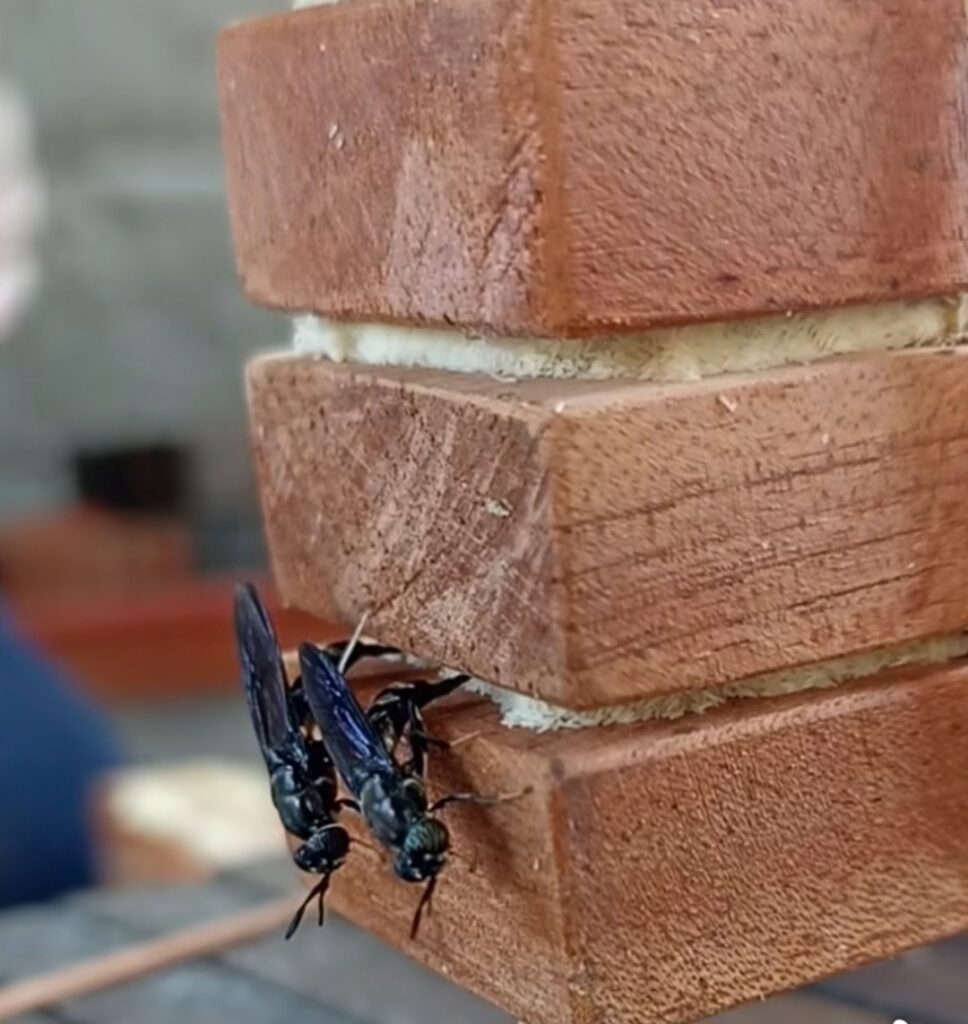
The eggies ( that is, short wooden planks arranged above one another and held with a rubber band) are placed at several locations in the insectarium or love gate. Inbetween the layers of the eggies ( that is the cravices), cardboards should be laid. The BS flies lay their eggs inbetween the cravices of the eggies and collected from the love cages at an interval of 2-3 days (to prevent the eggs from hatching while in the love cage) and are placed in hatching containers filled with a high quality food source (the food source for the new hatchlings should be of a higher nutritional value than the food source for the adult.
To collect black soldier fly eggs, prepare a “love cage” with a good attractant and eggies with crevices. After about 2-3 days, carefully scrape the eggs off the surfaces using a cutter or knife, ideally in the early morning or late evening when flies are less active to prevent escapes.
SETTING UP THE LOVE CAGE /INSECTARIUM
-Use a cage or container with an attractant (like fermented fruit or bran) and provide surfaces with cracks or crevices in the cage for the flies to lay their eggs on.
–WAIT FOR THE EGG-LAYING: After the eggs are laid, collect the eggs every 2 to 3 days. Eggs take a few days to hatch, so checking every 2-3 days is optimal to harvest them before they hatch but also, allow some eggs to accumulate for a better yield.
–CHOOSE THE RIGHT TIME: Collect eggs in the morning or late evening when the flies are less active and less likely to escape, as they become more active when it’s warm.
After collection,
MOVE TO A HATCHING CONTAINER: Place the harvested eggs in a hatching container with a high-quality food source, such as a maize blend paste.
HANDLE WITH CARE: After collecting the eggs, move them to a safer place, away from predators. HARVESTING THE EGGS
Black soldier fly eggs are delicate, so handle them with care to avoid damage.
Scrape the eggs using a small knife or cutter. Gently scrape the eggs off the surfaces of the eggies. The eggs can also be found in small gaps, such as those created by rubber bands.
HATCHING THE EGGS
After harvesting of the eggs, place the eggs in a wooden net mesh. The wooden net mesh should be placed on top of a substrate in a container like bowl. The eggs will hatch on the netting and the larvae formed will drop into the substrate to feed.
The larvae produced should then be transfered into a wooden or plastic trays with substrate spread into it. The trays should be about 2-3 feet deep. Above the 2-3 feet depth, the larvae will suffocate and die due to their inability to feed well. The substrate for starter production will depend on the number of the larvae trasported into the tray. The larvae will feed on the substrates for about 2-3days. Then the substrate should be increased by 5kg occationally. The substrate should be spread evenly above the old substrate with the larvae feeding on it.
PREVENTION OF AMMONIA BUILD UP IN THE SUBSTRATE
Organic substrate, if left for too long can result in ammonia build up. To prevent ammonia build up, aerate the substrate frequently per day by lifting the substrate below to the surface so that heat is not produce and ammonia build up.
In large farms, automated machines are used to prevent this, the machine will sieve out the larvae into a new, fresh substate.
CONTINEOUS PRODUCTION
In the insectarium are the BSF. This fies have a short life and dies. This can be noticed are found died on the floor of the insectarium. To prevent total death of the flies that can lead to total collapse of the farm, more pupae can be harvested and placed on the floor of the insectarium to develop into the BSF. At this point, farmers do make mistakes. Placing the pupae in the insectarium can lead to understocking or overstocking. Understocking means putting too little pupae in a large insectarium. While overstocking means putting too much pupae in the insectarium. This can prevent the BSF from having enough space to peach. If there is not enough space to peach, the female flies will peach on the eggies and find it difficult to lay their eggs. Therefore, to provide enough space for peaching, a mosquito net can be hanged in the insectarium at various location for the BSF to peach. It is also important for farmers to take the temperature and humidity of the insectarium . The humidity must not be too low as this may affect the fies. Also note that the flies do not eat but depend on water. Therefore, a bowl of water should be placed in the insectarium . To keep the humidity in moderate condition , the insectarium can be sprayed with water, or soak cotton wool in watwr and place in it or through the water in the bowl. So, measuring equipment for temperature and humidity must be installed. Apart from these, the insectarium must be well lighted both day and night for the flies to continue mating. Dim light can affect their reproduction process.
TECHNOLOGIES USED IN LARGE SCALE PRODUCTION OF BSF
There are several technologies employed in the rearing of BSF on farms. Such technologies include; Automation and Machinery, Digital Monitoring and Data Analysis technology and harvesting and processing equipments.
AUTOMATION AND MACHINERY
Automation has revolutionized BSF farming, thus, improving production processes and reducing labour costs. Modern farms are equipped with technologies such as; automated feeding systems, temperature control mechanisms, and larvae harvesting technology, enabling farmers to maintain optimal growth conditions and maximize yields. This type is used on large scale farming production.
DIGITAL MONITORING AND DATA ANALYSIS TECHNOLOGIES
Digital monitoring and data analysis are essential tools for optimizing Black Soldier Fly farming operations. Technologies like sensors, cameras, and software systems are used by farmers to monitor critical parameters such as temperature, humidity, and larvae growth rates in real-time. This data is then analyzed to identify trends, optimize feeding schedules, and make informed decisions to improve farm productivity.
INNOVATION IN PROCESSING AND HARVESTING
State-of-the-art equipment, such as automated larvae separators, drying machines, and packaging systems, are used for post-harvest processing of thr insect. The technologies guarantee product quality and consistency. These innovations in BSF processing and harvesting techniques are utilized in comparing between wet processing and dry processing methods.
THE ADULT BSF
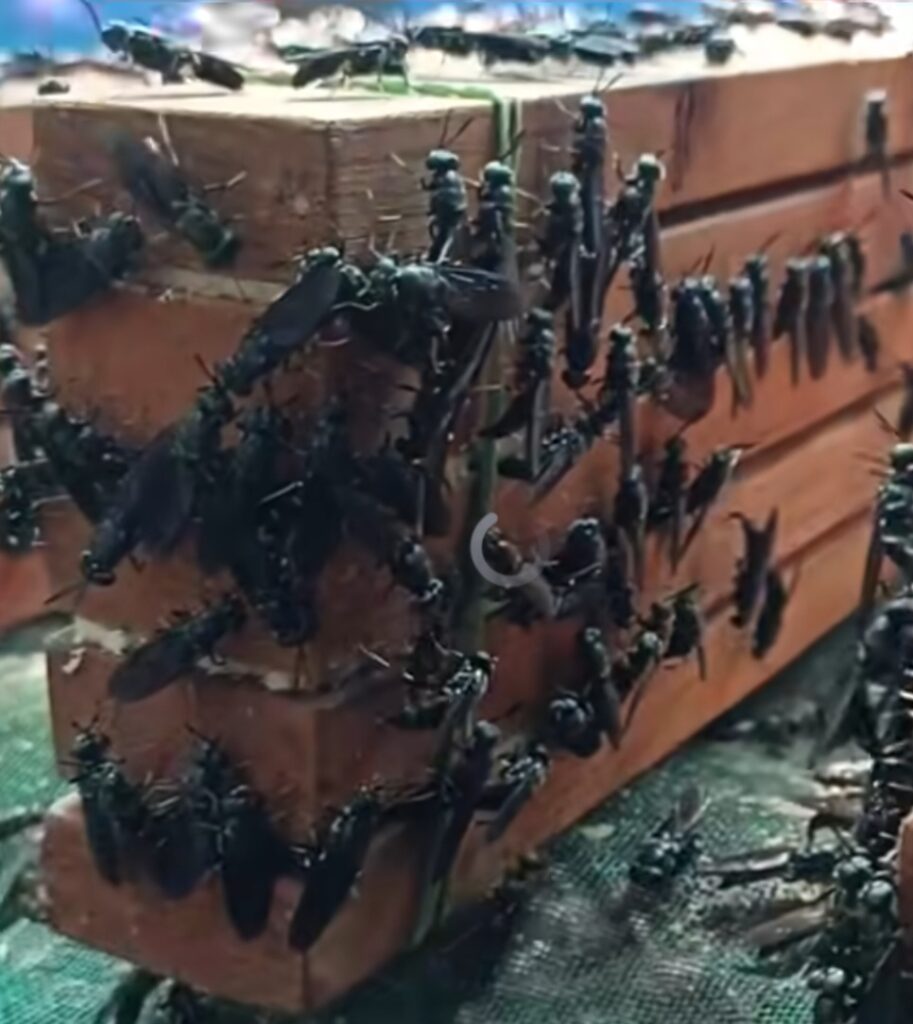
The adult BSF do not eat but depend on water. They fly about mate and the female lay eggs in the insectarium. They possess special visual receptors and successfully mate when bright light is available.
Clean water must be made available at all time for them because they do not eat but depend on the water.
At some point, they complete their reproductive fuctions, they lay their eggs in the cravices of the eggies. Each flies die after producing about a thousand eggs. The pupae from the larvae develop into another adult fly.
FEEDING THE LARVAE
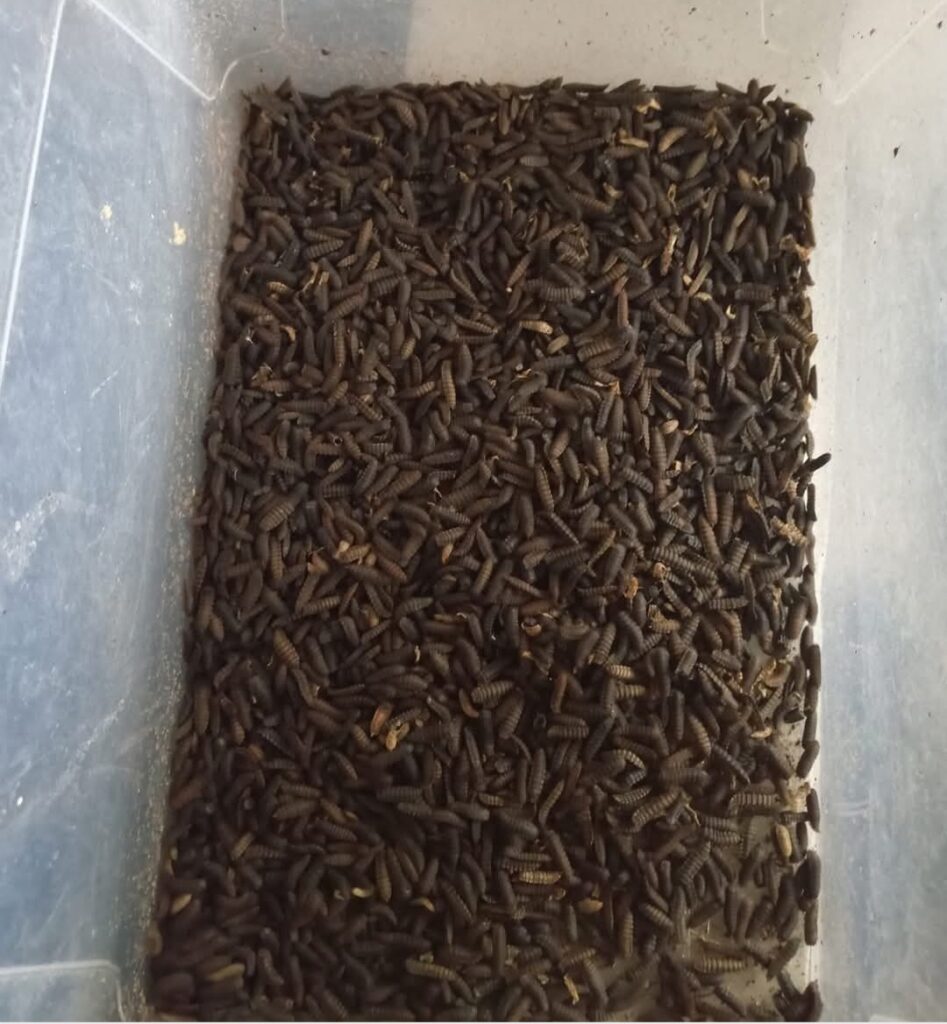
After hatching of eggs, the larvae are placed in the breeding trays. Inside the trays should be laid with organic matter or substrate. The organic matter can be mixture of materials like banana, corn meals, wheat bran etc. before intoducing the larvae. The larvae are placed on the organic matter.
Other foul smelly foods can also be used. Such foods can be a mixture of veggies like cabbage, poultry intestine, poultry droppings, rotten fish or any kind of wastes.
The larvae in about 14-18days develop to form the pupae.
HARVESTING THE LARVAE
After 14–18 days, larvae reach their largest size (fat, creamy-colored).
Harvest by sieving or using self-harvesting containers where mature larvae crawl out on their own.
The harvested larvae can be:
Fed fresh to animals (fish, poultry, pigs).
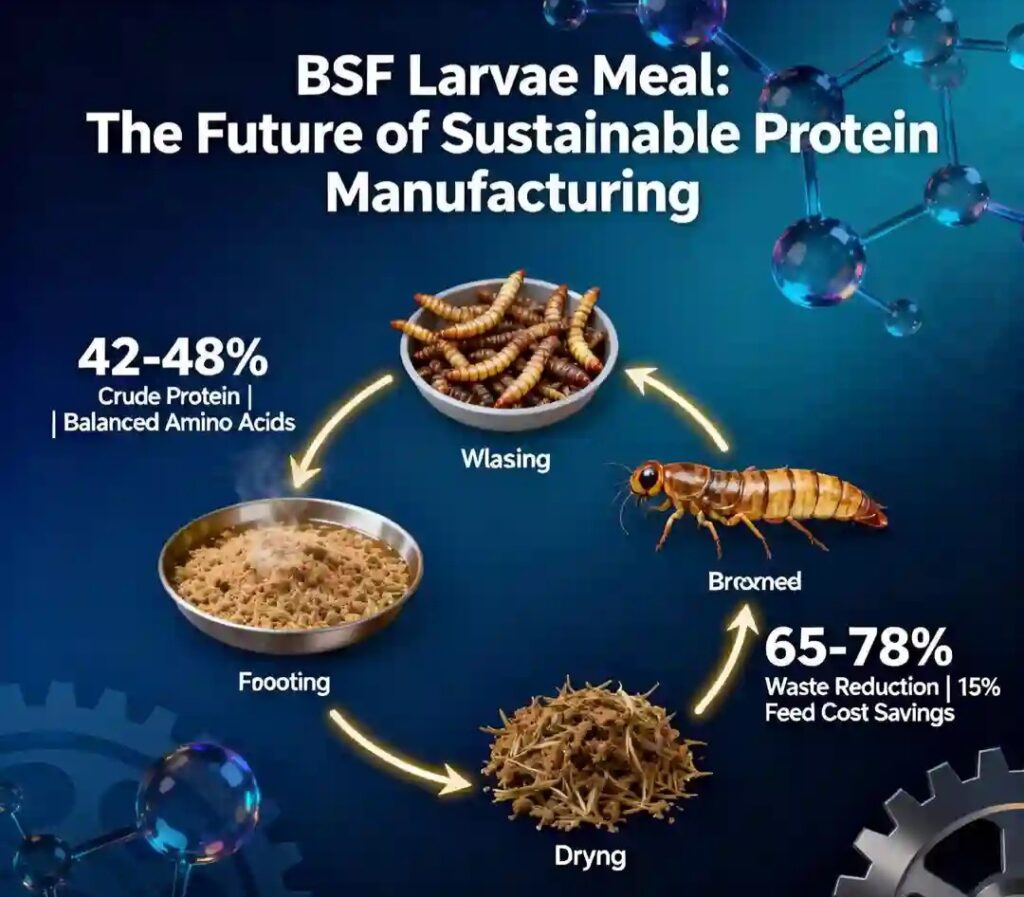
Dried and ground into powder (BSF meal).
Pressed for oil (used in animal feed or cosmetics).
METHODS OF PROCESSING BSF
There are two methods of processing BSF for market and consumer use.
a. Wet processing
b. Dry processing
a. WET PROCESSING: This involves using water or steam to separate larvae from their substrate, followed by methods such as boiling, drying, and milling to produce insect meal or oil. This method is efficient in extracting high-quality protein and nutrients but requires significant water usage and energy input.
b. DRY PROCESSING: This method utilizes mechanical separation techniques such as sieving and air-drying to extract larvae and produce insect-based products. The dry processing reduces water consumption and energy costs. It may result in lower nutrient retention and product quality compared to wet processing.
Today, ongoing research and technological advancements are now aimed at optimizing both wet and dry processing methods, balancing efficiency, sustainability, and product quality in BSF processing and harvesting for diverse applications in agriculture, aquaculture, and animal nutrition.
CHALLENGES TO CONSIDER
Some of the challenges encountered during the BSF farming practices include:
-Maintaining a stable breeding colony.
-Controlling pests like ants and rodents.
-Keeping right moisture levels in the substrate.
-Market awareness.
ENVIRONMENTAL IMPACT AND SUSTAINABILITY
Black Soldier Fly farming has impacted the environment positively and contribution to agricultural sustainability. It has assisted farmers in addressing major environmental challenges such as waste management, resource efficiency, and the promotion of circular economy principles.
i. CARBON FOOTPRINT AND RESOURCE EFFICIENCY
Black Soldier Fly farming offers a sustainable alternative to traditional livestock farming practices. It is known for its high carbon footprint and resource-intensive nature. It requirs fewer inputs such as water, land, and feed than conventional livestock production practices. These farming practices is more resource-efficient and environmentally friendly.
ii. CONTRIBUTION TO CIRCULAR ECONOMY
Black Soldier Fly farming contribute to circular economy movement through the utilization of resources in a system called the closed-loop system, where wastes are reused and maximization of efficiency are achieved. The organic waste are converted into body nutrients which are harvested and transformed into animal feed and fertilizer, a sustainable practice.
Black Soldier Fly farms contribute to the circularity of resources, creating a more sustainable and resilient agricultural system.
FUTURE PROSPECTS AND CHALLENGES OF BSF FARMING
As Black Soldier Fly farming continues to gain momentum as a sustainable solution for waste management and protein production, the industry is also faced with opportunities and challenges. Some of the futuristic prospects and potential obstacles facing this farming practices are stated below;
i. OPPORTUNITIES FOR GROWTH IN BLACK SOLDIER FLY FARMING
The growing demand for sustainable protein sources, coupled with increasing awareness of the environmental benefits of Black Soldier Fly farming, presents significant opportunities for growth in the industry. With a market potential in animal feed, aquafeed, and bioenergy sectors,
Black Soldier Fly farming is poised to expand and become a major player in the sustainable protein market. As more farmers and investors recognize the value of Black Soldier Fly larvae as a resource-efficient and environmentally friendly alternative to traditional livestock feed. The industry is expected to experience rapid growth in the coming years.
REGULATORY AND LEGAL CONSIDERATIONS
Despite its promising potential, Black Soldier Fly farming faces regulatory and legal challenges that may impact its scalability and commercialization. As a novel agricultural practice, Black Soldier Fly farming is subject to varying regulations and guidelines in different regions, which can create barriers to market entry and hinder industry growth. Clear and consistent regulatory frameworks, as well as collaboration between stakeholders and policymakers, are essential to facilitate the development of a supportive environment for Black Soldier Fly farming and ensure its compliance with industry standards.
Summary, as black Soldier Fly farming continues to gain ground as alternative animal feed source, it also offers an innovative approach to waste management and sustainable agriculture. The insects are efficient organic waste managers which turns the wastes into nutrient-rich larvae used as livestock feed and at thesame time minimizes methane emissions and waste sent to landfills, thus, offering an appealing, green alternative to traditional methods.
FUTURE APPLICATIONS
The potential of BSF farming is vast, with promising applications in transforming the feed industry into a more sustainable system. As awareness increases, this practice is likely to play a crucial role in the future of sustainable agriculture and productivity.

Really enjoying this article! Thinking about trying out online casinos – heard good things about platforms like luckyking login, especially with all the new regulations. Seems legit & fun! 👍
Hi Luckyking,
Thank you for reading through supremelights post. We are grateful to you. And thank you for introducing your product to us. We will surely check it out to see how it can benefit us. Please, if you have any aspect of agriculture you want supremelights to address, contact us.
Thank you once again.
Bye
Really interesting points! Seeing tools like AI Agent Generator democratize content creation is huge – especially with mobile access! It’s amazing how quickly visuals can be made now, streamlining everything. What are your thoughts on Sora 2 integration?
Hi ai generator,
Thank you for reading through supremelights post. We are grateful to you. And thank you for introducing the ai agent generator to us. Today, ai has make work like ours easy with amazing content creation. The sora 2 integration is amazing. Please, if you have any aspect of agriculture you want supremelights to address, contact us.
Thank you once again.
Bye