
Pests are a major concern to farmers all over the world. They are one of the major causes of crop loses on the farm and in store. They can destroy crops on the field and even in storage. Their effect can result in reduced yield and market value. They range from microbes such as bacteria, fungi, to nematodes, insects, rodents, birds, larger animals and even to man. Farmers, researchers etc have deviced several means to control these pests. One of which is agrochemical called pesticides used in conventional agriculture. Another natural method is the use of biocontrol.
Compared with conventional chemical methods which involves the use of agrochemicals, biocontrol is considered an alternative method. It is a much safer alternative since it is less likely to harm any non-target pathogens and produce harmful substances that are detrimental to the environment.
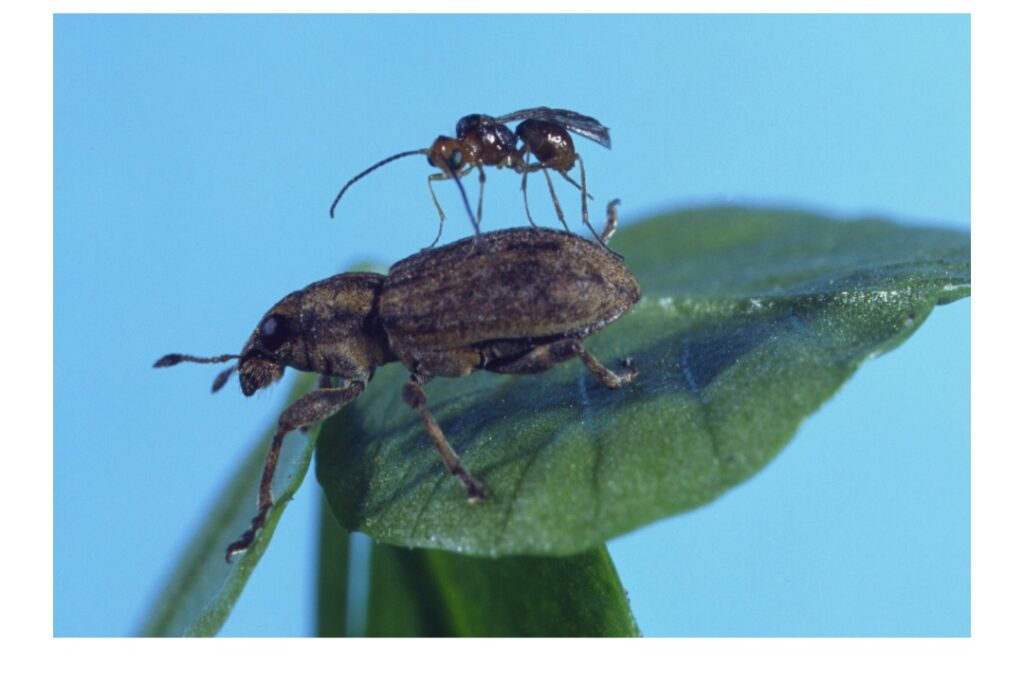
Biocontrol, short term for biological control, also called bioprotection is the use of living organisms to manage pests, diseases, or weeds. It involves employing natural enemies like predators, parasitoids, or pathogens to suppress the populations of unwanted organisms. This method of controlling pests, whether pest animals such as insects and mites, weeds, or pathogens affecting animals or plants, relies on predation, parasitism, herbivory, or other natural mechanisms, but typically also involves an active human management role. It can be an important component of integrated pest management (IPM) programs. Biocontrol approach offers a sustainable and environmentally friendly alternative to synthetic pesticides. For example, Syrphus hoverfly larva feed on aphids, making them natural biological control agents. A parasitoid wasp (Cotesia congregata) adult with pupal cocoons on its host, a tobacco hornworm (Manduca sexta,), is an example of a hymenopteran biological control agent.
DEFINITIONS OF BIOLOGICAL CONTROL
Biological control is the use of humans or beneficial insects such as predators and parasitoids, or pathogens such as fungi and viruses, to control unwanted insects, weeds, or diseases.
Biocontrol is also defined as a method of pest control using other organisms, natural enemies, pathogens, semiochemicals and natural substances.
It can also be refered to as a method of pest management that utilizes natural enemies to reduce the populations of pests, weeds, or diseases.
Unlike some other methods of control in agriculture, bioprotection often have little to no side effects.
PRINCIPLES OF BIOCONTROL
The fundamental principles of biocontrol involve using living organisms to manage pests, primarily through conservation, augmentation, and classical (importation) methods, with the goal of suppressing pest populations rather than eradicating them. The main elements include identifying and protecting natural enemies, introducing new ones into non-native environments, or releasing large numbers of existing enemies for quick control, while establishing a self-sustaining system to keep pests below damaging thresholds.
These three approaches of biological control are achieved using the following principles;
i. FOCUS ON LIVING AGENTS: Biocontrol relies on living organisms, such as viruses, bacteria, fungi, or insects, to target specific pests.
ii. PEST SUPPRESSION, Not ERADICATION: The primary goal is to keep pest populations below an economic injury level, not to eliminate them entirely, as natural enemies need a food source to survive.
iii. ECOLOGICAL BALANCE: The long-term goal is to establish a self-sustaining system where pest and natural enemy populations naturally fluctuate together.
iv. SPECIFICITY: Biocontrol agents are often highly specific to their target pests, reducing damage to non-target species.
v. INTEGRATION: Biocontrol is a key component of integrated pest management (IPM), which combines various methods for effective and environmentally friendly pest control.
BENEFITS OF BIOCONTROL
Biocontrol offers environmental benefits by reducing chemical use, protecting biodiversity, and improving soil health. It also promotes human health by preventing exposure to harmful residues and is sustainable by minimizing pest resistance and relying on natural processes. It also have several environmental benefits. Some of the benefits are discussed below;
1. REDUCED CHEMICAL POLLUTION:
Natural predators or other biological agents, reduces chemical pollution by decreasing or eliminating the need for synthetic pesticides which are harmful to the environment and human health.
Instead of chemicals, biocontrol uses living organisms like predators, parasites, and pathogens to manage pest populations, thereby protecting beneficial insects, pollinators, and soil microbes. This result in a significantly decreased in pollution of soil, water, and air.
Also, reduces harmful residues on crops, and fosters a healthier ecosystem, thus, promoting a more sustainable and less polluted environment.
2. BIODIVERSITY PROTECTION:
Biocontrol protects biodiversity by providing an alternative to broad-spectrum chemical pesticides, which often harm beneficial insects, pollinators, and soil organisms, thereby reducing non-target effects. The alternative biocontrol measures include use of natural predators, parasitoids, and pathogens. Also, practices like conservation biological control can also enhance biodiversity. This preserve natural habitats. Planting of flowering plants and maintaining diverse vegetation can help support populations of natural beneficial insects. These plants provide food sources (nectar, pollen), shelter, and mating sites for the beneficial insects, thus increasing their abundance and impact on pests.
3. IMPROVED SOIL HEALTH:
Biocontrol suppresses disease-causing pathogens, promoting beneficial soil microbes, increasing nutrient availability through siderophore production and nutrient cycling, fostering greater soil biodiversity, and improving water quality by eliminating chemical residues. Thus, improving soil health.
In addition, biocontrol agents, such as bacteria, fungi, or protozoa etc, replace harmful chemical pesticides usage which can destroy soil health.
These natural enemies are environmentally friendly solutions to improving soil fertile and health.
4. REDUCE RELIANCE ON PESTICIDES: Biocontrol is an alternative to use of pesticides. It can significantly decrease the use of synthetic pesticides, which can have negative impacts on human health and the environment.
5. ENVIRONMENTAL SUSTAINABILITY:
Biocontrol promotes environmental sustainability by providing eco-friendly pest and disease management, which reduces the reliance on chemical pesticides. It also preserve biodiversity by protecting non-target organisms, and fosters healthy soil ecosystems. By controlling pests with natural predators, parasites, and microorganisms, biocontrol decreases the exposure of the ecosystem to toxic substances.
6. TARGET SPECIFICITY: Biocontrol agents are often specific to certain pests, minimizing harm to non-target organisms. They achieve this through rigorous host specificity testing which identify natural enemies that attack only the target pest or weed, preventing harm to other species. This testing involves exposing potential biocontrol agents in a controlled environment to the target organism and closely related species to determine if they will feed on or infect the non-target organisms. The process ensures the biocontrol agent only attacks the intended pest, guaranteeing the safety and effectiveness of the biological control program.
7. COST-EFFECTIVENESS: It reduces the reliance on continuous use of expensive chemical treatments and labour, offers long-term control of pests and weeds, restores ecosystem services, and can provide high returns on investment, especially when proven agents are used in suitable climates. In addition, biocontrol can help manage invasive species that degrade ecosystem services (like providing clean water or food). They can restore the economic and social value of natural areas which might require huge investment to regenerate. Thus, leads to a positive return on investment.
8. INTEGRATED PEST MANAGEMENT: Biocontrol can be integrated into a larger pest management strategy called Integrated Pest Management (IPM), which combines different approaches to control pests.
9..BIODIVERSITY PROTECTION: Biocontrol targets specific pests, leaving non-target beneficial organisms like pollinators and predatory insects unharmed, thereby supporting and improving agricultural biodiversity.
10. ENHANCED FOOD SAFETY:
Biocontrol enhances food security by promoting sustainable agricultural practices that lead to higher, more reliable crop yields, reducing losses from pests and diseases, and improving the overall health of the food system and human populations. It lessens the reliance on harmful chemical pesticides which can result in residual effect in the harvested produce.
It can also safeguards environmental quality, supports biodiversity, and creates economic opportunities for farmers through market access to healthier produce.
11. REDUCE HEALTH RISKS: Biocontrol methods have low or no toxicity, posing fewer health risks to humans, pets, and other animals compared to chemical alternatives.
12. SUPPORT FOR NATURAL PROCESSES: Biocontrol introduces and enhance increment in beneficial organisms (like predators, parasites, or pathogens) into the ecosystem so as to regulate pest populations within the ecosystem. This method maintains a natural predator-prey relationships to leverage the interaction between the natural enemies and the pests. Thus, reducing the need for harmful chemical pesticides and preserving the balance and biodiversity within the ecosystems. This brings about a long-term ecological balance and reduces the risk of organisms developing resistance to the control methods.
BENEFITS OF BIOCONTROL OVER CHEMICAL PESTICIDES
Biological control is considered superior to chemical pesticides for several reasons.
i. biocontrol agents are often highly specific to their target pest, meaning they do not harm non-target organisms like pollinators, other beneficial insects, or the crop itself. In contrast, chemical pesticides are broad-spectrum and can kill beneficial species, disrupting the ecosystem.
ii. pests are less likely to develop resistance to a natural predator compared to a chemical.
iii. biocontrol avoids the problem of chemical residue on food products and prevents pollution of soil and water sources, making it an environmentally sustainable approach.
iii. Some of the negative effects of chemical pesticides usage, include; impact on human health, growing pest resistance, and environmental damage. As a result of these, the benefits of using biological control methods have become more evident.
CHARACTERISTICS OF BIOCONTROL
1. SPECIFICITY: Bio-control agents act as “precision tools,” targeting only the specific pest species, unlike broad-spectrum chemicals.
2. SUSTAINABILITY: It integrates natural processes into pest management and without any environmental damage. Thus, promoting sustainable agricultural practices and reducing the overall chemical footprint.
3. RESIDUE-FREE PRODUCE: The use of biological agents leaves short or no pre-harvest intervals, resulting in chemical-residue-free agricultural products.
4. Often relatively inexpensive and can be “permanent” for those biocontrol agents that can survive multiple years and become self-perpetuating.
5. EFFECTIVENESS CAN BE FROM LOW TO HIGH; Can be disrupted by other pest management tactics, especially broad-spectrum pesticides.
6. Suppressive effects and density-dependent; it will have its greatest impact when pest densities are high.
7. Often pest-specific, not broad-spectrum; Often a lag time between buildup of the pest population and buildup of the biocontrol agent; generally not fast-acting.
8. Good tactic to include in a multi-tactic approach (IPM); fits in well with cultural, mechanical, and some chemical controls.
9. Most successes have been in perennial crops (orchards, vineyards), rangeland, and field or forage crops which can withstand a moderate level of pest injury.
ADVANTAGES AND DISADVANTAGES OF BIOLOGICAL CONTROL
ADVANTAGES
Biological control offers tremendous social, environmental, as well as economic advantages.
1. SUSTAINABILITY : This method is permanent, and therefore completely sustainable. It can become self-sustaining and integrated in the normal environment of the control area. Since such controls are expected to continue indefinitely, a high initial expense may prove to be a very low total cost.
2. REDUCE RELIANCE ON AGROCHEMICALS: The most crucial use of biocontrol agents is that they help in reducing the use of agrochemicals like pesticides which have harmful effects on human beings and other living creatures in the environment. Bicontrol is particularly useful where chemical pesticides are not suitable or are impractical in environmentally sensitive areas, or on low-unit-value crops, such as alfalfa or soybeans, where complete control may not be required.
3. SAFETY :Biocontrol agents pose no threat to human health, crop production or beneficial organisms. They are environmentally friendly and do not have any side effects on humans.
4. COST EFFECTIVE: These methods are comparatively cheaper than other Agrochemicals like pesticides and insecticides usage. For example, when controlling a weed pest, after the initial costs for getting the bioagents, once the agents are established and have had an impact on the weed the only further expenditure required would be for monitoring activities. But in the case of spraying herbicides, this must be repeated occasionally to control the weeds. Thus, need for regular expenses on herbicide purchase.
5. These methods are also easy to use, readily available, and can be used in any season throughout the year.
6. NATURAL CONTROL AGENT: Biological control is natural and does not rely on the use of man-made chemicals that can adversely impact an ecosystem. It also allows the amount of herbicides required for weed control to be reduced
7. SPREAD : The biocontrol agents ( insects or pathogens etc), multiply and increase in populations easily without being affected by physical or environmental or atimes chemical barriers.
8. LANDSCAPE : While the agents are doing their job, previously out-competed native species can gradually recover and recolonize areas without the need for extensive replanting.
9. ALTERNATIVES TO FARMING OPERATIONS: Biocontrol is a sustainable and natural method of farming. It is an alternative natural method, it does not require the use of chemicals and machinery which can have a negative impact on the environment.
10. ECONOMICALLY EFFICIENT: It is economically efficient and sustainable, as once self-replicating and co-evolved natural enemies are established, they provide control indefinitely without further cost or intervention.
Above all, the key advantages include its high specificity, making it safe for beneficial organisms, and its ability to be cost-effective in the long term due to reduced chemical reliance and avoided crop damage from pests.
DISADVANTAGES OF BIOCONTROL
The excessive use of microbes could have repercussions on the environment, human and even animal health. The introduction of non-native microbes could also lead to ecological and environmental problems if the organism becomes invasive and causes outbreaks or grows excessively, leading to ecological imbalance.
Therefore, resulting in limitation of its effect. Some other disadvantages of biocontrol methods include;
1. The use of biocontrol agents causes a significant and noticeable deterioration in the quality of produce.
2. The biocontrol agents do not eradicate all the pests and are a useful and economical tool for pest control only when used on a large scale.
3. CONTROL NOT ERADICATION : A successful agent should not eradicate the pests like weed on which it depends, but reduce it to acceptable levels instead. There may be costs associated with alternative control methods
4. TIMESCALE : It takes time. It can take between five to 10 years from release to achieve successful control
5. IMPACTS : The complete impact on the target pest is not always predictable. For example, invasive weeds will continue to have a devastating effect on native flora and fauna, damage the built environment and national economies, and affect people’s if proper control measures are not embarked upon.
6. CHEMICAL CONTROL: Chemical herbicides can be effective where permitted, but using this method of control on a large scale is costly and could impact on biodiversity. Many of the worst invaders are aquatic or grow beside rivers where use of chemicals is banned or severely limited
7. MANUAL CONTROL :Manual control methods are available for most invasive weeds but not for other pests like insects. This control are rarely viable on large scale invasions because they are labour-intensive and costly.
CATEGORIES OF APPROACHES TO BIOLOGICAL CONTROL
Biocontrol comprises using living organisms or natural substances to prevent or reduce damage caused by harmful organisms (animal pests, weeds and pathogens). There are 4 categories of approaches to biological control based on the use of control agents such as:
i. Macro-organisms (insects, nematodes),
ii. Micro-organisms (viruses, bacteria or fungi),
iii. Chemical mediators (pheromones),
iv. Natural substances of mineral, plant or animal origin.
APPROACHES OR STRATEGIES FOR ACHIEVING BIOLOGICAL CONTROL
There are three basic strategies for achieving biological control. These three strategies form the core of most biocontrol programs:
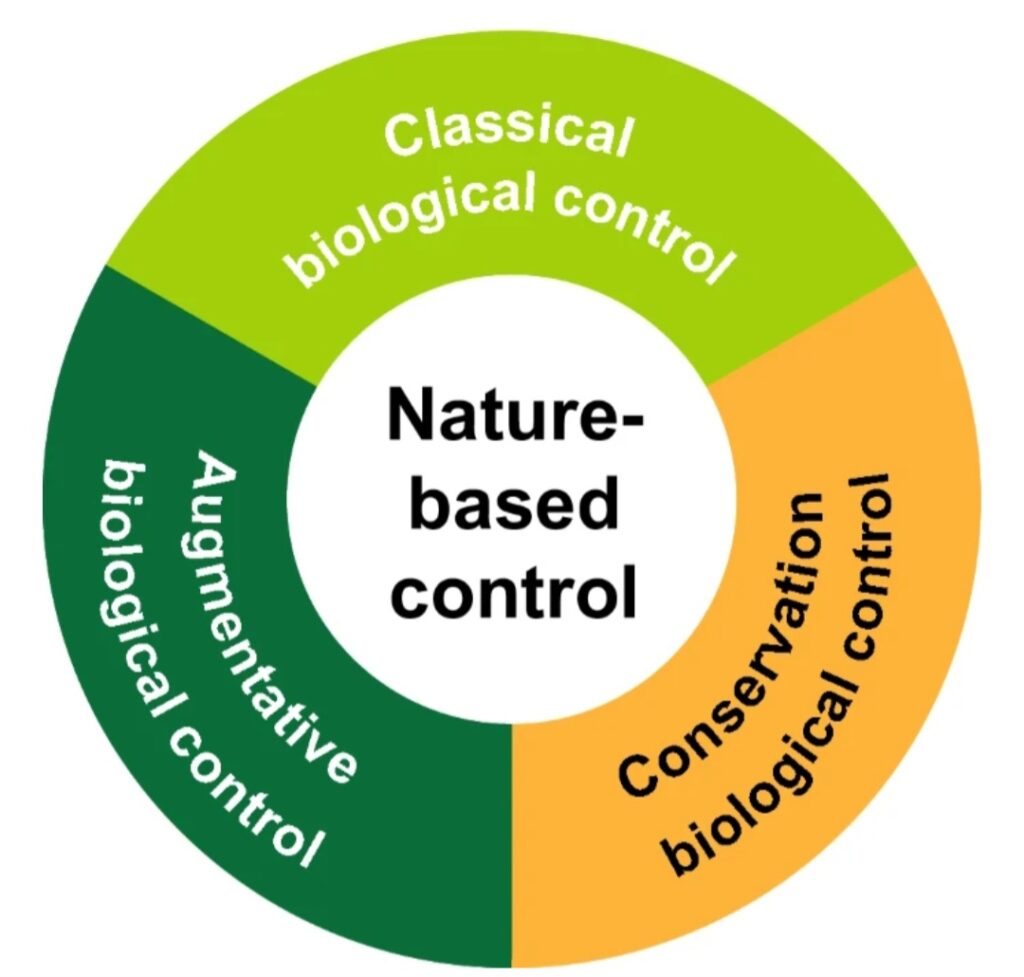
1. CLASSICAL (IMPORTATION): Here, a natural enemy of a pest is introduced in the hope of achieving control. The pest natural enemy introduced occasionally can be a pathogen. This is often a more long-term solution. For example, Rodolia cardinalis, the vedalia beetle, was imported from Australia to California in the 19th century to control cottony cushion scale (Icerya purchasi ) on orange trees. And this action was successful. Also, controlling of Icerya purchasi (cottony cushion scale) in California was achieved successfully using a beetle and a parasitoidal fly called Cryptochaetum iceryae. Other successful cases include the control of Antonina graminis in Texas by Neodusmetia sangwani.
The aim of classical biocontrol is to establish a sustainable population that suppresses the pest for many years. Usually, this approach is used against a pest that is non-native to the area. This is called invasive species. Invasive species are often problematic because they might not have predators in the invaded area. For this reason, the biocontrol agent selected and introduced generally originates from the same area as the invasive species.
Also, the pest’s natural enemies can be imported and introduced to a new locality where they do not occur naturally. In the past, these natural enemies where unofficially introduced and not based on research, and some introduced species became serious pests themselves.
For these biocontrol agents to be effective at controlling a pest, the agent must have a colonizing ability which allows it to keep pace with changes to the habitat in space and time. Control is greatest if the agent has temporal persistence so that it can maintain its population even in the temporary absence of the target species, and if it is an opportunistic forager, enabling it to rapidly exploit a pest population.
Classical biocontrol is the result of years of scientific research. It identifies potential biocontrol agents that could be imported and ensures that they do not harm native species. The environment needs to be suitable for the biocontrol agent to establish as well. Thus, the approach requires rigorous testing and quarantine to ensure the introduced agent is safe and effective.
Before the release of a new biocontrol agent, governments must also approve its introduction. Usually, once governments approve it, scientists release the biocontrol agents into the environment.
Classical biocontrol has been successfully used for many weed and insect pests. One example is the use of the rust fungus Maravalia cryptostegiae to manage the invasive rubber-vine weed Cryptostegia grandiflora in Australia
Other examples include;
The invasive species Alternanthera philoxeroides (alligator weed) was controlled in Florida (U.S.) by introducing alligator weed flea beetle.
The aquatic weed, the giant salvinia (Salvinia molesta) is a serious pest, covering waterways, reducing water flow and harming native species. It was controlled using the salvinia weevil (Cyrtobagous salviniae) and the salvinia stem-borer moth (Samea multiplicalis) in warm climates especially at Zimbabwe, where a 99% control of the weed was achieved over a two-year period.
Small, commercially-reared parasitoidal wasps, Trichogramma ostriniae, was used as an erratic control on the European corn borer (Ostrinia nubilalis), which is a serious pest of corn. A careful formulations of the bacterium Bacillus thuringiensis are more effective if used for the control of the European corn borer.
The O. nubilalis integrated control releasing Tricogramma brassicae (egg parasitoid) and later Bacillus thuringiensis subs. kurstaki (larvicide effect) reduce pest damages more than insecticide treatments.
2. INDUCTIVE (AUGMENTATION):
This technique involves mass-rearing and releasing natural enemies to supplement existing populations or introduce new ones to the field. The growers increase the natural enemies and pathogens in an area on a timely basis to fight pests and diseases. It involves the supplemental release of natural enemies that occur in a particular area, boosting the naturally occurring populations there. The natural enemies and pathogens include; predators, parasitoids or microbes. For example Hippodamia convergens, the convergent lady beetle, is commonly sold for biological control of aphids.
The use of biopesticide and biocontrol products, or biocontrol agents, is also part of augmentative biocontrol.
It should be noted that often, natural enemies or pathogens do exist in the environment, however, their populations may not be large enough to control the pest. There needed to be increased for active effectiveness.
Augmentative biocontrol usually have an immediate effect but might not last long. This is why repeated releases of a control agent is carried out.
TYPES OF AUGMENTATION RELEASE APPROACHES
There are two approaches to releasing the biocontrol agent under Augmentation methods . This can also be refered to as types of release. This can be either one ‘big wave’ approach, called inundative release. Or it can also be one ‘small and strategic’ approach, called inoculative release:
i. INOCULATIVE RELEASE : Here, small numbers of the control agents are released at intervals to allow them to reproduce, in the hope of setting up longer-term control and thus keeping the pest down to a low level, constituting prevention rather than cure. It aims to control a pest for a longer period, usually for the season.
An example of inoculative release include: in horticultural production of several crops in greenhouses, periodic releases of the parasitoidal wasp, Encarsia formosa, are used to control greenhouse whitefly, while the predatory mite Phytoseiulus persimilis is used for control of the two-spotted spider mite.
Inoculative release is usually done when the pest population is low and is more used as a preventative method. The released biocontrol agent can reproduce during the season and continue keeping the pest population low. An example is the application of some bacteria, such as Bacillus amyloliquefaciens.
ii. INUNDATIVE RELEASE: This is a short-term control of a pest. It involves releasing a large number of the biocontrol agent at one time. The large numbers of the control agents are released in the hope of rapidly reducing a damaging pest population, correcting a problem that has already arisen.
For example: The release of the egg parasite Trichogramma, frequently released inundatively to control harmful moths. Also, the release of ladybirds to control insect pests. This is similar to pesticide treatments with shorter-term reduction. Repeated applications might be needed in this case.
A new way for inundative releases are now introduced, that is, use of drones.
Natural enemies can be released at varying rates to show their effectiveness. For example, Bacillus thuringiensis and other microbial insecticides are used in large enough quantities for a rapid effect. The recommended release rates for Trichogramma in vegetable or field crops range from 5,000 to 200,000 per acre (1 to 50 per square metre) per week according to the level of pest infestation.
Similarly, nematodes that kill insects (that are entomopathogenic) are released at rates of millions and even billions per acre for control of certain soil-dwelling insect pests.
Augmentation can be effective, but is not guaranteed to work, and depends on the precise details of the interactions between each pest and control agent.
3. INOCULATIVE (CONSERVATION):
The conservation of existing natural enemies in an environment means the natural enemies are being protected and their populations being enhanced. It mainly focuses on managing the environment. Such natural enemies are already adapted to the habitat and to the target pest. These natural enemies include;
predators, parasitoids, and pathogens. they reduce or eliminate the target organisms or even harm them. The aim is to foster their natural abundance and effectiveness. Their conservation can be simple and cost-effective. For example, cropping systems can be modified to favour natural enemies, a practice sometimes referred to as habitat manipulation. The population of these natural enemies are usually maintained through regular reestablishment.
For the natural enemies to survive , some cultural and mechanical practices are adopted, which include:
-Food sources
-Alternative hosts
-Shelter and refuge habitat
-Appropriate microclimates.
Suitable habitat are required, such as a shelterbelt, hedgerow, or beetle banks etc with the above suitable conditions. Such natural enemies, for example, beneficial insects such as parasitoidal wasps can live and reproduce in such environment. Also, these natural enemies require food. Things such as layers of fallen leaves or mulch, manures, compost, flower nectars etc provide a suitable food source for for the organisms. Such natural enemies include; worms, insects, beneficial mammals like hedgehogs, amphibians, reptiles etc.
Another example is the installation of insect networks. It involves planting strips of local plants near crops to provide resources like pollen and nectar all year round to the natural enemies, parasitoids and predators that would not found in a monocropping system. Plant strips also offer shelter to these organisms.
An example is a wheat field with a flowering border that provides a food source for natural enemies and pollinators.
An example of area where conservative method of pest control had been effective is in Honduras. A type of mosquito called Aedes aegypti was transmitting a fever called dengue fever and other infectious diseases. This mosquito became a serious threat to this country, therefore, biological control method was attempted by a community action plan. Copepods, baby turtles, and juvenile tilapia were introduced into the wells and tanks where the mosquito breeds and the mosquito larvae were eliminated. This was then employed into the water system of the whole country and the mosquito was totally eliminated.
FUNCTIONS OF THE FOOD SOURCES
1. Food source like leaves and manures provides a shelter for worms and insects
2. The worms and insects can in turn become food source for beneficial mammals like hedgehogs and shrews.
3. Compost piles and stacks of wood can provide shelter for invertebrates and small mammals.
4. Long grass and ponds can support amphibians.
5. Dead annuals and non-hardy plant’s stems produced during autumn are used by insects. They make hollow in the stems during winter where they leave and keep warm.
6. In California, prune trees are sometimes planted in grape vineyards to provide an improved overwintering habitat or refuge for a key grape pest parasitoid.
Apart from these natural materials utilized by these natural enemies, artificial materials inform of artificial shelters can also be provided. Such shelter include; shelters made in form of wooden caskets, boxes or flowerpots used in gardens, to make a cropped area more attractive to natural enemies. For example, earwigs are natural predators that can be encouraged in gardens by hanging upside-down flowerpots filled with straw or wood wool. Green lacewings is another natural enemy that can be encouraged by using plastic bottles with an open bottom and a roll of cardboard inside. Bird houses enable insectivorous birds to nest. The most useful birds can be attracted by choosing an opening just large enough for the desired species.
In cotton production, the replacement of broad-spectrum insecticides with selective control measures such as Bt cotton can create a more favorable environment for natural enemies of cotton pests due to reduced insecticide exposure risk. Such predators or parasitoids can control pests not affected by the Bt protein.
REASON FOR ADOPTING BIOCONTROL (INCLUDE IN INTRO)
When pesticides were developed in the 1950’s, they were potent and relatively inexpensive. But with time, the persistence and negative effects of certain pesticides in the environment and some broad spectrum chemical became problematic. Today’s modern pesticides are not as persistent as past pesticides and are important tools in crop protection. These pesticides and other Agrochemicals are very expensive, warranting an integrated approach to pest management, which compliments and promotes the use of biological controls.
The rearing of beneficial insect is carried out in the laboratory or field insectaries. This process takes several years to complete before introduction to the field. When the beneficial insects arrive in the laboratory or insectories, they are relatively new to science, so a mass rearing protocol must be developed by the entomologists reproducing them. They are then released. Follow-up studies are conducted by the laboratory ’s field crew to determine if the natural enemy successfully established at the site of release, and to assess the long-term benefit of its presence.
Certain factors must be considered before final introduction of the beneficial insects.
i. Beneficial insects do not easily adapt for biological control of every insect or weed pest infesting crops.
ii. The pest control program must also be compatible with current grower practices.
iii. A beneficial insect must have the ability to adjust to a new environment and, in the case of an augmentation approach, must lend itself to laboratory production.
iv. The goal of biological control is to bring the pest population down below an economic threshold, not eradicate it. This process brings things into balance and allows native species to compete again.
v. Use of classical biological control takes time. It will take a minimum of six to ten generations and possibly more before to evaluate the impact.
CONSIDERATIONS WHILE SELECTING A BIOCONTROL TYPE FOR FARMING OPERATION
The adoption of all types of biological control – augmentative, conservation or classical – is a crucial step towards safer and more sustainable agriculture.
When farmers want to select the type of biocontrol for effective pest management, the farmer should focus more on augmentative and conservation biocontrol. Augmentative biocontrol provides a quick way to fight pests and diseases. At the same time, conservation biocontrol provides an environment that preserves enemies of these unwanted organisms. Both strategies are beneficial to integrate into the farming practices.
For successful pest management, growers must select the right biocontrol or biopesticide product and provide an environment suitable for beneficial organisms.
For effective control of pests, start using Integrated Pest Management (IPM) to manage crops in an environmentally friendly way.
MECHANISMS OF ACTIONS OF BIOCONTROL AGENTS
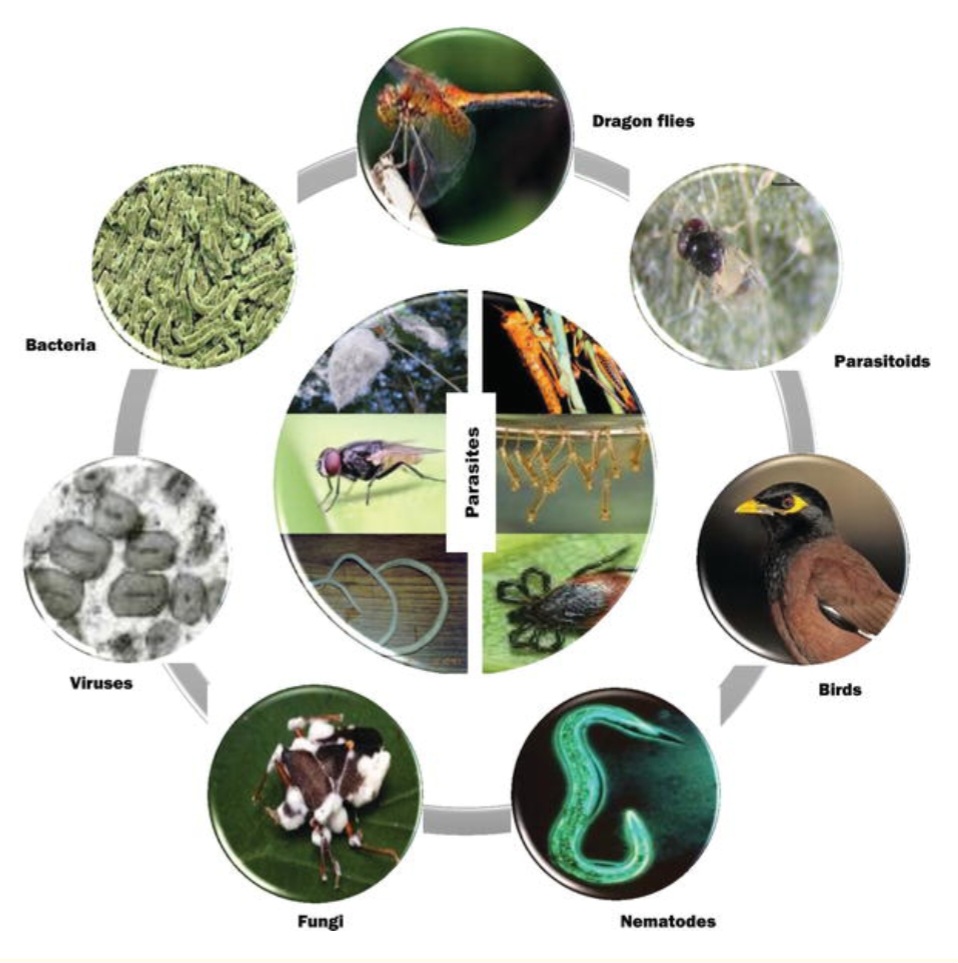
The strategies above indicate the role of natural insect enemies on pests. They play an important part in limiting the densities of potential pests. Such biocontrol agents include : predators, parasitoids, pathogens, and competitors.
Biological control agents of plant diseases are most often referred to as antagonists. Biological control agents of weeds include seed predators, herbivores, and plant pathogens.
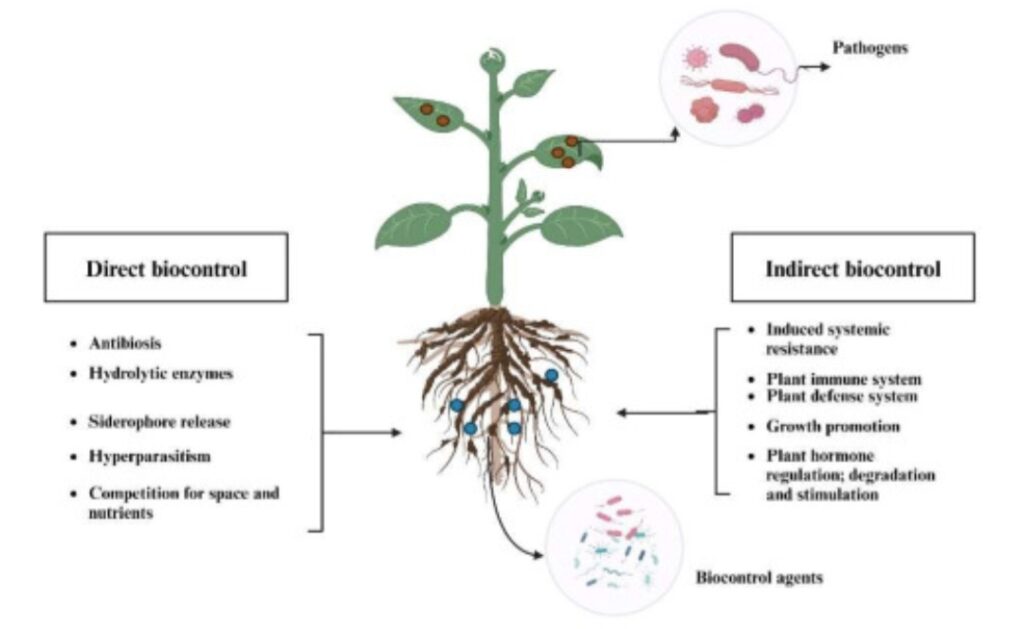
a. PREDATORY AGENTS
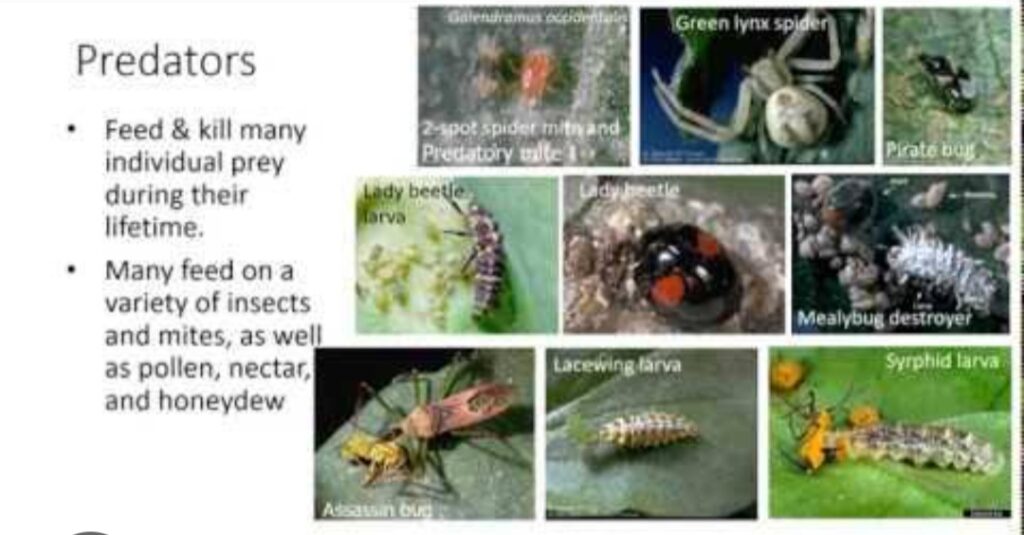
Predators are mainly free-living species that directly consume a large number of prey during their whole lifetime. They may attack their prey in both its immature and adult stages, usually more than one prey individual is required for the predator to complete its life cycle.
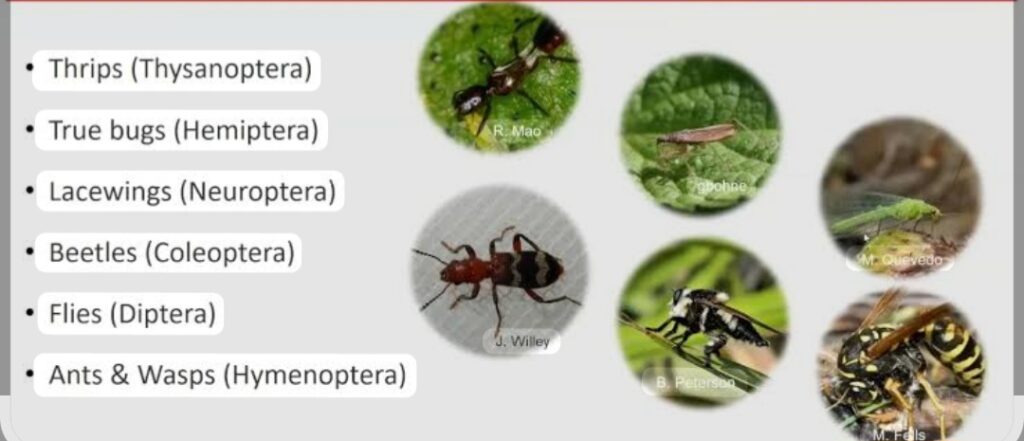
Many major crop pests are insects, that is, many of the predators used in biological control are insectivorous species. The major types that are predaceous include: dragonflies and damselflies, mantids, true bugs, some thrips, lacewings and relatives, beetles, some wasps and ants, and some flies. Major types of animals that are predators include: birds, fish, amphibians, reptiles, mammals, arthropods, and some plants (e.g., Venus fly trap). Spiders and some mites are also important predators of arthropods.
Some examples of predators and their preys include;
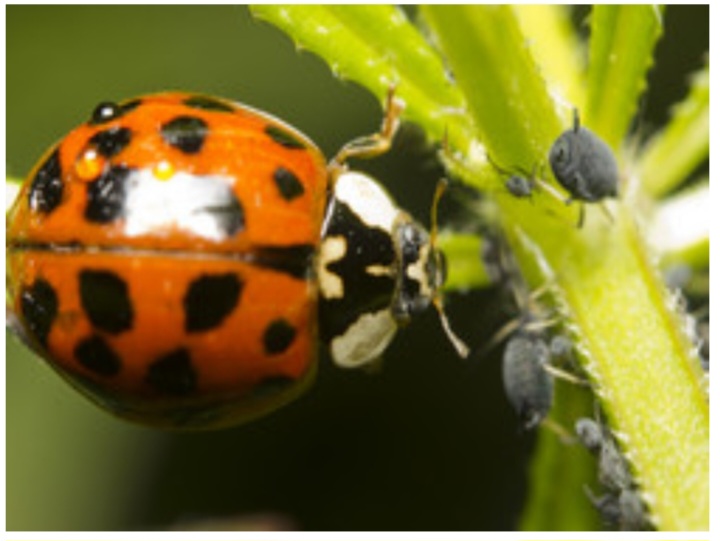
Lady beetles, especially their larvae stage are voracious predators of aphids, and also consume mites, scale insects and small caterpillars. The spotted lady beetle (Coleomegilla maculata) can feed on the eggs and larvae of the Colorado potato beetle (Leptinotarsa decemlineata). The larvae of many hoverfly species principally feed upon aphids, with one larva devouring up to 400 aphids in its lifetime. Their effectiveness in commercial crops has not been studied.
The running crab spider Philodromus cespitum also prey heavily on aphids, and act as a biological control agent in European fruit orchards.
Predatory Polistes wasp prey on bollworms or other caterpillars on a cotton plant.
Several species of entomopathogenic nematode are important predators of insect and other invertebrate pests. Entomopathogenic nematodes form a stress–resistant stage known as the infective juvenile.
Phasmarhabditis hermaphrodita, a microscopic nematode that kills slugs.
Species used to control spider mites include the predatory mites Phytoseiulus persimilis, Neoseilus californicus and Amblyseius cucumeris, the predatory midge Feltiella acarisuga, and a ladybird Stethorus punctillum. The bug Orius insidiosus has been successfully used against the two-spotted spider mite and the western flower thrips (Frankliniella occidentalis).
Predatory Cactoblastis cactorum can also be used to destroy invasive plant species. The poisonous hemlock moth (Agonopterix alstroemeriana) can be used to control poisonous hemlock (Conium maculatum).
The parasitoid wasp Aleiodes indiscretus parasitize on a spongy moth caterpillar, which is a serious pest of forestry.
For rodent pests, cats are effective biological control when used in conjunction with reduction of “harborage” (hiding locations). Cats are also effective at preventing rodent “population explosions”, they are not effective for eliminating pre-existing severe infestations. Barn owls are also sometimes used as biological rodent control.
WORKING MECHANISM OF PREDATORS AS BIOCONTROL AGENTS
The action of predators on pest can be direct or used to regulate the pest population.
1. DIRECT CONSUMPTION:
Predators can directly feed on and kill prey. Such predators include; insects or mites, which are often pests of agricultural production.
2. POPULATION REGULATION:
Predators can also carry out their actions by consuming multiple prey individuals. They achieve this by regulating and decrease the overall population size of the pest species.
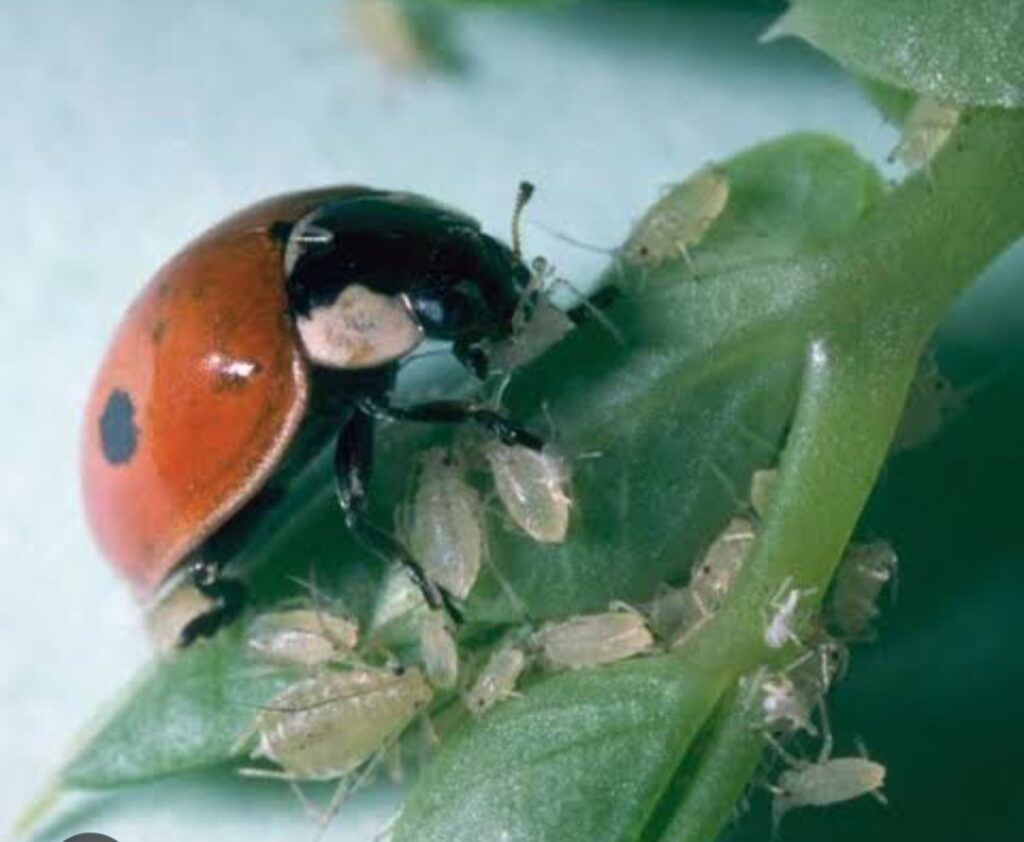
b. PARASITOIDS
Parasitoids are highly effective biocontrol agents because they are natural enemies that kill pest organisms, typically by having their immature stages develop in or on a host, ultimately killing the host. They are arthropods that parasitize and kill another arthropod (insects, mites, spiders, and other close relatives) host.They are used in classical, augmentative, and conservation biological control programs, leveraging their host specificity, high reproductive rates, and ability to target specific pest life stages to reduce reliance on chemical pesticides.
During their immature stage, they are parasitic and free living as an adult. They are among the most widely used biological control agents. They are most effective at reducing pest populations when their host organisms have limited refuges to hide from them. The major types of insects that are parasitoids include: wasps, flies, some beetles, mantisflies, and twisted-winged parasites.
Adult female parasitoids lay their eggs on or in the body of an insect host, especially at their immature stage. As the larvae develop, they consume the host and kill it. This is achieved by penetrating the body wall with their ovipositor or they attach their eggs to the outside of the host’s body.
During the larvae development, the host is ultimately killed. Insect parasitoids like wasps or flies do have a very narrow host range.
Encarsia formosa, a parasitoid wasp widely used in greenhouse horticulture, was one of the first biological control agents developed. It was developed to control the greenhouse whitefly. The most important groups of wasps are the ichneumonid wasps, which mainly use caterpillars as hosts; braconid wasps, which attack caterpillars and a wide range of other insects including aphids; chalcidoid wasps, which parasitize eggs and larvae of many insect species; and tachinid flies, which parasitize a wide range of insects including caterpillars, beetle adults and larvae, and true bugs.
The fly Lixophaga diatraeae has been successfully used in the southern U.S. to control the sugarcane borer, Diatraea saccharalis. And the parasitoid wasps Bathyplectes anurus and B. curculionis are effective biocontrol agents for alfalfa weevil larvae.
METHODS OF REARING PARASITOIDS
Commercially, there are two types of rearing systems. One of which is the short-term daily output. This rearing system is meant for high production of parasitoids per day, and with long-term, low daily output systems. In most instances, production will need to be matched with the appropriate release dates when susceptible host species are at a suitable phase of development. Larger production facilities produce on a year long basis, whereas some facilities produce only seasonally. Rearing facilities are usually a significant distance from where the agents are to be used in the field, and transporting the parasitoids from the point of production to the point of use can pose problems.
Shipping conditions can be too hot, and even vibrations from planes or trucks can adversely affect parasitoids.
PARASITIOD AND PESTS THEY PREY UPON.
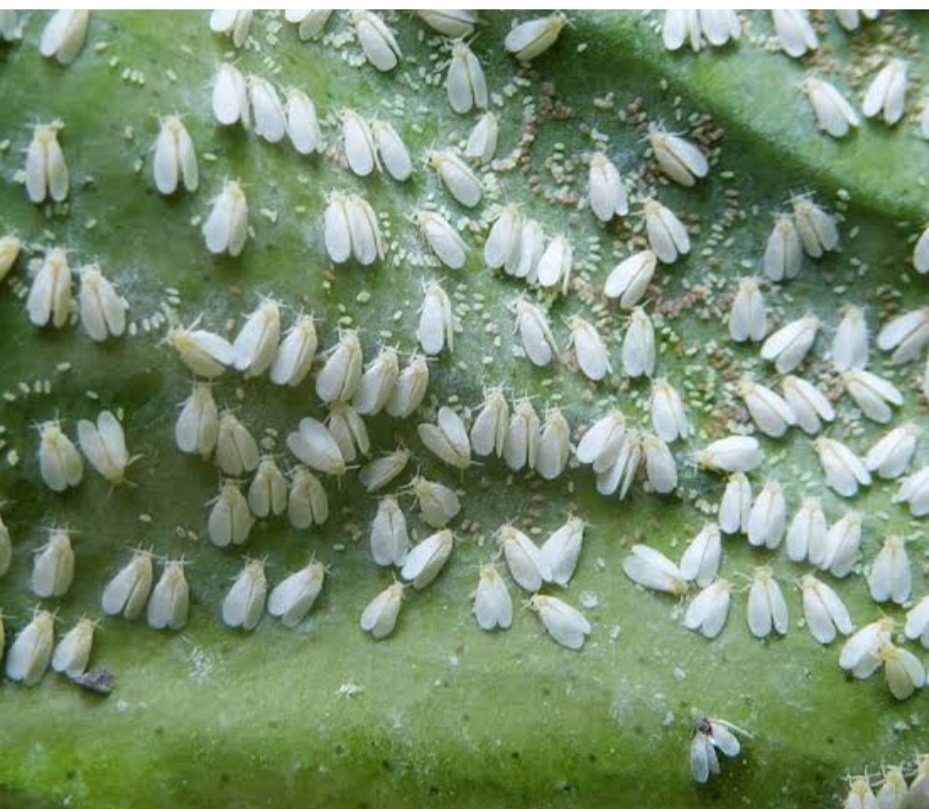
a. Encarsia formosa, a small parasitoid wasp attacks whiteflies. The whiteflie is a sap-feeding insects which can cause wilting and black sooty moulds in glasshouse vegetable and ornamental crops. The use of Encarsia formosa is the most effective when dealing with low level infestations, and it gives protection over a long period of time. The wasp lays its eggs in young whitefly ‘scales’, turning them black as the parasite larvae pupate.
b. Gonatocerus ashmeadi (Hymenoptera: Mymaridae) has been used to control the glassy-winged sharpshooter Homalodisca vitripennis (Hemiptera: Cicadellidae) in French Polynesia and has successfully controlled ~95% of the pest density.
c. The eastern spruce budworm is an example of a destructive insect in fir and spruce forests.
d. Birds are a natural form of biological control, used for controlling diverse numbers of insects, worms etc.
e. Trichogramma minutum, a species of parasitic wasp, has been investigated as an alternative to more controversial chemical controls of the pest.
f. In addition, urban cockroaches has been controlled using parasitic wasps. Most cockroaches remain in the sewer system and sheltered areas which are inaccessible to insecticides, employing active-hunter wasps is a strategy to try and reduce their populations.
c. PATHOGEN
Today, the use of microbial pathogens has become a very popular method of pest management. These pathogenic micro-organisms include; bacteria, fungi, protozoa, nematodes and viruses. They kill or debilitate their host and are relatively host-specific. For example , Baculoviruses are viruses that infect insects, causing their bodies to liquefy and release more viral particles to infect other insects. Fungi, such as Entomophaga, infect and kill aphids, turning their bodies into a fuzzy, brown, dead husk. Bacteria, like Bacillus and Pseudomonas, can secrete antimicrobial compounds to kill pathogens or compete for nutrients and space, thus protecting plants from diseases like root rot.
Pathogens are diseases causative agents also. Various microbial insect diseases occur naturally, but may also be used as biological pesticides.
MAJOR PATHOGENS USED IN BIOLOGICAL CONTROL OF INSECTS:
a. BACTERIA
Bacteria used for biological control infect insects through their digestive tracts. They are limited options for controlling insects with sucking mouth parts such as aphids and scale insects. Bacillus thuringi
ensis (Bt), a soil-dwelling bacterium, is the most widely applied species of bacteria used for biological control, with at least four sub-species used against Lepidopteran (moth, butterfly), caterpillars, Coleopteran (beetle) and Dipteran (true fly) insect pests. Apart from these preys, they also feed on many caterpillar pests, mosquitoes, and others pests. The bacterium are commercially sold in stores. The genes of these bacterium can be extracted and incorporated into transgenic crops, making the plants express some of the bacterium’s toxins, which are proteins. These boost the plant resistance to insect pests and thus reduce the necessity for pesticide usage. If pests develop resistance to the toxins in these crops, B. thuringiensis will become useless in organic farming. Another bacterium called Paenibacillus popilliae causes milky spore disease, is found useful in the controlling of Japanese beetle, especially in killing the larvae. It is very specific to its host species and is harmless to vertebrates and other invertebrates.
In addition, bacterium like Bacillus spp., fluorescent Pseudomonads, and Streptomycetes are used to control various fungal pathogens.
Some bacterial biocontrol agents can produce enzymes, like chitinases, to degrade signal molecules that pathogens use to initiate infection, thereby reducing disease symptoms. This process is called “Quorum Sensing Inhibition”.
In plant infected with diseases for example, antagonistic Bacteria like Bacillus and Pseudomonas can produce antibiotics or cell-wall degrading enzymes to kill harmful pathogens.
b. FUNGI
The green peach aphid is a pest and a vector of plant viruses. It can be killed by the fungus Pandora neoaphidis (Zygomycota: Entomophthorales).
Other fungi can kill pests like Metarhizium (cockroach motels), Beauveria bassiana (Colorado potato beetle, Corn rootworms).
Entomopathogenic fungi is a fungus that cause disease in insects. About 14 species of this fungi can attack aphids. Beauveria bassiana is another fungi that can be mass-produced in order to manage a wide variety of insect pests including whiteflies, thrips, aphids and weevils. Lecanicillium spp. can be deployed to destry white flies, thrips and aphids. Metarhizium spp. are used against pests including beetles, locusts and other grasshoppers, Hemiptera, and spider mites. Paecilomyces fumosoroseus is effective against white flies, thrips and aphids; Purpureocillium lilacinus is used against root-knot nematodes, and some Trichoderma species against certain plant pathogens. The fungus is a free-living fungus in root ecosystems that controls several plant pathogens. Trichoderma viride has been used against Dutch elm disease, and has shown some effect in suppressing silver leaf, a disease of stone fruits caused by the pathogenic fungus Chondrostereum purpureum.
Pathogenic fungi may be controlled by other fungi, or bacteria or yeasts, such as: Gliocladium spp., mycoparasitic Pythium spp., binucleate types of Rhizoctonia spp., and Laetisaria spp.
The fungi Cordyceps and Metacordyceps are deployed against a wide spectrum of arthropods. Entomophaga for example is effective against pests such as the green peach aphid.
There are also some fungi that are antagonistic in their action. For example, Trichoderma fungi compete for nutrients and space in the soil, limiting food for harmful microorganisms. They also secrete toxic substances like viridin to kill pathogens like Fusarium.
Several members of Chytridiomycota and Blastocladiomycota have been explored as agents of biological control. From Chytridiomycota, Synchytrium solstitiale is being considered as a control agent of the yellow star thistle (Centaurea solstitialis) in the United States.
f. VIRUSES
Baculoviruses, particularly those from the genus Nucleopolyhedrovirus (NPV), are pathogens that attack specific insects and other arthropods. They are mostly specific to individual insect host species and have been shown to be useful in viral biological pest control. For example, the Lymantria dispar multicapsid nuclear polyhedrosis virus has been used to spray large areas of forest in North America where larvae of the spongy moth are causing serious defoliation. The moth larvae are killed by the virus they ate and died, the disintegrating cadavers leaving virus particles on the foliage to infect other larvae.
A mammalian virus, the rabbit haemorrhagic disease virus was introduced to Australia in an attempt to control the European rabbit populations in the country. The virus escaped from quarantine and spread across the country, killing large numbers of rabbits. Very young animals survived, passing immunity to their offspring in due course and eventually producing a virus-resistant population. Also, in Australia, RNA mycoviruses are used for controlling various fungal pathogens.
g. OOMYCOTA
Oomycetes are used as biological control agents (BCAs) to combat destructive plant pathogens by acting as beneficial organism that can antagonize harmful microbes through mechanisms like mycoparasitism, producing lytic enzymes, outcompeting for nutrients and space, triggering induced resistance in plants, and producing gun cells. Some oomycetes like Pythium oligandrum are beneficial for controlling fungi, bacteria, and even nematodes, others are major crop pathogens. They are eco-friendly disease management strategies. For example, Lagenidium giganteum is a water-borne mold that parasitizes the larval stage of mosquitoes. When applied to water, the motile spores avoid unsuitable host species and search out suitable mosquito larval hosts. This mold has the advantages of a dormant phase, resistant to desiccation, with slow-release characteristics over several years. Unfortunately, it is susceptible to many chemicals used in mosquito abatement programmes.
OOMYCETES MECHANISM OF ACTION AS BIOCONTROL AGENTS
Oomycetes can control plant diseases through several beneficial mechanisms:
a. MYCOPARASITISM:
Oomycete can directly colonizes and parasitizes a harmful oomycete or fungus and also inhibite their growth.
b. LYTIC ENZYME EXUDATION:
Some beneficial oomycete releases enzymes that break down the cell walls of pathogens, thereby destroying them.
c. COMPETITION: Beneficial oomycetes can compete with pathogens for essential nutrients and space in the soil, preventing the pathogen from establishing itself.
d. INDUCED SYSTEMIC RESISTANCE (ISR): Some oomycetes can assist plant’s to develop or build their own defense mechanisms. This helps the plant to become resistant and also protect the plant from a broad range of pathogens.
e. PRODUCTION OF GUN CELLS:
Oomocete can release specialized cells that inject toxic compounds into pathogen cells, thus killing the pathogen.
h. COMPETITORS
Competitors used as biocontrol agents exploit the principle of ecological competition, where organisms compete for the limited resources like nutrients, space, or infection sites. They colonize an area or infection sites on a host plant, preventing the pathogen from establishing itself. This mechanism reduces the population or growth of harmful pathogens or pests by depriving them of essential resources. These biocontrol agents are strong competitors, mostly found in the rhizosphere (root zone) or phyllosphere (leaf surface), and can outcompete pathogens by possessing high saprophytic ability or even starving the pest.
Some of these biocontrol agents Scavenge for nutrients to produce high-affinity iron-chelating compounds that sequester iron from the environment, making it unavailable for pathogens that require iron for growth.
Examples of Biocontrol Agents used as competitors include; Fluorescent Pseudomonads, a strains of Pseudomonas fluorescens, known for their strong competitive saprophytic ability, outcompeting soil-borne fungi like Fusarium and Pythium for nutrients and space.
Bacillus subtilis is a bacterium which is highly competitive colonizer of plant roots, can effectively prevent pathogens from accessing the roots and causing disease.
Trichoderma asperellum, a fungi that competes with other pathogens for resources and is used in combination with other agents for integrated pest management programs.
The legume vine Mucuna pruriens is used in the countries of Benin and Vietnam as a biological control for problematic Imperata cylindrica grass develop vine that is extremely vigorous and suppresses neighbouring plants by out-competing them for space and light. Mucuna pruriens is said not to be invasive outside its cultivated area.
Desmodium uncinatum can be used in push-pull farming to stop the parasitic plant, witchweed (Striga).
The Australian bush fly, Musca vetustissima, is a major nuisance pest in Australia, but native decomposers found in Australia are not adapted to feeding on cow dung, which is where bush flies breed. Therefore, the Australian Dung Beetle Project (1965–1985), led by George Bornemissza of the Commonwealth Scientific and Industrial Research Organisation, released forty-nine species of dung beetle, to reduce the amount of dung and therefore also the potential breeding sites of the fly.
i. COMBINED USE OF PARASITOIDS AND PATHOGENS
In cases of massive and severe infection of invasive pests, techniques of pest control are often used in combination. An example is the emerald ash borer, Agrilus planipennis, an invasive beetle from China, which has destroyed tens of millions of ash trees in its introduced range in North America. As part of the campaign against it, from 2003 American scientists and the Chinese Academy of Forestry searched for its natural enemies in the wild, leading to the discovery of several parasitoid wasps, namely Tetrastichus planipennisi, a gregarious larval endoparasitoid, Oobius agrili, a solitary, parthenogenic egg parasitoid, and Spathius agrili, a gregarious larval ectoparasitoid. These have been introduced and released into the United States of America as a possible biological control of the emerald ash borer. Initial results for Tetrastichus planipennisi have shown promise, and it is now being released along with Beauveria bassiana, a fungal pathogen with known insecticidal properties.
j. SECONDARY PLANTS
In addition, biological pest control sometimes makes use of plant defenses to reduce crop damage by herbivores. Techniques include polyculture, the planting together of two or more species such as a primary crop and a secondary plant, which may also be a crop. This can allow the secondary plant’s defensive chemicals to protect the crop planted with it.
CHALLENGES AND SIDE EFFECTS OF BIOCONTROL
All technologies used for agricultural production comes with bountiful benefits especially in increasing yield. With all these benefits, they also come with their own challenges.
Biological control can affect biodiversity and the environment through predation, parasitism, pathogenicity, competition, or other attacks on non-target species. The use of this technique faces challenges despite the fact that natural living organisms are used. Some of the potential obstacle to the adoption of biological pest control measures include;
1. Potential harm to non-target species and ecosystems.
2. Stringent regulatory hurdles,
3. Difficulty of mass-production 4. Deployment of agents over large areas,
4. Need to balance biocontrol with other pest management methods, and
5. Formulation problems
6. Delivery problems.
7. Assessing the effectiveness, economic benefits, and ecological impacts of biocontrol programs is difficult,
8. The pests can develop resistance to agents.
9. Ecological and Safety Concerns
10. Difficulty in predicting impacts
11. Knowledge Gaps and Evaluation Difficulties
12. Difficulty in Monitoring and Assessment etc
1. POTENTIAL HARM TO NON-TARGET SPECIES AND ECOSYSTEMS:
An introduced control does not always target only the intended pest species, it can also target native species. thus, unintentionally harming the beneficial organism species or disrupt entire ecosystems. Thus, bringing about careful testing and risk assessment.
In Hawaii, during the 1940s, parasitic wasps were introduced to control a lepidopteran pest and the wasps are still found there today. This may have a negative impact on the native ecosystem. However, host range and impacts need to be studied before declaring their impact positive or negative on the environment.
Cane toad (introduced into Australia 1935) spread from 1940 to 1980: was ineffective as a control agent. Its distribution has continued to widen since 1980.
2. Vertebrate animals tend to be generalist feeders, and seldom make good biological control agents, many of the classic cases of “biocontrol gone awry” involve vertebrates. For example, the cane toad (Rhinella marina) was intentionally introduced to Australia to control the greyback cane beetle (Dermolepida albohirtum), and other pests of sugar cane. 102 toads were obtained from Hawaii and bred in captivity to increase their numbers until they were released into the sugar cane fields of the tropic north in 1935. It was later discovered that the toads could not jump very high and so were unable to eat the cane beetles which stayed on the upper stalks of the cane plants. However, the toad thrived by feeding on other insects and soon spread very rapidly. It took over native amphibian habitat and brought foreign disease to native toads and frogs, dramatically reducing their populations. Also, when it is threatened or handled, the cane toad releases poison from parotoid glands on its shoulders, native Australian species such as goannas, tiger snakes, dingos and northern quolls that attempted to eat the toad were harmed or killed. However, there has been some recent evidence that native predators are adapting, both physiologically and through changing their behaviour, so in the long run, their populations may recover.
3. INTRODUCTION OF EXOTIC AGENTS:
Releasing non-native organisms into an ecosystem carries potential risks to native species and can lead to unintended consequences. For example,
Rhinocyllus conicus, a seed-feeding weevil, was introduced to North America to control exotic musk thistle (Carduus nutans) and Canadian thistle (Cirsium arvense). However, the weevil also attacks native thistles, harming such species as the endemic Platte thistle (Cirsium neomexicanum) by selecting larger plants (which reduced the gene pool), reducing seed production and ultimately threatening the species’ survival.
Similarly, the weevil Larinus planus was also used to control the Canadian thistle, but it damaged other thistles as well.
The small Asian mongoose (Herpestus javanicus) was introduced to Hawaii in order to control the rat population. However, the mongoose were diurnal, and the rats emerged at night. The mongoose, therefore, preyed on the endemic birds of Hawaii, especially their eggs, more often than it ate the rats, and now both rats and mongooses threaten the birds. This introduction was undertaken without understanding the consequences of such an action. No regulations existed at the time, and more careful evaluation should prevent such releases now.
4. COMPETITION AMONG ORGANISMS: The sturdy and prolific eastern mosquitofish (Gambusia holbrooki) is a native of the southeastern United States and was introduced around the world in the 1930s and ’40s to feed on mosquito larvae and thus combat malaria. However, it has thrived at the expense of local species, causing a decline of endemic fish and frogs through competition for food resources, as well as through eating their eggs and larvae. In Australia, control of the mosquitofish is the subject of discussion;
5. growers may prefer to stay with the familiar use of pesticides. However, pesticides have undesired effects, including the development of resistance among pests, and the destruction of natural enemies. These may in turn enable outbreaks of pests of other species than the ones originally targeted, and on crops at a distance from those treated with pesticides.
6. TIMING: One method of increasing grower adoption of biocontrol methods involves letting them learn by doing, for example showing them simple field experiments, enabling them to observe the live predation of pests, or demonstrations of parasitised pests. In the Philippines, early-season sprays against leaf folder caterpillars were common practice, but growers were asked to follow a ‘rule of thumb’ of not spraying against leaf folders for the first 30 days after transplanting; participation in this resulted in a reduction of insecticide use by 1/3 and a change in grower perception of insecticide use. This is time consuming.
7. TECHNICAL AND PRACTICAL DEPLOYMENT HURDLES: Biocontrol involves acquiring new techniques and for farmers to use it, it must be accompanied by an advisory service, a research organization, an experimental network, or a Chamber of Agriculture. These assist in maintaining precision in agent application, solve challenges of translating laboratory results to field conditions, resolving issues of non-target effects on beneficial organisms, and also proffer solutions to other challenges like ; assessed of a field biotic risk so as to define which prophylactic measures must be taken, difficulties in maintaining agent viability against environmental stresses, complex regulatory processes, a lack of grower knowledge and confidence, and the inherent difficulty in predicting and controlling long-term ecosystem impacts, identification of precise organisms and substances to use, mastery of application techniques, and a deep understanding of field conditions, which can be challenging to achieve at a large scale.
These challenges can be overcome through advanced research, collaboration, clear regulatory frameworks, and effective communication to build trust and facilitate large-scale adoption.
8. KNOWLEDGE GAPS AND EVALUATION DIFFICULTIES : There are knowledge gaps in biocontrol usage. Such gap include; lack of information for farmers, limited awearness by small scale farmers etc.
More research are needed to provide practical and farm-level cost-benefit analyses rather than complex ecological mechanisms. To quantify the success of biocontrol programs, such as reductions in pesticide use, increased yields, or the return to a natural state, is challenging.
In addition, smallholder farmers often lack sufficient knowledge about beneficial insects and the principles of conservation biocontrol, making them hesitant to adopt these practices.
9. ECOLOGICAL AND SAFETY CONCERNS: These are major challenges in biological control because introduced biocontrol agents must not attack other beneficial or native plants and insects, causing harm to the non-target species, disrupt ecosystems, and producing unintended consequences that are difficult to predict. These risks necessitate extensive pre-release testing and regulatory oversight to ensure agent specificity, but this can lead to delays and may not fully predict real-world ecological impacts. Therefore, biocontrol agent must only be proposed for field release in the invaded range after intensive research and rigorous safety testing must have being carried out so as to ensure that it’s specific to the plant or pest can be controlled.
10. ENVIRONMENTAL FACTORS: Environmental factors can be biotic or abiotic factors that affect biocontrol agents. For example, factors such as soil texture, moisture, temperature extremes, predation, competition, and starvation can significantly impact the efficacy and survival of biocontrol agents in the field, making them difficult to control and optimize.
BIOLOGICAL CONTROL AGENTS AND PESTS PREYED UPON.
| BIOCONTROL | PESTS | CROPS |
| Fusarium spps | Botrytis cinerea | lettuce |
| Trichoderma spp | Penicillium claviforme, | grape and strawberry |
| Cladosporium herbarum | Penicillium claviforme | strawberry |
| Bacillus brevis | Penicillium claviforme | Chinese cabbage |
| several fungal biocontrols | Sclerotinia sclerotiorum | |
| Trichoderma hamatum | Fungal pod infection of snap bean | Beans |
| Viruses | Cryphonectria parasitica, Gaeumannomyces graminis, Sclerotinia spp., and Ophiostoma novo-ulmi | |
| Bacillus spp. | powdery mildews and rusts |
Many of the most important pests are exotic, invasive species that severely impact agriculture, horticulture, forestry, and urban environments. They tend to arrive without their co-evolved parasites, pathogens and predators, and by escaping from these, populations may soar. Importing the natural enemies of these pests may seem a logical move but this may have unintended consequences. Regulations may be ineffective and there may be unanticipated effects on biodiversity, and the adoption of the techniques may prove challenging because of a lack of knowledge among farmers and growers.

Interesting points about responsible gaming! Seeing platforms like JiliGames prioritize fast payouts & local options (GCash!) is a good sign. Check out jiligames download apk for a streamlined experience – quick registration is key! 👍
Hi Jiligames,
Thanks for reading through supremelights posts. We appreciate it. If you have any aspect of agriculture you want supremelights to address, please, contact us. We will surely check out your jigigames Downloader.
Thank you.Bye
Спасибо за такой полезный контент о живых ёлках и подготовке к Новому году.
пихта нордмана купить в спб недорого
Hi, Thank you for browsing through supremelights website. Hope you enjoyed reading our posts. If you have any aspect of agriculture you want us to address, please be free to contact us.
Thank you once again.
Bye