
Biostimulants also termed as plant conditioners or bioeffectors are types of bioformulation which are biological products used in agriculture. Their composition and function differentiate them from other types of bioformulation like Biofertilizers, biocontrol and biopesticides etc. Biostimulants can include a wider range of substances which are microbial or non-microbial like plant extracts, amino acids, or hormones, and can also include microorganisms (bacteria, fungi and algae etc.) or their byproducts. Biostimulants aim to enhance plant performance by stimulating various physiological processes.
DEFINITIONS OF BIOSTIMULANTS
The first legal definition of a biostimulant occur in the United States in 2018, and it was defined as “a substance or microorganism that, when applied to seeds, plants, or the rhizosphere, stimulates natural processes to enhance or benefit nutrient uptake, nutrient efficiency, tolerance to abiotic stress, or crop quality and yield.”
Biostimulants are substances, cultures of micro-organism, and mixtures of materials used to promote the growth of crop plants and can include natural or artificial plant growth regulators and biofertilizers. They do not include pesticides or fertilizers.
BENEFITS OF BIOSTIMULANTS
A lot of farmers nowadays take to the use of biostimulants based on their benefits. They have shown to have great crop health benefits. But notwithstanding, the mode of action of these products is not fully understood.
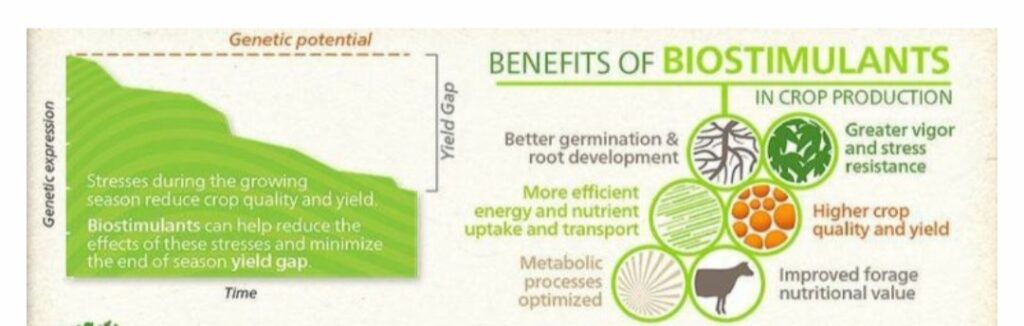
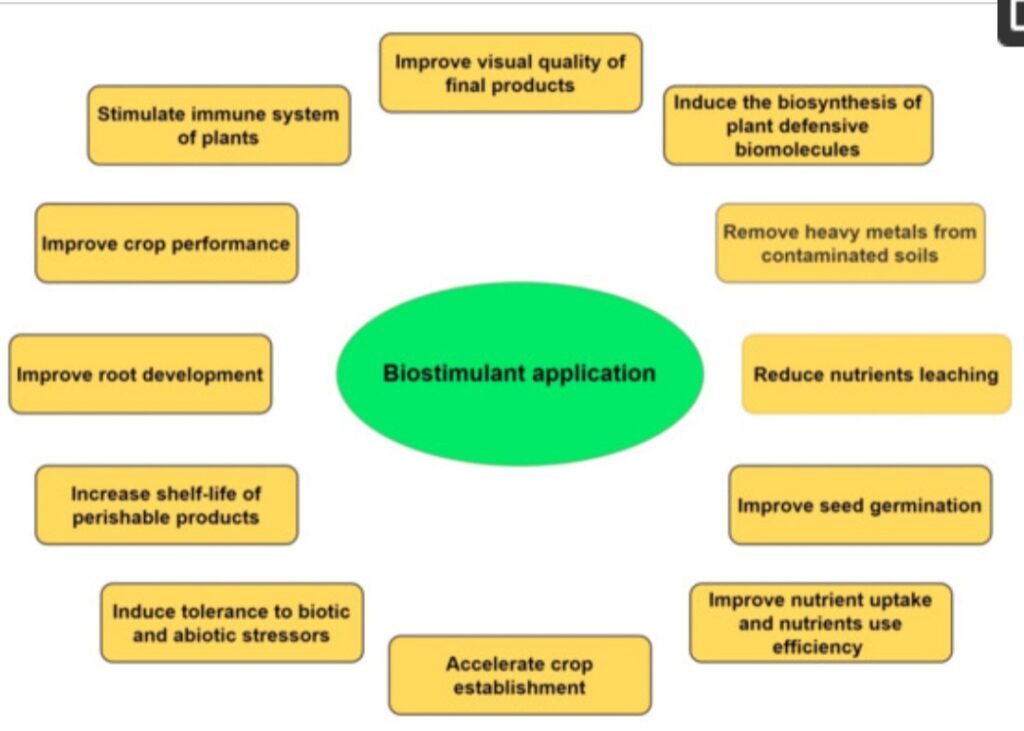
Today, many types of biostimulants are used in crop production, and each has different benefits. Common biostimulant effects and benefits on plants include:
1. Generally, biostimulants boost a plant’s vigour
2. It makes crop more tolerant to abiotic and biotic stress and recovery.
3. Biostimulants have a direct mode of action against weeds, diseases, or insects. They are bioherbicides, biofungicides, and bioinsecticides.
4. They improve yield potential and crop quality
5. They can optimize root growth
6. They enhance nutrient uptake
7. Biostimulants may work synergistically with other crop inputs, including fertilizers and pesticides, to improve productivity or increase crop safety.
8. Adding biostimulants to a crop nutrition program may also help fertilizers work harder to improve the return on investment potential of the fertility program.
9. They improve plant water and nutrient uptake, as well as translocation.
10. They can make roots to be more robust in structure and growth
11. Their application makes plants to be diseased tolerant
12. Improved plant metabolism for enhanced yield and crop quality
13. Biostimulants can be used to enhance the effects of chemical inputs, such as beneficial rhizosphere microbiomes including plant growth-promoting rhizobacteria and favorable fungi .
14. Microbial biostimulants can enhance physiological and biochemical processes that improve the absorption of nutrients, increase nutrient utilization, enhance the quality of crops, and boost plant output. Other benefits will be discussed below
CATEGORIES OF BIOSTIMULANTS
Biostimulants can be categorized into two. The natural or synthetic biostimulants.
These two categories are substances that can be applied to seeds, plants, and soil. These substances cause changes in vital and structural processes in order to influence plant growth through improved tolerance to abiotic stresses and increase seed and/or grain yield and quality.
a. SYNTHETIC BIOSTIMULANTS
Synthetic biostimulants are man-made compounds that, when applied to plants, enhance growth, development, and stress tolerance by influencing natural plant processes. They are laboratory-created versions of naturally occurring substances that can trigger positive changes in plant physiology. They are not plant nutrients or pesticides, but rather substances that promote plant health and vigour.
MODE OF ACTION OF SYNTHETIC BIOSTIMULANTS
Synthetic biostimulants work by stimulating a plant’s natural processes, such as nutrient uptake, stress tolerance, and root growth.
PROPERTIES OF BIOSTIMULANTS
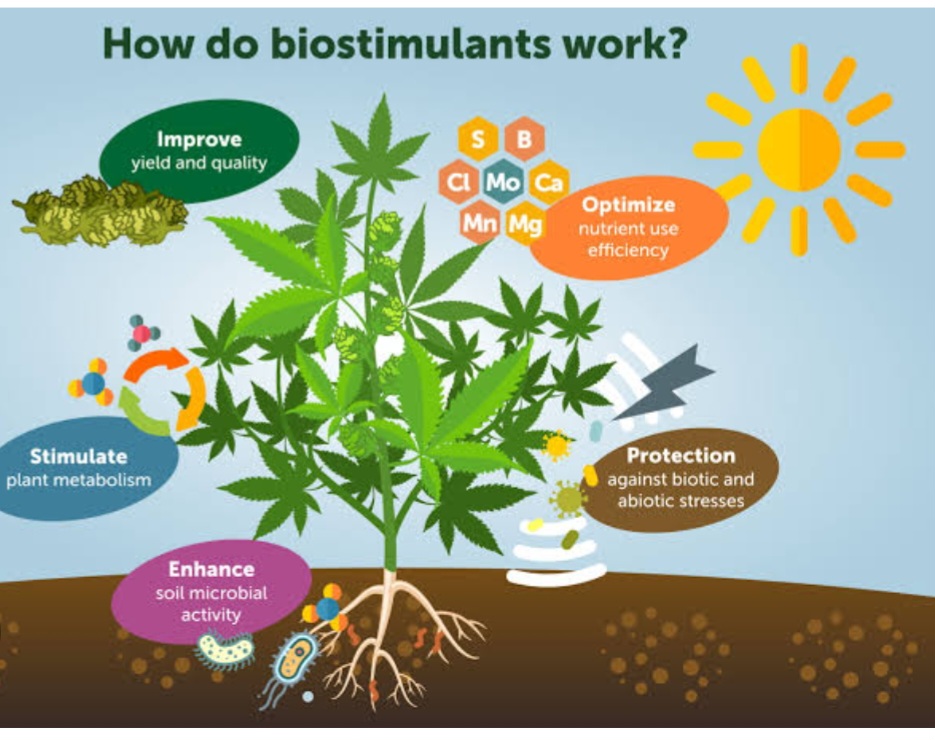
Biostimulants enhance plant growth, development, and stress tolerance. They are not agrochemicals like fertilizers and pesticides but rather work by stimulating natural processes than providing nutrients and destroying pests directly. They can improve nutrient uptake, enhance stress tolerance (like drought or salinity), and promote root development.
Some of their properties are as follows
PROPERTIES OF BIOSTIMULANTS
1. ENHANCED NUTRIENT USE EFFICIENCY: Biostimulants can improve the way plants absorb and utilize nutrients from the soil, but they themselves do not supply nutrients to the soil. Thus, leading to better growth, yield and productivity.
2. STRESS TOLERANCE: They can help plants cope with various abiotic stresses, such as drought, salinity, extreme temperatures, and heavy metal toxicity, by stimulating the production of protective compounds and enhancing metabolic processes.
3. ROOT DEVELOPMENT: Many biostimulants release substances that promote root growth and enlargement, which is crucial for nutrient and water uptake, as well as soil health.
4. HORMONAL EFFECTS: Some biostimulants contain plant hormones or compounds that influence plant hormone balance, impacting growth and development.
5. MICROBIAL INTERACTIONS: Biostimulants can also interact with soil microbes whether synagistically or not. Thus, enhancing beneficial microbial activity and nutrient cycling.
6. NOT FERTILIZERS OR PESTICIDES: Biostimulants differs from fertilizers and pesticides. Fertilizers supply nutrients while pesticides control pests and diseases. Biostimulants only improve the way plants absorb and utilize nutrients.
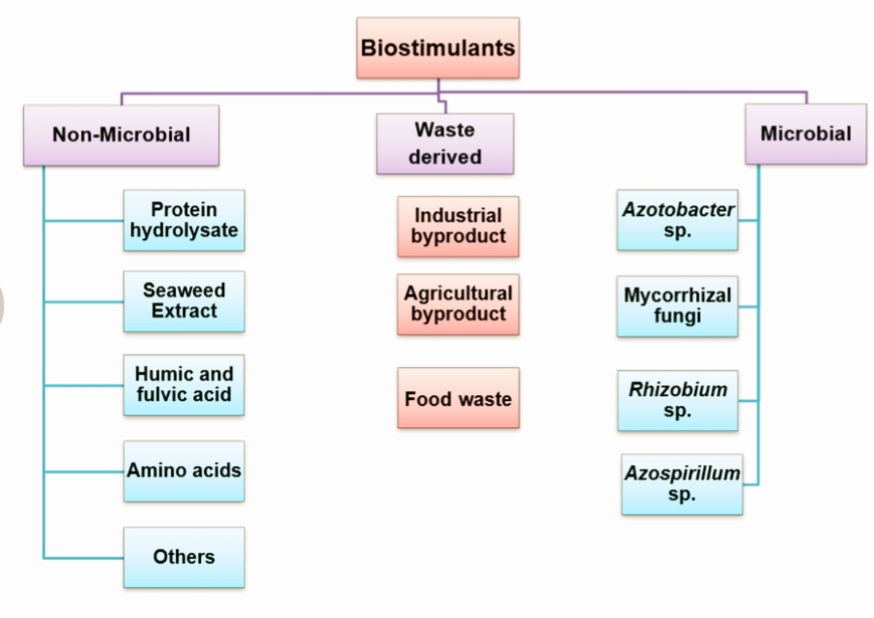
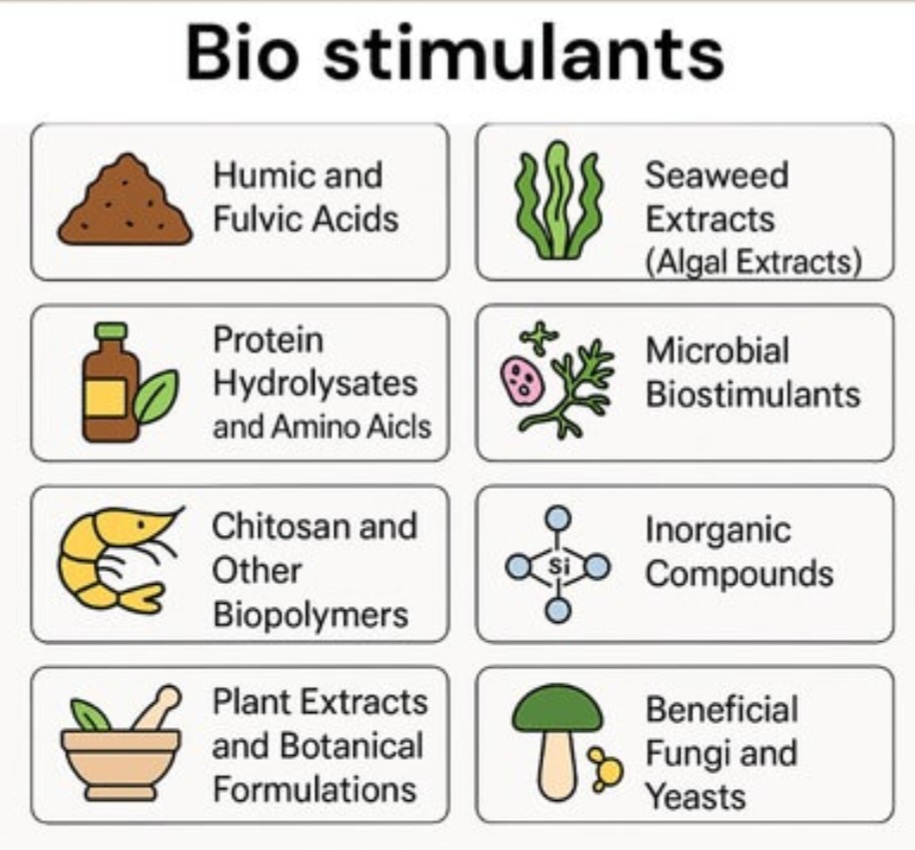
7. DIVERSE COMPOSITION: Biostimulants can be derived from various sources, including seaweed extracts, humic and fulvic acids, microbial derivatives, and plant extracts. These various sources from which they are produced bring about differences in their working mechanisms.
8. APPLICATIONS: They are used in various agricultural settings, including organic farming and conventional agriculture, to improve crop performance and promote sustainable food production. They can be applied as seed treatment or coating, foliar and application to the rhizosphere.
BENEFITS OF SYNTHETIC BIOSTIMULANTS
1. Improved crop yield and quality:
2. By enhancing plant growth and development, this can lead to increased yields and better quality produce.
3. Enhance stress tolerance:
They can help plants withstand various environmental stresses, including drought, salinity, and extreme temperatures.
4. Increased nutrient uptake:
They can improve the efficiency of nutrient absorption from the soil.
5. Reduced reliance on synthetic inputs:
They have ability to boost plant health, thus, resulting in reduction in the use of synthetic fertilizers and pesticides.
Examples of synthetic biostimulants include substances like salicylic acid, amino acids, humic acids, and seaweed extracts.
i. SALICYLIC ACID:
Can be used to enhance plant resistance to pathogens and improve fruit quality.
ii. AMINO ACIDS:
Can be involved in various metabolic pathways, including protein synthesis, and can be used to enhance plant growth and stress tolerance.
iii. HUMIC AND FULVIC ACIDS:
Can improve soil structure, nutrient availability, and water retention .
iv. SEAWEED EXTRACTS:
Can contain various bioactive compounds that can promote plant growth, improve stress tolerance, and enhance nutrient uptake.
NATURAL BIOSTIMULANTS
Natural biostimulants are organic substances that enhance plant growth and development by stimulating natural physiological processes. They improve nutrient uptake, stress tolerance, and overall plant health, leading to increased crop yield and quality.
They reduce reliance on agro-chemicals. Natural biostimulants can play an important role in this regard by increasing production at a relatively low cost sustainably. Natural biostimulant feedstocks include leaf, root or seed extracts, either individually or in combination with others. Their positive effect is more pronounced in horticultural production due to the plant growth-enhancing bioactive compounds such as phytohormones, amino acids, and nutrients. For example, moringa leaf extracts in particular have been shown to improve seed germination, plant growth and yield, nutrient use efficiency, crop and product quality traits (pre- and post-harvest), as well as tolerance to abiotic stresses. The use of plant-derived biostimulants such as moringa leaf extracts may be an option to reduce quantities needed and thus contribute in achieving global food security sustainably.
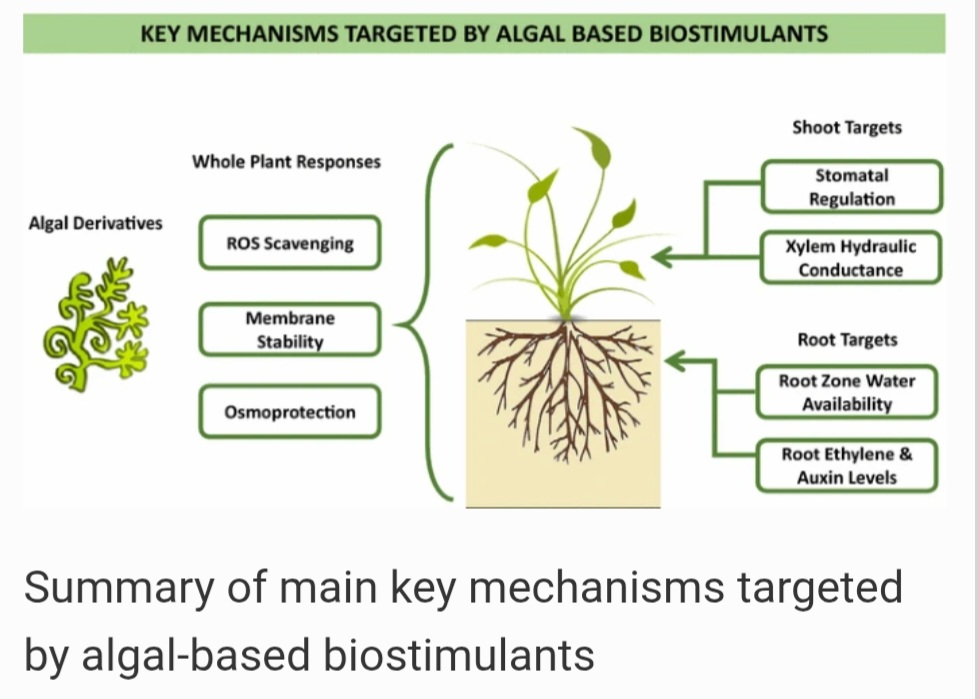
Sources of plant based biostimulants include: seaweed extracts, humic substances, amino acids, and microorganisms.
BENEFITS OF NATURAL BIOSTIMULANTS
i. IMPROVE NUTRIENT USE EFFICIENCY :
Natural biostimulants help plants absorb and utilize nutrients more effectively, reducing the need for synthetic fertilizers.
ii. ENHANCE STRESS TOLERANCE:
They increase plant resilience to environmental stressors like drought, salinity, and extreme temperatures.
iii. PROMOTION OF PLANT GROWTH:
Natural biostimulants stimulate various plant processes, leading to better root development, flowering, and overall growth.
iv. SUSTAINABLE AGRICULTURE:
By reducing reliance on synthetic inputs, natural biostimulants contribute to more environmentally friendly and sustainable agricultural practices.
v. DIVERSE SOURCE:
They can be derived from seaweed extracts, humic and fulvic acids, amino acids, protein hydrolysates, and even beneficial microorganisms like bacteria and fungi.
Examples of natural Biostimulants include; Seaweed extracts, humic and fulvic acids,
Amino acids and peptides ( Aid in protein synthesis and hormonal regulation), microbial biostimulants, wood distillate (wood vinegar)- A byproduct of biomass pyrolysis with biostimulant properties and
chitosan ( A natural biopolymer)
MECHANISM OF ACTION
Biostimulants enhance plant growth and development by stimulating various physiological processes, such as cell division, flowering, and fruit set, and improve stress tolerance by activating plant defense mechanisms.
Examples of biostimulants include;
Products containing gibberellins, auxins, or cytokinins (plant hormones), or substances that enhance nutrient use efficiency.
Examples of plant based biostimulants that are based on PGPR and beneficial fungi include; FZB24 fl, Rhizovital 42, Inomix biostimulant, Inomix phosphore, and Inomix biofertilisant. Biostimulants can be hormone-based or protein-based.
CHARACTERISTICS OF BIOSTIMULANTS
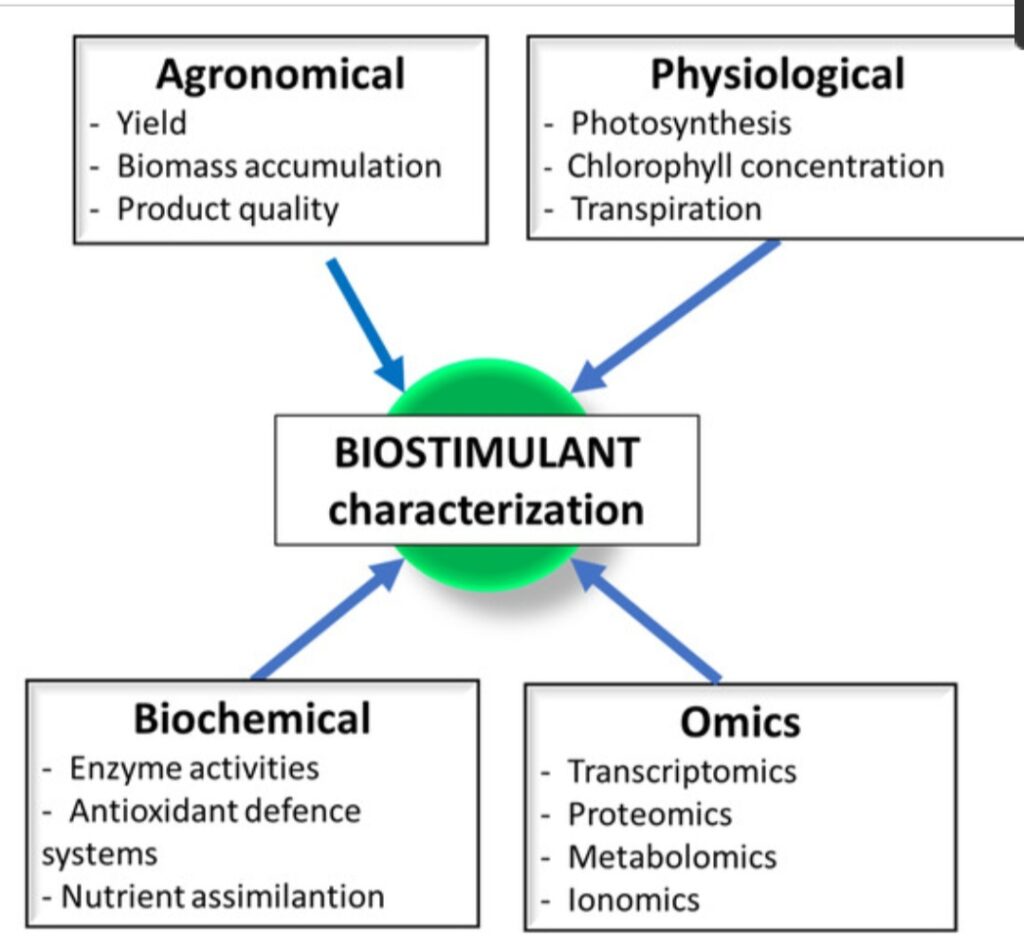
Characteristics of produce realised from the use of biostimulants include: sugar content, colour, fruit seeding, etc. Characteristics of biostimulants that result in the characteristics of produce stated above include: their natural or artificially produced origin, diverse composition, and ability to enhance plant performance.
1. NATURAL OR ARTIFICIAL PRODUCE
Biostimulants can be derived from natural or artificial sources. The natural sources include: seaweed extracts, humic and fulvic acids, and microbial inoculants. The artificial sources are produced through processes like chemical or biological synthesis, creating substances like specific amino acids or peptides.
2. DIVERSE COMPOSITION
Biostimulants contain a wide array of components, including; microorganisms such as plant growth-promoting rhizobacteria (PGPR) and fungi, plant and algae extracts (These extracts can be from various plants and algae, like seaweed extracts), amino acids and peptides (which are building blocks of proteins that can influence plant metabolism), humic and fulvic acids (which are organic compounds derived from decomposed organism matter) etc. These biostimulants improve soil structure and nutrient availability.
In addition, plant hormones, another biostimulant can be natural or synthetic hormones, assist in regulating growth and development. And lastly, minerals and salts. Not all salts have biostimulant effects.
All these determine the characteristics of biostimulants.
3. MODE OF ACTION:
The mode of action of each biostimulant differs from one another. Thus, resulting in differing characteristics of the different biostimulants. For example, some biostimulants enhance nutrient uptake and utilization. They improve the efficiency of nutrient absorption and utilization by the plant. Some build the plant to be stress tolerant. They increase the plant’s resistance to various abiotic stresses like drought, salinity, and extreme temperatures.
Some bacterial biostimulants assist in plant root development. They stimulate root growth, leading to better anchorage and increased access to water and nutrients. And lastly, some biostimulants are hormone regulators. They can influence plant hormone balance, impacting growth and development.
4. PHYSIOLOGICAL AND BIOCHEMICAL EFFECTS
This is another characteristics of biostimulant. Biostimulants can induce changes in plant physiology and biochemistry, such as increased antioxidant activity. They are also complementary to the effects of fertilizers.
Note, biostimulants are not fertilizers in the traditional sense (meaning they do not directly supply nutrients). They only work by enhancing the plant’s natural processes to make better use of existing nutrients and tolerate stress, rather than directly providing them. They are often used in combination with fertilizers to optimize plant growth and health.
5. ROLE IN SUSTAINABLE AGRICULTURE:
Biostimulants can reduce the need for synthetic fertilizers and pesticides. These two agrochemicals causes environmental pollution and pests may develop resistance to the use of these chemicals on the long run. Thus. biostimulants promote more sustainable agricultural practices.
By improving plant health and stress tolerance, they can contribute to increased yields and better crop quality.
TYPES OF BIOSTIMULANTS
There are many biostimulant classes and formulations that may stimulate various plant responses. A specific product’s efficacy may be affected by its raw ingredients and how it is manufactured, stored, and applied.
The following are the most common biostimulants used in agricultural production.
A. HUMIC AND FULVIC ACIDS
Both humic and fulvic acids are components that form humified organic matter. They are the largest segment of the biostimulant market. They are organic acids that occur naturally in soil, resulting from the decomposition of plant, animal, and microbial residues. These acids can also come from soil microbe activity. Humic acids may be derived from non-renewable (mineral deposits like leonardite and soft coal) or renewable (compost or vermicompost) sources.
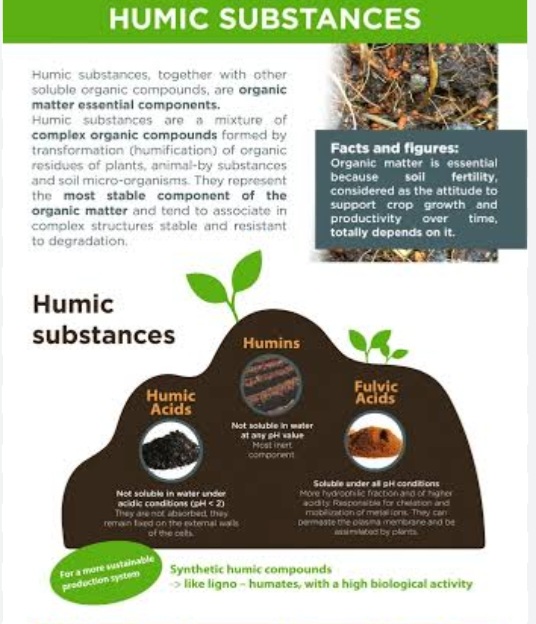
These humic substances can interact with metal ions, oxides, hydroxide, minerals and organic compounds including toxic pollutants, to form water soluble and water insoluble complexes.
Through the formation of these complexes, humic substances can dissolve, mobilize and transport metals and organics in soils and water or accumulate in certain soil horizons. This influences nutrient availability, especially those nutrients present at microconcentrations only. Accumulation of such complexes can contribute to a reduction of toxicity. e.g of aluminum in acid soils,
Fulvic acids and humic acids are the fraction of humus that are soluble in water. fulvic acids is soluble at all pH conditions. They are light yellow to yellowish brown in colour. While humic acids is soluble in more acidic conditions of pH less than 2. They are dark brown to black in colour and larger in molecules than fluvic acids.
Both can be differentiated from one another based on their water solubility.
BENEFITS OF HUMIC ACIDS IN AGRICULTURAL PRODUCTION
Fulvic acids are usually found in forest soils while humic acids are usually found in agricultural or Arable farm soils. Their benefits include:
1. Improving soil physiochemical properties
2. Increasing root nutrient uptake
3. Expanding lateral root development
4. Humic and fulvic substances enhances plant growth directly through physiological and nutritional effects.
5. They function as natural plant hormones ( auxine and gibberellins).
6. They can improve seed germination, root initiation, uptake of plant nutrients and can serve as a source of nitrogen, phosphorus and Sulphur.
7. They can enhance soil water holding capacity and CEC.
B. SEAWEED EXTRACTS AND BOTANICALS
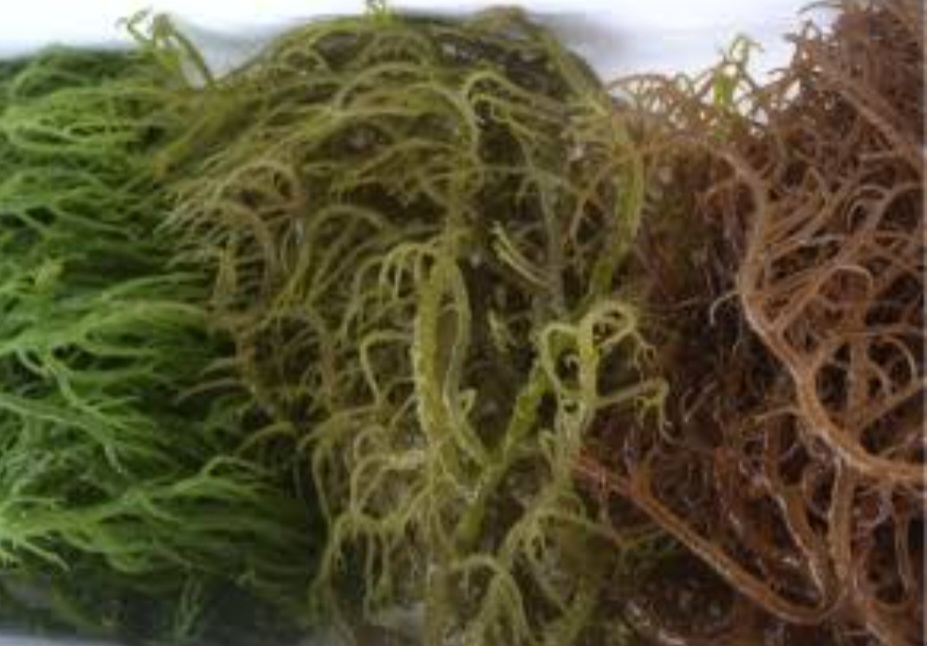
Seaweed extracts are another popular biostimulant class with a long history in agriculture. They promote growth and defense responses to plants. Farmers have used seaweed extracts to fertilize the soil and improve its structure for hundreds of years. However, the biostimulant effects of seaweed extracts are a relatively new development.
Brown seaweeds in the class macroalgae is used as a biomass source to produce seaweed extracts. The species of the genera Ascophyllum, Fucus, and Laminari, are the most commonly used seaweeds in agricultural production. For example, Ascophyllum nodosum is a specie mostly used as raw material to produce organic biostimulants in agriculture.
Different extraction processes are used to produce most seaweed biostimulant products and can affect overall product efficacy. One of these processeses of production is the soft extraction methods. It involves the use of low temperature and pressure and utilizes both physical and chemical techniques for the extraction process. The extracts are usually packaged as a soluble powder or liquid formulation. In the packaging are also included beneficial polysaccharides.
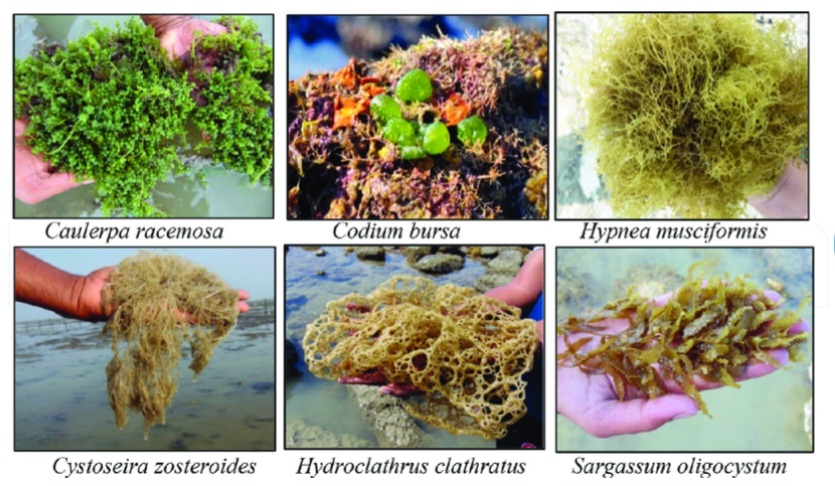
These polysaccharides account for 30-40% of the dry weight of the seaweed extracts and are known to elicit plant defense responses against bacterial and fungal pathogens. In addition to this, several bioactive compounds, such as polyphenols, polysaccharides, lipids, and amino acids, macro- and micronutrients and plant phytohormones are also included in the package. All these gives the biostimulant a positive response when applied.
One of the positive effects of applying seaweed extract in agriculture include:
In the nursery phase, where seedlings are raised from seeds, the main management practices carried out include; supply of organic or chemical fertilizer, according to the requirements of the seedlings, to supply adequate nutrition combined with an adequate supply of water, avoiding both an excess and a lack thereof to ensure the healthy development of the seedlings. But through researches, incorporation of seaweed extract has proven efficient in the development, nutrition, and quality of some seedlings. At this stage, foliar application of these biostimulant is of best practice. And slight irrigation is required.
OTHER BENEFITS OF SEAWEED EXTRACTS
1. Improved plant growth and development from phenolic-rich compounds
2. mproved nutrient uptake and utilization
3. Soil conditioning and metal-chelating properties
4. Increased water retention capacity in plants
5. Improve the yield in different growing conditions.
6. They induce stress tolerance, and increasing nutrient absorption.
These benefits makes them important for sustainable agricultural management. Other plant extracts are increasingly being studied and used for their biostimulant effects.
C. BENEFICIAL BACTERIA
Beneficial bacteria, particularly plant growth-promoting rhizobacteria (PGPR), are increasingly recognized as biostimulants, offering a sustainable approach to enhance plant growth and resilience. Some of these Plant-growth-promoting bacterias (PGPBs) include; free-living bacteria that inhabit a plant’s root zone, bacteria that colonize the root surface, and bacteria that live within plant roots. Examples include;
Bacillus, Rhizobium, Pseudomonas, Azospirillum, and Azotobacter bacteria. Beneficial bacteria may be inoculated on the seed or applied directly to the soil.
ACTIVITIES/EFFECTS OF BENEFICIAL BACTERIA AS BIOSTIMULANTS
a. DIRECT EFFECT:
i. NUTRIENT ACQUISITION: Biostimulants primarily enhance a plant’s ability to absorb and utilize nutrients rather than directly providing them. Biostimulants can improve nutrient uptake by influencing plant physiology, soil health, and microbial activity. Some beneficial bacteria, like phosphate-solubilizing bacteria (PSB), convert unavailable forms of phosphorus into plant-available forms, increasing phosphorus uptake.
ii. HORMONAL PRODUCTION:
Bacterial biostimulants enhance plant hormonal production through various mechanisms, thus, promoting plant growth and development. Bacteria like Plant Growth-Promoting Rhizobacteria (PGPR), can synthesize and release phytohormones like auxins (e.g., IAA), cytokinins, and gibberellins, which are crucial for root growth and shoot development, cell division, and other plant processes, leading to better nutrient and water absorption. Additionally, they can influence the plant’s own hormonal balance and improve nutrient uptake, contributing to overall plant health and stress resilience.
iii. STRESS TOLERANCE: Certain bacteria can produce siderophores (iron-chelating compounds) that help plants acquire iron, and some can also produce ACC deaminase, which reduces the harmful effects of ethylene, a stress hormone.
b. INDIRECT EFFECTS
i. COMPETITION WITH PATHOGENS:
Beneficial bacteria can compete with pathogens indirectly. As biostimulant, they influence plant health and defense mechanisms. They can compete for resources like nutrients and space, reduce pathogen populations and indirectly enhance plant growth and resistance. PGPR for example, can compete with plant pathogens for resources in the rhizosphere, reducing the incidence of diseases. This competitive advantage can also trigger induced systemic resistance (ISR) in plants, making them more resilient to future pathogen attacks.
ii. INDUCED SYSTEMIC RESISTANCE:
Induced Systemic Resistance (ISR) in plants, triggered by beneficial microbes, indirectly enhances plant health and growth, acting as a biostimulant. This indirect effect is achieved by the microbes stimulating plant growth, increasing nutrient uptake, and promoting tolerance to both biotic and abiotic stresses.
They can trigger the plant’s natural defense mechanisms, making it more resistant to both biotic (e.g. diseases, pests) and abiotic (e.g. drought, salinity) stresses.
iii. IMPROVED SOIL HEALTH:
Biostimulants enhance plant growth and stress tolerance, but their effectiveness is significantly influenced by the underlying soil health. Healthy soil provides better nutrient availability, improved water retention, promoting root growth and nutrient cycling. Thus, making beneficial bacteria a contributor to overall soil health and fertility. These fertile soils support more diverse and active microbial community, all of which contribute to the success of biostimulant applications
Examples of Beneficial Bacteria Used as Biostimulants:
i. Bacillus: They are known for promoting plant growth, producing enzymes, and protecting against pathogens.
ii. Pseudomonas: They are known for their ability to solubilize phosphate, produce siderophores, and promote plant growth.
iii. Azotobacter: A free-living nitrogen-fixing bacterium that can be a valuable biofertilizer.
iv. Azospirillum: A nitrogen-fixing bacterium that promotes root growth and nutrient uptake.
v. Rhizobium: A bacterium that forms symbiotic relationships with legumes, fixing nitrogen in root nodules.
APPLICATIONS OF BENEFICIAL BACTERIA
i. Beneficial bacteria are used as biofertilizers to enhance nutrient availability and uptake.
ii. They have biostimulant properties. Thus, promoting plant growth and resilience.
iii. Microbial biostimulants offer a sustainable alternative to synthetic fertilizers and pesticides, thus, contributing to climate-smart agriculture practices.
iv. They are used in laboratory studies. In this studies, under field trials, microbial biostimulants, are used to validate efficacy under real-world conditions.
v. Research is ongoing to develop targeted microbial biostimulants that can be effectively used in different crops and under various environmental conditions.
OTHER BENEFITS OF PGPBs.
1. Improved water and nutrient uptake
2. Increased nutrient use efficiency
3. Plant hormone stimulation and regulation
4. Resistance to insects and non-beneficial bacterial pathogens
5. Bacterias like rhizobacteria have the ability to fix nitrogen into the soil.
6. They increase stress tolerance, and boost overall plant health and productivity.
While the modes of action and benefits of PGPBs are well understood and documented, they can be challenging to work with because they are living organisms sensitive to handling and extreme temperatures. PGPB biostimulants may not mix well with other crop protection products and often have limited shelf lives.
E. BENEFICIAL FUNGI
Beneficial fungi, particularly arbuscular mycorrhizal fungi (AMF), are increasingly recognized as valuable plant biostimulants. This mycorrhizal fungi are vital to soil health and crop production. They live symbiotically with plant roots to increase root mass, nutrient and water uptake. They also improve stress tolerance, and promote overall plant health and growth.
Specific Examples:
i. Arbuscular Mycorrhizal Fungi (AMF):
Form symbiotic relationships with a wide range of plants, improving nutrient and water uptake, and enhancing stress tolerance.
ii. Ericoid Mycorrhizal Fungi (ErM):
Form symbiotic relationships with plants in the Ericaceae family, like blueberry and cranberry, aiding in nutrient uptake in acidic soils.
iii. Trichoderma spp.:
Can act as biocontrol agents, protecting plants from pathogens and pests, and also promoting plant growth.
BENEFITS OF AMF
1. PROMOTION OF PLANT GROWTH:
By improving nutrient and water availability, and enhancing stress tolerance, AMF contribute to overall plant growth and development.
Inoculation with AMF has been shown to increase leaf area, biomass, and yield in various crops, including tomato and basil.
2. ENHANCE NUTRIENT AND WATER UPTAKE:
AMF extend the reach of plant roots through their hyphae, accessing nutrients and water that would otherwise be unavailable. This can lead to increased uptake of phosphorus, nitrogen, and other essential minerals, improving plant nutrition and growth.
AMF can also improve water uptake, making plants more resilient to drought conditions.
3. INCREASE STRESS TOLERANCE:
AMF can help plants withstand various abiotic stresses like salinity, drought, and heavy metal toxicity.
They achieve this by altering plant metabolism, improving root architecture, and enhancing antioxidant activity.
For example, AMF inoculation has been shown to protect Ocimum basilicum (basil) against salinity stress.
4. BIOCONTROL AGENT:
Some beneficial fungi, like certain Trichoderma spp., can act as biocontrol agents, protecting plants from pathogens and pests. They can suppress the growth of harmful fungi and bacteria, reducing the need for chemical pesticides.
5. SUSTAINABLE AGRICULTURE:
AMF offer a sustainable and environmentally friendly alternative to chemical fertilizers and pesticides.
Their use can reduce the reliance on synthetic inputs, minimizing environmental impact and promoting more sustainable agricultural practices.
Other benefits of symbiotic fungi products include:
i. Increased drought stress tolerance
ii. Improved phosphorus uptake in phosphorus-deficient soils
iii. Beneficial antifungal properties against plant fungal diseases
F. CHITOSAN AND OTHER BIOPOLYMERS
Chitosans, a natural polysaccharide, are derived from a naturally occurring biological building block, chitin and chitosans, sourced from crustaceans and fungi. It support fungal cell walls and the exoskeletons of insects. Chitosans can induce plant-defense responses, making plants more tolerant to abiotic and biotic stresses. It also enhance plant growth, development, and stress tolerance. Although these products’ exact modes of action have yet to be fully understood, more research is being done to support further product development.
ROLE OF CHITOSAN AS A BIOSTIMULANT:
i. GROWTH PROMOTION:
Chitosan plays a multifaceted role in promoting plant growth and health. As a biostimulant, it enhances plant defense mechanisms, improve nutrient uptake, stimulating various plant responses, including root development, enhances plant growth and increase tolerance to various stresses. Additionally, chitosan can be used as a biopesticide, inhibiting the growth of plant pathogens and reducing the need for synthetic chemicals.
ii. STRESS TOLERANCE:
Chitosan is a natural biopolymer that enhances plant stress tolerance by modulating various physiological and molecular responses. It helps plants withstand abiotic stresses like drought, salinity, extreme temperatures and heavy metal toxicity, as well as biotic stresses like diseases. It also improving resistance to pathogens. Chitosan achieves this by activating antioxidant enzymes, enhancing photosynthesis, and influencing gene expression related to stress response.
iii. DEFENCE MECHANISM:
Chitosan, has the capacity to trigger plant’s immune system and enhance its resistance to pathogens and abiotic stresses. It achieves this through various pathways, including inducing the production of protective compounds, strengthening cell walls, and stimulating signaling pathways that activate defense genes.
iv. SEED GERMINATION AND and POST-HARVEST TREATMENT:
Chitosan also assist in seed germination and post-harvest treatment. It enhances seed germination and seedling growth by forming a protective barrier around the seed ( called seed coating) to protect the seeds against pathogens and regulate water uptake. In the case of post-harvest applications, chitosan acts as an antimicrobial and film-forming agent, extending shelf life of the harvested crops. This is achieved by reducing water loss, gas exchange, and microbial growth.
OTHER BIOPOLYMERS AND THEIR APPLICATIONS
i. ALIGINATE:
Often used in combination with chitosan, alginate can form hydrogels for controlled release of biostimulants and other beneficial compounds.
ii. OTHER POLYSACCHARIDES:
Various other polysaccharides, such as those derived from seaweed, are also being explored for their biostimulant properties.
BENEFITS OF CHITOSANS
The benefits of chitosans and similar biopolymers include:
1. Antibacterial, antifungal, and antiviral properties
2. Soil amendment
3. It possesses characteristics to reduce Fusarium wilt and other soilborne pathogen populations
4. Improve crop yield, quality, and resistance to various environmental stressors.
5. Biopolymers like chitosan can activate plant signaling pathways, leading to the expression of genes involved in growth, defense, and stress responses.
6. They can also influence soil properties
7. They improve nutrient availability,
8. They enhance the plant’s ability to absorb water and nutrients.
Chitosan efficacy can vary greatly depending on how and when it is applied and the quality of raw materials and manufacturing processes.
G. INORGANIC COMPOUNDS
Inorganic compounds include minerals such as silica, selenium, cobalt, and others, which promote plant growth, the quality of plant products, and abiotic stress tolerance. They achieve these by influencing nutrient uptake, photosynthesis, and other physiological processes. These compounds, such as silicon, selenium, and cobalt, are not considered nutrients in the traditional sense but can significantly impact plant performance.
Examples of Inorganic biostimulants include
i. Silicon (Si):
Increases plant resistance to diseases, enhances photosynthesis, improves water and nutrient translocation, and helps immobilize toxic metals in the plant.
ii. Selenium (Se):
May increase plant tolerance to abiotic stresses like drought and salinity.
iii. Cobalt (Co):
Can stimulate root growth and improve nutrient uptake, particularly nitrogen.
Other Beneficial Elements include; Aluminum (Al) and sodium (Na). They can also have biostimulant effects, especially under specific environmental conditions.
These inorganic biostimulants can improve plant performance through various mechanisms:
i. ENHANCE NUTRIENT UPTAKE:
They can influence the availability and uptake of essential nutrients by the plant.
ii. STRESS TOLERANCE:
They can help plants cope with abiotic stresses like drought, salinity, and extreme temperatures.
iii. INCREASE PHOTOSYNTHESIS:
Silicon, for example, can improve the efficiency of photosynthesis.
iv. STRENGHTENING CELL WALL:
Silicon deposits can strengthen cell walls, making plants more resistant to pathogens and pests.
Silicon is a special inorganic compound and some of its specific benefits of include:
i. Increased plant resistance to diseases
ii. Increased photosynthesis efficiency
iii. Improved water and nutrient translocation
iv. Immobilization of toxic metals in the soil and plant tissues
v. Delayed plant senescence
H. PROTEIN HYDROLYSATES:
Protein hydrolysates are amino-acid and peptide mixtures obtained by chemical and enzymatic protein hydrolysis from both plant sources and animal wastes. Crop residues and by-products and animal industrial by-products, including leather, collagen and epithelial tissues, are typical sources.
The plant-based peptides, particularly, are the most interesting of the biostimulants due to their multifunctional activity. Protein hydrolysates are known to affect plant hormonal activities and metabolism.
BENEFITS OF PROTEIN HYDROLYSATES
i. Increased soil fertility
ii. Improved soil microbial activity
iii. Chelating properties to protect against heavy-metal soils
iv. Increased micronutrient uptake and translocation
CONSIDERATION IN SELECTING BIOSTIMULANT TO APPLY ON FARM
In choosing the right biostimulant product, many options must be put to consideration. Such considerable options include:
1. DEFINITION OF GOALS: The first step in making a decision about the type of biostimulants to choose is to define ones goal. For example; is the product to be selected is to enhance root mass or improve soil fertility, is it to control pest and diseases or to control weeds etc. This specific goal will help to narrow down ones options.
2. PRODUCTION PRACTICES: Next, consider your current production practices. What equipment and labor resources do you have? Are there product formulations that work better with your current production practices? For example, some PGPR formulations are manufactured to have a longer shelf life than most products. Paying more for those formulations will buy you more flexibility and peace of mind that products will still work even if your plans are delayed.
Because biostimulants are relatively new, metrics and data are necessary to sort out the reliable technologies from the gimmicks. Biostimulants are lightly regulated. Merchants make many product claims, and all sorts of concoctions are purported to be biostimulants. Ask questions and ensure you receive a scientific explanation and validated data to support product efficacy in your fields.
APPLICATION OF BIOSTIMULANTS
The application timing of a biostimulant will depend on several factors, including:
a. Product class
b. Formulation
c. Agronomic objective
d. Environmental conditions
e. Crop type
For example,
A. microbial biostimulants:
I. PGPBs and fungi microbial biostimulants: They are often applied as seed inoculants or directly to the soil at planting to stimulate strong early-season plant growth.
ii. Other biostimulants are formulated to work synergistically with fertilizer applications and will be most effective when incorporated into soil fertility program.
B. Non-microbial biostimulants may be applied repeatedly throughout the season using any of these approaches:
i. Calendar application : Preferable when the crop experiences sub-optimal conditions for most of the growing cycle. This strategy is most common in high-value crops in greenhouse growing environments.
ii. Growth stage application : Multiple biostimulant applications at key growth stages (germination, flowering, grain production) may be more profitable in commodity crops.
iii. Environmental stimulus application – For stress mitigation, biostimulants may be applied several days before the stress event (for example, extreme temperatures) for extra protection and after the event to hasten plant recovery.
APPLICATION METHODS
Biostimulants can be administered to plants by seed, foliar, or rhizosphere treatment. With this, they can be categorized as formulations of microorganisms or microbial consortia.
DIFFERENT BIOSTIMULANT TECHNIQUES FOR ENHANCING PLANT DEVELOPMENT
1. PLANT GROWTH-PROMOTING RHIZOBACTERIA (PGPR): These are a diverse collection of bacteria that live inside plants and can enhance plant growth and yield by producing phytohormones, antioxidants, osmolytes, volatile compounds, exopolysaccharides, and 1-aminocyclopropane-1-carboxylate deaminase.
2. ARBUSCULAR MYCORRHIZAL FUNGI (AMF): These are bio-factors that enhance plant development, enrich nutrients, and aid in phytoremediation. They also protect plants from diseases and increase their resilience to salt, drought, and heavy metal toxicity. The profitability of AMF treatment has been demonstrated in numerous horticultural species, including apple, pepper, citrus, peach, lettuce, strawberry, onions, pineapple, and melon.
3. THE UTILIZATION OF A COMBINATION OF PGPRs (PLANT DEVELOPMENT-PROMOTING RHIZOBACTERIA) AND AMFs (ABUSCULAR MYCORRHIZAL FUNGI): This is a very promising technique for enhancing plant development. This approach capitalizes on the advantages offered by both types of microorganisms and harnesses their combined beneficial effects through synergy. The combined application of plant growth-promoting bacteria (PGPB) and arbuscular mycorrhizal fungus (AMF) was found to have a greater positive impact on both the production and quality of horticultural crops compared to using either PGPB or AMF alone.
Nevertheless, the majority of farmers are yet to investigate the potential of microbial biostimulants. Greater endeavour is required to propose and implement them as an ecologically viable method to enhance crop yield and well-being, making a significant contribution to establishing the 21st century biotechnology era. Microbial biostimulants can also enhance the sustainability of medicinal and aromatic plant culture, for example, basil production, especially in situations where growth is limited.
SOME MICROBIAL AND NON MICROBIAL OR PHYTO BIOSTIMULANTS AND THEIR FUNCTIONS
Other functions of microbial and non microbial biostimulants include;
MICROBIAL BIOSTIMULANTS
A. PLANT GROWTH-PROMOTING RHIZOBACTERIA (PGPR) :
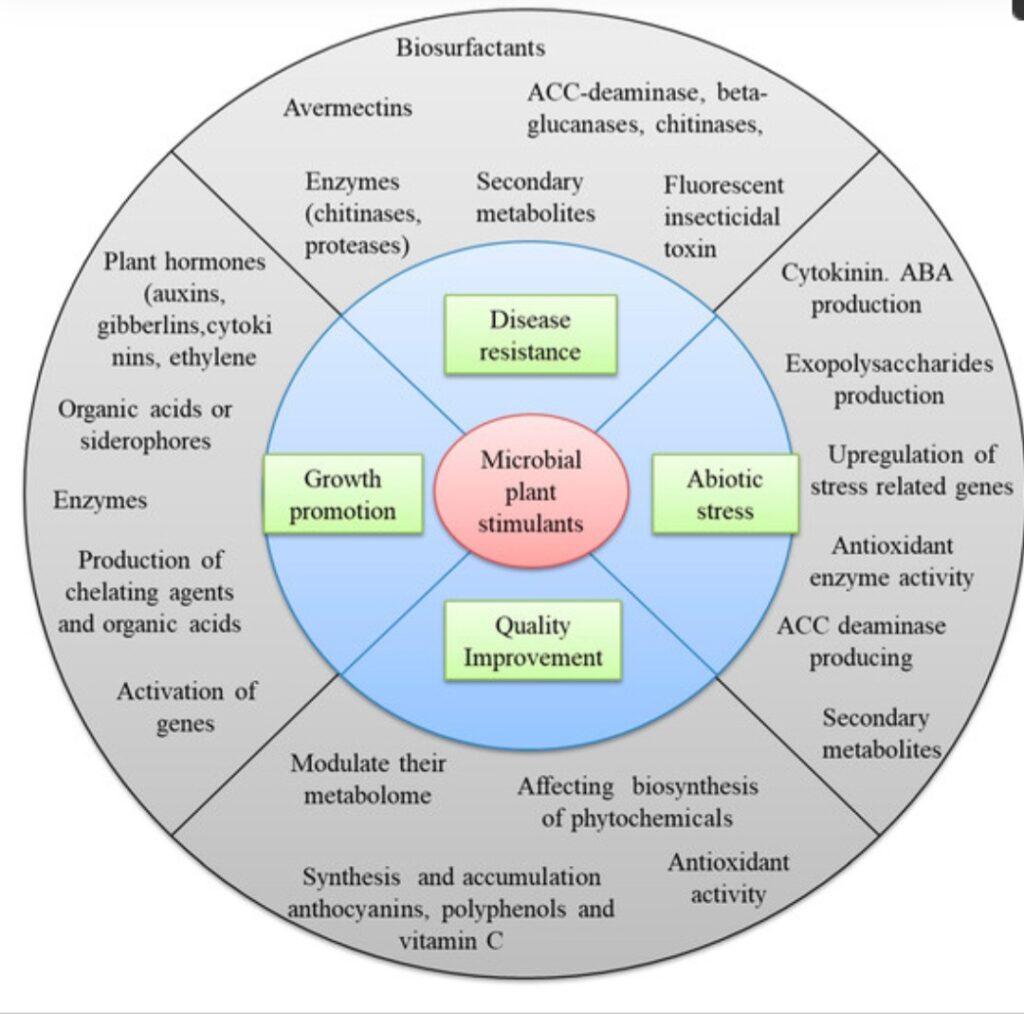
1. Plant growth-promoting rhizobacteria (PGPR) stimulates the production of biosurfactants, chelating factors, avermectins, secondary metabolites, fluorescent insecticidal toxins, beta-glucanases, and chitinases to enhance disease resistance in plants.
2. PGPR can enhance antioxidant activity and stimulate the production of phytochemicals, regulate metabolism, and enhance the quality of crops.
3. Applying PGPR bacteria can enhance the soil with bacterial inoculums that enhance nutrient availability, boost resistance against non-living stressors, and accumulate antioxidant chemicals to alleviate stress by neutralizing oxidative radicals.
4. PGPR biostimulants are essential in regulating phytohormone signaling, antioxidant defense mechanisms, and photosynthetic processes in abiotic stress conditions such as drought, salt, heavy metals, heat, and cold stress. In addition to this, hormonal activities, such as indole-3-acetic acid, govern several changes in the plant.
These changes include cell elongation and division, the growth of new roots, and the creation of hairy roots. For example, when microorganisms are introduced to the soil, they stimulate the synthesis of Indole-3-acetic acid hormone, thus, elevating the formation of fruits in tomato, cucumber, orange, and soybean plants.
5. It has been reported that the concurrent use of biostimulants, such as plant growth-promoting bacteria and freshwater algae, had a substantial impact on the plant weight of romaine and leaf lettuce during summer and spring seasons. The greatest enhancement in the weight of romaine lettuce (18.9%) was recorded during the spring harvest, whereas the use of a biostimulant therapy resulted in a 22.7% increase in weight for the leaf lettuce during the summer harvest.
6. Plant Growth-Promoting Rhizobacteria (PGPRs) are essential for sustainable horticultural crop production. They enhance germination, stimulate growth, and improve the look, nutritional content, and texture of vegetables.
7. The introduction of Cd- and Pb-resistant PGPR (Plant Growth Promoting Rhizobacteria) strains Bacillus sp. QX8 and QX13, isolated from soil polluted with heavy metals, was reported to enhance growth of Solanum nigrum and increased extraction of Pb and Cd from the soil through plants.
8. Inoculating grapevines with PGPR (Bacillus licheniformis, Micrococcus luteus, and Pseudomonas fluorescens) under As(III) stress conditions enhanced antioxidant activity and effectively mitigated the toxic effects of NaAsO2 in vitro grapevine plants. Specifically, the inoculation with M. luteus demonstrated promising potential for bioremediation of As(III) contaminated areas .
9. Co-inoculation of PGPR with various bacterial strains has been reported to provide positive impacts on the growth, yield, and quality characteristics of crops. For example, the introduction of Bacillus amyloliquefaciens during seed germination was reported to yield greatest improvement in seed germination (84.75%) and seedling vigour (1423.8), as well as an increase in the vegetative development parameters of chili (Capsicum annum L.).
B. ARBUSCULAR MYCORRHIZAL FUNGI (AMF):
1. Arbuscular mycorrhizal fungi (AMF) have been discovered to enhance crop biomass following their application, and influencing the complex interaction network of phytohormones and potentially improving nitrogen utilization efficiency through the Glutamine Oxoglutarate Aminotransferase (GS-GOGAT) pathway.
2. AMF inoculation has demonstrated the ability to safeguard Ocimum basilicum plants against the negative effects of salt stress. This is achieved by enhancing the plant’s water usage efficiency, promoting chlorophyll synthesis and mineral absorption, and boosting photosynthetic metrics such as net photosynthesis and stomatal conductance.
3. AMFs exert their effects through the following mechanisms, including; enhanced antioxidant activity, buildup of osmolytes, upregulation of proline biosynthesis, and higher levels of Mg, Ca, and K. These processes contribute to the promotion of chlorophyll production and enzyme activity. 4. AMF inoculation has also been discovered to limit the accumulation and absorption of sodium (Na) through regulating the expression of AKT2, SOS1, and SKOR genes in the roots. This adjustment enables the roots to maintain a balance of potassium (K+) and sodium (Na+), thereby preserving homeostasis.
4. In greenhouse conditions, when lettuce is subjected to water stress, several strains of arbuscular mycorrhizal fungi (AMF) and Trichoderma koningii have been found to enhance the levels of mineral components and phenolic acids.
5. Biostimulant based on microorganisms with two strains of arbuscular mycorrhizal fungi (AMFs) and Trichoderma koningii enhances the quality of plants, independent of the amount of water available.
6. Utilizing AMFs and PGPRs can enhance the absorption of nutrients from the soil, hence enhancing plant growth, improving fruit quality, and increasing overall output. They can also be utilized in circumstances of abiotic stress, where crop growth is hindered or meets substantial constraints.
7. Arbuscular mycorrhizal fungi (AMFs) have been extensively researched in vegetable production as part of sustainable agriculture. They have been found to enhance plant nutrient absorption, promote plant growth and yield, and improve the quality of the final product.
8. AMFs have shown significant potential in suppressing phytopathogens.
9. Recent research studies have examined the impact of arbuscular mycorrhizal fungi (AMF) on enhancing the development of horticultural plants, including fruit trees, vegetables, flower crops, and ornamental plants. These studies have investigated the effects of AMF on stimulating vegetative and reproductive growth, improving yield quality, enhancing stress physiology, and increasing disease resistance. AMF raised the nutrition and water provision for these horticulture plants, resulting in greater output and improved quality.
10. AMF improved the plants’ ability to withstand environmental stress and resist infections.
11. There have been several reports documenting the beneficial impact of applying arbuscular mycorrhizal fungi (AMF) on horticultural crops. An instance of this is mycorrhiza Y-037, which exhibits a strong level of infection and significantly enhances the development of Guizhou blueberry plants.
12. The use of AMF (Arbuscular Mycorrhizal Fungi) and controlled fertilization in a soil with low phosphorus content and moderate mycorrhizal potential can enhance the growth and productivity of tomato plants by optimizing biomass yield and output.
13. AMF can enhance the availability of phosphorus in the rhizosphere and greatly improve nitrogen consumption in onion plants that have been infected.
14. AMF (Arbuscular Mycorrhizal Fungi) and vermicompost have the ability to enhance the absorption of water in cactus plants and reduce the negative effects of drought, while also reducing the presence of oxidative stress indicators.
15. When tomato plants are subjected to restricted watering, certain strains of arbuscular mycorrhizal fungi (AMF) have the ability to enhance plant development and recover the dry weight of both the shoots and roots.
16. AMF colonization can enhance drought resistance in citrus leaves by enhancing non-structural carbohydrates, calcium, potassium, and magnesium.
17. AMF can mitigate the adverse impacts of water deficiency stress by increasing the activity of primary and secondary metabolic processes and maintaining a high level of water potential in the stems of olive plants.
18. AMF can mitigate the negative effects of salinity on Ligustrum vicaryi plants by increasing the levels of nitrogen, calcium, zinc, magnesium, and soluble proteins.
19. Vitis vinifera L. plants treated with mycorrhizal fungi exhibit improved physiological and nutritional conditions, as well as greater relative water content (RWC) and photosynthetic rate throughout the hardening process.
20. The establishment of arbuscular mycorrhizal fungi (AMF) greatly enhances the ability of lettuce to withstand high temperatures.
21. AMF has been reported to decrease the levels of sodium (Na+) and chloride (Cl-) ions in lettuce. Also, it has increased the relative water content, total fresh and dry weight, and photosynthetic activity of olive trees.
22. AMF treatment reduces the uptake of Cd by plants, but the addition of biochar hinders the accumulation of Cd in plant roots.
23. The mycorrhizal consortium has the ability to suppress Fusarium wilt in cucumber and demonstrates potential as a biological control agent in greenhouse agro-ecosystems. 25. The application of AMF has a substantial impact on the polyphenolic compounds and antibacterial activity of Tamarix gallica.
24. The presence of Rhizophagus intraradices and Funneliformis mosseae greatly enhances the levels of root proline, total soluble sugars, and total phenolics in both the shoots and roots of valerian plants, as compared to valerian plants that were not treated with mycorrhizal fungi
25. The symbiotic relationship with AMF does not affect the growth of corms, but it enhances the creation of new corms in saffron plants and reduces the occurrence of fungal infections.
26. In challenging situations, Rhizobia form a symbiotic relationship with legumes and induce the formation of nodules, as well as other species that cause tumor formation.
C. OTHER BACTERIA
1. Microbial biostimulants, such as fungi and bacteria, can alleviate the adverse effects of environmental pressures by generating hormone-like stimulants that have beneficial effects on plant development.
2. Microbial biostimulants can protect plants by controlling the molecular processes that occur when plants interact with microbes.
3. Microbial biostimulants enhance the production of secondary metabolites in plants. The creation of these protective chemicals occurs via the shikimate pathway, which utilizes the enzyme Phenylalanine Ammonia Lyase (PAL) to create phenylpropanoids in response to microbial elicitation. Plants employ induced systemic resistance (ISR) as a mechanism to deal with external stressors.
4. Bacteria such as Azospirillum brasilense, Gluconacetobacter diazotrophicus, Burkholderia ambifaria, and Herbaspirillum seropedicae stimulate the synthesis of plant hormones that play a beneficial function in the process of making nutrients soluble and facilitating their absorption in onion plants.
5. Bacillus cereus, Serratia sp. XY21, and Bacillus subtilis SM21 have been discovered to enhance plant resistance against root-knot nematodes in tomato plants. Similarly, Pseudomonas aeruginosa LV has been found to enhance resistance to bacterial stem rot in tomato plants by accumulating extracellular bioactive compounds.
6. Recent developments in omics science have uncovered that the use of microbial biostimulants leads to substantial modifications in primary and secondary metabolites, including amino acids, lipids, phenolic acids, and intermediates of the tricarboxylic acid (TCA) cycle.
7. Plant growth-promoting bacteria engage with plants through many mechanisms, including Rhizospheric, Endophytic, Symbiotic, and Phyllospheric interactions..
8. Regarding water stress, the introduction of Bacillus licheniformis strain K11 to pepper plants resulted in a higher tolerance to water shortage stress compared to plants that were not introduced to the strain
9. Introducing microorganisms into the soil can enhance the ability of roots or fungal hyphae to explore the soil, resulting in a substantial improvement in root conductivity.
10. Microbial biostimulants enhances plant nutrition by absorbing mineral elements beyond the areas where the plant roots are actively depleting them. This leads to alterations in secondary metabolism and a rise in the amount of beneficial chemicals in the plants.
11. Azospirillum is a well-studied kind of bacteria that promotes the development of plants in the roots. It primarily functions by fixing nitrogen and producing phytohormones. Apart from this, multiple reports have been made about the beneficial impacts of applying Azospirillum bacteria. It mitigates the harmful effects of salt stress on chickpea growth and performance, enhances the product quality, improve chlorophyll content, prolonge storage life, and promote higher germination and vegetative growth compared to control treatments in chickpea plant.
12. Azotobacter promotes plant development through many actions, including the generation of growth hormones, siderophores, nitrogen fixation, and the ability to remove oil contamination, tolerate heavy metals, and degrade pesticides. Azotobacter salinestris exhibited a high tolerance towards metal-oxide nanoparticles (NPs). Furthermore, the introduction of these bacteria into tomato plants resulted in enhanced photosynthesis, greater flower development, higher fruit yield, and elevated lycopene levels.
13. Application of Azotobacter chroococcum and AMF species greatly improve the survival rate of saplings exposed to salt stress. It also increased all growth parameters and microbial count in the rhizosphere of mulberry plants. Furthermore, it had a positive impact on the desirable growth parameters of saplings, which is beneficial for the early grafting of apple trees cultivated under solarized black plastic mulching .
14. Two rhizobacteria with plant growth-promoting properties were isolated from the rhizosphere of Prunus domestica. These bacteria were identified as Pseudomonas stutzeri and Bacillus toyonensis. They were found to enhance the growth of tomato plants under salt-stress conditions. Additionally, they improved the establishment of Vitis vinifera and peach rootstock GF305 when these plants were moved from in vitro conditions to the greenhouse .
15. Seed inoculation with Bacillus species showed a favorable correlation with the growth characteristics and nutritional status of cucumber plants cultivated in conditions of elevated salinity.
16. It has been reported that utilizing rhizobacteria during periods of water restriction enhanced the levels of antioxidants and photosynthetic pigments in basil plants.
17. The synergistic interaction between Pseudomonas BA-8 and Bacillus OSU-142 significantly influenced the productivity, development, and nutrient levels of sweet cherry plants (Prunus avium L.).
D. OTHER FUNGI
1. The fungus Aspergillus flavipes can synthesize indole-3-acetic acid (IAA) by utilizing soybean bran as a growth substrate.
2. Certain microbial biostimulants, such as Paraburkholderia phytofirmans for grapevine and Pseudomonas fluorescens A506 and Pseudomonas chlororaphis for pear and apple trees, can safeguard plants from freezing and cold stress. Apart from this, they also provide protection for crops against heat stress caused by certain bacteria such as Pseudomonas sp. AKMP6 and Pseudomonas putida AKMP7, as well as from Glomus sp. in the case of tomato plants.
Pseudomonas fluorescence A506 competes with ice nucleating activity in apples and pears to protect against cold and frost for the crops
3. Mycorrhizas are a mutually beneficial relationship between fungus and plant roots, which can take many shapes depending on the classification of the fungi and the dispersion of the host plants. They can greatly enhance the efficiency of mineral absorption and may be classified into two main categories: endotrophic and ectotrophic.
4. The introduction of fungus by inoculations somewhat enhanced the quality of the fruit and the composition of mineral elements, with the extent of improvement varying depending on the specific species of fungi.
5. Piriformospora indica, a fungus with characteristics similar to mycorrhiza, has been found to be a more effective alternative to AMF in its use on citrus trees.
6. The symbiotic association between Mycorrhiza (Glomus mossea) and growth-promoting bacteria (Azospirillum) has been observed to enhance the productivity of fennel plants by increasing their yields, total carotenoids, and chlorophyll content, particularly when the plants are subjected to water deficiency stress.
7. Inoculating Ocimum tenuiflorum with Rhizophagus intraradices enhances production and improves the quality of crop products.
NON-MICROBIAL BIOSTIMULANTS
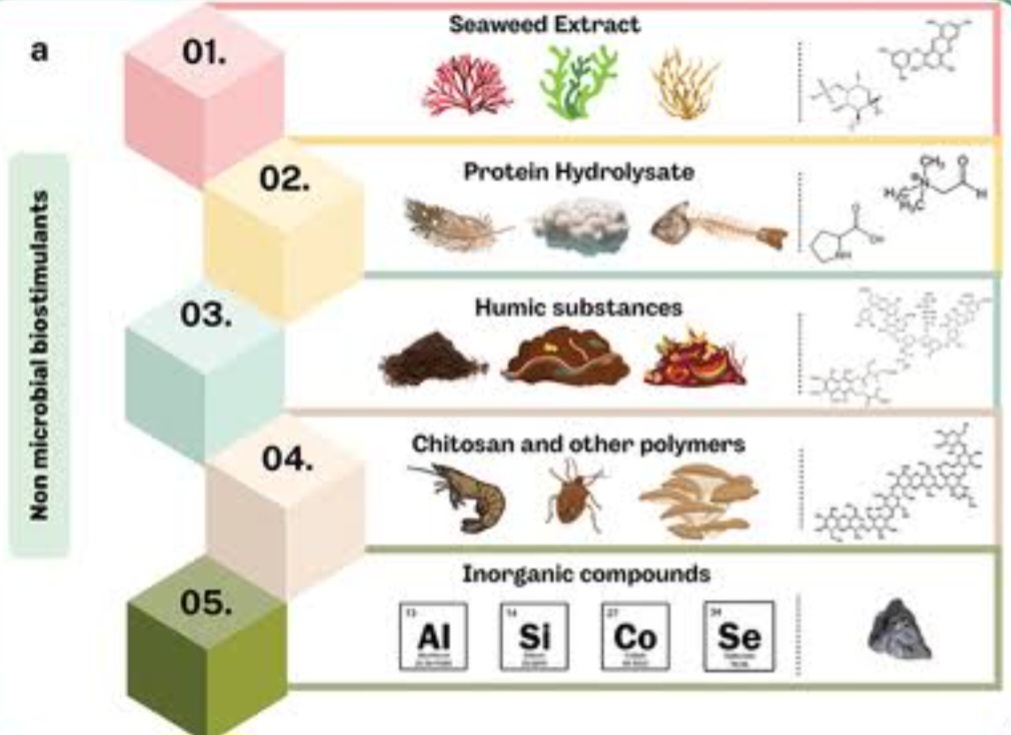
1. Non-microbial biostimulants are substances that promote plant growth and development without containing living microorganisms like bacteria or fungi. They are typically derived from organic or inorganic materials and work by influencing plant metabolism, gene expression, and signaling pathways, leading to enhanced nutrient uptake, stress tolerance, and overall plant health. Thus, they modulate plant processes.
2. They can be extracted from natural materials like seaweed, humic substances, or protein hydrolysates, or synthesized chemically.
Examples of non-microbial biostimulants include: Humic and fulvic acids, seaweed extracts, protein hydrolysates, amino acids, and certain plant hormones like auxins and gibberellins.
PROPERTIES OF NON- MICROBIAL BIOSTIMULANTS
i. STABLE AND PREDICTABLE: Compared to microbial biostimulants, they often have a longer shelf life and more consistent effects.
ii. REDUCED RELIANCE ON SYNTHETIC FERTILIZERS: By improving nutrient use efficiency, they can help reduce the need for synthetic fertilizers, promoting more sustainable agriculture.
MECHANISMS OF ACTION OF NON-MICROBIAL BIOSTIMULANTS
1. Non-microbial biostimulants can influence plant growth and development through various mechanisms, including:
i. MODULATING HORMONE LEVELS: Certain biostimulants can mimic or influence the production of plant hormones like auxins, cytokinins, and gibberellins, which regulate various growth processes.
ii. IMPROVING NUTRIENT UPTAKE: They can enhance the plant’s ability to absorb and utilize essential nutrients from the soil.
iii. ENHANCING STRESS TOLERANCE: They can help plants better cope with abiotic stresses like drought, salinity, and extreme temperatures.
iv. BOOSTING ANTIOXIDANT ACTIVITY: Some biostimulants can increase the plant’s antioxidant capacity, protecting it from oxidative damage caused by stress.
v. IMPROVING ROOT DEVELOPMENT: They can promote root growth and branching, leading to better anchorage and nutrient uptake.
BENEFITS OF USING NON-MICROBIAL BIOSTIMULANTS
i. Increased crop yield and quality:
ii. By improving plant growth and stress tolerance, they can lead to higher yields and better quality produce.
iii. ENHANCED NUTRIENT USE EFFICIENCY: They can help plants utilize nutrients more efficiently, reducing the need for excessive fertilizer application.
iv. IMPROVED STRESS TOLERANCE: They can help plants withstand various abiotic stresses, ensuring consistent yields even under challenging conditions.
v. REDUCED RELIANCE ON SYNTHETIC INPUTS: They can contribute to more sustainable agricultural practices by reducing the need for synthetic fertilizers and pesticides.
CHALLENGES FACED IN ADOPTING BIOSTIMULANTS
In commercial agriculture, the effects of biostimulants have been most studied on row crops and cereals. The lack of regulation, limited mode of action information, and non-standardized manufacturing processes complicate biostimulant use by farmers.
CONCLUSION: The effects of biostimulants are mostly focused on regulating the production of secondary chemicals rather than enhancing nutrient production. These chemicals assist in nutrient absorption and utilization. Thus, a sustainable agricultural practice when used in agricultural production. Therefore, biostimulants are tools that help plants optimize their natural abilities to thrive, making them a valuable component of modern agriculture.


Segurober… Never heard of it before, but gave it a look. Seems like a newer site. Nothing particularly amazing, but also nothing terrible. Perhaps they will improve over time: segurober
Hi Segurober
Thank you for your taught about the articles. Supremelight is grateful. We give room for views and improvement on all our posts. And we see that you are one of the kind ready to see new ideas. We shall bring more improvment to our posts
Thank you Bye
Thank you.
Vphlogin? It’s alright. Could be better, could be worse, you know? It’s got its moments. See for yourself if you like – vphlogin.
Hi Vphlogin
Hope you find supremelights post useful. If you have any aspect of agriculture you want us to address, please, contact us. We will also check your product out to see where it can improve on our posts.
Thank you.
Bye
Slots are so much fun, but security is key! Glad to see platforms like wjevo legit prioritize that with licensing & easy Philippine payment options like GCash. Quick verification sounds great too! 👍
Hi Wjevo,
Thank you for reading through supremelights post. We are grateful to you. And thank you for introducing your product to us. We will surely check it out to see how it can benefit us. Please, if you have any aspect of agriculture you want supremelights to address, contact us.
Thank you once again.
Bye