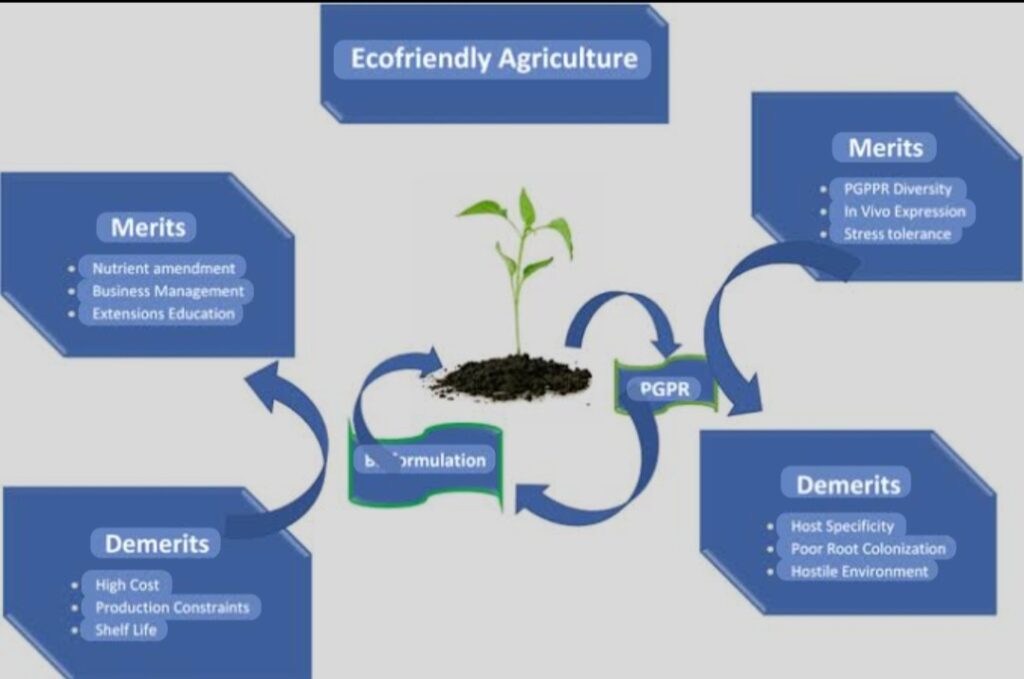

As of today, as the global food security is becoming threatened by climate change, majority of farmer’s mindset are simultaneously channeled towards the use of non synthetic agrochemicals for their farming practices. They are now looking for more environmentally-friendly technical alternatives for their agricultural production. One of such environmentally friendly alternative is the use of bioformulation.
Bioformulation refers to the process of formulating beneficial microorganisms or their metabolites into products that can be used to enhance plant growth, protect against diseases, or improve soil health. Or in a simpler form, bioformulations are mixtures of beneficial microbes (like bacteria and fungi) or their byproducts (like enzymes or toxins) with a carrier material to formulate agrochemicals beneficial for agricultural purposes.
It is an eco-friendly crop management practices that harnesses the power of naturally occurring biological organisms and compounds to develop innovative formulations for diverse applications.
These formulations using beneficial microorganisms (like bacteria, fungi, or viruses), enhance plant health and growth. It aim to provide a sustainable alternative to synthetic agrochemicals by improving nutrient uptake, promoting plant growth, and protecting against diseases.
Bioformulations is a potent tool for reducing the reliance on synthetic chemicals and minimizing environmental impact. Thus, a sustainable alternatives to conventional agricultural practices. They are used as alternatives to synthetic pesticides and fertilizers, thus, promoting sustainable agriculture.
The innovative technique involves the formulation of beneficial microbes, biocontrol agents, and organic substances into products that enhance plant growth, protect against diseases, and improve soil health.
One of its main component is carrier materials. These materials include: peat, clay, calcium alginate, and various polymers. These carrier material helps protect the microbes, improve their delivery to the plant, and enhance their survival in the soil.
Bioformulation application ranges from agriculture to healthcare and to environmental management etc. It offers a promising approach to address pressing challenges while minimizing environmental impact and promoting sustainability.
TYPES OF BIOFORMULATIONS
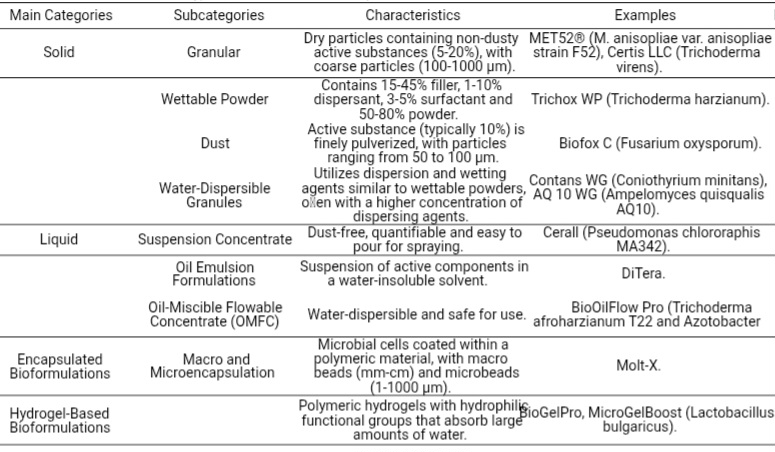
Bioformulations can be categorized as solid, liquid, encapsulated, or based on microbial metabolites.
a. LIQUID BIOFORMULATIONS: These are suspensions of microbes in a liquid carrier. Subcategories of liquid bioformulations include; Suspension, concentrate,
Oil miscible , flowable concentrate.
b. SOLID BIOFORMULATIONS: These are mixtures of microbes with a solid carrier material. Sub-categories of Solid bioformulations include: wettable, water-dispersible, granular etc.
c. ENCAPSULATED BIOFORMULATIONS: Microbes are enclosed in protective capsules. Subcategories of encapsulated bioformulations include; Macro and microencapsulation
d. CELL-FREE SUPERNATANT: These formulations contain the metabolites produced by microbes, rather than the microbes themselves.
BENEFITS OF BIOFORMULATIONS
a. REDUCED RELIANCE ON SYNTHETIC CHEMICALS:
Bioformulations offer a more environmentally friendly alternative to synthetic pesticides and fertilizers which can degrade the environment.
b. IMPROVED SOIL HEALTH:
By introducing beneficial microbes, bioformulations can enhance soil fertility and structure. It can improve soil fertility and microbial diversity, leading to healthier and more resilient ecosystems.
c. INCREASED CROP YIELDS:
By promoting plant growth and protecting plants against pest and diseases, bioformulations can lead to higher crop yields. It enhances nutrient availability and thus, contribute to higher crop yields.
d. ENHANCED SUSTAINABILITY:
Bioformulations contribute to more sustainable agricultural practices by reducing the environmental impact of agrochemicals used in farming. It offers ways to reduce reliance on synthetic fertilizers and pesticides, promoting more environmentally friendly farming practices.
EXAMPLES OF BIOFORMULATION APPLICATIONS:
a. BIOFERTILIZERS: These formulations contain microbes that help plants access nutrients. Examples include; -Bacterial Biofertilizers: e.g. Rhizobium, Azospirilium, Azotobacter, Phosphobacteria. -Fungal Biofertilizers: e.g. Mycorhiza. Algal Biofertilizers: e.g. Blue Green Algae (BGA) and Azolla
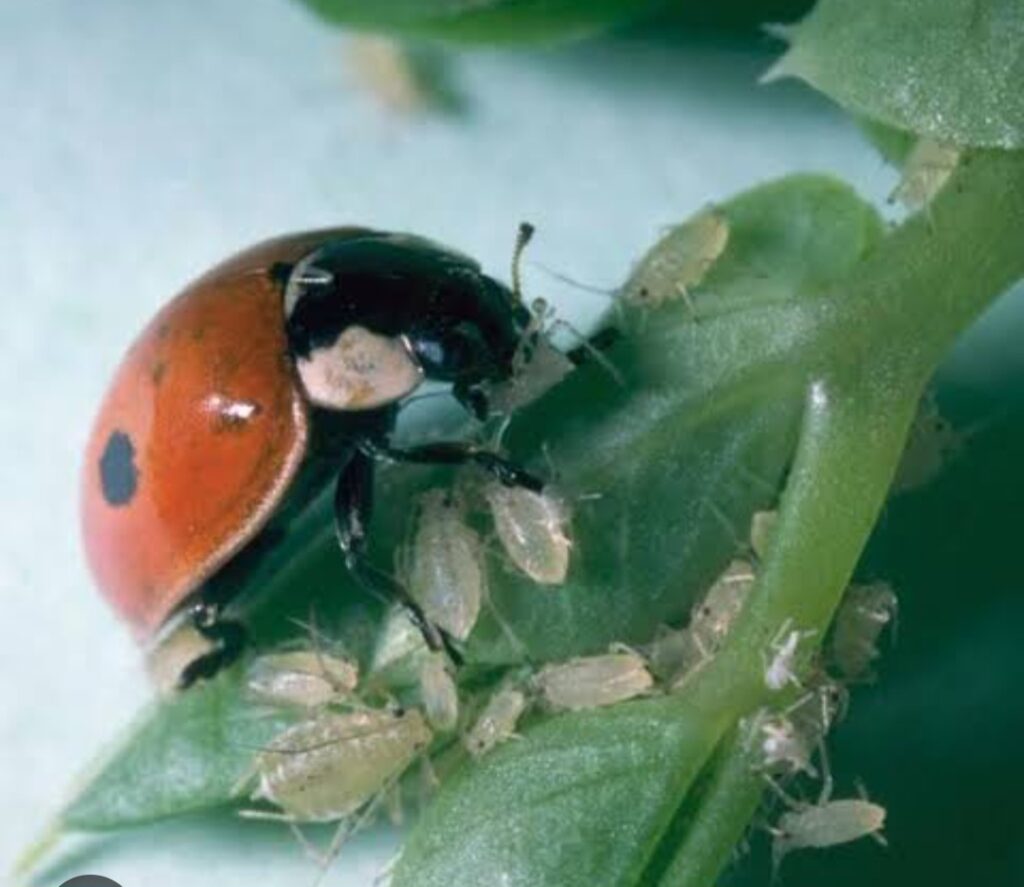
b. BIOPESTICIDES: These formulations contain microbes that protect plants from pests and diseases. For example, beetles, birds, lizards etc all that assist in feeding on pests instead of using chemical pesticides.
c. BIOSTIMULANTS: These formulations enhance plant growth and development.
MAJOR ASPECTS OF BIOFORMULATION DEVELOPMENT:
a. MICROBE SELECTION: Identifying and selecting potent, adaptable microbial strains is crucial.
b. CARRIER SELECTION: Choosing the right carrier material is important for protecting the microbes and ensuring their viability.
c. FORMULATION PROCESS: Developing a stable and effective formulation that can be easily applied in the field.
c. FIELD TRIALS: Evaluating the performance of the bioformulation under real-world conditions.
COMPONENTS OF BIOFORMULATION
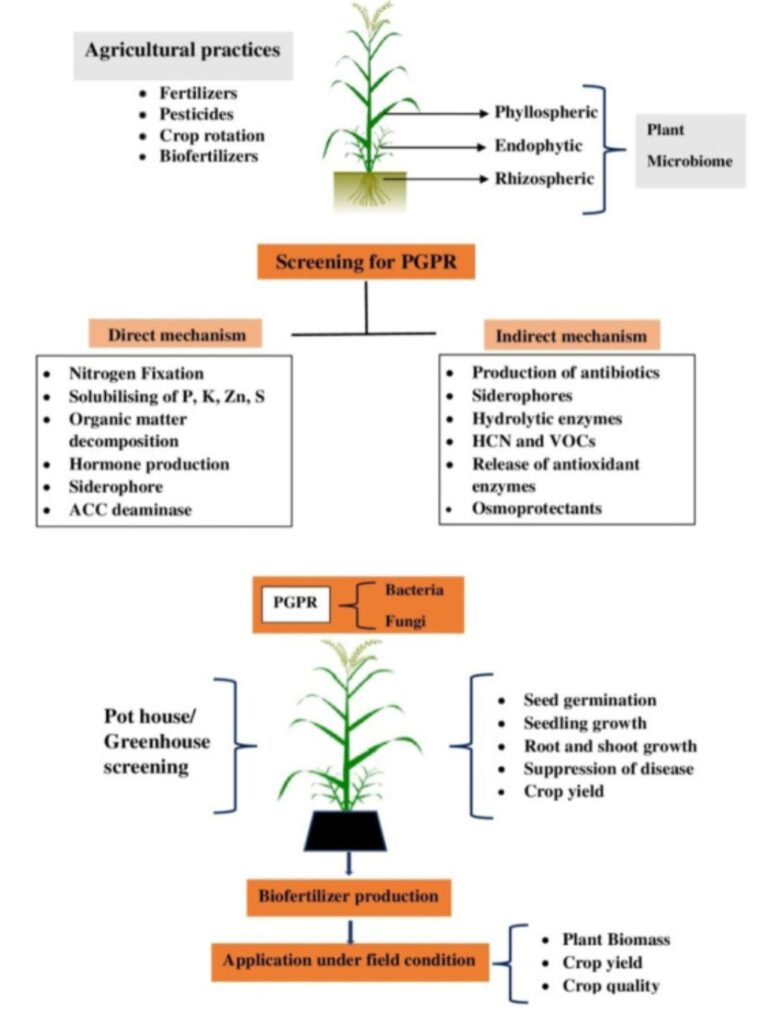
Bioformulation primarily focuses on using beneficial microorganisms (like Plant Growth Promoting Rhizobacteria (PGPR)) or their metabolites. These microbes enhance nutrient uptake, promote plant growth, improve soil health, and increase stress tolerance by colonizing the plant’s rhizosphere or even the plant itself.
Examples include: inoculants containing specific bacteria that fix nitrogen or solubilize phosphorus, or fungal mycorrhizae that enhance nutrient absorption. Meaning bioformulations are often inoculants.
Apart from these beneficial microorganisms, other components of bioformulation include; biological extracts, and carrier materials. These components work together to enhance plant growth, improve soil health, and protect plants from diseases. They offer a sustainable alternative to synthetic chemicals, reducing reliance on fossil fuels and petrochemicals.
a. MICROORGANISMS: Beneficial microbes such as bacteria, fungi, and algae are commonly used in bioformulations for agricultural, environmental, and industrial applications. These microbes can be microbial strains like plant growth-promoting rhizobacteria (PGPR), biocontrol agents, or other beneficial microbes. They improve soil health, enhance plant growth, degrade pollutants, and promote sustainable production practices.
i. PLANT GROWTH PROMOTING RHIZOBACTERIA (PGPR): They are bacteria that colonize plant roots and enhance nutrient availability. They promote growth and also protect the plant against pathogens.
ii. NITROGEN-FIXING BACTERIA: These bacterias are found in root nodules of legumineous plants. They convert atmospheric nitrogen into a usable form for plants uptake, reducing the need for synthetic nitrogen fertilizers.
iii. FUNGI (e.g., mycorrhizae): These fungi also called arbuscular mycorrhizal fungi form symbiotic relationships with plant roots, enhancing nutrient and water uptake.
iv. BIOCONTROL AGENTS: These microorganisms act to replace pesticides. They are natural microbs including certain bacteria and fungi which protect plants from pests and diseases.
b. CARRIER MATERIAL: This provides a protective environment for the microbes and can be things like peat, liquid, granules, or encapsulated materials. These carriers can be grouped into two categories. Solid and liquid carriers.
i. SOLID CARRIERS: These include clays, polymers, peat, and vermiculite, which provide a protective matrix for microorganisms and aid in their delivery to plants.
ii. LIQUID CARRIERS: These are often aqueous suspensions containing water, oils, or a combination, and may include suspenders, dispersants, and surfactants.
c. BIOLOGICAL EXTRACTS: Plant extracts, enzymes, proteins, and other biological materials are utilized in bioformulations for their therapeutic, antimicrobial, or biochemical properties. Examples of plant extracts include; alkaloids, terpenoids, phenolics, and other secondary metabolites with pesticidal or growth-promoting properties.
The biological materials enhance plant growth, nutrient uptake, or disease resistance. These natural ingredients offer sustainable alternatives to synthetic chemicals and additives, reducing reliance on fossil fuels and petrochemicals.
d. ADJUVANTS AND STABILIZERS:
These include surfactants, gels, and other additives: These enhance the formulation’s adherence to plant surfaces, increase its persistence, and protect the microorganisms.
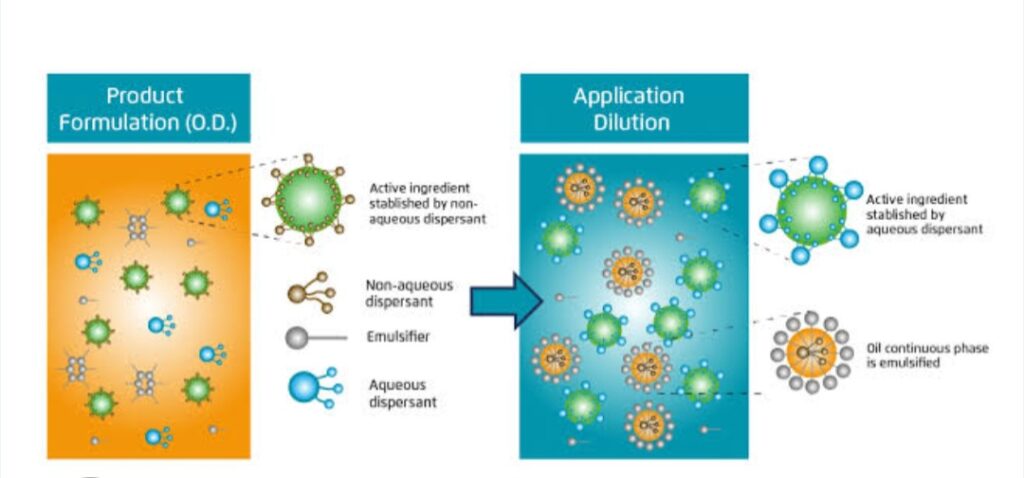
WORKING MECHANISMS OF BIOFORMULATIONS
The primary mechanism of action of bioformulations aim to improve nutrient availability and plant growth through microbial activity. These beneficial microbes can be introduced into the soil or onto plant surfaces. These microbes can perform various beneficial functions, such as:
a. PLANT GROWTH PROMOTION: Producing plant hormones, solubilizing nutrients, or fixing nitrogen.
b. BIOCONTROL: Protecting plants from diseases and pests by competing with pathogens or producing antimicrobial compounds. The most common types of biological controls are mites, predatory wasps and microscopic worms called nematodes. They are suitable for organic growers and have many advantages over synthetic pesticides.
c. NUTRIENT ACQUISITION: Helping plants access nutrients more efficiently.
FACTORS AFFECTING BIOFORMULATION
The effectiveness of microbial formulation is affected by a range of biotic and abiotic parameters, included are: strain choice, carrier materials, storage conditions, shelf life, competition in the environment, application technique, ambient conditions, quality control, and genetic stability.
These factors affect microbial survival, colonization, and effectiveness in the target environment. Effectiveness of these bioformulations require careful consideration of these factors to ensure successful application and desired outcomes.
1. CHOICE OF STRAIN:
The selection of strains is critical since various strains possess differing characteristics and capacities to flourish in diverse environmental situations. For example, some microbial strains possessing desirable traits like nutrient solubilization, nitrogen fixation, or biocontrol capabilities.
Also, strain viability and interaction should be considered. Some strains can survive on a short -term while others are long-term survival traits. This will determine the stability of microbial cells within the formulation and application techniques.
The selection of carrier materials or additives in the formulation has a direct impact on the safeguarding, transportation, and discharge of the microorganisms. Optimal storage conditions, encompassing factors such as temperature, humidity, and packaging, are crucial for preserving the viability of the bacteria in the formulation
b. SHELF LIFE: The efficiency of the formulation can be considerably affected by its shelf life. Formulations with shorter shelf lives may need to be applied more frequently, whilst those with longer shelf lives lessen the requirement for frequent reapplication. Environmental factors, such as UV light, chemical exposure, and competition with local microorganisms, might impact the efficacy of the created microbes
c. APPLICATION TECHNIQUES The technique of administration, whether by means of spraying, irrigation, or injection, can have an impact on the distribution and efficacy of the formulation in the desired region. The efficacy of microbial formulations can be influenced by environmental factors, such as seasonal fluctuations and climatic variations. Implementing quality control methods throughout the production process is crucial to guarantee the uniformity and dependability of microbial compositions
d. GENETIC STABILITY: It is important to take into account the genetic stability of microbial strains in the formulation to ensure that desirable features are maintained throughout time. Maximizing the operating efficiency of microbial formulations requires optimizing these parameters according to specific application and environmental circumstances.
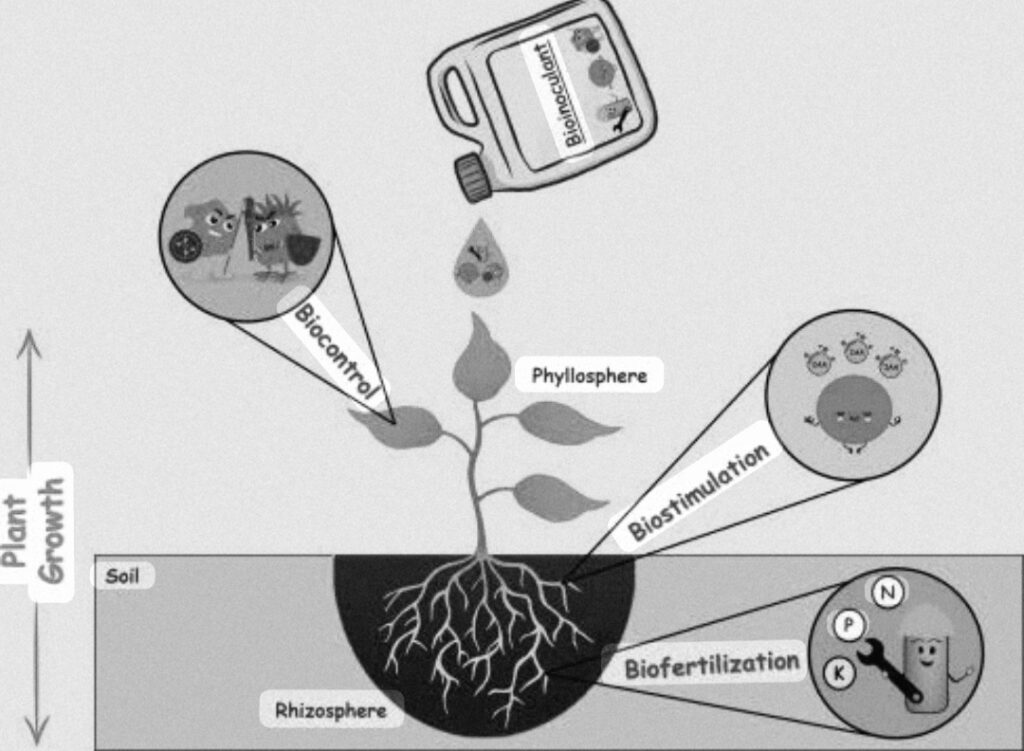
e. ENVIRONMENTAL FACTORS: Some of the environmental factors that influence bioformulation include; temperature, pH, oxygen Availability, nutrient status, soil properties etc. Microbial growth and activity are highly dependent on temperature. Each strain has its own optimal temperature range for survival. Apart from these, moisture/water and pH are essential for microbial survival. Water is essential for microbial growth and activity, and fluctuations can significantly impact bioformulation performance. pH of the environment can affect microbial survival and activity. In addition, nutrients are required by microbes to survive. Microbes require adequate nutrients to grow and function within the bioformulation. They might need oxygen or not to respire and carry out their activity. Some are aerobic, while others are anaerobic microbes. Soil characteristics like texture, organic matter content, and nutrient levels can also influence microbial survival and activity.
f. CARRIER MATERIAL AND FORMULATION TYPE: The carrier materials and formulation types had earlier been discussed. The carrier material (e.g., peat, charcoal, polymers) to select must provide a suitable environment for microbial survival and release. The formulation types ( liquid, solid, or encapsulated) have their own advantages and disadvantages in relation to application, storage, and microbial protection methods.
g. APPLICATION METHOD: Bioformulations can be applied to seed, soil, or Foliar application can be done. The method of this application (e.g., seed coating, soil drench, foliar spray) can impact the delivery of the bioformulation and its effectiveness. Applying at the right time (e.g., during germination, early growth stages) can be critical for success.
h. STORAGE STABILITY: The ability of the bioformulation to maintain viability and efficacy during storage is crucial for commercialization.
i. ANTAGONISTIC INTERACTIONS: Competition from indigenous soil microbes or predation by other organisms can reduce the effectiveness of bioformulations.
j. ADJUVANTS: The use of adjuvants can enhance the performance of bioformulations by improving microbial survival, colonization, viability and efficacy during storage. This is crucial for commercialization.
APPLICATIONS OF BIOFORMULATION ACROSS INDUSTRIES
The versatility of bioformulation enables its application across a wide range of industries, offering solutions to diverse challenges and opportunities. Some notable applications include:
a. AGRICULTURE
In agriculture, bioformulations play a crucial role in sustainable crop production, soil health management, and pest control. Some examples of bioformulations used in agriculture include; Biofertilizers, biostimulants, biocontrol, soil conditioners, wastewater treatment.
Biofertilizers contain beneficial microbes such as nitrogen-fixing bacteria and mycorrhizal fungi. They improve nutrient uptake, fix atmospheric nutrients into grow media, plant resilience, and reduces the need for chemical fertilizers. Similarly, biopesticides formulated with microbial antagonists, botanical extracts, or pheromones offer effective and environmentally friendly alternatives to synthetic pesticides, minimizing pesticide residues and ecosystem disruption. Examples of such
biopesticides include those that contain entomopathogenic fungi or bacteria which can control pests and diseases.
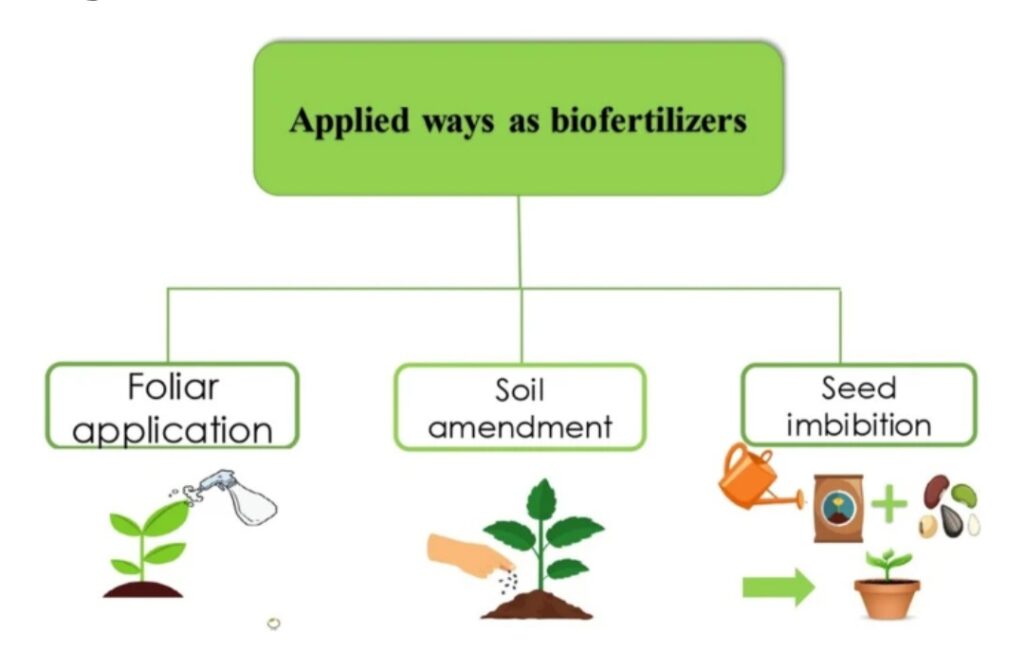
Others like biostimulants enhance plant growth, yield, and stress tolerance by improving nutrient absorption and helping plants adapt to environmental challenges.
Soil conditioners improve soil structure, increase microbial diversity, and reduce soil degradation. And lastly, wastewater treatment contain specific microorganisms that assist in breaking down pollutants and contaminants in wastewater, leading to cleaner and safer water discharge.
b. HEALTHCARE AND PHARMACEUTICALS
In the healthcare sector, bioformulations are utilized in drug delivery systems, diagnostic assays, and therapeutic formulations. They are used in the production of biopharmaceuticals, such as vaccines, antibiotics, and other. Liposomal and nanoparticle-based drug carriers enable targeted delivery of pharmaceuticals to specific tissues or cells, enhancing efficacy while minimizing side effects. Similarly, probiotics and prebiotics formulated into functional foods, dietary supplements, and pharmaceuticals support gut health and immune function, promoting overall well-being and disease prevention.
c. ENVIRONMENTAL REMEDIATION: Environmental remediation can be achieved through efforts from bioformulation to mitigate pollution, restore ecosystems, and improve water and air quality. Through bioremediation technologies, microbial consortia and enzymes are used to degrade organic pollutants, such as petroleum hydrocarbons, pesticides, and industrial chemicals, turning them into harmless byproducts. Additionally, biofilters containing microbial biofilms or plant-based sorbents capture and metabolize pollutants from air and water streams, providing cost-effective and sustainable solutions for pollution control and remediation.
Azotobacter as a biostimulant has the ability to remove oil contamination, tolerate heavy metals, and degrade pesticides. Azotobacter salinestris exhibit a high tolerance towards metal-oxide nanoparticles (NPs).
The introduction of Cd- and Pb-resistant PGPR (Plant Growth Promoting Rhizobacteria) strains Bacillus sp. QX8 and QX13, isolated from soil polluted with heavy metals, resulted in enhanced growth of Solanum nigrum and increased extraction of Pb and Cd from the soil through plants.
d. INDUSTRIAL APPLICATIONS:
Microbial bioformulations are used in industrial processes to produce enzymes for various applications, including detergents, food processing, and biofuel production. In addition, most industries produce a lot of wastes that when released, pollute the environment. Therefore, to prevent this, bioremediation using bioformulation is usually employed. The microorganisms in bioformulation assist in cleaning up the contaminated sites by breaking down the pollutants in soil and water.
Other industrial areas where bioformulation is applicable include: Bioplastics- where some bioformulations are used in the production of biodegradable plastics.
Food and Beverage Industry- where microbial cultures are used in food production, such as fermentation processes. And lastly, textiles industry where bioformulations are used to develop eco-friendly textile treatments.
e. BIOFORMULATION IN HORTICULTURAL CROPS PRODUCTION
Microbial biostimulants enhance plant nutrition by absorbing mineral elements beyond the areas where the plant roots are actively depleting them. This leads to alterations in secondary metabolism and a rise in the amount of beneficial chemicals in the plants. An example of a biostimulant, which is based on microorganisms, consists of two strains is arbuscular mycorrhizal fungi (AMFs) and Trichoderma koningii. This biostimulant enhanced the quality of plants, independent of the amount of water available.
Utilizing AMFs and PGPRs can enhance the absorption of nutrients from the soil, hence enhancing plant growth, improving fruit quality, and increasing overall output. Under abiotic stress, these two fungi can also be used where crop growth is hindered or meets substantial constraints. For example, the fungus Aspergillus flavipes can synthesize indole-3-acetic acid (IAA) by utilizing soybean bran as a growth substrate.
Also, the concurrent use of plant growth-promoting bacteria and freshwater algae, can increase plant weight of vegetables such as romaine and leaf lettuce over the summer and spring seasons.
Other functions of microbial bistimulants in horticulture include;
1. They provide defense against salt stress, drought stress, and other environmental adversities.
2. Plant Growth-Promoting Rhizobacteria (PGPRs) are essential for sustainable horticultural crop production. They enhance germination, stimulate growth, and improve the look, nutritional content, and texture of vegetables.
3. Azospirillum is a kind of bacteria that promotes the development of plants roots. It also fix nitrogen and produce phytohormones.
4. Azospirillum bacteria also mitigate the harmful effects of salt stress on chickpea growth and performance, enhancing product quality, improving chlorophyll content, prolonging storage life, and promoting higher germination and vegetative growth.
5. Azotobacter promotes plant development through actions, including the generation of growth hormones, siderophores and nitrogen fixation. For eample, in tomato plants, this bacteria enhances photosynthesis, greater flower development, higher fruit yield, and elevated lycopene levels .
6. Bacterias Pseudomonas stutzeri and Bacillus toyonensis can enhance the growth of tomato plants under salt-stress conditions.
7. The introduction of Bacillus amyloliquefaciens during seed germination has also lead to the greatest improvement in seed germination (84.75%) and seedling vigour (1423.8), as well as an increase in the vegetative development parameters of chili (Capsicum annum L.).
8. Arbuscular mycorrhizal fungi (AMFs) have been found to enhance plant nutrient absorption, promote plant growth and yield, and improve the quality of the final product. AMFs has also shown significant potential in suppressing phytopathogens .
Arbuscular mycorrhizal fungi (AMF) can enhance the development of horticultural plants, including fruit trees, vegetables, flower crops, and ornamental plants.
9. Piriformospora indica, a fungus with characteristics similar to mycorrhiza, has been found to be a more effective alternative to AMF in its use on citrus trees.
10. AMF (Arbuscular Mycorrhizal Fungi) and vermicompost have the ability to enhance the absorption of water in cactus plants and reduce the negative effects of drought, while also reducing the presence of oxidative stress indicators. When tomato plants are subjected to restricted watering, certain strains of arbuscular mycorrhizal fungi (AMF) have the ability to enhance plant development and recover the dry weight of both the shoots and roots.

CHALLENGES AND CONSIDERATIONS
Bioformulation is a tremendous promise for sustainable innovation in different industries, especially agriculture. It stems from the ability to harness the power of microorganisms to addressing various challenges across these diverse industries. It promote sustainability and reduce reliance on synthetic chemicals. Its widespread adoption faces several challenges and considerations. Some key challenges include:
i. CLIMATIC CHALLENGES: Unforeseen climatic conditions has posed a serious challenge to the adoption of bioformulation technologies in semi arid regions and developing nations. Farmers in these regions lack the technical expertise in adopting this technologies and lack the necessary resources to develop the technology. For example, the use of biofertilizers on farmers field in these regions require necessary knowledge about the microorganisms to use. The development and application of this technology require technical expertise and should in case the process fails, there are no sufficient resources to develop a new one due to the high cost of production.
Also, environmental conditions in these regions such as drought, high temperatures, insufficient irrigation, erosion rate, high salinity problems etc still poses challenges faced by the inoculant industry in producing those bioformulation types that will adapt to these climatic conditions
ii. FORMULATION STABILITY: Maintaining the stability and functionality of bioformulations under varying environmental conditions, such as temperature, pH, and humidity, is critical for ensuring product efficacy and shelf-life. Formulation optimization, encapsulation techniques, and storage conditions are essential for preserving the viability and activity of these organisms and biological materials.
In addition, the action timing or effectiveness of utilizing these bioformulations such as biocontrol and biopesticides my be longer compared to use of chemicals.
iii. REGULATORY COMPLIANCE: Ensuring regulatory compliance and safety standards for bioformulations, particularly those intended for agricultural, food, and pharmaceutical applications, requires rigorous testing, validation, and documentation. Regulatory frameworks governing bio-based products vary across regions and jurisdictions, necessitating thorough assessment and compliance with applicable regulations and guidelines. For example, biopesticide regulation varies from one country to another. Therefore, adoption period within countries may very and time consuming.
iv. CONSUMER ACCEPTANCE: Educating consumers and stakeholders about the benefits and safety of bioformulations is essential for fostering trust and acceptance. Transparent labeling, clear communication of product benefits and risks, and engagement with stakeholders are critical for building confidence in bio-based products and promoting adoption and market penetration.
CONCLUSION
The science behind the innovation “bioformulation” is an innovative application that involves the development and formulation that contains living organisms, biological materials, or biomolecules. These formulations are designed to enhance performance, efficacy, and environmental compatibility while minimizing adverse effects on human health and the ecosystem.
As a sustainable innovation, it offers solutions to pressing challenges faced by different industries and transforming such industries for sustainable future production.
In the agricultural industry, it provides effective solutions for enhancing plant health, mitigating pests and diseases, and improving soil quality. It reduces reliance on synthetic chemicals and also contributes to the preservation of biodiversity and the protection of environmental ecosystems.