Smart farming, also known as smart agriculture or digital agriculture is the adoption of advanced technologies and data-driven farm operations to optimize and improve sustainability in agricultural production. Technologies used for smart farming include artifical intelligence (AI), drones, automation and the Internet of Things (IoT).
In traditional farming practices, manual technologies like machinery, local and less improved crop varieties, crude tools and implements have long been integral to farm management and food production. But today, due to the continuous increase in the world population, urgent concerns has gripped the arms of the agricultural sector, therefore, the agricultural sector of today is driven towards the development and adoption of smart farming technologies. Chief among these agricultural line is food security.
Food production must increase by 70% by 2050 to feed everyone. This is a lot of challenge to keep pace with global population growth, according to the International Monetary Fund.
CLIMATE CHANGE AND SMART FARMING
Climate change is one of the challenges faced by agriculture today. It has brought about food insecurity. It reduced crop yields, impacted the environment negatively through wildfires, flooding and endangers the availability of natural resources such as water for irrigation etc. Alongside with this climate issues, agricultural production is also faces with profitability challenges amid the rising costs of inputs like fertilizer, volatile commodity prices and increasing regulatory requirements.
With the birth of smart farming, adaptation and overcoming the challenges brought by climate change, mitigation of its environmental impacts and promotion of resilience in agricultural production is now made possible. Smart farming can now mitigate climate change by reducing greenhouse gas emissions, enhancing carbon sequestration, and improving agricultural resilience. This approach involves adopting sustainable farming practices that boost productivity, adapt to climate change impacts, and minimize environmental damage.
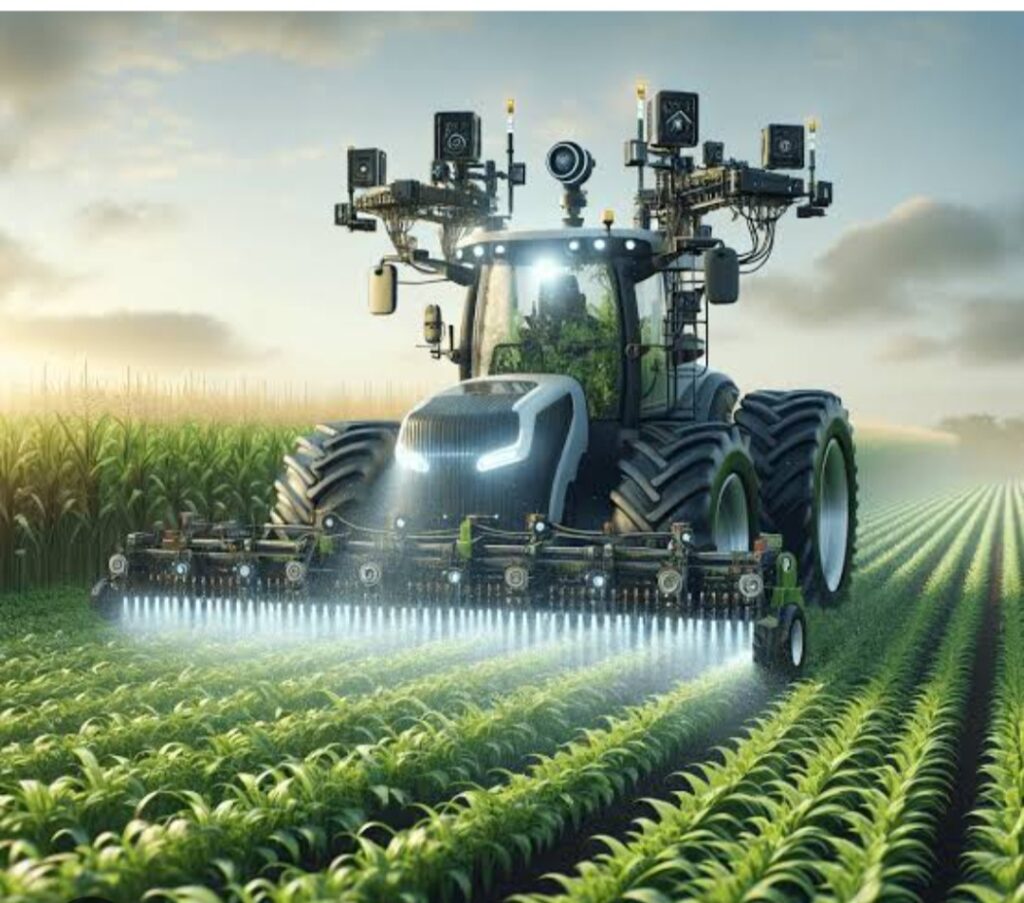
Through precision agriculture, conservation agriculture, and improved water management practices, emissions from agriculture are now being reduced. For example, deep placement of fertilizer in the soil reduces the need for fertilizers, which are a major source of greenhouse gas emissions and environmental pollution.
More Carbon are now being sequestered through
practices like agroforestry, cover cropping, and no-till farming which enhances carbon storage in the soil, and removing carbon dioxide from the atmosphere.
Smart farming practices now improve soil health, water retention, and crop resilience, making farms less vulnerable to droughts, floods, and other climate-related challenges.
In addition to all these smart farming practices that brings about bountiful production, harvest and profitability, smart farming also creat a
sustainable water management practices, reduced pollution, and conserve
biodiversity etc.
INNOVATIONS IN SMART FARMING
The modern agriculture of today has dwelt on advanced technologies that are revolutionizing the agricultural production sector to increase productivity and creat a sustainable agricultural practices. Smart farming has involved several technological innovations. Such include:
a. INFORMATION AND COMMUNICATIONS TECHNOLOGY
Information and Communication Technologies (ICT) can impact smart farming by enhancing efficiency, productivity, and sustainability. The United State Department of Commerce’s National Institute of Standards and Technology defines information and communications technology (ICT) as the capture, storage, retrieval, processing, display, representation, presentation, organization, management, security, transfer and interchange of data and information. ICT tools like sensors, drones, and data analytics can enable precision agriculture, optimize resource use, and informed decision-making. This leads to better yields, reduced costs, and more sustainable farming practices.
Data collected from every aspect of farming especially from soil content, weather conditions, pest and disease infestation, farm area are now processed through ICT etc. These has become a key facet of smart farming and ICT is helping farmers organize and transfer that data for farmers to acess it at any time and at any location.
b. INTERNET OF THINGS (IoT)
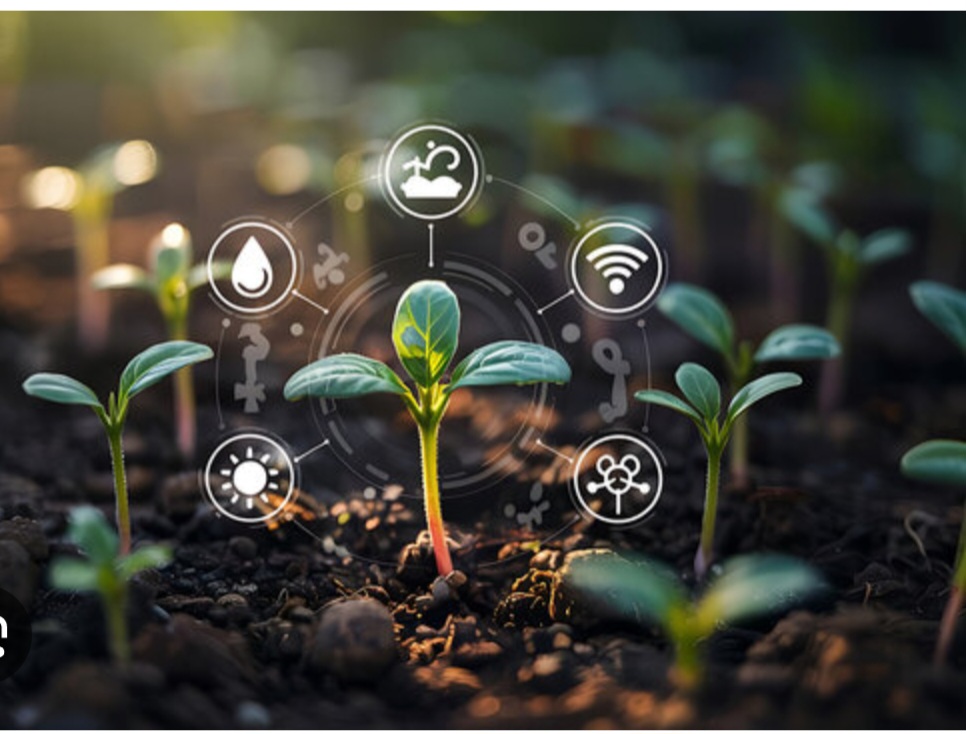
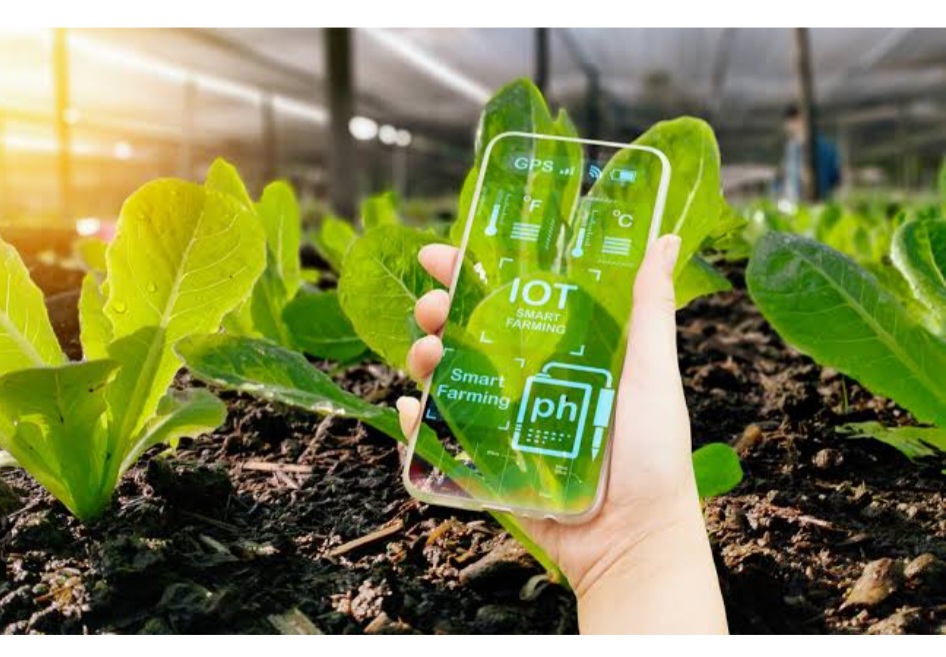
IoT refers to a network of physical devices, vehicles, appliances and other physical objects installed with sensors, software and network connectivity that allows them to collect data. In smart farming, IoT devices include many kinds of IoT sensors, including sensors for monitoring crops, tracking livestock and observing the condition of farm equipment. Unmanned aerial vehicles (UAVs) or drones equipped with light detection and ranging (LiDAR) also collect agricultural data through remote sensing.
c. ARTIFICIAL INTELLIGENCE AND MACHINE LEARNING
AI and machine learning (ML) can help farmers derive insights from the big data—large, complex data sets—stemming from IoT initiatives. Data analytics and modeling through cloud-based AI and ML tools can inform decision-making and smart farming techniques. For example, predictive analytics, weather data sets and agriculture forecasting models powered by ML can help the agricultural industry manage the production process, including crop production, land utilization and supply chain planning.
d. AUTOMATION AND ROBOTICS
Automation and robotics figure prominently in modern smart farming practices. They are transforming agriculture
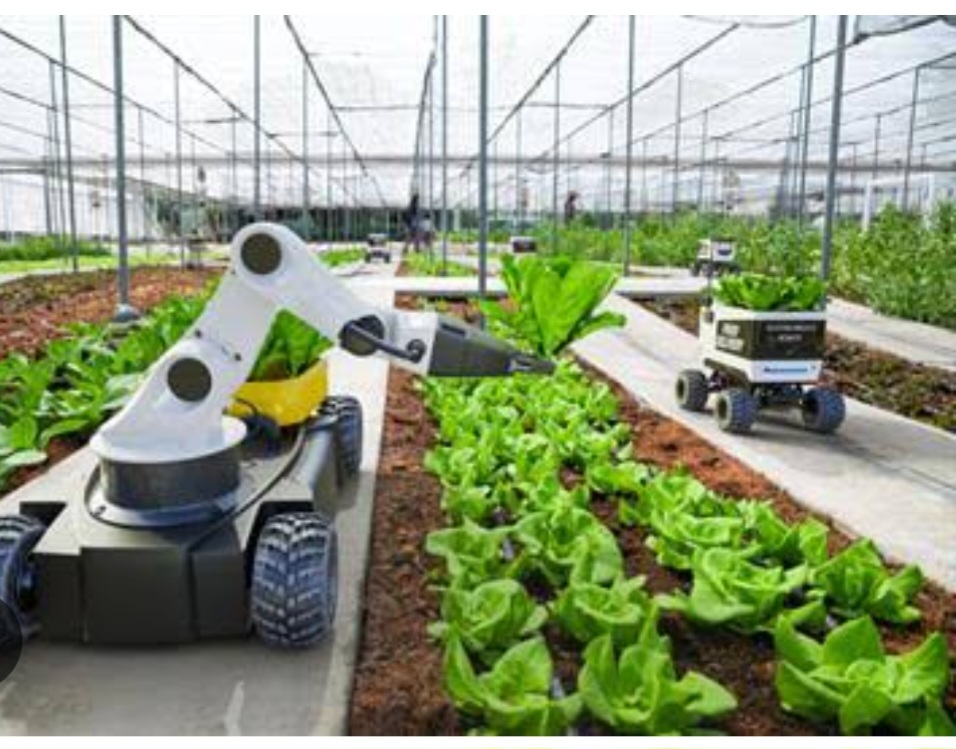
today by increasing efficiency, reducing costs, and promoting sustainability. By automating tasks like planting, harvesting, and irrigation, these technologies minimize human labour, optimize resource use, and improve overall productivity. To achieve all the above task, farmers use autonomous tractors, robots for tasks like seeding, harvesting and pruning. They can also deploy UAVs to spray fertilizer, pesticides and other agricultural inputs in a manner that can be more efficient and precise than traditional methods. The more precise and limited application of fertilizer, in particular, can have a notable environmental impact. Fertilizer is a significant source of greenhouse gas emissions.
EXAMPLES OF FARM PRODUCTIVITY OPTIMIZATION AROUND THE WORLD, DUE TO SMART FARMING
a. COFFEE PRODUCTION IN CHIRINOS, PERU USING PRECISION AGRICULTURE:
In chirinos and Peru, precision agriculture and climate-smart agriculture are practices, including the use of better fertilizers and agroforestry techniques. These practices has helped farmers in Chirinos increase coffee yields and improve their livelihoods, according to Farming First.
b. ADVANCED SENSOR TECHNOLOGY AND DATA ANALYTICS USED IN GREENHOUSES.
In the Netherlands, advanced sensor technology and data analytics are used in Dutch greenhouses to precisely control temperature, humidity, and light, maximizing crop yields and optimizing resource use.
c. MONITORS AND DATA ANALYSIS USED FOR DAIRY FARMING
In the United States, dairy farmers are using activity monitors and data analysis to optimize animal health, feed efficiency, and milk production, leading to increased profitability and sustainability.
d. PRECISION IRRIGATION AND DATA-DRIVEN MANAGEMENT USED IN RICE FARMING
In Asia, precision irrigation and data-driven management are helping rice farmers in Asia reduce water consumption and improve yields, contributing to food security in the region.
e. SMART SOIL SENSING FOR WATER OPTIMIZATION
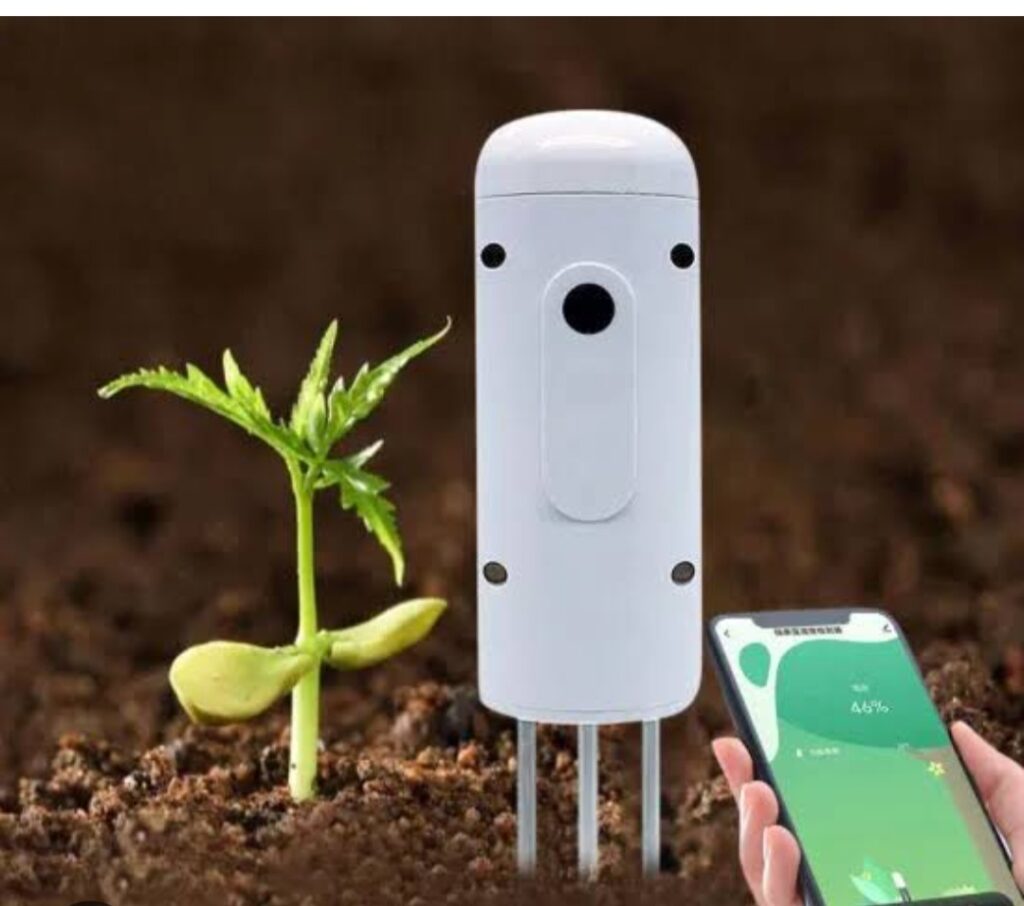
In Texas, sensors linked to a smartphone app are gathering real-time information on soil conditions, including soil moisture. The app combines this information with other data, including weather forecasts, for an AI-powered analysis that results in watering recommendations. The app sends the recommendations to farmers’ mobile devices to help them efficiently deploy water resources for better crop growth in areas affected by droughts and climate change.
f. CLOUD-BASED IRRIGATION FOR VINE STRESS
In California, where efficient water use is also a major concern, a winery implemented a cloud-based tool that ingests information from weather forecasts, satellite imagery and sensors to measure vine stress. Analysis of the data yields watering recommendations tailored to the needs of each vine. Since putting the tool in place, yields have increased by 26% while reducing water usage by 16%.
g. AI-DRIVEN CLIMATE CONTROL IN GREENHOUSES
In Kazakhstan’s Almaty region, a five-hectare smart greenhouse facility is equipped with IoT technology and AI. These technologies monitor conditions within the greenhouses and automatically adjust temperatures, light, humidity and irrigation levels as necessary to create the optimal environment for crop growth.4
h. MONITORING ANIMAL BEHAVIOUR FOR IMPROVED DAIRY PRODUCTION
In the United Kingdom, researchers attached sensors to cattle at dairy farms to track their activity, including steps taken and time spent eating and lying down. Since more active cattle generally display more positive behavior, such information can help farmers determine whether interventions are necessary—namely, changing the animals’ environment to raise their contentment levels, which tend to improve milk yields.
SMART FARMING AND OTHER RELATED CONCEPTS
All stakeholders in the agricultural industry, including farmers, food processors, commodity traders, retailers, and agronomists etc now employ the use of smart farming technology techniques. Such technologies include; drones, satellite imagery and advanced sensors. The agricultural industry is undergoing a digital transformation that is reshaping farming process, sector that process the produce and the distribution sector. However, the evolution of this digital technology has resulted in the emergence of new concepts, including precision agriculture, smart farming, climate smart agriculture and digital farming. These new concepts are interwoven but with different meanings. For example, some people do say there is no difference between smart farming and climate smart agriculture. But there are differences.
a. DIFFERENCES BETWEEN THE CONCEPTS SMART AGRICULTURE AND CLIMATE SMART AGRICULTURE
Smart agriculture and Climate-Smart Agriculture (CSA) are related but are distinct in concepts. Smart agriculture aims to optimize agricultural systems for better outcomes, while CSA aims to achieve food security while also adapting to and mitigating climate change.
Apart from these, the scope of smart agriculture is primarily focused on efficiency and productivity, while CSA has a broader scope that includes adaptation and mitigation of climate change.
Smart agriculture focuses on using technology and data to improve agricultural efficiency, productivity, and profitability through technology and data analysis. For examples, using sensors to monitor soil moisture, employing precision farming techniques, utilizing drones for crop monitoring, and implementing automated irrigation systems. While CSA is a broader approach that integrates sustainable practices to address climate change challenges within agriculture. It addresses this issue in agriculture by boosting productivity, enhancing resilience to climate impacts, and reducing greenhouse gas emissions. CSA incorporates smart agriculture techniques but also emphasizes adaptation to climate change and mitigation of greenhouse gas emissions. For example, incorporating drought-resistant crop varieties, implementing water conservation techniques, adopting conservation agriculture practices (no-till farming, cover cropping), and promoting agroforestry.
CSA is specifically designed to address climate change challenges within agriculture, while smart agriculture can be applied in various agricultural contexts, with or without climate change considerations.
And lastly, CSA utilizes smart agriculture practices, it also incorporates additional strategies like sustainable soil management, water conservation, and carbon sequestration. In essence, CSA can be seen as a subset of smart agriculture that is specifically tailored to address the challenges and opportunities presented by climate change in the agricultural sector.
b. DIFFERENCES BETWEEN THE CONCEPTS PRECISION AGRICULTURE AND SMART FARMING.
Smart farming is a comprehensive approach to agriculture that utilizes a diverse range of technologies. By integrating tools such as the Internet of Things, artificial intelligence, and automation. It creates a sophisticated and interconnected farming ecosystem. Precision agriculture on the other hand is a subset of smart farming. It is also called precision farming. It involves highly controlled, accurate, and optimization of agricultural production. As a subset of smart farming, it heavily utilizes AI technology such as Machine Learning, Robotics and Automation . It leverages modern information and communication technologies (ICT). This farm management approach uses digital techniques with a specific focus on monitoring and optimizing agricultural production processes.
The key point here is to optimize input resource management at the crop level, leveraging technologies like sensors and data analytics tools. It uses technology to collect data about the farm, such as soil conditions, weather patterns, and crop health, and then that data is used in the decision-making process to manage the farm. For example, as farms are heterogeneous, precision agriculture uses targeted fertilizer applications to specific areas of the field that need more nutrients and adjust irrigation based on soil moisture levels.
Smart farming encompasses a broader range of technologies than precision agriculture, extending beyond crop management to include livestock monitoring, supply chain optimization, and environmental impact assessments.
Precision agriculture focuses specifically on optimizing crop-related activities, smart farming takes a more holistic approach, aiming to improve overall farm efficiency and sustainability.
Apart from the above, precision agriculture facilitates the use of more efficient resource , better yield, and reduced environmental impact, all at the same time, through incorporation of combined devices and machinery to capture vital field data, including Remote Sensors, Autonomous Vehicles, Automated Hardware and Software, GPS Soil Sampling, Telematics, Robotics, Drones, and Big Data Analytics.
An ideal example of precision farming practice is a focused agrochemical application with AI-aided analysis that targets only areas that need attention instead of the blanket application.
c. DIFFERENCES BETWEEN THE CONCEPTS SMART FARMING AND TRADITIONAL FARMING
Smart farming focuses on implementing data and information technologies to utilize human labour more effectively and enhance crop quality and quantity and overall farm management. Most farmers still rely on traditional farming practices passed down through generations and approximate estimations to carry out seeding, applying fertilizers and crop protection products, and harvesting. Smart farming improves these processes and enhances efficiency by leveraging agritech tools and software solutions. It helps producers make more informed, data-driven decisions and achieve economic efficiency by reducing workforce requirements.
Also, smart farming collect farm data, which are captured using mobile devices such as smartphones and tablets, enabling access to neat real-time data. Using data about the condition of soil and plants, terrain, climate, weather, resource usage, pests, manpower, bank loans, etc., decisions are made. As a result, farm operations thrive on data-driven decision-making as against intuition, improving predictability and efficiency. Smart farming technologies include IoT devices in agriculture, smart greenhouses, robots, drones, connected tractors, etc. It involves not just individual machines but overall farm operations.
BENEFITS OF SMART FARMING
1. Smart farming empowers farmers with improved efficiency and productivity, which are typical attributes of automation.
2. It uses data-driven insights to drive sustainable agriculture and risk mitigation based on evidence.
3. Through leveraging automation, precise control over environmental factors, and real-time data, farmers can optimize production costs and ensure sustainable agriculture.
4. IMPROVED EFFICIENCY: With smart farming, farmers can better use their resources. This leads to a more efficient system with less waste and more efficient processes.
5. REDUCED COSTS: Smart farming can reduce costs because there is less waste in the system, and it uses fewer inputs (such as fertilisers and pesticides) than traditional farming methods.
6. INCREASED PRODUCTION: Smart farming provides improved crop quality, good soil health, water quality and farm safety ( less time controlling pests ), thus, increase yield and harvesting. Increasing profitability and ensures faster planting of crops.
7. FEWER GREENHOUSE GAS EMISSIONS: Smart farms often use more sustainable farming practices and energy sources such as solar panels or wind turbines instead of fossil fuels. Fuels like gasoline or diesel used for tractors/trucks during planting/harvesting releases more greenhouse gas. Chemical fertilizer usage can also release nitrous oxide which is a greenhouse gas.
8. REDUCED WATER USAGE: Smart farms use smart irrigation system that lessen water usage than traditional farming operation that has no control on water usage. Lesser irrigation, chemical fertilisers and pesticides are required to grow crops successfully. Therefore, less pollution of the environment and fields may occur.
8. REDUCED USAGE OF PESTICIDES AND CHEMICAL FERTILISERS: Sensors can be used by farmers to determine the nutrient status and pest attack on the field. It can also assist to determine when to apply fertilisers or pesticides at optimal times, reducing their overall use and negative environmental impact.
9. BETTER RESOURCE MANAGEMENT:
Smart agriculture promotes more efficient use of water, energy, and other resources.
10. CLIMATE CHANGE ADAPTATION:
Climate-smart agriculture practices, which are often part of smart agriculture, help farmers adapt to the impacts of climate change, such as droughts and floods.
CHALLENGES IN ADOPTING SMART FARMING
1. HIGH INITIAL INVESTMENT: Purchasing and implementing these advanced technologies often requires substantial upfront costs for hardware, software, and infrastructure.
This can be a barrier, particularly for smaller scale farmers with tighter budgets. Farmers can take advantage of financial incentives, tax credits, rebates, and payment vouchers. Nevertheless, the low scale farmers can also benefit from smart farming as electric tractor that is also connected to internet are now available.TECHNICAL EXPERTISE: Operating and maintaining advanced technologies may demand specialized knowledge and skills that farmers may not possess.
Learning to operate certain advanced features of new technologies may seems complex. Apart from this, most of these new technologies come with some initial adjustments which must be learnt.
2. INTEROPERABILITY: Ensuring compatibility between different hardware and software systems can be challenging.
3. DATA INTEGRATION: Integrating data from multiple sources is essential for deriving comprehensive insights, but it can be challenging due to varying formats and standards.
4. INTERNET CONNECTIVITY: Reliable internet access is crucial for data transmission, especially in remote areas with limited connectivity.
5. DATA SECURITY and Privacy: Protecting sensitive farm data from unauthorized access and ensuring data privacy is a top priority especially with technologies that relies on data collection and transmission. There are valid concerns about data privacy and security today. It’s essential for tech providers to assure farmers of their data’s safety and to comply with all relevant privacy laws and standards.
6. INFRASTRUCTURE DEVELOPMENT: To support the adoption of technologies, investing in infrastructure upgrades, such as improved internet connectivity and power grids, may be necessary.
7. DATA ANALYTICS AND MANAGEMENT: Analyzing and managing large volumes of data effectively requires specialized tools and expensive expertise.
8. SCALABILITY:
Scaling up smart agriculture solutions to larger farms and diverse agricultural systems requires further development.
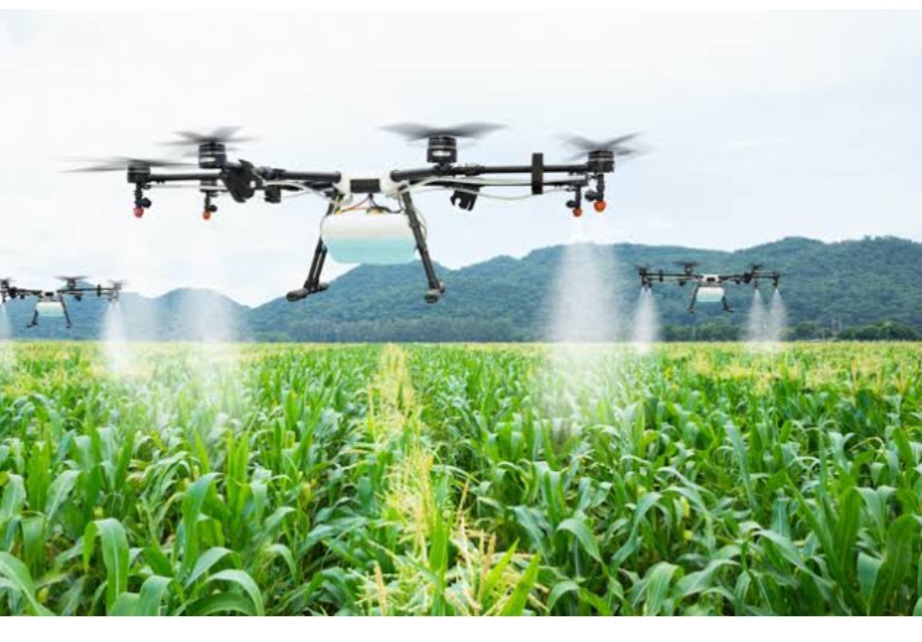
EXAMPLE OF TECHNOLOGIES USED IN SMART AGRICULTURE
-Precision irrigation and precise plant nutrition
-Climate management and control in greenhouses
-Sensors – for the soil, water, light, moisture, for temperature management
-Software platforms
-Location systems – GPS, satellite, etc
-Communication systems – based on mobile connection, LoraWan, etc
-Robots
-Analytics and optimization platforms
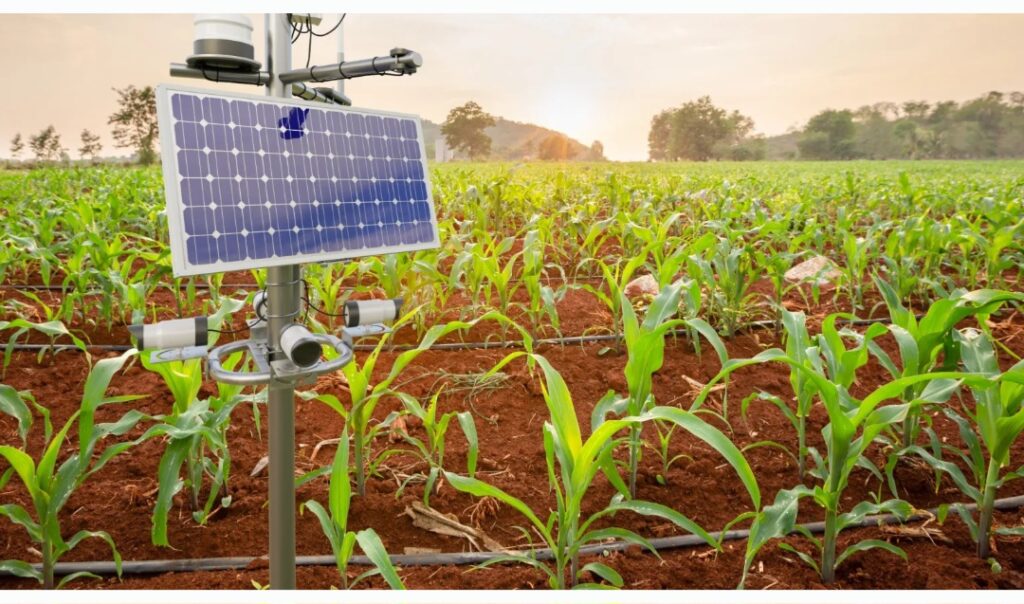
The connection between all these technologies is the Internet of Things – which operates by connecting sensors and machines with yhe internet or satellite. Thus, resulting in a complex system that manages the farm based on data received. With this, farmers can monitor the processes on their farms and take strategic decisions remotely – from their tablet, phone or other mobile device – without being on the open fields, in their greenhouse, orchard, vineyard, etc.
PROCESSES THAT TAKES place ON A FARM WHEN USING SMART AGRICULTURE
a. DATA COLLECTION:
This is the first stage after installation of the gadgets on the farm. Sensors installed at all critical places in the farm gather and transmit data about the soil, air, etc
b. DIAGNOSTICS:
The data collected and transmitted is analyzed by the system and conclusions are made regarding the status of the object or process monitored. Potential problems get identified.
c. DECISION MAKING:
Based on the problems identified in the previous steps, the software platform and/or a human managing the platform decides on actions that need to be taken.
d. ACTIONS:
The actions identified in the previous step are performed. A new measurement on the soil, air, moisture, etc is performed by the sensors and the whole cycle starts again.
The result from this automated smart farming process is highly precision and on a 24/7 control mechanism.