
As global population continues to grow (around 1% annually), there might be a surge in population number, thus, their needs might not be met if proactive measures are not taken especially at the agricultural sectors all over the world.
Every year, it has being estimated that about 67 million new people are welcome to the world. In about 30 years from now, the world’s population will increase by 2 billion people , yielding a total of 9.7 billion people by 2050. The task of feeding this growing population is daunting, as the available land space for agriculture is limited, young people no longer go into farming due to the drudginess, less profit and risks involved etc. Thus, the limelight of agriculture is going and will continue to go dim if necessary measures to curb these challenges are not put in place. Therefore, to curb this and make food available in sufficient amount for the growing population and future, a new innovation called AgriTec was developed.
The Industrial revolution contributed to the birth of AgriTech by replacing manual labour with machinery. Today’s revolution in connectivity and computing offers agriculture another layer of operational efficiency. For instance, soil moisture sensors to track when to water crops, minimizing any wasted water.
AgriTech incorporate technology into agriculture in what is known today as Agri-tech Startups. These startups are springing up like lilies in summer, with each providing solutions, with the use of technology, to mitigate the challenges facing the agricultural sector and to enhance food production
Today, innovations in this field has address issues right from field monitoring to farm produce distribution.
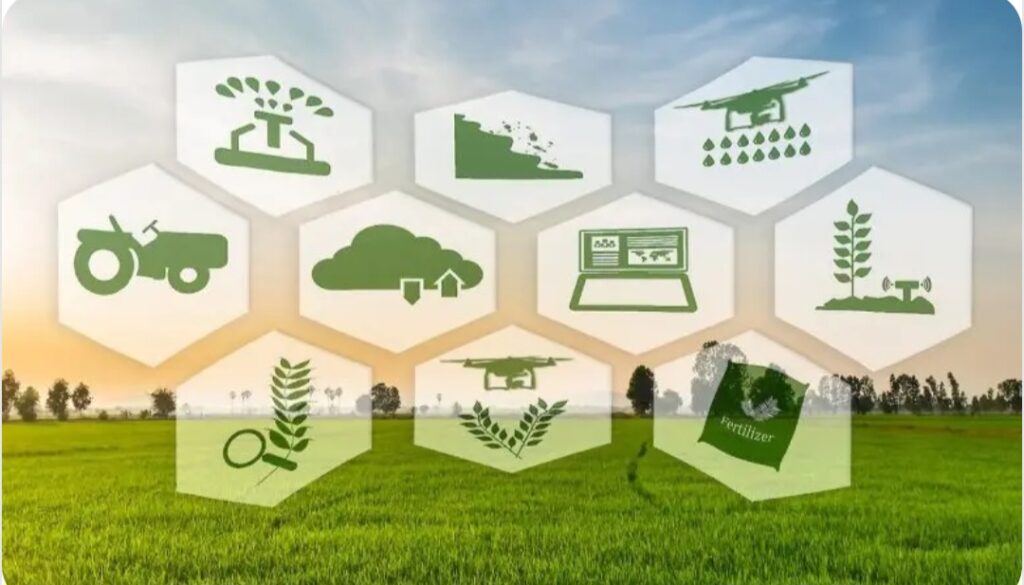
AgriTech, an acronym for Agricultural Technology or agrotechnology, refers to the application of technology and digital tools to enhance farming practices. Or it can be defined as the technological application that increases agricultural production with fewer input usage.
Other abbreviations for agricultural technology include; agtech, agritech, AgriTech or agrotech. These technologies are used in agriculture, horticulture, and aquaculture etc. It can be products, services or applications derived from agriculture that improve various input and output processes. It involves integrating technology into traditional agricultural processes, from planting and harvesting to processing and distribution.
Some of the major focused fields that lead to the development and application of AgriTech include; Advanced agricultural science, agronomy, and agricultural engineering.
Some visible examples of AgriTech are; fast planting machines, crop modification for environmental adjustment, drones monitoring, and Web page tracking etc.
Many developments in agritech are; Big data, ioT sensor, AI, II, Robotics, digital agriculture (Agri-tech) which uses data technologies, and biotech, along with local and global data on livestock, food species, disease state, soil conditions, weather patterns, and more, to improve agricultural productivity and sustainability while reducing emissions and also to assist in making the agricultural industry far more efficient.
DIFFERENT INNOVATIONS IN AgriTech
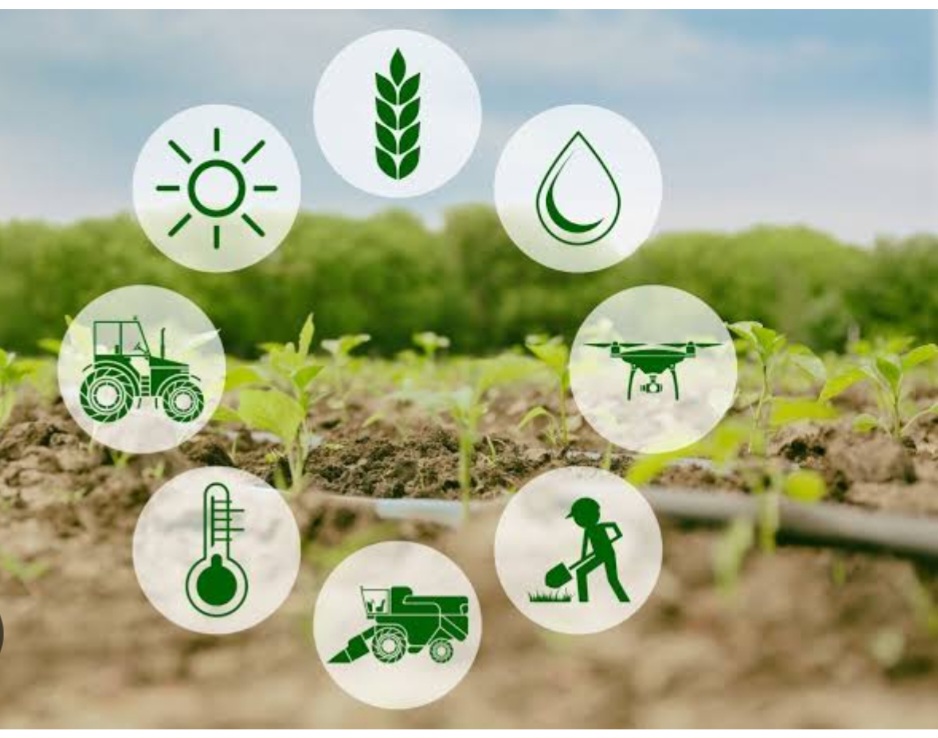
AgriTech innovations are revolutionizing agriculture by integrating technologies like IoT, AI, drones and robotics to enhance efficiency, productivity, and sustainability. Some of the advancements include precision farming techniques, vertical farming, and improved crop varieties etc, all contributing to a more resilient and profitable agricultural practices.
a. PRECISION FARMING:
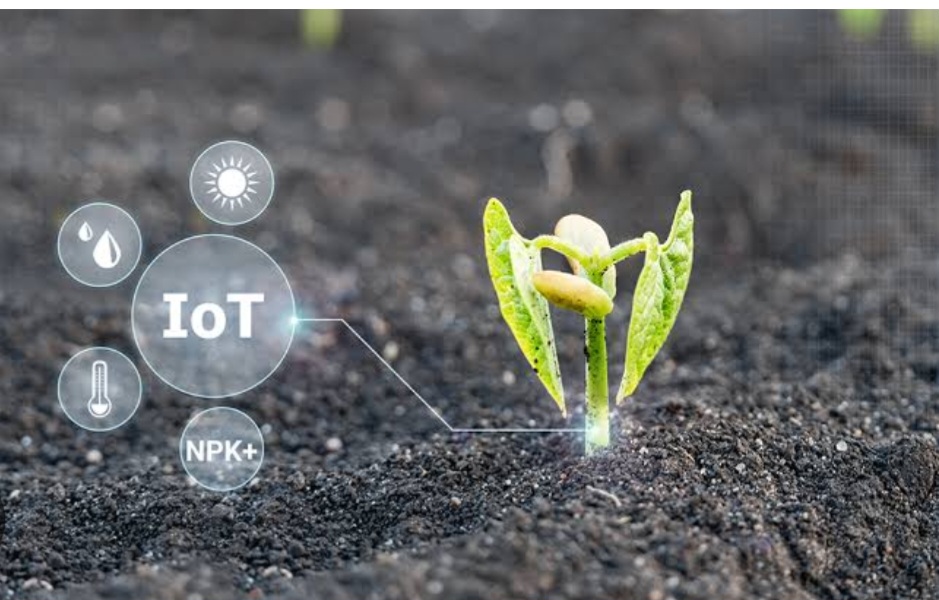
Utilizing technologies like GPS, sensors, drones, IoT Sensors, smart equipment and data analytics to monitor and optimize resource application (water, fertilizers, pesticides) with precision, based on real-time data. It is also used in soil sensors, weather stations, and real-time data collection. They are used by farmers to monitor crop health, soil conditions, and resource usage with greater accuracy. It also assist in monitoring optimize irrigation, minimize waste and maximize efficiency.
b. BIOTECHNOLOGY:
Employing genetic engineering and other biotechnological advancements to develop disease-resistant crops, improve yields, and enhance nutritional value are all innovation from AgriTech.
c. AUTOMATION:
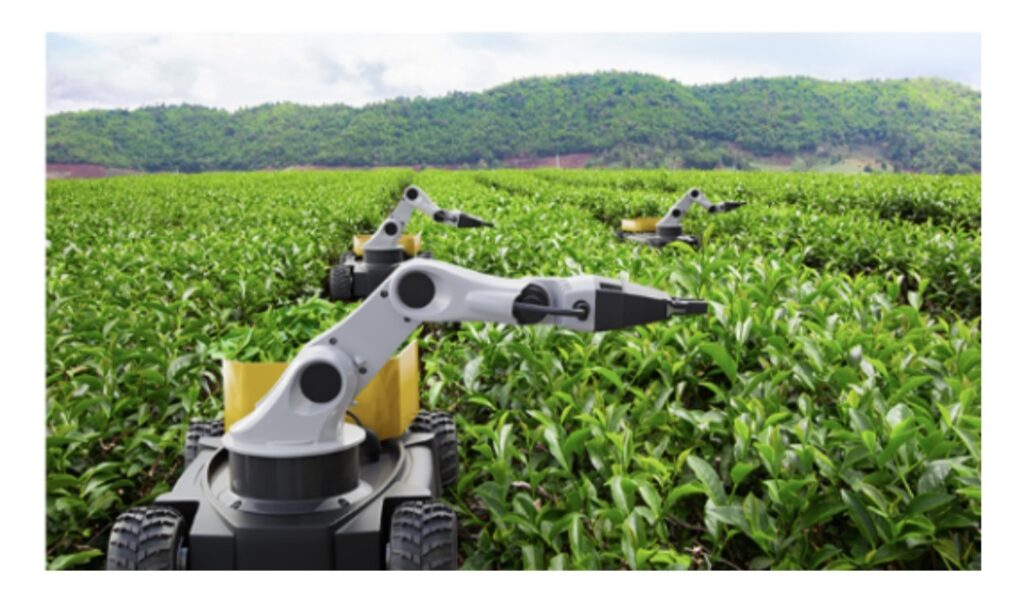
Utilizing robotics and automated systems to handle tasks like planting, harvesting, and livestock management, reducing labour costs and improving productivity are all parts of agritech.
d. DIGITAL PLATFORMS:
This involves connecting farmers with markets, providing access to information, and facilitating financial transactions through online platforms.
e. VERTICAL FARMING AND CONTROLLED ENVIRONMENT AGRICULTURE (CEA):
Utilizing indoor farming techniques with controlled environments result in year-round crop production without considering weather effects, minimal land, reduced water usage and maximizing yields in limited spaces.
f. DATA ANALYTICS AND AI:
Leveraging data analysis and artificial intelligence to make informed decisions about planting, harvesting, and resource allocation.
g. SMART FARMING:
Smart farming is one of the innovation in agriculture technology (agritech) because it uses advanced technologies like IoT sensors, AI, and data analytics to optimize farming operations, improve resource efficiency, and increase productivity. This approach moves away from traditional farming methods towards data-driven decision-making, leading to more sustainable and profitable agricultural practices.
Apart from this, smart farming enhanced efficiency and manage resources through precision agriculture,
optimization of crop production and reduction of labour cost etc.
Smart farming technologies can help reduce the use of harmful pesticides and fertilizers, minimize the environmental impact of agriculture and conserve water.
h. DRONES AND AI:
Drones equipped with cameras and sensors can monitor large fields, identify issues like pest infestations or nutrient deficiencies, and provide data for targeted interventions.
i. FARM AUTOMATION LIKE ROBOTICS AND AUTONOMOUS TRACTORS:
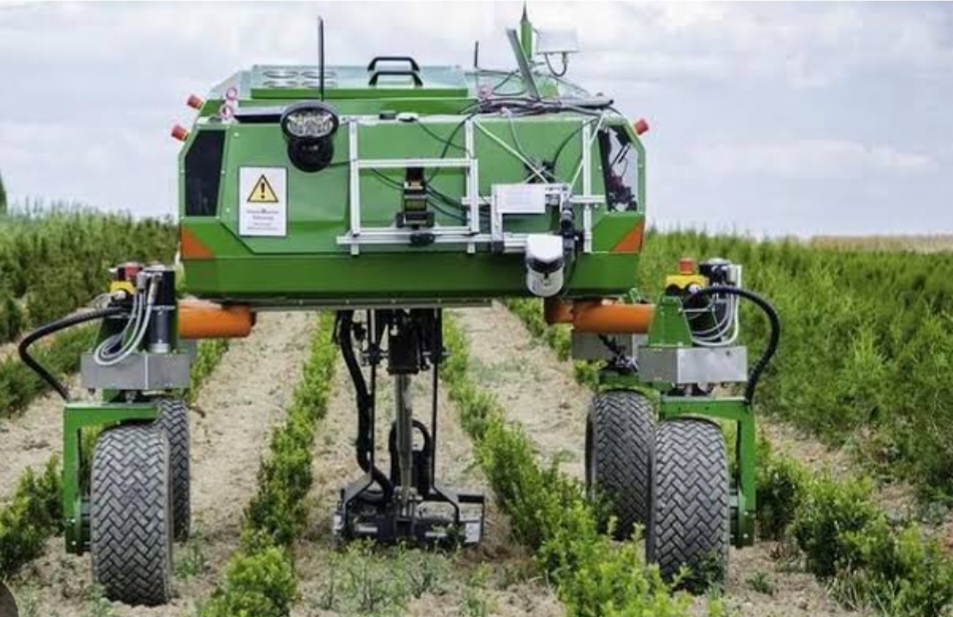
Robots and autonomous tractors can handle tasks like planting, harvesting, and weeding, thus, reducing labour costs and increasing efficiency.
j. AUTOMATED FEEDING AND MILKING SYSTEMS:
This is another type of automated farming where livestock farming like dairy farming, hatcheries, poultry etc all are being automated, with systems that optimize feeding schedules, cooling system and automated milking processes.
k. DATA-DRIVEN DECISION MAKING:
AI and machine learning are being used to analyze data from various sources, providing farmers with insights to optimize their operations and improve decision-making.
L. AUTOMATED IRRIGATION:
Smart irrigation systems use data from sensors to optimize water usage, reducing waste and ensuring crops receive the right amount of water at the right time.
m. CONTROLLED ENVIRONMENTS:
CEA technologies, such as greenhouses, enable precise control over temperature, humidity, and light. It also prevent pest and disease attack under strict management, thus, creating optimal growing conditions for crops and livestock.
n. IMPROVED CROP VARIETIES:
Improved crop varieties carried out by genetic engineering brings about the
modification of crop DNA to enhance traits like pest resistance, drought tolerance, and nutritional value. This brings about a better production efficiency.
o. BLOCKCHAIN TECHNOLOGY:
Using blockchain to track food products from farm to consumer, enhancing transparency and traceability. Thus, a system called supply chain transparency.
p. DIGITAL MARKETPLACES:
Digital Marketplaces also come under Supply Chain Transparency. Farmers are connected directly with consumers through online platforms, reducing food waste and improving market access.
q. LOW-COST INNOVATIONS:
An example of low-cost innovation is the Mobile Phone Technology. It provide farmers with access to information, weather updates, and market prices through mobile phones and simple digital tools. This is a low cost innovation where farmers spent less in marketing of their produce.
APPLICATION OF AGRITECH IN VATIOUS ASPECTS OF AGRICULTURE
Any technology that makes farming operations efficient itself is termed Agritech. It encompasses a wide range of innovations, including precision farming, biotechnology, automation, and digital platforms etc, aimed at improving efficiency, increasing yields, increasing profit and promoting sustainability in the agricultural sector. It can be applied in various aspect of agriculture such as;
a. SUPPLY CHAIN OPTIMIZATION:
Using technology to track and manage food products from farm to consumer, reducing waste and improving efficiency.
b. AgriTech IN AQUACULTURE:
Employing technology to monitor and manage fish farms, optimize feeding, and improve water quality.
c. AgriTech IN HORTICULTURE:
Utilizing technology to optimize growing conditions, manage pests and diseases, and improve yields in greenhouses and other controlled environments. etc
EXAMPLES OF AgriTecH IN PRACTICE
a. SATELLITE-BASED CROP MONITORING:
Satellite-based crop monitoring uses data from orbiting satellites and satellite imagery to assess soil conditions, predict yields, crop health, growth, and field conditions. It offers valuable insights for farmers to optimize resource useage. This technology enables remote monitoring of large areas, allowing for timely detection of issues like nutrient deficiencies, pests, and diseases, and helping farmers make informed decisions about irrigation, fertilization, and other management practices.
It also help farmers make decisions such as access detailed information about their fields, including historical data, allowing them to make better-informed decisions about planting, harvesting, and other management practices.
Also, satellite monitoring helps track long-term climate trends and short-term weather patterns, enabling farmers to adapt their practices to changing conditions and increase resilience.
b. AI-POWERED ADVISORY SYSTEMS:
AI-powered advisory systems in agritech provides farmers valuable insights with personalized recommendations on crop management and improved yields based on data analysis. Examples include AI-powered image recognition for disease diagnosis, precision spraying systems that reduce chemical use, and AI-driven chatbots that provide real-time advice on pest control, weather patterns, and soil health. Examples of AI-powered advisory tools include: CropIn, taranis, Darli AI.
These systems analyze vast amounts of data to provide farmers with actionable recommendations, ultimately enhancing efficiency and sustainability in agricultural practices.
It helps in crop management practices such as; Crop Disease Diagnosis, Precision Spraying etc. It also assist in AI-powered Chatbots that involves providing instant answers to farmers’ questions about various agricultural topics, including pest control, weather, and soil health. Data-Driven Decision Making
which provide insights on optimal watering schedules, fertilizer recommendations, and pest control strategies is also an AI-powered advisery system.
c. BLOCKCHAIN FOR TRACEABILITY:
Blockchain technology in agricultural supply chains
ensures transparency, traceability and security in the food supply chain by tracking products from farm to consumer. It provides a secure, decentralized ledger for recording every transaction, ensuring authenticity and facilitating efficient tracking of products. It also address issues like food fraud, contamination, and inefficiency, ultimately building trust among consumers and stakeholders.
It works by providing a secure and transparent ledger,
creating a farm-to-Table Tracking, enhancing food safety, combating Food Frau, improved efficiency etc.
Examples of Blockchain implementation include;
Walmart’s Food Traceability Initiative, tracking mangoes and real-time tracking and transparency.
Some of the stakeholders that uses Blockchain technology include; farmers who are producers, Consumers of agricultural produce, food processors and retailers, and regulatory bodies.
d. SMART GREENHOUSES:
Smart greenhouses utilize technology like sensors, automation, and data analytics to control environmental factors that are growing conditions (temperature, humidity, light) to optimize crop production, increased yields, improved resource efficiency, and reduced environmental impact. They are a key example of how agritech is transforming agriculture, particularly within the realm of controlled environment agriculture (CEA).
Examples of Smart Greenhouse Technologies include:
IoT (Internet of Things),
AI (Artificial Intelligence),
Automation Systems.
e. PRECISION SPRAYING:
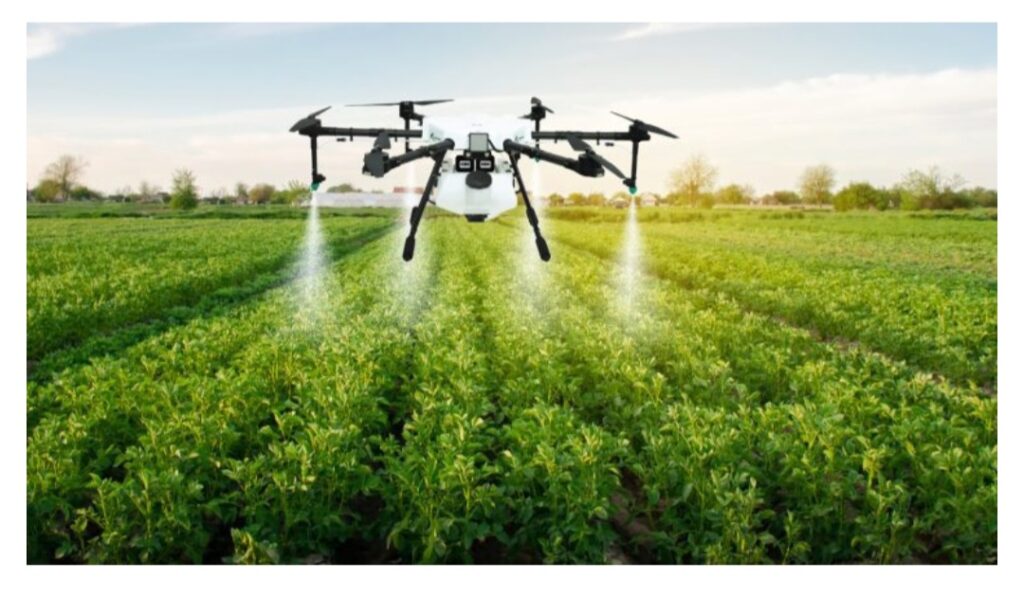
Precision spraying in agriculture uses technology like drones or automated systems to apply pesticides ,
herbicides, or fertilizers with greater accuracy where and when needed, optimizing resource use and minimizing waste. This targeted approach contrasts with traditional methods of uniform spraying across entire fields.
Examples of Precision Spraying Technologies include;
AI-powered systems, direct injection nozzles, robotic sprayers, smart nozzle and section control.
IMPORTANCE OF AgriTech
The world depend on the agricultural industry for her source of different kinds of produce to meet the needs of all living organisms including human. Many of the agricultural outputs are used as raw materials in manufacturing industries. Therefore, it is necessary for the agricultural industry to be more efficient. To achieve this, agritech has come with several importance.
a. AgriTech helps in the translation of technological innovations into agricultural success.
b. Innovations like better crop studies, better safe varieties, big data base, and internet of things all addresses issues of the agricultural sector.
c. With agritech, commercial liabilities of agricultural produce has caused an increase
d. Expense solutions have removed challenges experienced by many farmers at reduced cost.
e. It makes the entire agricultural activities more efficient and effective ones.
f. Renewable and energy efficient innovations have all helped to reduce the negative impacts caused by agriculture on the environment. For example; Soil degradation, poor soil quality, agrochemical pollution etc.
g. AgriTech has the potential to revolutionize agriculture in an acre friendly way. The technology introduced help channel high technology products and also lower cost of production. Even the agricultural supply chain is at present on the constant renovation with the use of AI and big data.
h. It has helped entrepreneurs to engage in better yield processing for maximum profit.
BENEFITS OF AgriTech
a. INCREASED PRODUCTIVITY:
AgriTech solutions can help farmers produce more food with fewer resources. Through this, the growing global demand for food can easily be met.
b. IMPROVED EFFICIENCY:
Optimizing resource use and automating tasks can significantly improve farming efficiency.
c. ENHANCED SUSTAINABILITY:
AgroTech can contribute to more sustainable farming practices by reducing water and fertilizer use, minimizing pesticide application, reducing waste and minimizing environmental impact.
In addition, it also promote responsible land management.
d. GREATER PROFITABILITY:
Increased yields, reduced costs, and better market access can lead to higher profits for farmers.
e. FOOD SECURITY
AgriTech plays a vital role in ensuring food security by improving food production and distribution, especially in the face of climate change and population growth.
f. REDUCED COSTS:
By optimizing resource use and automating tasks, agrotech can help farmers reduce costs and improve profitability.
f. ENHANCED RESILIENCE TO CLIMATE CHANGE:
By providing tools for predicting and adapting to changing weather patterns, agrotech can help farmers become more resilient to the impacts of climate change.
g. JOB CREATION:
The development and implementation of agrotech solutions can create new jobs in the agricultural sector and related industries. A way to achieve this is through agritech.
h. AgriTech has shifted the common man perceptions about agriculture
i. It has helped in the evolution of many energy saving technology like solar panels used to generate electricity
j. It has allowed a reduction in food wastage
k. It has bridged the gap between producers and end users
l. Healthy food production and nutritional awareness had being achieved through AgriTec.
m. Digital information has helped to connect producers and industrial raw materials used over data and agricultural goods.
n. Farmers can now get a sustainable livelihood
o. Agricultural technology enhances efficiency in farming by utilizing advanced IoT and machine learning technologies. These innovations optimize processes like irrigation and pest detection, leading to better yield management and reduced waste.
p. The integration of ruggedized connectors and equipment ensures reliability in harsh agricultural environments, further improving the effectiveness and durability of farming operations.
VISIBLE USAGE OF AgriTech
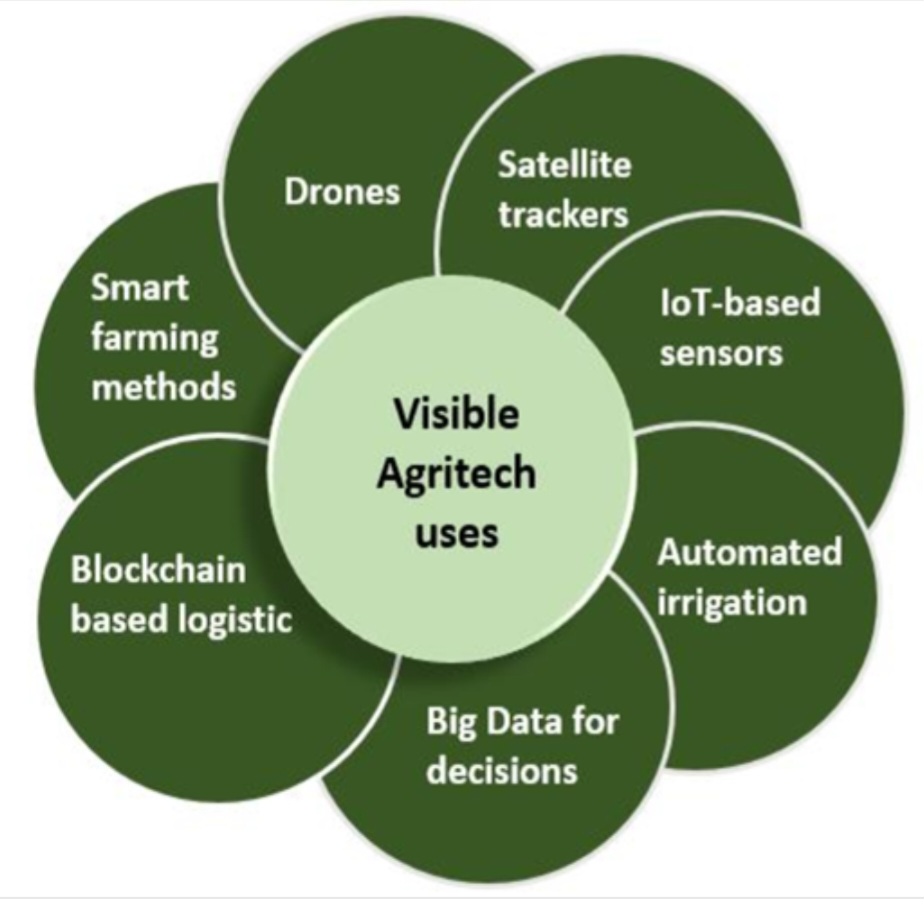
Technological innovation under AgriTech help improve efficiency and profitability of agriculture. For example, the technology helps in the analysis of climate, soil and temperature. Presently, AgriTech include the following technology in use
a. Drones and satellite trackers: are used for field surveillance and environmental scanning.
b. Automated irrigation techniques also come under agritech
c. Big data technology used by the agricultural industry for decision making.

Creating music can be surprisingly therapeutic! It’s cool to see accessible tools like Play Sprunki letting anyone experiment with beats & sounds, no experience needed. Simple, fun, and a great creative outlet! ✨
Hi esprunki,
Thank you for reading through supremelights post. We are grateful to you. And thank you for introducing your product to us. We will surely check it out to see how it can benefit us. Please, if you have any aspect of agriculture you want supremelights to address, contact us.
Thank you once again.
Bye
Solid analysis! Seeing more players in the Philippines embrace online gaming, especially with platforms like jilicrown online casino offering easy GCash deposits & diverse games. Account verification is key for secure play, though! 🧐
Hi Jilicrown,
Thank you for checking out supremelights posts. If you have any aspect of agriculture you want supremelights to address, contactbus. And we will surely browse through the jilicrown online casino games.
Thank you, bye.