
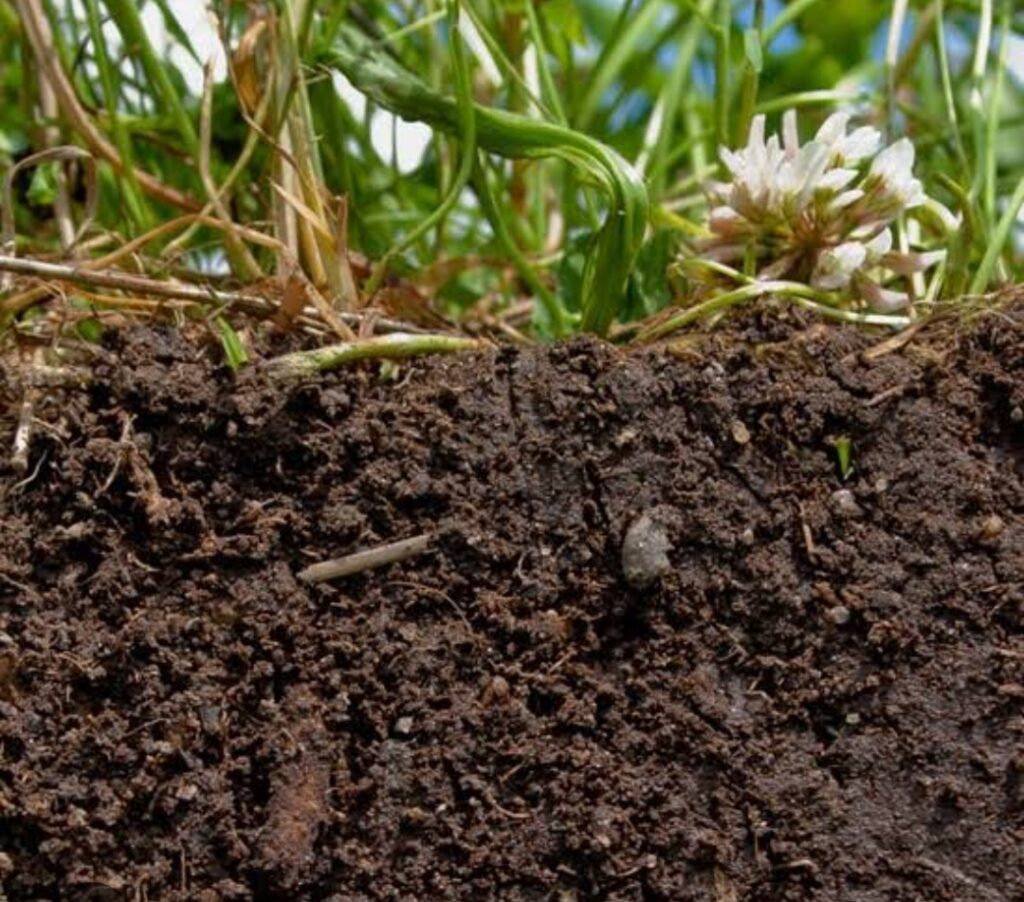
Soil gases also refered to as soil atmosphere are the gases found in the air space between soil components. The soil atmosphere are found within the pores of the soil which differs from that of the air above the soil surface (atmospheric air). These pores contain the same gases as the atmosphere above the ground, but in different proportions.
Soil atmosphere is one of the component of the soil ecosystem. One of its role is to support plant and microbial life. These soil atmosphere is not usually a continuous system, for it may contain isolated, unconnected pore spaces. Also, soil atmosphere is very variable depending on soil types, organic matter content and season.
The humidity of the soil atmosphere is nearly 100% most of the time. The carbon dioxide content of the soil is greater than that of the air above it because of the decomposition of the organic matter, and it increase with depth because carbon dioxide diffuses very slowly into the air above the soil. Conversely, the oxygen content of the soil atmosphere is less than that of air above the soil, and it decreases with depth. Oxygen in the soil is used in respiration carried out by plant roots and microorganisms, and it is slowly replaced by diffusion from the atmosphere.
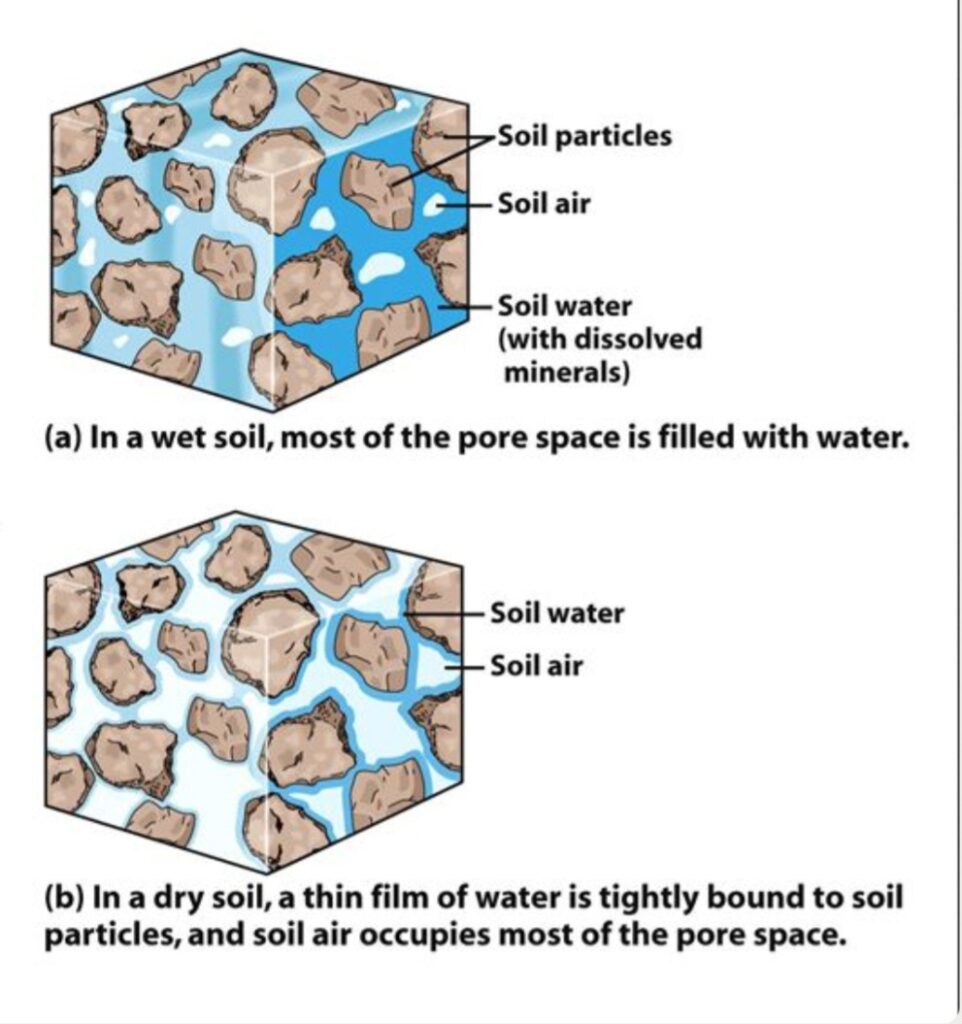
Soil pores in the soil structure may either be filled with gases or water. As water drains or is removed from a soil pore by evaporation or root absorption, gases replaces the water. The network of pores within the soil aerates, or ventilates, the soil. This aeration network becomes blocked when water enters soil pores. Not only are both soil air and soil water very dynamic parts of soil, but both are often inversely related.
In flooded areas, plant roots may be deprived of oxygen. For some plants, even a few days of flooding may be disastrous especially during the growing season.
HOW GASES GET INTO THE SOIL
One way gases get to fill the soil pores is from the atmospheric air. Apart from this, some environmental contaminants below ground also produce gases which diffuses through the soil to fill the pore spaces. Such gases may be from landfill wastes, mining activities, and contamination by petroleum hydrocarbons which produce volatile organic compounds.
COMPOSITION OF AIR IN SOIL AND ATMOSPHERE
GAS. SOIL. ATMOSPHERE
Nitrogen. 79.2% 78.0%
Oxygen. 20.6% 20.9%
Carbon Dioxide. 0.25% 0.04%
The soil atmosphere is not uniform throughout the soil because there can be localized pockets of air locked in it. Soil air also has relative humidity which is close to 100%, unlike most atmospheric humidity.
Air in the soil often contains several hundred times more carbon dioxide than that of the atmosphere and the composition of other gases present in the soil pores also differs ( refer to table above). Nonetheless, the composition is almost similar to that of the atmospheric air of the earth.
The slight difference is due to the chemical and biological processes in the soil, which do cause the soil gas composition to be less stagnant. The resulting changes in composition from these processes can be defined by their variation time (i.e. daily vs. seasonal).
With this and the above table, soil gases are more concentrated in carbon dioxide and water vapor compared to that of the atmosphere. Furthermore, concentration of other gases, such as methane and nitrous oxide, are relatively lower.
SOIL CHEMICAL PROCESSES THAT AFFECT SOIL GAS COMPOSITION.
The soil atmosphere’s variation is affected by chemical processes taking place in the soil. Such chemical processes include: diffusion, decomposition, and, in some regions of the world, thawing, among other processes.
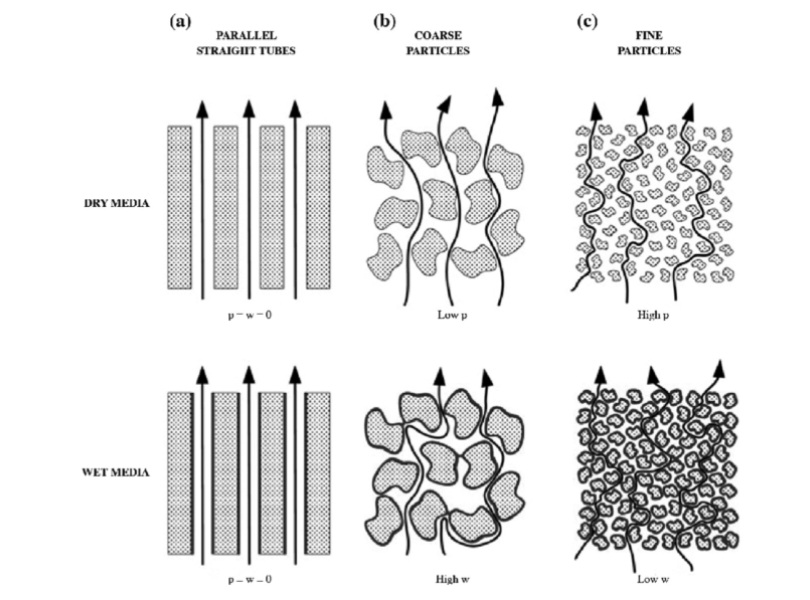
a. DIFFUSION: Majorly, soil receives air from the atmosphere , especially oxygen and carbon dioxide through the process called diffusion. Diffusion of soil air with the atmosphere brings about the replacement of soil gases with atmospheric air.
Apart from this, nutrient cycles like nitrogen cycle also releases gases into the soil.
The rate of diffusion depends on the following factors:
i. Soil water content
ii. Size and numbers of pores
iii. pore continuity
iv. Temperature.
b. DECOMPOSITION: The variation in soil gas composition due to seasonal, or even daily, temperature and/or moisture change can affect the soil atmosphere through their influence on the rate of soil respiration.
According to the USDA, soil respiration refers to the quantity of carbon dioxide released from soil. This is carried out by soil microorganisms and the plant roots.
During the decomposition of organic materials by microorganisms, excess carbon dioxide is created in the presence of oxygen and released. This process that releases carbon dioxide (CO2) is refered to as respiration. This respiration, often referred to as soil respiration, is a measure of microbial activity and a key indicator of soil health. In essence, the decomposition process by soil microbes is directly linked to the amount of CO2 released from the soil.
c. THAWING:
The soil formation process through which ice, snow, or other frozen substance melt down to form liquid due to warming up significantly result in soil gas release. As this melting down takes place, the activity of soil microbes become increased and soil structure becomes altered. These therefore result in the release of greenhouse gases like carbon dioxide (CO2), nitrous oxide (N2O), and methane (CH4). This release is particularly pronounced during the initial thawing period, with potential impacts on the overall annual gas budget.
During frost, nutrients in the soil are locked up in the frozen soil, making them not available to the plants. As thawing takes place, the nutrients previously trapped in frozen soil are released, providing substrates for microbial growth and activity.
As the microbs grow in number, they produce enzymes to break down organic matter accumulated on top of the soil. The brake down process therefore enhances the availability of carbon and nitrogen for microbial consumption.
Apart from this, the increased microbial activity leads to higher rates of respiration by the microbes, thus, resulting in increased CO2 emissions.
Also, thawing can result in the production of other gases like N2O and CH4 during anaerobic (oxygen-limited) conditions. It also distrupt soil
aggregate stability by weakening soil clumps and making them more susceptible to breakdown, thus, releasing trapped gases.
It also increase soil porosity by creating new pore spaces within the soil, facilitating gas diffusion and release.
And lastly, a change in soil moisture due to thawing can influence gas transport and release.
d. SOIL REWETTING:
In regions of the world where freezing of soils or drought is common, soil thawing and rewetting due to seasonal or meteorological changes influences soil gas flux. Both processes hydrate the soil and increase nutrient availability leading to an increase in microbial activity. This results in greater soil respiration and influences the composition of soil gases.
Soil rewetting refers to the process of bringing dry soil back to a moist state, typically after a period of drying.
Soil rewetting, after a period of dryness, triggers significant biological and chemical changes in the soil such as rapid increase in microbial activity, which often result in a pulse of carbon dioxide (CO2) release, known as the “Birch effect”. The intensity and duration of the drying period influence the extent of these changes.
It also impact soil gas composition by influencing the release of greenhouse gases like carbon dioxide (CO2), methane (CH4), and nitrous oxide (N2O). Apart from this, soil rewetting also bring about an increase in microbial activity, which results in higher rates of respiration and the release of stored gases. This can cause an unexpected and over release of CO2 and other gases from the soil, especially after prolonged dry periods.
Therefore, it can be stated that rewetting of soils which trigger the release of stored greenhouse gases like CO2, N2O, CH4, contribute to climate change, as these gases trap heat in the atmosphere.
DIFFERENCES BETWEEN SOIL AIR AND ATMOSPHERIC AIR
The main difference between soil atmosphere and atmospheric air is based on the composition of soil air. Soil Atmosphere typically contains higher amount of carbon dioxide and water vapor, but lower quantity of oxygen.
a. OXYGEN LEVELS:
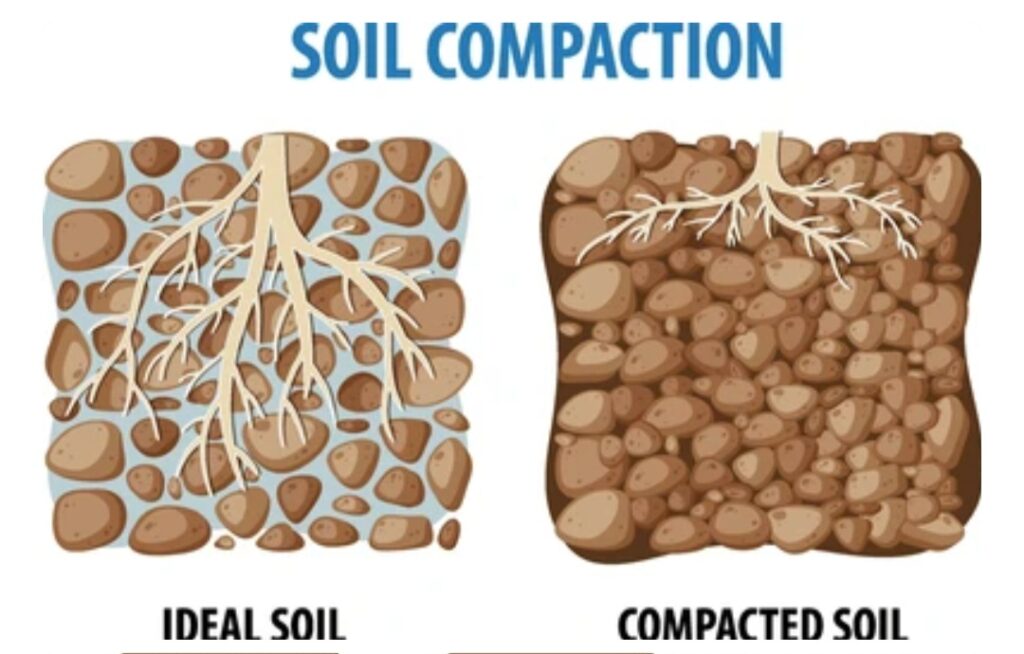
Soil atmosphere generally has lower oxygen concentrations than atmospheric air, especially in wet or compacted soils where gas exchange with the atmosphere is limited. Apart from the wetting and compaction, plant roots and soil microorganisms also utilize the soil oxygen during their activities ( respiration), lowering the oxygen level of the soil atmosphere.
b. CARBON DIOXIDE LEVEL:
Soil atmosphere typically contains significantly higher levels of carbon dioxide due to respiration of plant roots and soil organisms.
c. WATER VAPOR LEVEL:
Soil air tends to be much more humid than atmospheric air, approaching 100% relative humidity, especially in moist soils conditions.
d. COMPOSITION:
Soil atmoshere principally contain gases such as;
Nitrogen, oxygen, and carbon dioxide. These are the main gaseous components of soil air.
It also contain other gases such as trace amounts of methane, hydrogen sulfide, nitric oxide, nitrous oxide, methane, and ammonia. Other gases may also be present.
e. SOIL ATMOSPHERE MEDIUM: The soil atmosphere medium are the substances surrounding the gases. These are the solid soil particles, and water. The spaces between the solid soil particles called pores, if not containing water, are filled with air.
f. Compared to the atmosphere, moreover, soil gas composition is less stagnant due to the various chemical and biological processes taking place in the soil. The resulting changes in composition from these processes can be defined by their variation time (i.e. daily vs. seasonal).
IMPORTANCE OF SOIL ATMOSPHERE
1. PLANT RESPIRATION: Oxygen in the soil atmosphere is essential for plant root respiration.
2. MICROBIAL ACTIVITY: Soil microorganisms, both aerobic and anaerobic, rely on the soil atmosphere for their metabolic processes.
3. NUTRIENT CYCLING: Soil atmosphere influences nutrient availability and cycling within the soil.
4. GAS EXCHANGE: The movement of gases between the soil and the atmosphere is crucial for maintaining optimal conditions for soil life.
5. RATE OF ORGANIC MATERIAL DECOMPOSITION: Soil gases are important to soil life. A fluctuation of carbon dioxide and oxygen in the soil can result in changes in rate of decay of organic materials.
6. SOIL FORMATION PROCESSES: A change in microbial abundance due to chemical and biological processes during soil formation can inversely influence soil gas composition.
7. Soil gases have been used for multiple scientific studies such as microseepage, earthquakes, and gaseous exchange between the soil and the atmosphere.
Microseepage refers to the limited release of hydrocarbons on the soil surface and can be used to look for petroleum deposits based on the assumption that hydrocarbons vertically migrate to the soil surface in small quantities. For example radon.
8. AVAILABILITY OF NUTRIENTS: In nutrient management, soil aeration influences the availability of many nutrients. Soil air is majorly needed by many of the soil microorganisms that release plant nutrients to the soil.
FACTORS AFFECTING SOIL ATMOSPHERE
Several factors influence the composition and movement of air within the soil (soil atmosphere). These factors can be broadly divided into three classes- physical, chemical, and biological factors. All these three interact to affect soil aeration and gas exchange. Examples of these factors include : soil texture and structure, organic matter content, moisture, pH, temperature, and the activities of soil organisms.
PHYSICAL FACTORS
1. WATER CONTENT:
Saturated soils means all pore spaces within the soil are filled with water with no gas exchange. As the water drains out, pore space gradually becomes empty, thus, increasing gas exchange gradually. This continues to lead to lower oxygen and higher carbon dioxide levels.
2. SOIL TEXTURE AND STRUCTURE:
Soil texture (e.g., sand, silt, clay) and structure (e.g., aggregation) affect pore size and connectivity, influencing gas movement.
The size and arrangement of soil particles (sand, silt, and clay) significantly affect pore space. Also, the aggregation of soil particles into larger units (peds) creates pore spaces that facilitate aeration and drainage.
3. TEMPERATURE:
Temperature affects gas solubility and diffusion rates, influencing the movement of gases within the soil.
4. COMPACTION: Increased soil density during compaction reduces pore spaces, hindering gas exchange and root growth. (Refer to figure 4)
B. CHEMICAL FACTORS
1. pH:
Soil pH influences the solubility and availability of nutrients, which can affect microbial activity and gas production.
2. ORGANIC MATTER CONTENT:
Organic matter decomposition involves the use of oxygen to releases gases like carbon dioxide by the action of soil microorganisms. This also influences soil structure, thus affecting pore spaces.
3. REDOX POTENTIAL (Eh):
The redox potential indicates the oxidation-reduction state of the soil, which is influenced by oxygen availability and determines the rate of microbial activity.
BIOLOGICAL FACTORS
The activity of plant roots and soil organisms significantly impacts the composition of the soil atmosphere.
1. SOIL ORGANISMS:
Microbes, fungi, and other organisms consume oxygen and release carbon dioxide during respiration process. And this alters the soil atmosphere.
2. PLANT ROOTS:
Plant roots consume oxygen and release carbon dioxide during respiration, and their presence can influence soil structure and pore space.
Other factors that influence the soil atmosphere include:
3. CLIMATE:
Climate affects temperature and precipitation, influencing soil moisture, organic matter decomposition, and overall soil formation.
4. TIME:
Over time, weathering and soil development processes alter soil properties, affecting pore space and gas exchange.
5. TOPOGRAPHY:
Slope and drainage patterns affect water movement and soil aeration.
6. TILLAGE:
Tillage can temporarily increase aeration but can also lead to long-term compaction if not managed properly.

Great article! It’s refreshing to see such a deep dive into the nuances of sports betting strategies. For those looking to streamline their research, the AI Podcast Assistant from tyy.AI Tools can be a game-changer in organizing and consuming industry insights efficiently.
Hi AI tools,
Thank you for reading through supremelights post. We are grateful to you. And thank you for introducing the Al Podcast Assistant to us. We will surely check it out to see how it can benefit our publications.
Please, if you have any aspect of agriculture you want supremelights to address, contact us.
Thank you once again.
Bye